LED Die Casting Manufacturer for OEM & Outdoor Lighting Projects
As a professional LED die casting manufacturer in China, we provide end-to-end aluminum die casting solutions for LED lighting components, including LED housings, heat sinks, and outdoor lighting enclosures. Our services cover the full manufacturing cycle — from early-stage DFM and moldflow analysis to tooling, high-pressure die casting, CNC machining, surface finishing, inspection, and assembly.
We work closely with engineering, procurement, and quality teams to deliver thermally optimized, structurally reliable, and cost-effective LED die casting parts for long-term OEM projects.
Typical response within 24 hours • Engineering feedback before tooling
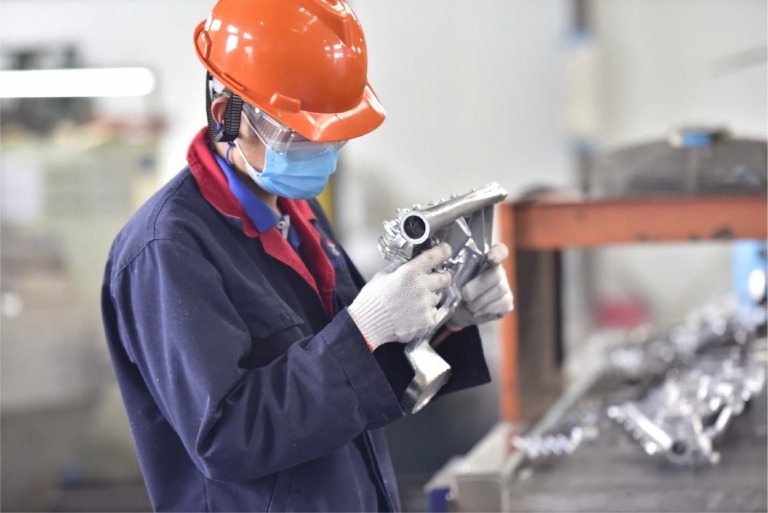
Why LED Lighting Requires Die Casting Components
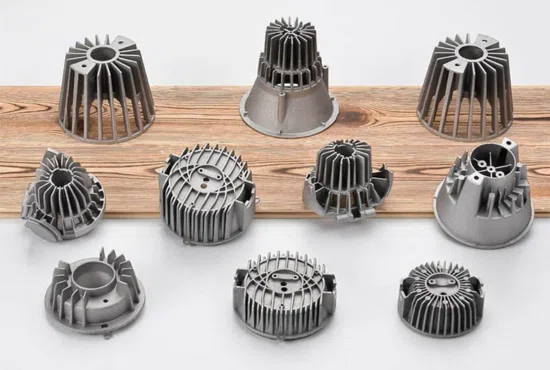
LED lighting products require efficient thermal management, lightweight structures, high dimensional accuracy, and long-term durability to ensure stable light output, extended service life, and reliable performance in both indoor and outdoor environments. For these reasons, aluminum die casting has become the preferred manufacturing process for LED housings, heat sinks, and structural components, especially in high-power, outdoor, and industrial LED lighting systems. Compared with fabricated aluminum, plastic enclosures, or stamped metal parts, die-cast LED components offer:
- Superior heat dissipation for high-power LEDs
- Higher structural rigidity with reduced wall thickness
- Excellent dimensional stability for precise LED and PCB mounting
- Improved resistance to corrosion and environmental exposure
- Better integration of complex geometries and heat sink features
- Consistent quality in high-volume production with lower unit cos
High pressure die casting enables LED lighting manufacturers to combine thermal performance, structural strength, and compact design, making it ideal for modern LED street lights, flood lights, industrial luminaires, and architectural lighting systems.
Engineering Challenges & LED Lighting Industry Pain Points
LED lighting OEMs and contract manufacturers typically face the following engineering and production challenges during product development and mass manufacturing:
| Pain Point | Impact on LED Lighting Production | Engineering Solution |
|---|---|---|
| Thermal management for high-power LEDs | Overheating, reduced LED lifespan, lumen depreciation | Optimized aluminum die casting with integrated heat sink fins, controlled wall thickness, and thermal simulation ensures stable heat dissipation |
| Thin-wall and complex housing geometries | Increased tooling complexity, higher scrap rate, warpage | Moldflow-driven tooling, optimized gate/runner design, and multi-slide inserts reduce defects and maintain dimensional accuracy |
| Outdoor & waterproof requirements (IP65–IP67) | Water ingress, corrosion, product failure | Integrated sealing features, precision die casting tolerances, and post-casting CNC machining maintain waterproof performance |
| Dimensional accuracy for PCB and component mounting | Misaligned LEDs, poor optical performance, assembly issues | DFM tolerance analysis, precision HPDC, and multi-axis CNC finishing achieve high positional accuracy |
| Lightweight & compact design | Structural deformation, vibration, reduced thermal efficiency | Material selection, ribbing, and topology-informed die casting design enhance stiffness-to-weight ratio while preserving thermal performance |
| Cosmetic surface & coating quality | Visible defects, increased rejection rates, inconsistent finish | Integrated surface finishing stack (brushing, powder coating, anodizing) ensures uniform, high-quality aesthetic surfaces |
| High-volume consistency & cost control | Unit cost variability, inconsistent performance, downtime | Optimized HPDC parameters, automated process monitoring, and in-line QC deliver consistent quality at scale |
How We Solve These Pain Points for LED Die Casting Components
IEC’s LED die casting solutions are designed to support thermal performance, structural integrity, and high-volume production for LED lighting components, including housings, heat sinks, and outdoor luminaires.
Early DFM for LED Die Cast Parts
Scope: Early manufacturability & tolerance planning
Key Engineering Actions:
- Wall thickness optimization for heat dissipation vs. weight
- Ribbing, bosses & datum structure for rigidity and vibration resistance
- Undercut & deep cavity moldability review
- CNC allowance & datum reference planning for PCB & LED mounting
Outcome: Fewer late-stage tooling modifications, stable assembly, and faster validation cycles for LED housings
Moldflow & Tooling Integration
Scope: Tooling accuracy & porosity control
Key Engineering Actions:
- Gate and runner design for balanced aluminum flow
- Venting path design to reduce gas traps and voids
- Thermal balance for dimensional stability during casting
- Ejection & cooling layout for consistent cycle times
Outcome: Improved yield, better surface integrity, and reduced porosity — critical for thin-wall and heat sink integrated LED housings
Die Casting + CNC Hybrid Manufacturing
Scope: Net-shape production with precision finishing
Capabilities:
- High-pressure die casting (HPDC) for structural housings and heat sinks
- 3-axis, 4-axis, 5-axis CNC for precision PCB and mounting interfaces
- Controlled datum features & sealing surfaces for IP65–IP67 compliance
Outcome: CNC machining applied only where needed, reducing cost while maintaining tight tolerances and assembly fit
Finishing & Cosmetic Control Stack
Scope: Surface quality, durability, and outdoor resistance
Processes:
- Bead blasting
- Brushing
- Powder coating (UV-resistant for outdoor use)
- Liquid painting
- Anodizing (Aluminum)
- Conductive finishing (optional, for EMI shielding)
Outcome: Uniform, high-quality aesthetics combined with weatherproof durability for indoor and outdoor LED luminaires
Quality, Inspection & Documentation
Scope: Production consistency, traceability & specification compliance
Provided Deliverables:
- 3D CMM dimensional reports
- Material certifications (incoming & outgoing)
- PPAP, FAI, Control Plan, PFMEA
- RoHS / REACH compliance statements
Outcome: Supports OEM audits, environmental compliance, and traceable manufacturing for high-volume LED projects
Low-variance Mass Production Control
Scope: Scaling from prototypes to stable series production
Manufacturing Control Measures:
- SPC (Statistical Process Control) on critical dimensions
- APQP for tooling & process introduction
- CPK tracking for key tolerances
- Lot traceability and serialization options
- Preventive maintenance on dies & CNC machines
Outcome: Uniform, high-quality aesthetics combined with weatherproof durability for indoor and outdoor LED luminaires
Materials Used in LED Die Casting
Selecting the appropriate material is critical for LED lighting performance, reliability, and cost. While multiple metals can be used in die casting, aluminum alloys remain the primary and most widely used material for LED die casting applications, especially for housings and heat sinks.
Aluminum Alloys Die Casting (Primary Material)
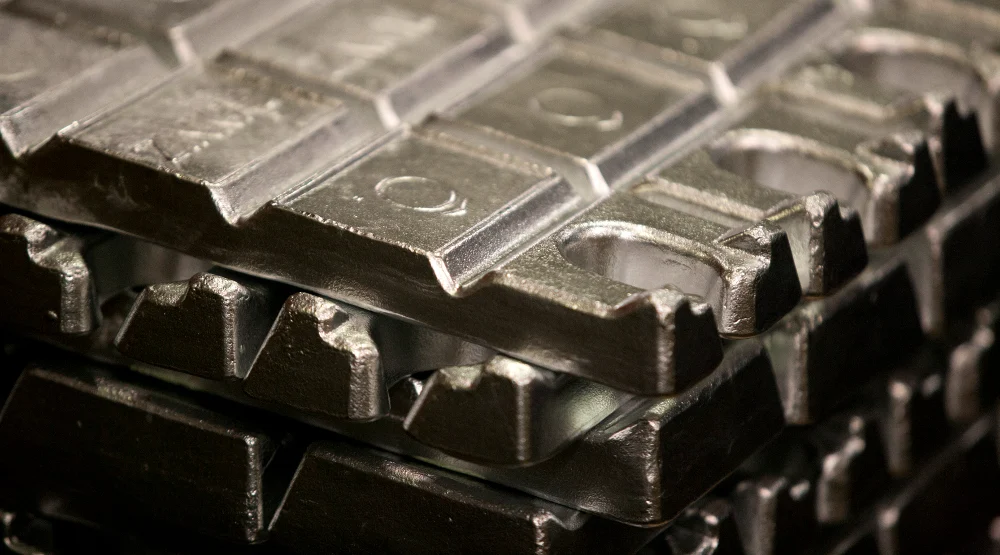
Aluminum die casting is the preferred solution for the majority of LED lighting components due to its excellent balance of thermal performance, strength, weight, and cost efficiency. Common aluminum alloys used include:
- ADC12: Excellent castability and dimensional stability, widely used for LED housings
- A380: Good thermal conductivity and mechanical strength, suitable for structural LED components
- EN AC-46000: European-standard alloy for demanding outdoor and industrial lighting applications
Key advantages of aluminum for LED die casting:
- Efficient heat dissipation for high-power LEDs
- Lightweight yet structurally strong
- Good corrosion resistance with proper surface treatment
- Compatible with powder coating, anodizing, and painting
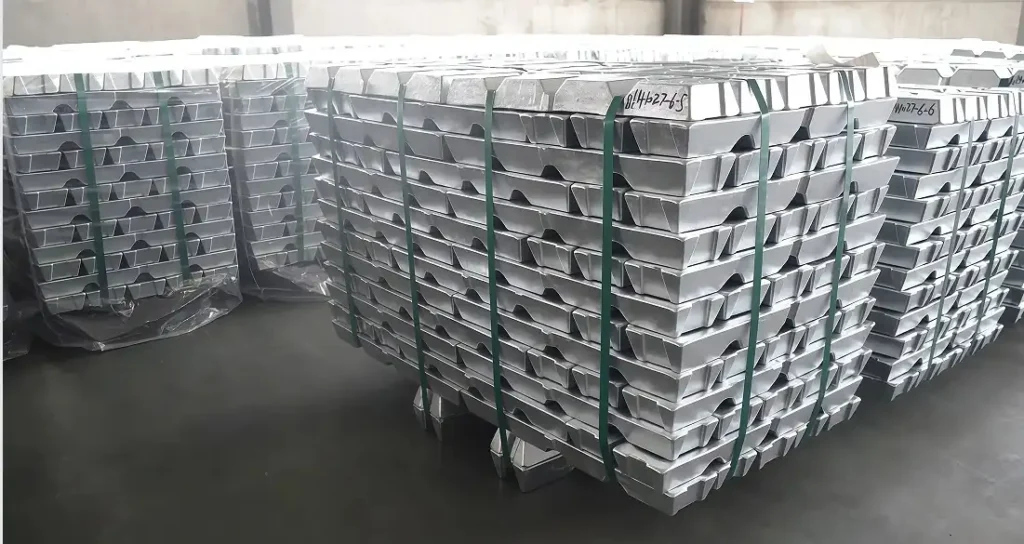
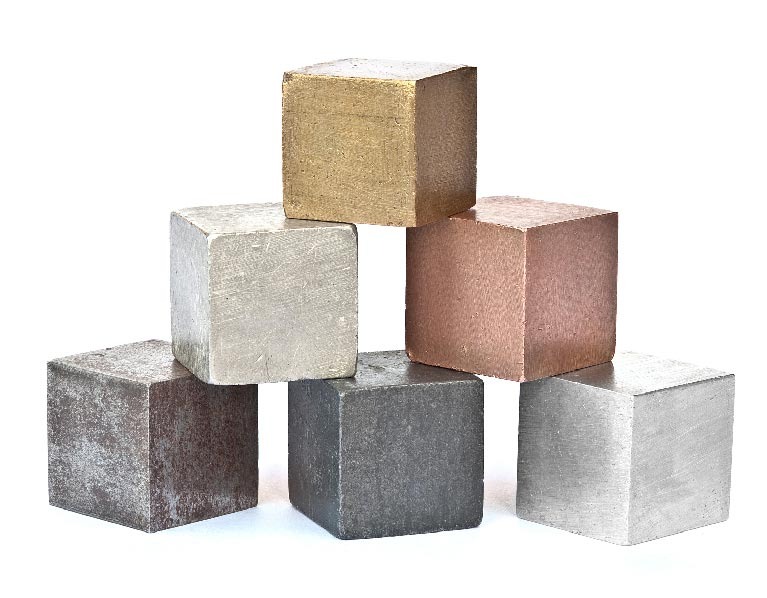
Magnesium Die Casting (Special Applications)
Magnesium die casting can be considered for lightweight LED components in specialized applications.
Considerations include:
- Very low density and weight
- Higher material and processing cost
- Increased sensitivity to corrosion without advanced surface protection
Magnesium is typically applied only when weight reduction is a critical requirement and environmental conditions are controlled.
Material selection is confirmed during the DFM stage based on thermal requirements, structural design, environmental exposure, and cost targets.
Zinc Die Casting (For Specific LED Components)
Zinc die casting may be used for small-sized, low-power LED components where heat dissipation requirements are limited.
Typical characteristics:
- Higher density and weight compared to aluminum
- Excellent surface finish and dimensional accuracy
- Generally suitable for indoor or decorative LED parts
Zinc is not recommended for high-power LED housings or heat sink applications due to limited thermal performance.
Common LED Components Manufactured by Die Casting & CNC
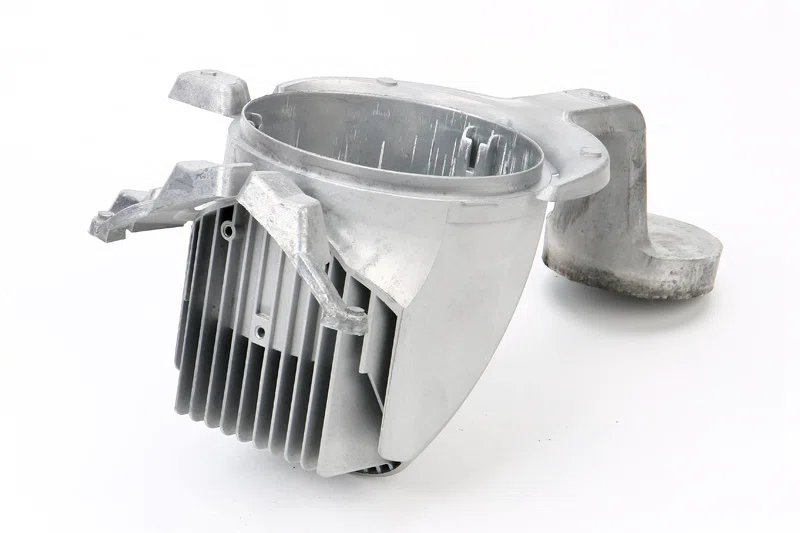
We supply die cast and machined components for a wide range of LED lighting applications, including:
Street & Outdoor Lighting
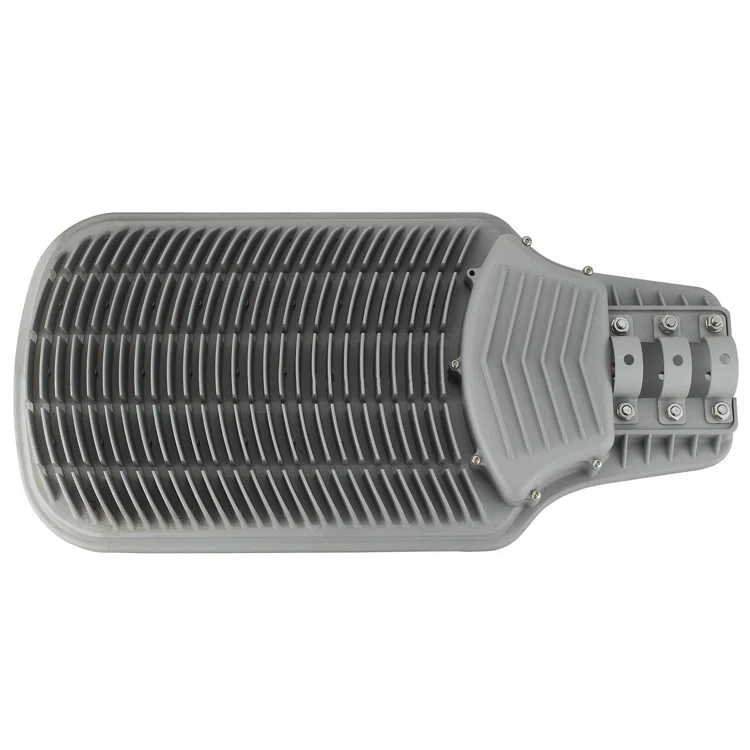
- LED street light housings with integrated heat sinks
- Flood and area light enclosures
- Pole mounting brackets and weatherproof sealing interfaces
Industrial & High-Bay Fixtures
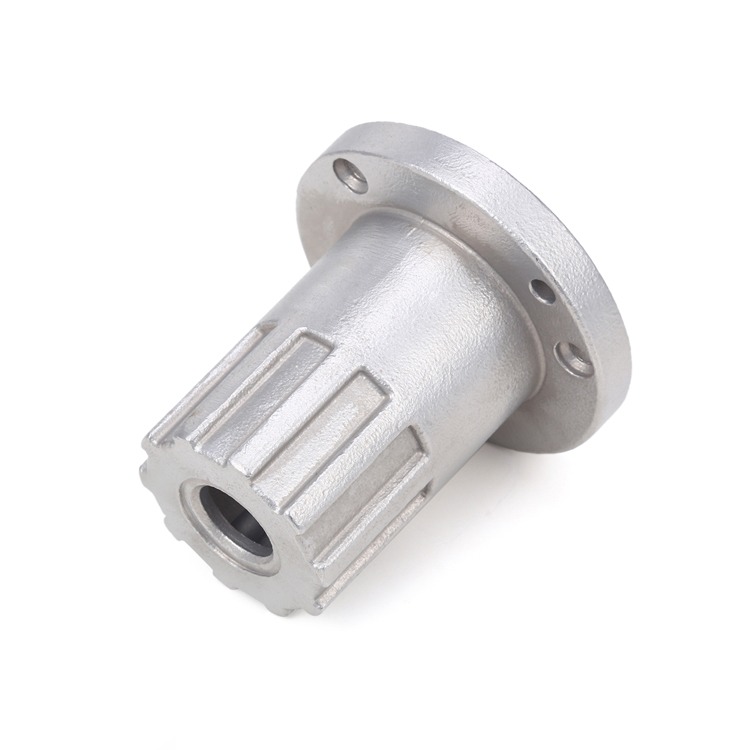
- High-power industrial LED housings
- Thermal management frames and fins
- Adjustable mounting brackets and protective covers for drivers
Architectural & Commercial Lighting
- Downlight, spotlight, and track lighting housings
- Decorative heat sink-integrated enclosures
- Wall-mounted fixture frames and interface components
LED Modules & Electronics Enclosures
- PCB mounting frames for LED boards
- Power supply and driver housings
- EMI/EMC shielding housings
- Thermal interface plates
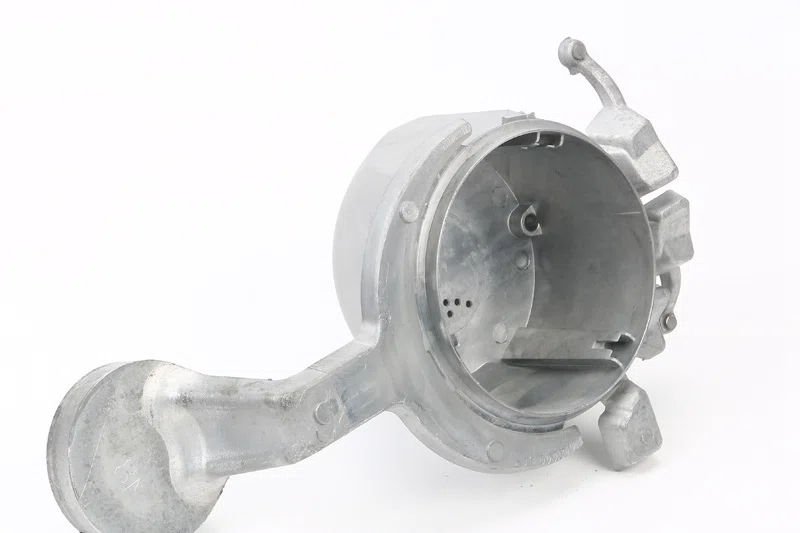
These product categories often require repeatable high-volume production, precise thermal and structural performance, corrosion resistance, and long-term dimensional stability — areas where IEC Mould provides advanced die casting and CNC machining capabilities, ensuring OEMs receive consistent, reliable, and high-quality LED components for every project.
Engineering DFM & Moldflow Support for LED Die Casting Components
LED components often involve thin walls, integrated heat sinks, complex mounting features, and outdoor durability requirements. Early engineering collaboration reduces tooling cost, prevents production issues, and ensures thermal and structural performance. Our DFM support for LED die casting includes:
Geometry Feasibility Review
We evaluate:
- Draft angles and wall tapering for high-pressure die casting
- Undercuts, deep cavities, and ribbed structures
- Thin walls for lightweight designs
- Bosses, fins, and mounting interfaces
- Sharp corners or transitions affecting flow and cooling
- Gating, venting, and ejection path feasibility
Moldflow & Simulation
Simulation detects:
- Flow imbalance and incomplete filling
- Cold shuts and weld lines
- Air entrapment or gas pockets
- Porosity concentration points
- Hot spots and localized shrinkage
- Heat dissipation paths for integrated fins
Assembly & Integration Support
We ensure compatibility with:
- PCBs and LED modules
- Optical lenses and diffuser mounts
- Driver and power supply housings
- Fastening hardware and thermal interface pads
- Sealing features for IP65/IP67 compliance
Design-to-Cost Optimization
We propose design adjustments that reduce:
- Cycle time and energy consumption
- Material usage while maintaining thermal performance
- Secondary machining and finishing operations
- Tooling complexity without compromising structural or thermal requirements
Tooling & Die Casting Manufacturing Process for Lighting parts
IEC Mould integrates tooling, die casting, machining, finishing, assembly, and inspection into a coherent manufacturing process suitable for long-term production.
Standard Manufacturing Workflow
- RFQ & drawing review
- DFM & feasibility confirmation
- Moldflow analysis
- Tooling design
- Tool steel selection & fabrication
- Mold trials
- Dimensional inspection
- HPDC mass production
- CNC machining & tapping
- Deburring & cleaning
- Surface finishing
- Final inspection & FAI reports
- Packaging & documentation
- Batch traceability & shipment
Tooling Capabilities
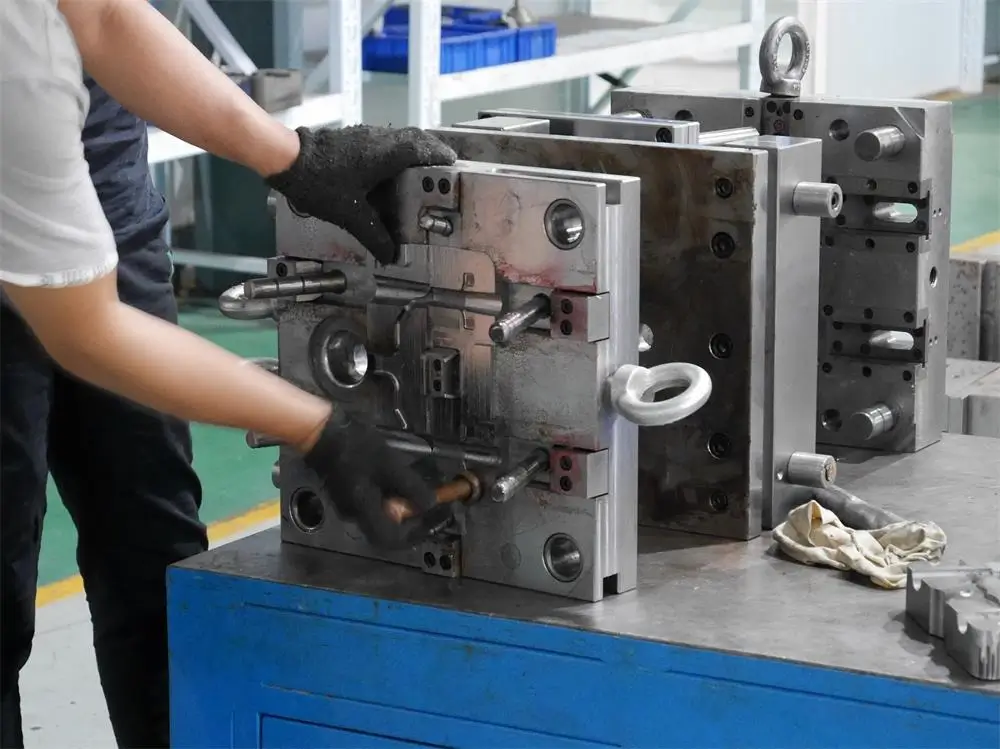
- Multi-slide tooling
- Thin-wall tooling
- Hot runner & vacuum venting
- Rapid cooling circuits
- Cavity pressure monitoring (when required)
- EDM, high-speed milling, and precision grinding
Die Casting Capabilities
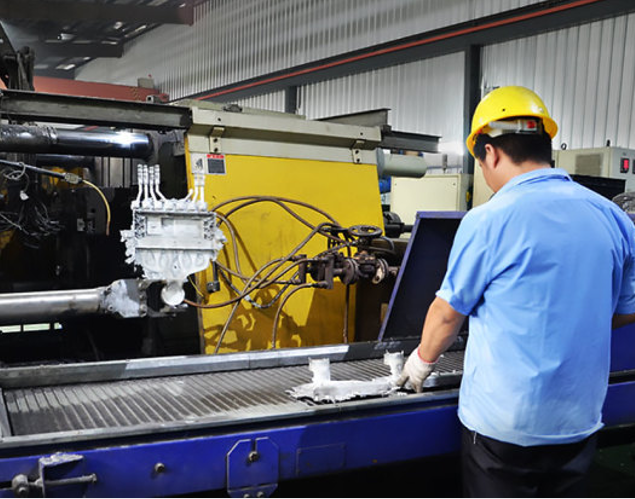
- HPDC from 80T to 1250T
- Vacuum assist for porosity reduction
- Water-cooling for dimensional stability
- Process control via temperature & shot monitoring
Secondary Operations
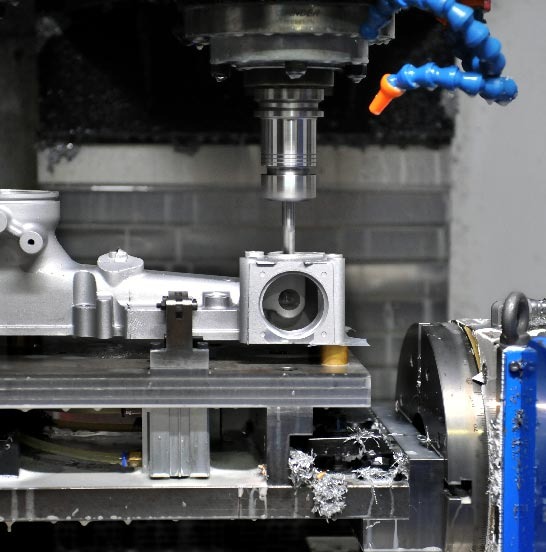
- CNC machining (3/4/5-axis)
- Turning
- Threading (M, UNC/UNF, MJ)
- Reaming & tapping
- Deburring & polishing
- Helicoil insert installation
CNC Machining for Lighting Components
CNC machining enhances precision for features that are not achievable by casting alone.
Machining Capabilities
- 3-axis, 4-axis, and 5-axis milling
- Swiss-type turning for small shafts & pins
- Micro-hole drilling
- Tapping and threading
- Helical milling
- ±0.01 mm tolerance control (feature-dependent)
Machinable Features for Medical Parts
- Face & shoulder milling
- Dynamic tool paths for complex contours
- O-ring grooves & sealing features
- Counterbores & countersinks
- Chamfers & radius profiles
- Orthopedic slot features
- Precision bore alignment
Burr-Free & Clean Surface Control
- Automated deburring
- Media tumbling
- Brush polishing
- Electro-polishing (for stainless steel)
- Edge-break control
- Particle-free cleaning
Documentation & Validation
- CMM dimensional reports
- First Article Inspection (FAI)
- PPAP if required
- Traceability records
- Surface roughness measurement
- Material certificates
General Tolerance Guideline for LED Die Casting Parts
The following tolerance ranges serve as general references for LED die casting parts:
| Stage | Feature | Typical Tolerance |
|---|---|---|
| As-Cast (Die Casting Only) | Linear dimensions | ±0.10 – ±0.30 mm |
| Flatness (per 100 mm) | ≤ 0.30 mm | |
| Hole position | ±0.20 mm | |
| After CNC Machining | Linear dimensions | ±0.02 – ±0.05 mm |
| Flatness | ≤ 0.05 mm | |
| Threaded holes | ISO / ANSI standards | |
| Factors Affecting Tolerances | Part size and geometry | Depends on design |
| Wall thickness uniformity | Thinner or uneven walls may increase variance | |
| Aluminum alloy selection | Alloy type affects shrinkage and dimensional stability | |
| Mold design & cooling efficiency | Optimized tooling improves tolerance consistency |
Surface Finishing for LED Die Casting Components
We provide surface finishing solutions suitable for both indoor and outdoor LED lighting applications. Surface treatment options are selected based on environmental exposure and aesthetic requirements.
Anodizing (Type II & III)
- Suitable for aluminum housings and handles
- Improves corrosion resistance
- Available in medical grade clear, black, etc.
Powder Coating
- RoHS compliant coating systems
- Uniform cosmetic appearance
- Chemical-resistant options for cleaning agents
Sandblasting / Bead blasting
- Satin texture for ergonomic surfaces
- Improves coating adhesion
Brushing
- Applied to aluminum housings after machining
- Controls surface roughness and visual uniformity
- Used on visible panels to reduce cosmetic variation
Chromate conversion
- Applied to aluminum die cast components
- Maintains electrical conductivity and grounding
- Used for corrosion protection under RoHS compliance
Laser marking
- Permanent marking on aluminum and zinc parts
- No inks or chemicals, no effect on tolerances
- Supports serial numbers and traceability
Case Studies (Typical Applications)
Below are representative examples showing how engineering collaboration reduces risk, improves performance, and controls cost in LED die casting projects.
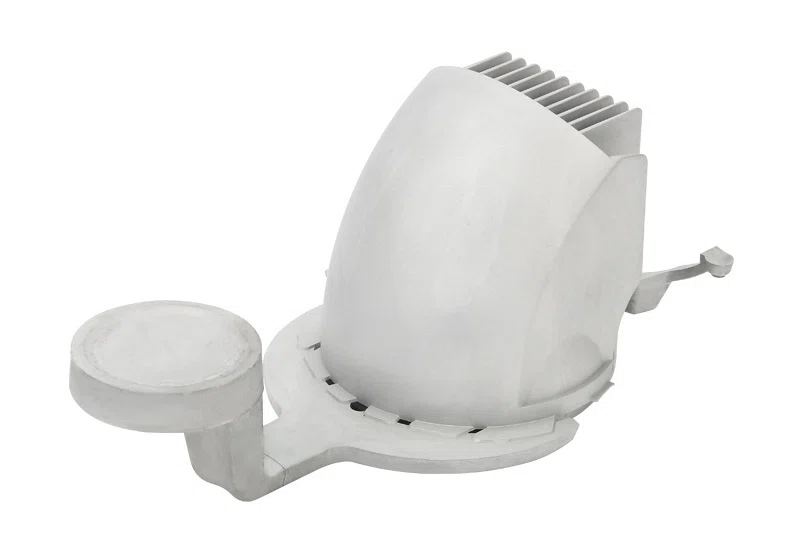
Case A: LED Street Light Housing Thermal Optimization
Objective: Improve heat dissipation for high-power LEDs and maintain structural integrity
Material: Aluminum alloy
Method: HPDC with integrated thin-wall fins + thermal simulation
Result: 18% improvement in thermal performance, reduced hotspot formation, stable LED lifespan
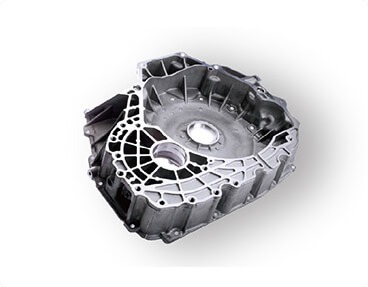
Case B: Architectural Downlight Lightweight Housing
Objective: Reduce housing weight while maintaining rigidity and aesthetics
Material: Aluminum alloy
Method: Topology-informed HPDC + ribbing optimization
Result: 20% weight reduction, improved structural stiffness, high-quality cosmetic surface
Why Choose IEC Mould for your LED Die Casting parts?
LED lighting programs demand more than manufacturing capacity — they require engineering-led design, thermal and structural optimization, process stability, and long-term supply reliability. Our LED die casting solutions are designed to support OEM and contract lighting programs from early development through high-volume production.
We provide a fully integrated LED die casting solution covering the entire production lifecycle:
- DFM – Early manufacturability, thermal simulation, and tolerance planning
- Tooling – Moldflow-driven design, balanced gates, venting, and multi-slide inserts
- Die Casting – High-pressure aluminum die casting for housings, heat sinks, and structural components
- CNC Machining – Multi-axis precision machining for PCB mounting, sealing features, and interfaces
- Surface Finishing – Anodizing, powder coating, bead blasting, brushing, and laser marking
- Assembly – Integrated thermal pads, lenses, and mechanical fastening
This one-stop approach reduces engineering and supply chain complexity, shortens lead times, and ensures consistent quality across all LED die cast components, whether for street lights, industrial luminaires, or architectural fixtures.
FAQ About LED Die Casting
Why is aluminum die casting suitable for LED lighting?
Aluminum die casting provides excellent thermal conductivity, dimensional accuracy, and cost efficiency for high-volume LED components.
Which aluminum alloy is best for LED heat sinks?
ADC12 and A380 are commonly used, depending on thermal and structural requirements.
Can LED die casting meet IP65 or IP67 requirements?
Yes. With proper design, machining, and sealing features, die cast LED housings can meet IP-rated standards.
Do you support custom LED housing designs?
Yes. We provide full OEM and ODM support with DFM, tooling, and production services.
Start Your LED Die Casting Project
Upload your drawings or samples to receive professional DFM feedback. Our engineers will review your LED design and provide feasibility analysis, tooling recommendations, and production guidance.