Metal Casting Solutions for Pump, Valve & Pipe Fittings Industry
We are a China-based metal die casting manufacturer specializing in high-precision aluminum pump housings and components. Our pump castings are engineered for strength, dimensional accuracy, and leak-resistant performance in demanding fluid and industrial applications.
As an experienced high-pressure die casting manufacturer, we provide complete solutions — from DFM analysis and mold flow simulation to die casting production, CNC machining, leak testing, and surface finishing — ensuring stable performance in demanding fluid environments.
Key Advantages:
- ±0.01mm CNC machining tolerance
- Vacuum die casting to reduce porosity
- 100% leak testing before shipment
- Up to 30% machining cost reduction through DFM optimization
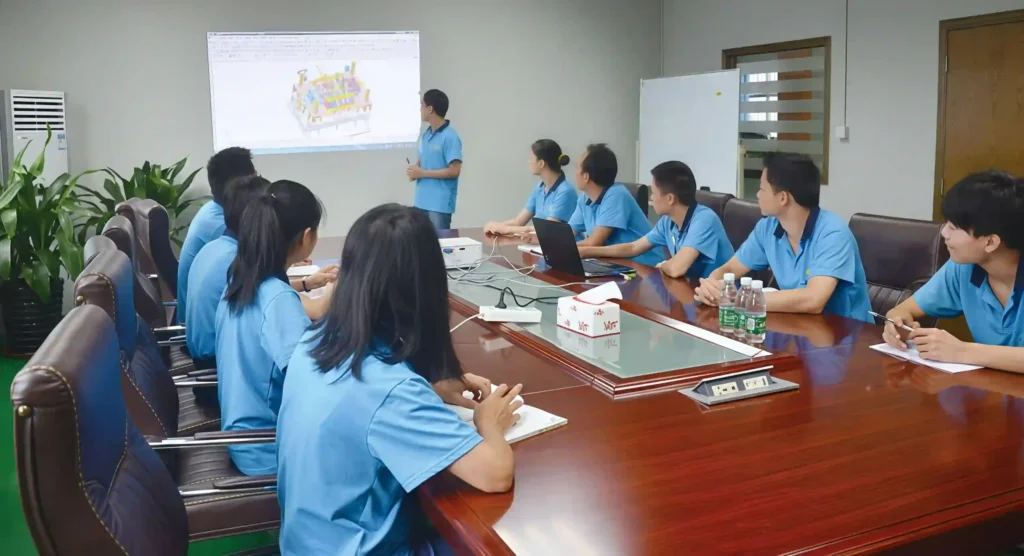
Why Metal Die Casting is good for Pump, Valve & Pipe Fittings Industry
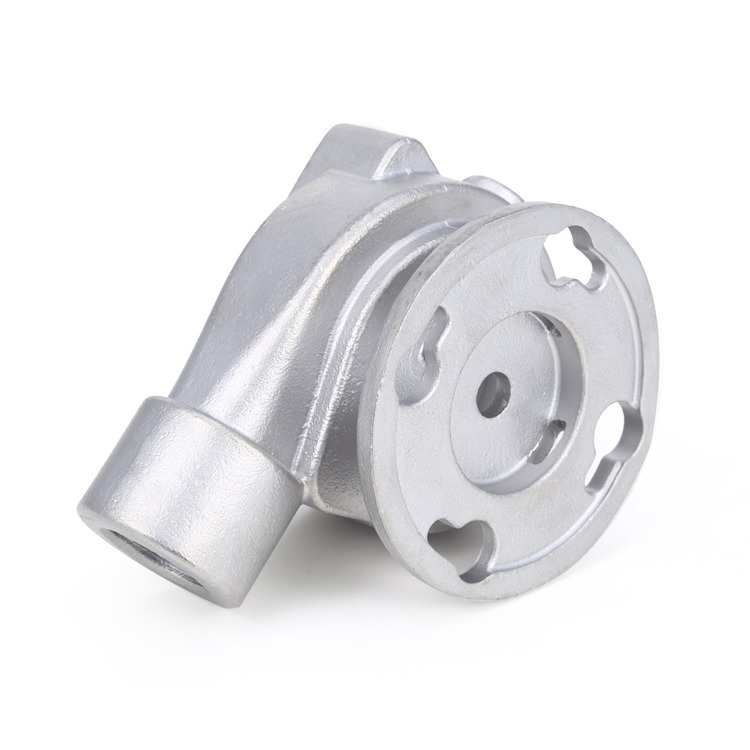
Pump components require high strength, precise dimensional control, and reliable sealing to operate safely under pressure and continuous flow. High-pressure metal die casting is widely used to manufacture critical parts such as pump housings, covers, and impeller housings.
Compared with sand casting or machining from solid metal, die-cast pump components provide:
- High strength for pressure-bearing structures
- Tight dimensional accuracy for sealing surfaces
- Optimized wall thickness with reduced weight
- Smooth surface finish for improved leak resistance
- Cost-effective and stable quality in medium- to high-volume production
High-pressure metal casting provides pump manufacturers with an optimal balance of performance, precision, and production efficiency, making it ideal for industrial, HVAC, water, and fluid-handling systems.
Metal Casting Engineering Challenges & Pump / Valve Industry Pain Points
OEMs and fluid-control equipment manufacturers face critical engineering and production challenges during the design, validation, and mass production of pump, valve, and pipe fitting die cast components.
| Engineering Challenge | Impact on Pump & Valve Production | Engineering Solution |
|---|---|---|
| Internal porosity & leakage risk | Fluid leakage, pressure failure, safety concerns, field returns | Vacuum high-pressure die casting, mold flow simulation, optimized gate design, and X-ray inspection minimize gas entrapment and shrinkage defects |
| Pressure-bearing structural integrity | Cracking under pressure, deformation, reduced service life | Rib-reinforced structures, balanced wall thickness, and stress-optimized casting design ensure reliable performance under high internal pressure |
| Sealing surface precision | Poor gasket sealing, oil/water leakage, assembly rework | Tight casting tolerance control, precision CNC machining, and flatness verification guarantee stable sealing performance |
| Corrosion in fluid environments | Oxidation, surface degradation, shortened lifespan | Alloy optimization (ADC12, A380, AlSi10Mg) combined with anodizing, powder coating, or chromate conversion enhances corrosion resistance |
| Dimensional consistency in mass production | Assembly misalignment, increased rejection rate, production delays | DFM-driven tolerance analysis, automated process control, and CMM inspection ensure repeatable dimensional stability |
| Complex internal flow paths | Turbulence, pressure loss, inefficient pump performance | Integrated cavity design, controlled solidification, and optimized casting layout improve internal geometry accuracy |
| Cost pressure in medium- to high-volume production | High machining cost, margin reduction | Near-net-shape die casting, machining reduction strategies, and tooling optimization lower total production cost |
How We Solve Pump & Valve Metal Casting Challenges
Our die casting solutions for pump, valve, and pipe fitting components are engineered to ensure mechanical strength, dimensional precision, leak-free performance, and cost-effective high-volume production
Early DFM & Tooling Planning
Scope: Early-stage manufacturability and tolerance optimization
Key Engineering Actions:
- Wall thickness optimization to balance structural integrity and weight
- Ribbing, bosses, and datum features for rigidity and vibration resistance
- Undercut and deep cavity moldability evaluation
- CNC allowance planning for sealing surfaces and assembly interfaces
Outcome: Reduced late-stage tooling modifications, stable assembly, and faster prototyping-to-production cycles.
Moldflow & Tooling Integration
Scope: Tooling accuracy, porosity control, and dimensional stability
Key Engineering Actions:
- Gate and runner optimization for balanced alloy flow
- Venting and thermal channel layout to minimize gas entrapment and voids
- Controlled ejection and cooling for consistent cycle times
- Moldflow simulation to validate thin-wall and complex geometry castings
Outcome: Higher yield, minimal porosity, and reliable dimensional consistency for pressure-bearing and precision-fit components.
High-Pressure Die Casting + CNC Hybrid Manufacturing
Scope: Net-shape production with precision finishing
Capabilities:
- HPDC for housings, valve bodies, pump covers, and internal flow components
- 3-axis, 4-axis, and 5-axis CNC for critical sealing surfaces and mounting features
- Datum and interface control to ensure tight assembly tolerances
Outcome: CNC machining applied only where necessary, reducing cost while achieving ±0.01mm precision and leak-free performance.
Surface Finishing & Corrosion Protection
Scope: Aesthetic quality, durability, and resistance to fluid corrosion
Processes:
- Bead blasting and brushing/polishing for uniform surface texture
- Powder coating or anodizing for corrosion and wear resistance
- Optional conductive coatings for EMI shielding in specialized components
Outcome: High-quality, durable surfaces suitable for both exposed and enclosed pump/valve applications.
Quality Control & Documentation
Scope: Consistent production, traceability, and compliance
Provided Deliverables:
- 3D CMM dimensional reports
- Material certifications (incoming & outgoing)
- PPAP, FAI, Control Plan, PFMEA
- RoHS / REACH compliance statements (if applicable)
Outcome: Supports OEM audits, environmental compliance, and traceable production for large-scale die casting programs.
Mass Production Stability & Cost Control
Scope: Scaling from prototype to series production
Manufacturing Controls:
- SPC (Statistical Process Control) on critical dimensions
- APQP process for tooling and production introduction
- CPK tracking for key tolerances
- Lot traceability and optional serialization
- Preventive maintenance for dies and CNC machines
Outcome: Uniform, high-quality, mechanically reliable components with consistent performance across medium- to high-volume production.
Recommended Metal Casting Alloys for Fluid Control Applications
Selecting the right metal casting alloy is critical for pump, valve, and pipe fitting components, as it directly impacts mechanical strength, corrosion resistance, dimensional stability, leak-proof performance, and total manufacturing cost.
Different alloys are chosen depending on operating pressure, fluid type, temperature, and mechanical load requirements. Below are the most widely used materials for fluid control die casting.
Aluminum – Core Pressure-Bearing Components ✅
Primary applications: Pump housings, valve bodies, covers, impeller casings, internal flow components
Common alloys:
- ADC12 – Excellent castability, dimensional stability, widely used for standard pump and valve bodies
- A380 – High mechanical strength and machinability, ideal for pressure-bearing structural components
- AlSi10Mg – Enhanced corrosion resistance for water, HVAC, or chemical applications
Advantages:
- High strength-to-weight ratio for pressure resistance
- Good corrosion resistance with anodizing or powder coating
- Tight dimensional control for sealing surfaces and assembly
- Allows complex geometries, internal flow channels, ribs, and bosses
- Cost-effective for medium- to high-volume production
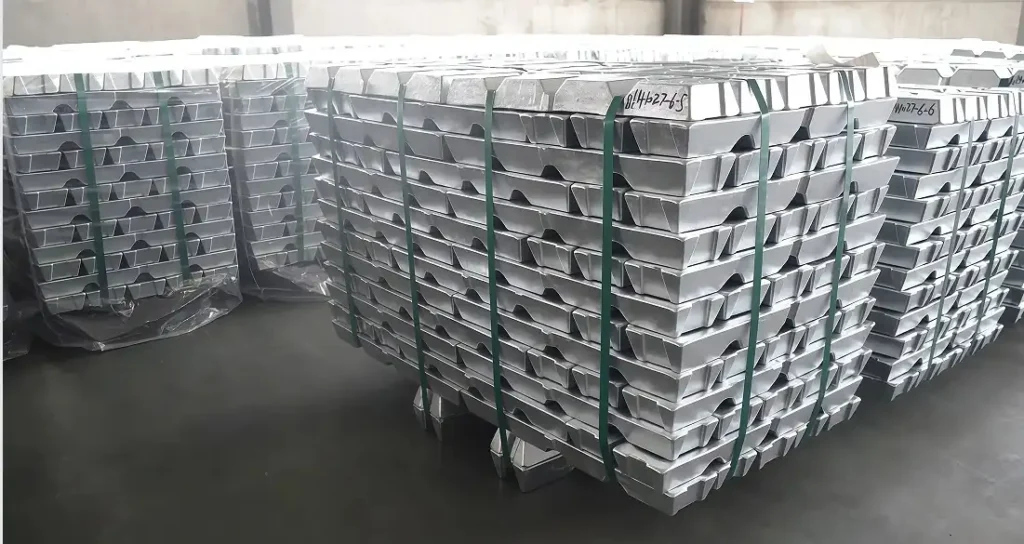
Summary: Aluminum alloys are the default choice for all critical, load-bearing, and high-pressure fluid control components.
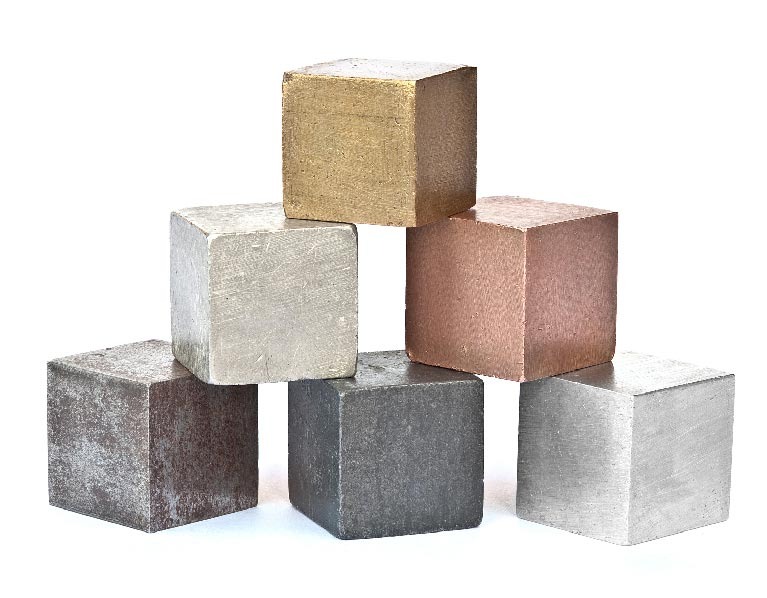
Magnesium – Lightweight Auxiliary Components ⚠️
Applications: Non-pressure parts, handles, brackets, lightweight valve components
Key considerations:
- Extremely low density for reduced weight
- Moderate mechanical strength → not suitable for core pressure-bearing components
- Corrosion-sensitive; requires advanced surface protection
Use case: Only for specialized lightweight parts where ergonomics or system-level weight reduction is a priority.
Zinc Alloys – Precision Small Components ⚠️
Applications: Small fittings, precision connectors, decorative or control components, low-pressure valves
Advantages:
- Excellent dimensional accuracy and surface finish
- Fine-feature reproduction for small connectors or valve internals
Limitations:
- Limited strength → not suitable for high-pressure pump or valve
- Higher density than aluminum
- Sensitive to high temperatures
Use case: Suitable for small, low-pressure, indoor or controlled-environment components.
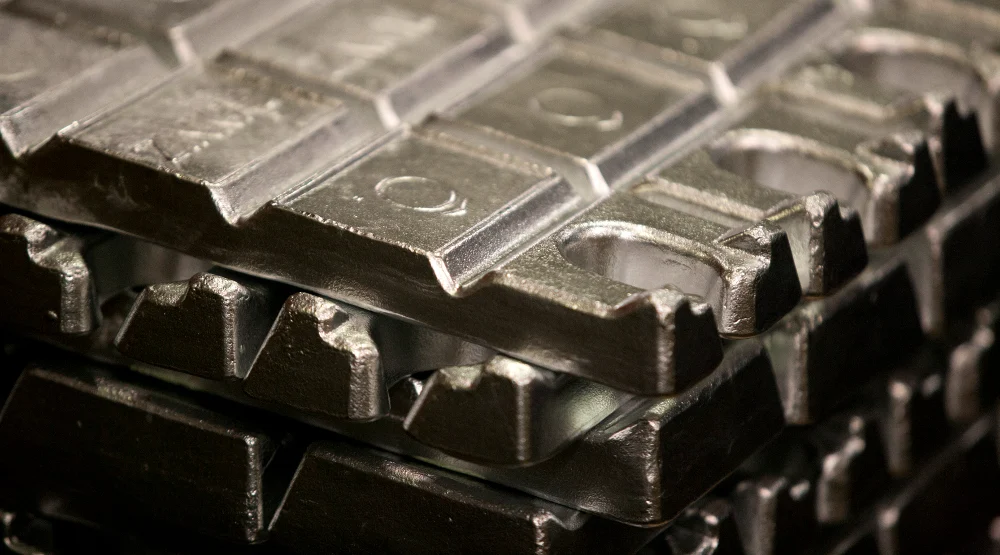
Common Pump & Valve Components Manufactured by Metal Casting & CNC
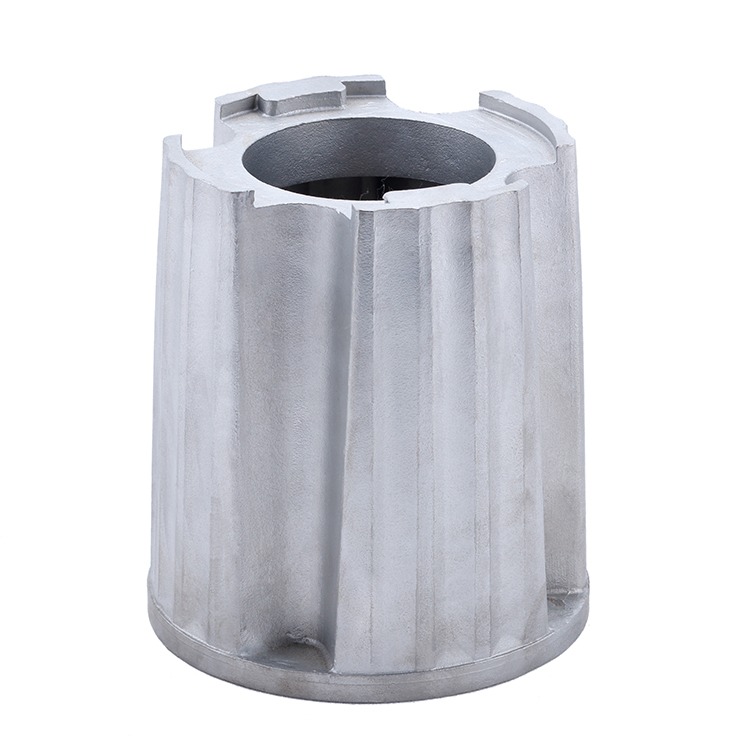
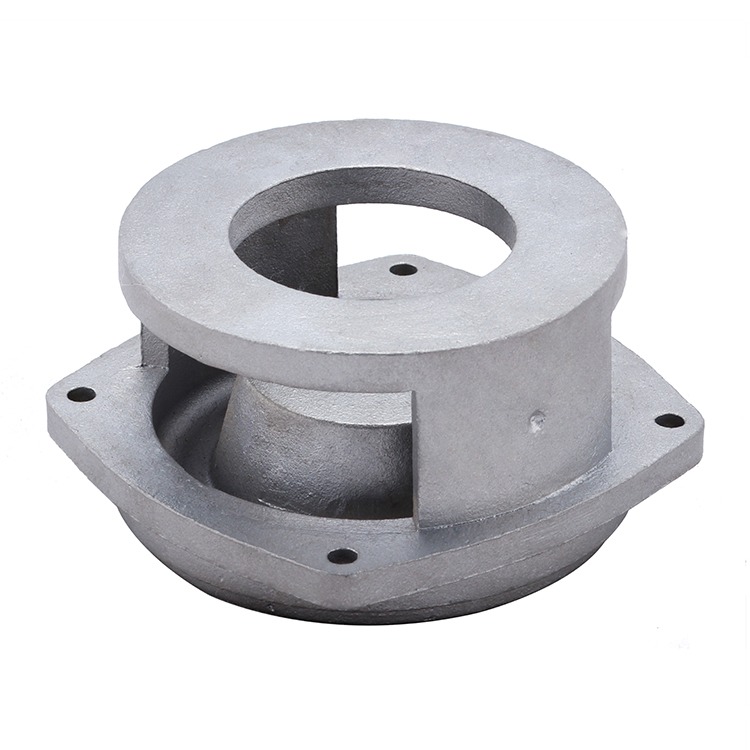
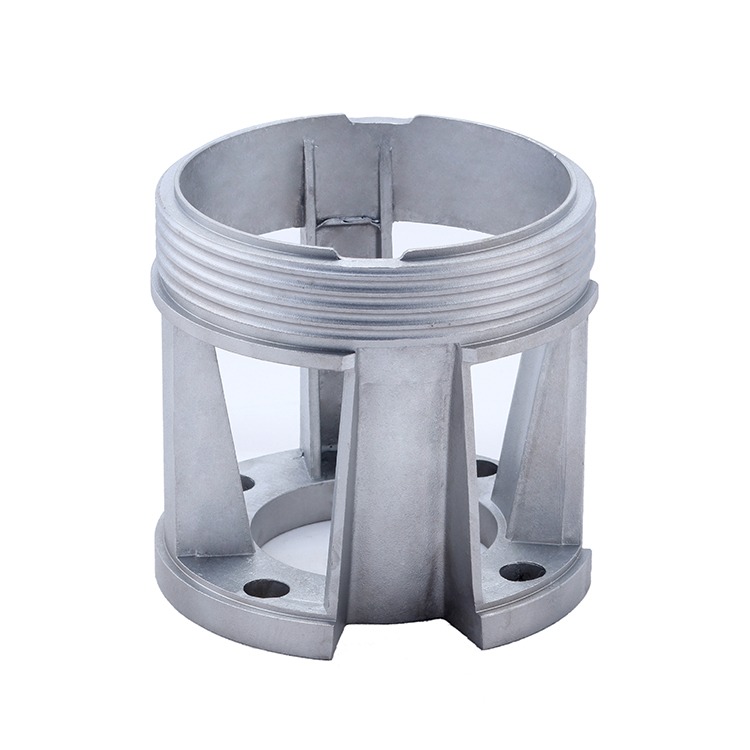
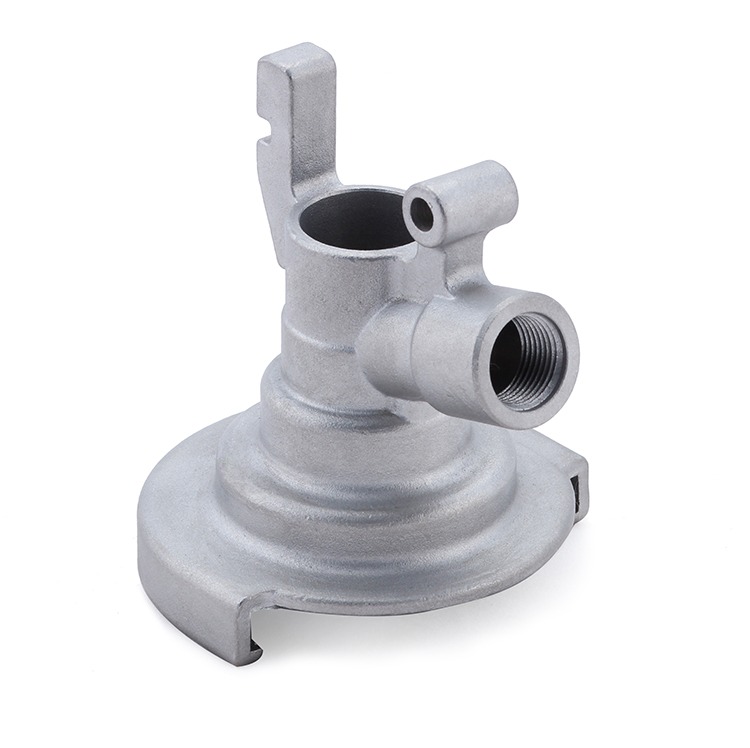
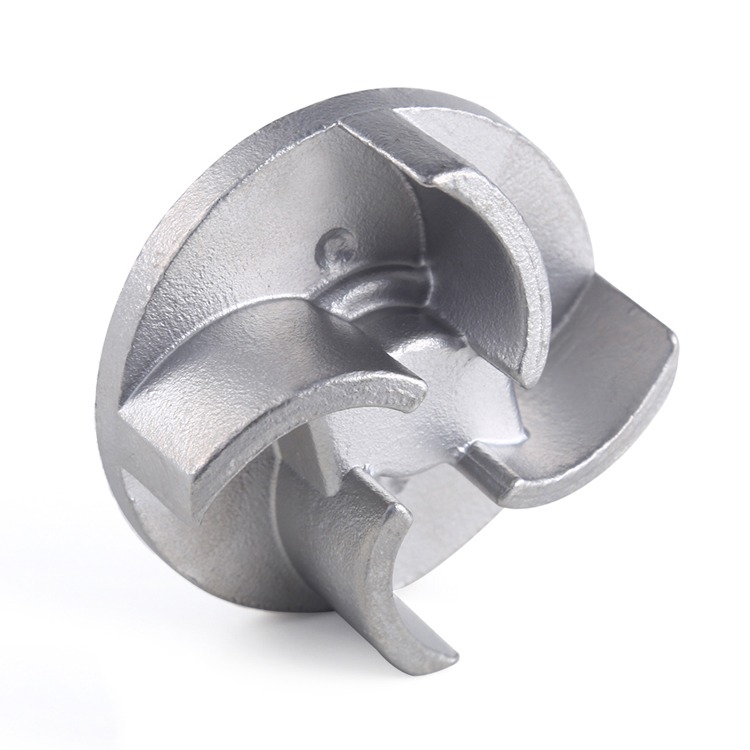
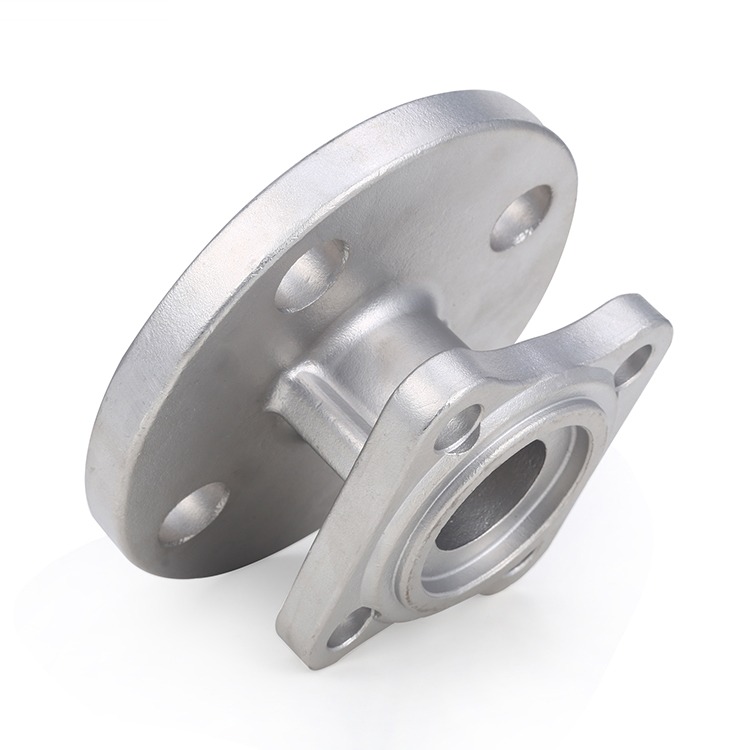
We supply high-precision metal die cast and machined components for pumps, valves, and pipe fittings, ensuring mechanical strength, leak-proof performance, and dimensional consistency across production batches.
1️⃣ Pressure-Bearing Structural Components
- Pump housings, valve bodies, end covers
- Impeller casings, internal flow chambers
- Load-bearing mounting brackets and structural supports
Requirements: High mechanical strength, pressure resistance, dimensional stability, and fatigue endurance
Manufacturing Solution: High-pressure die casting for robust structure; CNC machining for sealing surfaces and critical interfaces
Functional & Moving Components
- Valve spools, control rods, actuators
- Handles, levers, and mechanical interface parts
- Locking and motion-related elements
Requirements: Complex geometries, tight tolerances, smooth motion
Manufacturing Solution: Die casting for integrated features and basic geometry; multi-axis CNC machining for functional interfaces
Sealing & Protective Components
- Sealing flanges, mating surfaces, gaskets seats
- Covers, shields, and protective housings
- Pipe connectors and flange adapters
Requirements: Leak-proof interfaces, smooth surfaces, corrosion resistance
Manufacturing Solution: Precision die casting + CNC finishing, surface treatment (anodizing, powder coating)
Precision Assembly & Interface Features
- Alignment frames, datum bosses, and threaded interfaces
- Mounting holes, flanges, and assembly guides
Requirements: Consistent assembly fit, dimensional repeatability
Manufacturing Solution: HPDC for net-shape features; CNC machining for critical assembly tolerances and sealing surfaces
With integrated DFM, moldflow tooling, high-pressure die casting, CNC machining, surface finishing, and quality control, we ensure OEM customers receive reliable, leak-proof, and high-performance pump and valve components for every project.
Engineering DFM & Flow Simulation Support for Pump & Valve Metal Casting Components
Pump and valve components operate under internal pressure, dynamic flow, sealing requirements, and thermal variation. Early-stage engineering evaluation is critical to ensure pressure containment integrity, leak-free performance, and dimensional stability throughout volume production. Our DFM and flow simulation support focuses on pressure reliability, internal flow optimization, and process stability.
Pressure-Oriented Design Evaluation
We assess structural suitability for pressure-bearing applications, including:
- Wall thickness distribution based on pressure rating
- Reinforcement strategy around threaded ports and flanges
- Stress concentration zones near corners and junctions
- Structural response to cyclic pressure loading
- Machining allowance planning for sealing faces
- Integration of O-ring grooves and gasket seats
This evaluation ensures the die cast component meets pressure safety margins and mechanical durability requirements before tooling release.
Internal Flow & Solidification Simulation
Beyond basic filling analysis, simulation focuses on pressure-critical risks:
- Flow path behavior within complex internal cavities
- Potential turbulence-induced defects
- Shrinkage tendency in thick-to-thin transitions
- Gas entrapment near sealing zones
- Thermal gradients affecting sealing flatness
- Solidification timing near pressure-sensitive regions
Simulation results guide gate positioning, overflow layout, and cooling channel strategy, improving casting integrity and minimizing leak-related failures.
Sealing Surface & Functional Interface Engineering
Pump and valve components rely heavily on precise sealing performance. We verify:
- Flatness of mating flanges
- Parallelism of sealing faces
- Thread precision for pipe connections
- Concentricity of rotating interfaces
- Surface roughness control for gasket compression
Critical areas are strategically assigned to post-casting CNC machining to guarantee repeatable sealing reliability under operational pressure.
Process Stability for Pressure Applications
For fluid control components, dimensional variation directly impacts leak risk. Our process planning includes:
- Controlled thermal balance for minimal distortion
- Monitoring of porosity-prone regions
- Die temperature consistency management
- Machining datum control for assembly repeatability
- Statistical tracking of pressure-critical dimensions
This ensures stable mass production with predictable sealing performance and minimal field failure risk.
Tooling & Metal Casting Manufacturing Process for Pump & Valve Components
IEC Mould integrates tooling engineering, high-pressure die casting, CNC precision machining, surface protection, assembly validation, and dimensional inspection into a tightly controlled manufacturing system specifically developed for pump and valve applications.
Standard Manufacturing Workflow
- RFQ & drawing review
- DFM & feasibility confirmation
- Moldflow analysis
- Tooling design
- Tool steel selection & fabrication
- Mold trials
- Dimensional inspection
- HPDC mass production
- CNC machining & tapping
- Deburring & cleaning
- Surface finishing
- Final inspection & FAI reports
- Packaging & documentation
- Batch traceability & shipment
Tooling Capabilities
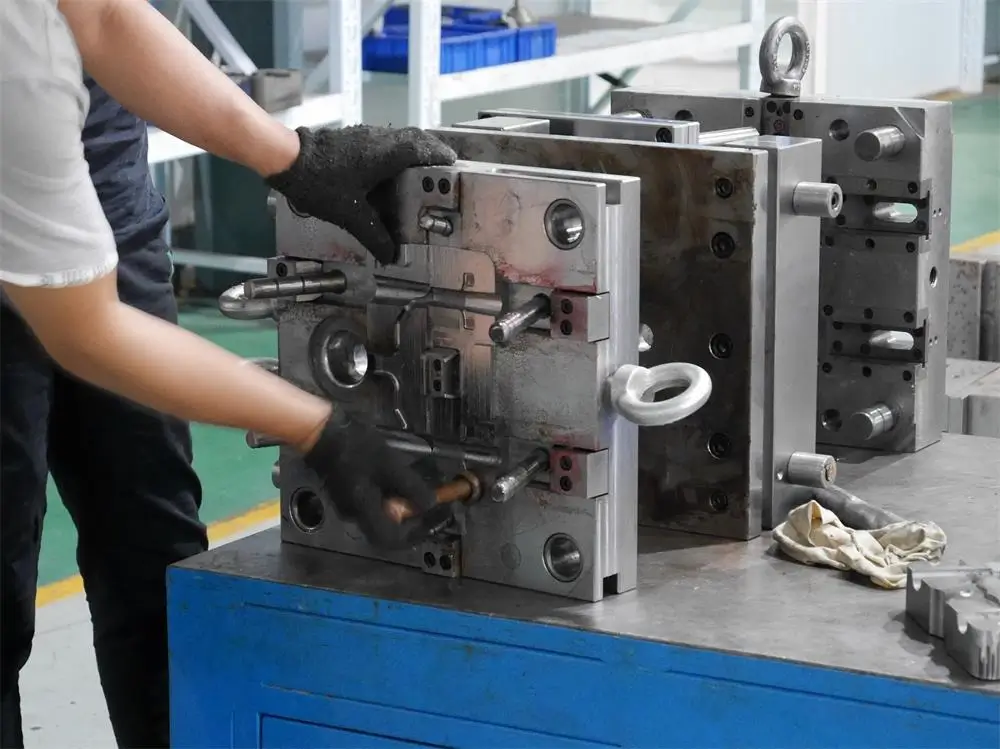
- Multi-slide tooling
- Thin-wall tooling
- Hot runner & vacuum venting
- Rapid cooling circuits
- Cavity pressure monitoring (when required)
- EDM, high-speed milling, and precision grinding
Die Casting Capabilities
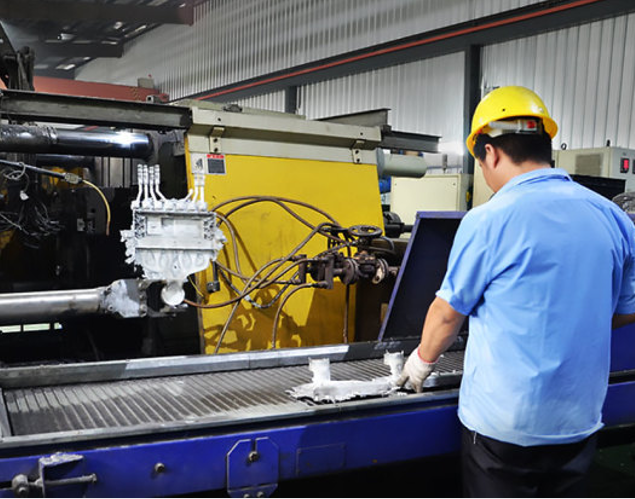
- HPDC from 80T to 1250T
- Vacuum assist for porosity reduction
- Water-cooling for dimensional stability
- Process control via temperature & shot monitoring
Secondary Operations
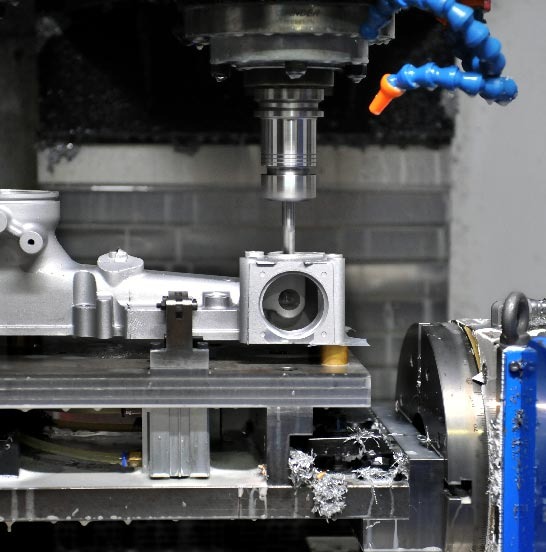
- CNC machining (3/4/5-axis)
- Turning
- Threading (M, UNC/UNF, MJ)
- Reaming & tapping
- Deburring & polishing
- Helicoil insert installation
CNC Machining for Pump & Valve Metal Casting Components
CNC machining is applied to pump and valve die cast components to achieve the precision, surface integrity, and dimensional control required for pressure containment and sealing performance. While high-pressure die casting provides near-net shape geometry, critical functional areas require secondary machining to ensure reliable assembly and leak-free operation.
CNC Equipment & Tolerance Control
- 3-axis, 4-axis, and 5-axis milling
- Swiss-type turning for shafts, pins, and small flow components
- Micro-hole drilling for internal flow channels or venting features
- Tapping, threading, and helical milling for pressure-rated connections
- ±0.01 mm tolerance control (feature-dependent)
Machinable Features for Pump & Valve Components
- Sealing faces and flange surfaces
- O-ring grooves and gasket seats
- Counterbores, countersinks, and threaded ports
- Chamfers, radius profiles, and flow interface features
- Bearing seats and rotating interfaces
- Alignment of concentric bores for rotating or moving parts
Surface Finishing & Burr Control
- Automated deburring and brush polishing
- Media tumbling for smooth flow channels
- Optional surface treatments: anodizing, powder coating, or corrosion-resistant plating
- Edge-break and radius control for sealing and assembly reliability
Documentation & Quality Validation
- 3D CMM dimensional reports
- First Article Inspection (FAI)
- PPAP (if required)
- Traceability and batch records
- Surface roughness verification of sealing faces and mating interfaces
- Material certification (incoming and outgoing)
General Tolerance Guidelines for Pump & Valve Metal Die Casting Components
The following tolerance ranges serve as general engineering references for pump and valve die cast components. Final tolerances are determined based on component geometry, operating pressure, material selection, tooling design, and post-casting machining requirements.
| Stage | Feature | Typical Tolerance |
|---|---|---|
| As-Cast (Die Casting Only) | Linear dimensions | ±0.10 – ±0.30 mm |
| Flatness per 100 mm of sealing surface | ≤ 0.25 mm | |
| Hole/port position | ±0.15 – ±0.20 mm | |
| After CNC Machining | Critical linear dimensions | ±0.02 – ±0.05 mm |
| Sealing faces / flange flatness | ≤ 0.03 – 0.05 mm | |
| Threaded ports / connections | ISO / ANSI standards | |
| Concentricity of rotating interfaces | ±0.02 mm |
Engineering Notes
- Tolerance requirements are reviewed during DFM and tooling design to ensure a balance between pressure performance, leak prevention, and manufacturability.
- Not all features require tight tolerances — CNC machining is applied only to pressure-critical surfaces, sealing areas, and functional interfaces, optimizing production efficiency and cost.
- Special attention is given to flange flatness, O-ring grooves, internal flow channels, and threaded connections, as these directly affect leak-free operation and long-term reliability.
Surface Finishing for Pump & Valve Die Metal Casting Components
Our surface finishing solutions enhance corrosion resistance, sealing reliability, and long-term durability for pump and valve die cast components.
Corrosion Protection
- Anodizing (Type II / III) for aluminum components
- Chromate conversion for conductive protection
- Suitable for water, HVAC, and industrial fluid environments
Result: Improved corrosion resistance and extended service life.
Protective Coatings
- Powder coating for housings and exposed structures
- Uniform thickness with abrasion and chemical resistance
- RoHS-compliant options available
Result: Durable surface protection in industrial applications.
Functional Surface Preparation
- Sandblasting / bead blasting for surface uniformity
- Brushing or polishing for sealing faces and flanges
- Surface roughness control for O-ring and gasket compression
Result: Reliable sealing performance and consistent assembly fit.
Identification & Traceability
- Laser marking for part numbers and flow direction
- Permanent, ink-free process
- No impact on dimensional tolerance
Result: Clear product identification and OEM traceability support.
Case Studies (Typical Pump & Valve Applications)
These examples demonstrate how early engineering involvement, die casting optimization, and process integration reduce manufacturing risk, enhance performance, and control total project cost for pump and valve components.
Case A: High-Pressure Pump Housing – Strength & Flow Optimization
Objective: Ensure pressure containment and flow efficiency while maintaining dimensional stability.
Material: Aluminum alloy
Manufacturing Method: HPDC with integrated thin-wall and rib structures; simulation for flow and solidification.
Key Engineering Focus:
- Wall thickness optimization for pressure resistance
- Reinforced flanges and mounting points
- Smooth internal flow channels to minimize turbulence
Result:
- Consistent sealing surfaces and leak-free operation
- Stable dimensional performance in mass production
- Improved flow efficiency and mechanical reliability
Case B: Corrosion-Resistant Valve Body – Cost & Durability Balance
Objective: Achieve chemical and corrosion resistance while controlling material use.
Material: Aluminum or zinc alloy
Manufacturing Method: HPDC with selective CNC machining of sealing faces; surface treatment for corrosion protection.
Key Engineering Focus:
- Optimized ribbing for rigidity with minimal material
- Precision sealing faces for O-rings and gaskets
- Controlled wall thickness for uniform solidification
Result:
- Reliable leak-proof operation under pressure
- Reduced material cost and weight
- Consistent quality for medium- to high-volume production
Why Choose IEC Mould for Your Pump & Valve Metal Casting Components
Pump and valve components require engineering-led design, pressure integrity, and reliable sealing. IEC Mould supports OEM programs from prototype to high-volume production with a one-stop Metal die casting solution.
Our Capabilities:
- DFM: Manufacturability, wall thickness, and sealing surface optimization.
- Tooling: Moldflow-driven die design for complex geometries.
- Die Casting: High-pressure aluminum/zinc casting with repeatable strength and dimensional stability.
- CNC Machining: Precision flanges, sealing faces, threads, and functional interfaces.
- Surface Finishing: Anodizing, powder coating, bead blasting, chromate conversion, and laser marking.
- Assembly: Fastening, insert installation, sub-assembly, and fit verification.
Benefit: Reduced engineering risk, consistent quality, cost control, and leak-proof performance across all pump and valve components.
Frequently Asked Questions (FAQ)
Can die casting parts withstand high-pressure fluid systems?
Yes. With proper structural design, alloy selection, and heat treatment (if required), die cast components can perform reliably under high internal pressure.
How do you prevent leakage in pump housings?
We use vacuum die casting, optimized gating systems, and pressure leak testing before shipment.
What tolerance can you achieve?
As-cast tolerance depends on part geometry, and CNC machining tolerance can reach ±0.01mm.
Can aluminum replace brass valve bodies?
In many applications, aluminum die casting can reduce weight and cost while maintaining sufficient strength and corrosion resistance.
Do you provide leak testing before shipment?
Yes. Air pressure and water immersion leak testing are available according to customer requirements.
Upload Your Drawing for Free Engineering Review
Looking for a reliable die casting partner for pump, valve, or pipe fitting components?
Send us your 2D drawings or 3D files today. Our engineering team will provide:
- 24-hour technical feedback
- DFM & cost optimization suggestions
- Tooling feasibility evaluation
- Competitive quotation