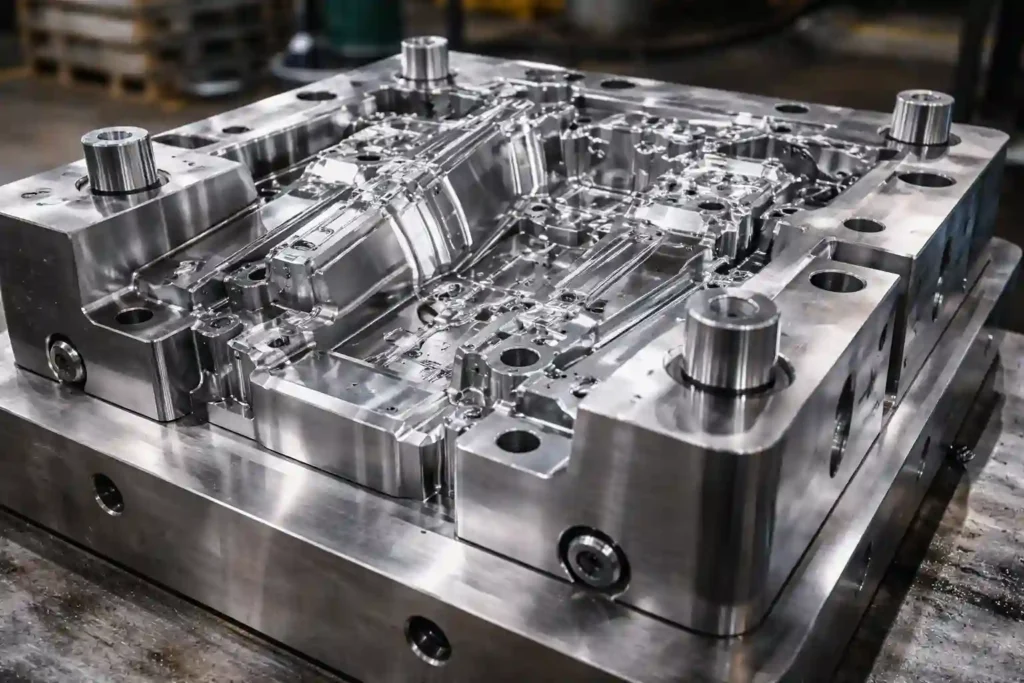
A professional die casting dies assembly consists of two primary halves: the fixed and movable plates. Key components of a high-quality die casting mold include the cavity, core, ejector pins, and slides. Choosing the right casting mold material (such as H13 steel) and focusing on die cast tool design are critical for achieving precision die casting results. Understanding these parts of die casting dies ensures the longevity of your mould die casting projects and optimizes your overall die cast molding costs.
Why Die Casting Dies Are the Heart of Your Production
As a buyer, you aren’t just purchasing a tool; you are investing in the “DNA” of your product. Whether you are looking for precision die casting for automotive parts or consumer electronics, the quality of your die casting dies dictates the final unit price and consistency.
A well-engineered die casting mold reduces flash, minimizes porosity, and speeds up cycle times. In this guide, we will break down the technical aspects of die cast tool design to help you make informed sourcing decisions.
The Core Anatomy of Professional Die Casting Dies
The structure of die casting dies is complex. To achieve high-tolerance precision die casting, every component must work in perfect harmony.
1. Fixed and Movable Halves
Every die casting dies set has a cover die (fixed) and an ejector die (movable). This is the foundation of mould die casting.
Aluminum Casting Design Tip: During the aluminum casting design phase, engineers must decide where the parting line falls on these two halves to avoid visible marks on your product.
2. Cavity and Core: The Shape of Success
These are the most critical parts of the die casting mold. The cavity creates the external “skin,” while the core creates the internal features. The precision of the cavity and core directly dictates the secondary processing costs. A high-quality tool with superior surface finish can reduce or even eliminate the need for CNC machining.
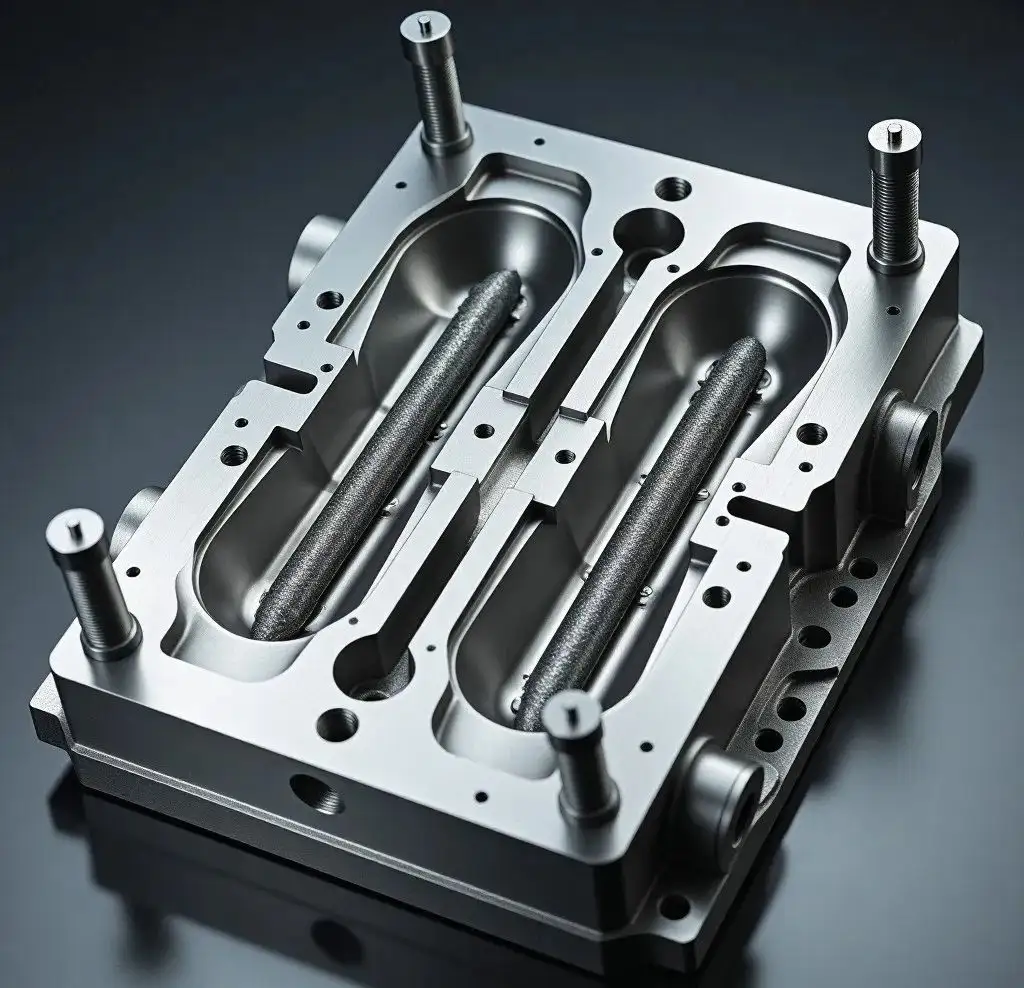
At IEC MOULD, we utilize advanced mirror EDM and high-speed CNC to ensure every die casting dies set meets the most stringent precision die casting requirements.
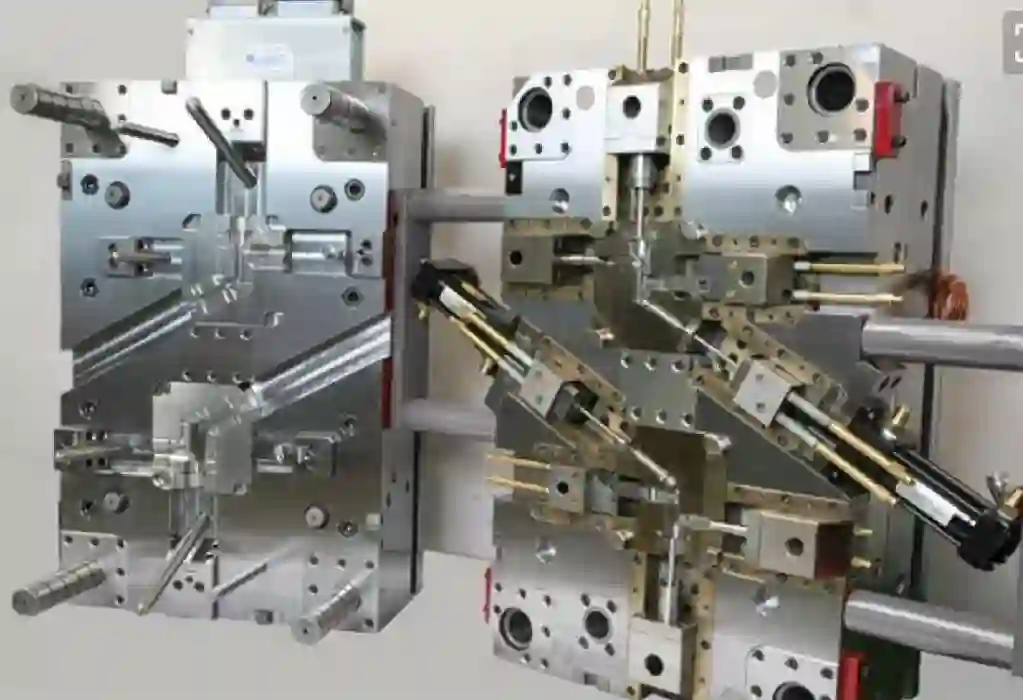
3. Slides and Side Actions
If your aluminum casting design includes undercuts or side holes, your die casting dies will require slides. These increase the complexity of the die cast tool design but eliminate expensive secondary drilling.
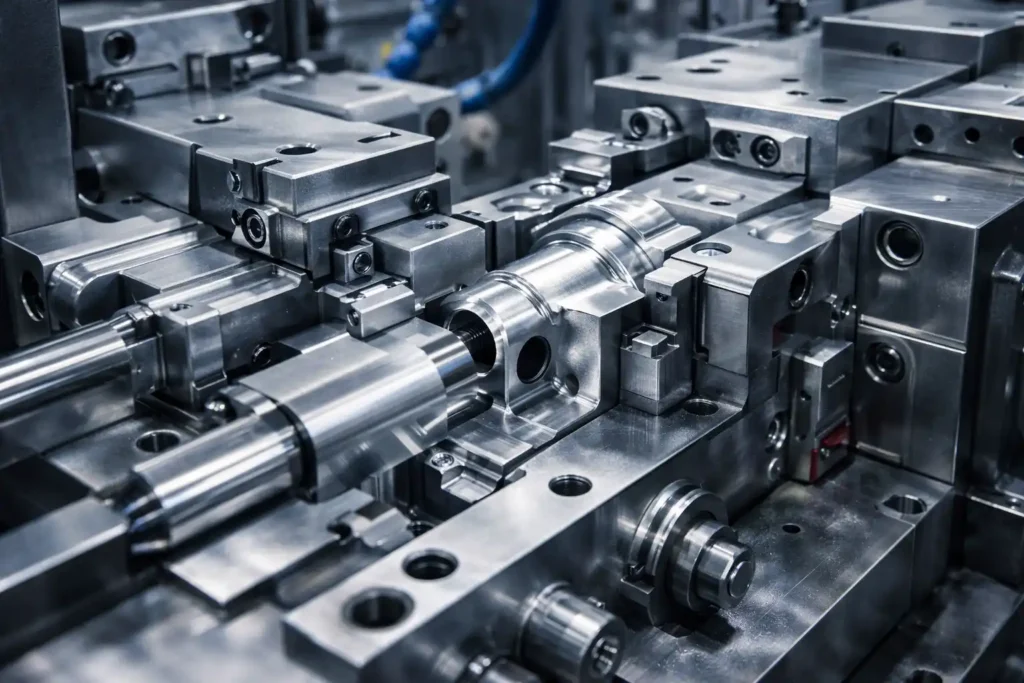
In our designs, we incorporate specialized wear plates and self-lubricating bushings. This ensures precision die casting over thousands of cycles and minimizes the risk of “galling”—a common issue that can ruin your production output.
Selecting the Right Casting Mold Material
The longevity of your die casting dies depends entirely on the casting mold material. Not all steels are created equal for mould die casting.
H13 / Premium H13: The industry standard for die cast molding.
Specialty Alloys: For precision die casting of magnesium or high-temp alloys, specialized casting mold material is required to prevent “heat checking.”
| Production Requirement | Recommended Casting Mold Material | Tool Life Expectancy |
| Low Volume (<5k) | Local H13 Steel | 30,000 shots |
| High Volume (50k+) | Premium 8407 / Dievar | 150,000+ shots |
How Die Cast Tool Design Influences Your Bottom Line
A cheap die cast tool design is often a trap. If the die casting dies lack sufficient cooling channels or venting, your scrap rate will skyrocket.
Thermal Management: Proper cooling in the die casting mold ensures the metal solidifies evenly. Optimized water lines can reduce cycle times by 15-20%, passing labor savings directly to you.
Advanced Venting: Beyond basic venting, for complex aluminum casting design requirements, we often integrate vacuum-assisted venting into our die cast tool design. This significantly reduces gas porosity, a hallmark of premium precision die casting.
Frequently Asked Questions about Die Casting Dies
Q: How long does a typical die casting mold last?
A: It depends on the casting mold material. A standard H13 tool typically lasts 100,000 to 150,000 shots for aluminum.
Q: Can I use the same die casting dies for both Zinc and Aluminum?
A: No. Due to different melting points and thermal properties, the die cast tool design must be specific to the alloy to ensure precision die casting results.
Q: How does die cast tool design affect the unit price?
A: A sophisticated die cast tool design that includes multi-cavity layouts and automated cooling can reduce cycle times by 20%. This significantly lowers the labor cost per part, offering you a more competitive piece price for high-volume precision die casting runs.
Buying Better Die Casting Dies
To get the best ROI on your mould die casting investment, focus on the details of the die casting dies. From the choice of casting mold material to the intricacies of aluminum casting design, every decision affects the final quality.
Prioritize precision die casting capabilities over the lowest initial price.
Insist on a detailed DFM (Design for Manufacturing) report regarding the die cast tool design.
Ensure your supplier uses certified casting mold material to extend the life of your die casting dies.
Investing in high-quality die casting dies is the only way to ensure long-term success in die cast molding. At IEC Mould, we combine expert aluminum casting design with advanced mould die casting technology to deliver world-class components.
Contact us today for a professional audit of your die cast tool design and a transparent quote for your next precision die casting project.