Selecting the right die casting alloys is the most critical decision for balancing performance and manufacturing costs. In 2026, the industry has shifted toward high-strength, lightweight, and sustainable materials. The top 5 die casting alloys that dominate modern production are:
Aluminum A380: The best all-rounder for thermal conductivity.
ADC12 (A383): Ideal for complex, thin-walled precision parts.
Magnesium AZ91D: The lightweight champion for NEV structural components.
Zinc Zamak 3: The go-to for high-precision tolerances (±0.05mm).
AlSi10Mg: Optimized for high ductility and mega-casting trends.
Whether you are designing NEV battery housings or high-precision industrial components, picking the wrong aluminum die casting materials leads to structural failure or 30% higher costs in post-processing. This guide breaks down the mechanical properties, cost-efficiency, and 2026 market trends to help you optimize your next project from the first draft.
Why Alloy Selection is More Critical in 2026
In 2026, the manufacturing landscape has moved beyond simple “cost-cutting.” With the explosive growth of New Energy Vehicles (NEV) and high-performance robotics, the weight of a component isn’t just a spec—it’s a direct link to battery range and energy efficiency.
Choosing the wrong die casting alloy today doesn’t just mean a slightly higher price tag; it could mean failing to meet 0.8mm wall thickness requirements. As a manufacturer specializing in aluminum die casting, we’ve seen how choosing the right aluminum for casting can reduce post-processing by 30% and eliminate “hidden costs” like high reject rates during CNC machining.
The Big 5: High-Performance Die Casting Alloys for 2026
1. Aluminum A380: The Unbeatable All-Rounder
If there were an “MVP” award for die cast aluminum alloys, Aluminum A380 would win it every year. It offers the best balance of mechanical properties, thermal conductivity, and cost-effectiveness.
Why Engineers Love It: It flows exceptionally well into complex molds, making it the most popular choice among aluminum die casting alloys.
2026 Insight: In an era of supply chain volatility, A380 remains the most stable and available option for those seeking high-quality aluminum die casting.
Best For: Gearbox cases, heat sinks, and brackets.
2. ADC12 (A383): The Solution for Intricate Designs
Often compared to A380, ADC12 is the specialist you call when your design gets complicated. Among various cast aluminum grades, ADC12 is known for its superior fluidity due to its higher silicon content.
The Difference: While A380 is great for general strength, ADC12 excels in thin-wall die casting. If your part has intricate cooling fins, this is one of the top aluminium grades for casting to consider.
Best For: 5G base station housings and complex high-precision engine components.
3. Magnesium AZ91D: The Lightweight Champion
“Lightweighting” is the ultimate buzzword of 2026. While many projects rely on aluminum die casting alloys, AZ91D (Magnesium) is the undisputed king of weight reduction. Being 33% lighter than aluminum and 75% lighter than steel, it is the secret weapon for engineers chasing every gram of efficiency in NEV structural parts.
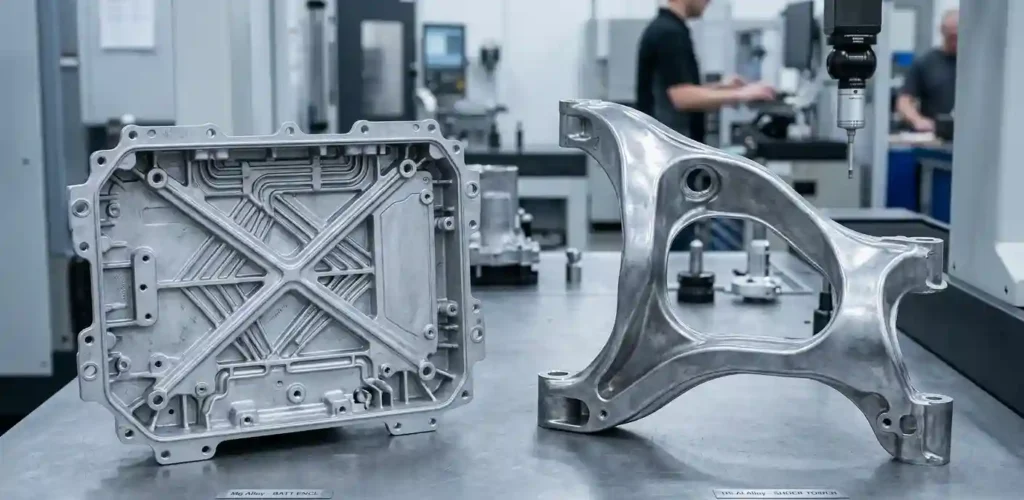
- Key Advantage: Beyond its weight, AZ91D offers the highest strength-to-weight ratio among common casting alloys. It also features exceptional damping capacity, which helps absorb vibrations and reduce noise—a critical requirement for modern electric vehicle interiors.
- 2026 Application: Ideal for steering columns, seat frames, and drone chassis where high stiffness and minimal weight are non-negotiable.
4. Zinc Zamak 3: Precision at Its Finest
When your tolerance is measured in microns, you turn to Zamak 3. Unlike standard aluminum for casting, Zinc allows for incredibly thin walls and complex miniature geometries that other metals simply cannot achieve.
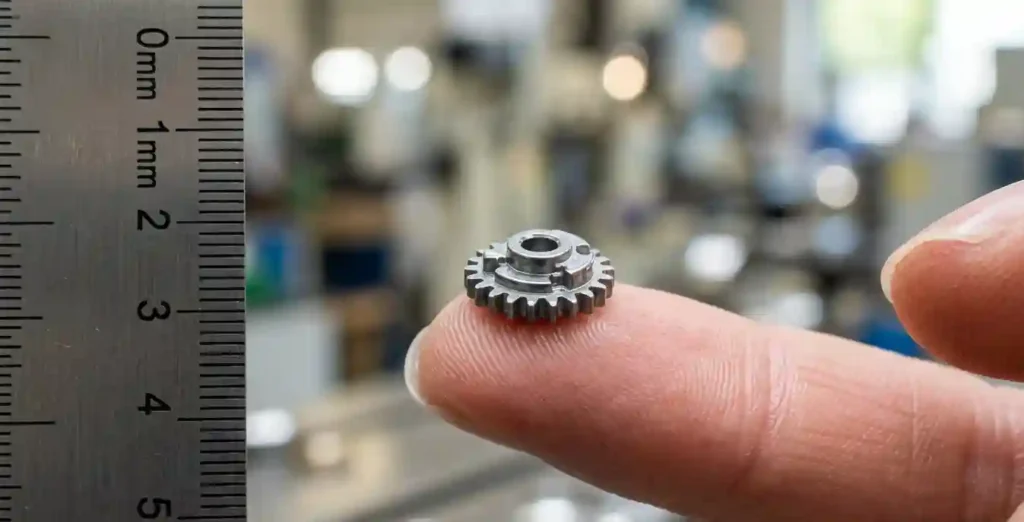
Tooling Longevity: One of the most significant business advantages of Zinc is its low melting point, which extends mold life significantly—often lasting over 1 million shots. This drastically lowers the “amortized cost per part” for high-volume production runs.
Superior Finishing: Zamak 3 provides an ultra-smooth surface out of the mold, making it the premier choice for decorative hardware or electronic components requiring premium plating or powder coating.
5. AlSi10Mg: The Future of High-Ductility Casting
Driven by the Mega-Casting (Giga Casting) trend, AlSi10Mg has emerged as a powerhouse among die casting alloys in 2026. This alloy bridges the gap between traditional casting and high-performance structural engineering.
Ductility & Strength: AlSi10Mg is prized for its high ductility and excellent thermal conductivity. Unlike traditional cast aluminum grades, it can be heat-treated to reach a tensile strength of over 340 MPa, making it comparable to many forged components.
The Integration Trend: In 2026, we see a massive shift toward using AlSi10Mg to replace multi-part welded assemblies. By casting one large, high-integrity structural component, manufacturers are reducing vehicle assembly time and improving overall crash safety.
Strategic Comparison Table: Alloys at a Glance
| Alloy Type | Density (g/cm3) | Tensile Strength (MPa) | Corrosion Resistance | Best Use Case (2026) |
| A380 (Al) | 2.71 | 324 | Good | General Industrial |
| ADC12 (Al) | 2.74 | 310 | Excellent | Complex Thin-Walls |
| AZ91D (Mg) | 1.81 | 230 | Moderate | NEV Lightweighting |
| Zamak 3 (Zn) | 6.60 | 283 | Excellent | Micro-Precision |
| AlSi10Mg | 2.65 | 340+ | Very Good | Structural / Mega-Casting |
Emerging Trends in Aluminum Die Casting Materials
The evolution of die casting alloys is also being driven by the push for Green Manufacturing. Customers are no longer just asking for standard aluminium grades for casting; they are asking for Low-Carbon Recycled Aluminum to meet corporate ESG goals.
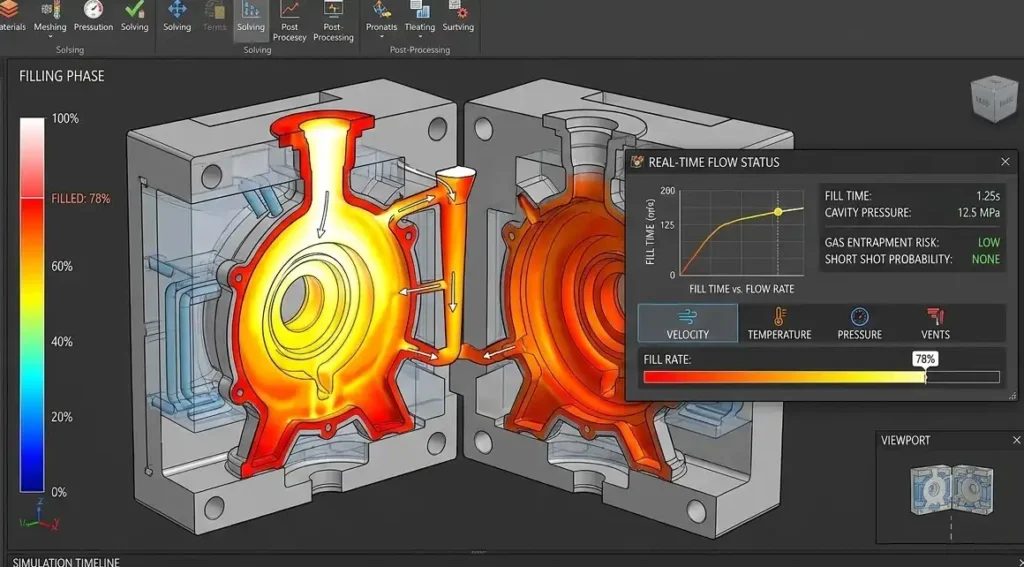
Additionally, AI-driven simulation has changed how we use these casting alloys. By simulating the flow of the metal in a “digital twin” before we even cut the steel mold, we are reducing trial waste by 50%.
2026 DFM Checklist for Alloy Selection
Before you finalize your CAD, ask yourself these 3 questions based on current cast aluminum grades:
Wall Thickness: Does your chosen alloy support your minimum wall (e.g., 0.8mm for Aluminum)?
Tooling Life: If you need 500k+ parts, have you considered the tool-saving benefits of Zinc over aluminum for casting?
Surface Finish: Your choice of die casting alloys will ultimately dictate your tool life and surface quality—will the part be powder-coated or anodized?
Choosing the Best Die Casting Alloys for Your Project
Choosing a die casting alloy isn’t just a technical spec—it’s a business strategy. In 2026, the right material can be the difference between a product that defines the market and one that gets left behind.
At IEC Mould, we are experts in aluminum die casting. From initial material evaluation to final high-precision machining, our team ensures your project meets the highest global standards for aluminum die casting alloys.
Ready to optimize your next project for 2026? [Contact our engineering team today for a free consultation on the best die casting alloys for your needs.]