
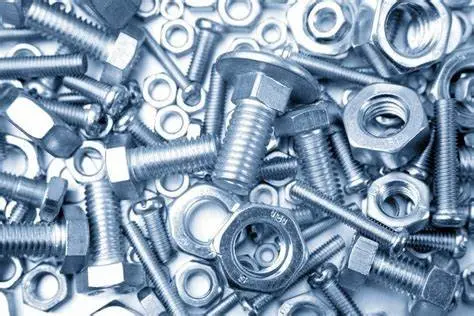
Surface finishing plays an important role in the durability, corrosion resistance, and appearance of metal components. Among various surface treatments, zinc plating is widely used because it provides reliable corrosion protection at a relatively low cost. Industries such as automotive, electronics, and industrial equipment frequently use zinc coatings to extend the service life of metal parts.
For manufacturers producing die-cast components, corrosion protection is especially important because many parts operate in humid or demanding environments. This is why zinc plating for die casting parts has become a common surface finishing solution. A thin zinc layer applied through electroplating can significantly improve resistance to rust while maintaining the appearance and functionality of the component.
In this guide, we will explain the process, coating thickness, benefits, and common applications of zinc plating for die casting parts, helping engineers and buyers understand when this finishing method is the right choice.
What Is Zinc Plating?
Zinc plating is an electroplating process that deposits a thin layer of zinc onto metal surfaces to improve corrosion resistance and durability. The zinc coating acts as a sacrificial layer, meaning it corrodes before the base metal and helps protect the underlying material from rust.
During the electroplating process, metal parts are immersed in a solution containing zinc ions while an electric current is applied. The electrical current causes zinc particles to bond to the surface of the metal component, forming a uniform protective coating.
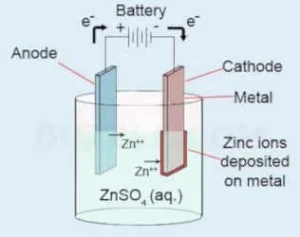
For many industrial components, especially die-cast products, this treatment provides an effective way to improve environmental resistance without significantly increasing manufacturing costs. The applied layer can protect metal surfaces from moisture, oxidation, and mild chemicals.
Another advantage is that electroplating can produce consistent coatings even on complex geometries. Die casting parts often contain ribs, cavities, and detailed features, and this electroplating process can cover these surfaces evenly. This makes it a practical solution for high-volume manufacturing where durability and consistent quality are required.
Why Zinc Plating Is Used for Die Casting Parts
Die casting components are widely used in industries where durability, corrosion resistance, and consistent appearance are important. Because many die-casting parts operate in environments exposed to humidity, air, or industrial chemicals, applying a protective surface finish is often necessary. This is why this particular electroplating method has become one of the most common finishing solutions in modern manufacturing.
1 Improve Corrosion Resistance
One of the main reasons manufacturers choose this process is its ability to protect metal surfaces from corrosion. Zinc acts as a sacrificial coating that corrodes before the base metal, helping prevent rust and extending the service life of the component.
2 Enhance Surface Appearance
This finishing method also improves the visual quality of metal parts. The coating creates a smooth and uniform metallic finish, which can make components look cleaner and more professional. Additional passivation treatments can further produce blue, yellow, or black finishes depending on the application.
3 Cost-Effective Protection
Compared with many other surface finishing methods, applying a zinc coating offers strong corrosion protection while keeping production costs relatively low. This balance of performance and affordability makes this treatment for die casting parts a practical option for many manufacturers.
4 Suitable for Mass Production
Electroplating processes can be easily integrated into large-scale manufacturing lines. This allows companies to apply consistent coatings to thousands of components efficiently, which is essential for industries with high production volumes.
Common zinc-plated die-casting parts include:
- brackets
- housings
- connectors
- fasteners
- automotive components
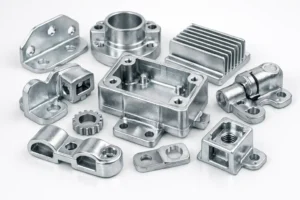
Zinc Plating Process for Die Casting Parts
The zinc electroplating process involves several controlled steps designed to create a uniform and durable protective coating on metal surfaces. For manufacturers, understanding the process helps ensure consistent quality and long-term corrosion resistance. When applied correctly, zinc plating for die casting parts can significantly improve product durability and performance.
Step 1 Surface Cleaning
Before plating begins, die casting parts must be thoroughly cleaned to remove oils, grease, and contaminants from the manufacturing process. This step is essential because any surface contamination can prevent the zinc coating from bonding properly to the metal.
Step 2 Acid Pickling
After cleaning, the parts are typically treated with a mild acid solution to remove oxide layers from the metal surface. This process, known as pickling, prepares the base material for electroplating by creating a clean and chemically active surface.
Step 3 Electroplating
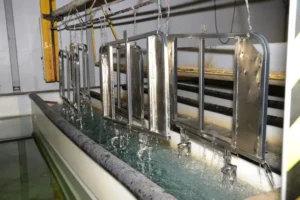
During the electroplating stage, the parts are immersed in an electrolyte solution containing zinc ions. An electric current is applied, causing zinc ions to deposit evenly onto the metal surface. This step forms the protective zinc layer used in zinc plating for die casting parts.
Step 4 Passivation Treatment
Once the zinc layer is applied, the parts often undergo passivation treatment. This process improves corrosion resistance and can also produce different surface colors such as blue, yellow, or black finishes.
Step 5 Drying and Inspection
Finally, the plated components are dried and inspected to ensure coating thickness, adhesion, and surface quality meet industry standards.
| Process Step | Purpose |
|---|---|
| Cleaning | Remove grease and contaminants |
| Pickling | Remove oxide layers |
| Electroplating | Deposit protective zinc coating |
| Passivation | Improve corrosion resistance |
| Inspection | Ensure coating quality |
Because of its efficiency and scalability, zinc plating can be easily integrated into high-volume manufacturing, making it a reliable finishing method for many industries.
Zinc Plating Thickness and Industry Standards
The thickness of a zinc coating is one of the most important factors determining corrosion protection and durability. For engineers and product designers, selecting the correct zinc plating thickness ensures that metal parts can perform reliably in different environments while maintaining cost efficiency. In many manufacturing applications, especially for zinc plating for die casting parts, the coating thickness must balance protection, appearance, and dimensional tolerance.
Different applications require different coating thickness levels depending on environmental exposure. Indoor components that operate in controlled conditions usually require thinner coatings, while automotive or outdoor parts often need thicker layers to improve corrosion resistance.
| Application | Typical Zinc Thickness |
|---|---|
| Indoor components | 5–8 µm |
| Automotive parts | 8–12 µm |
| Harsh environments | 12–25 µm |
In addition to coating thickness, manufacturers must also follow internationally recognized zinc plating standards to ensure quality and performance. Some of the most widely used standards include ASTM B633, which specifies requirements for electrodeposited zinc coatings on steel parts, and ISO 4042, which covers electroplated coatings for fasteners and mechanical components. Many modern plating processes are also designed to meet RoHS-compliant plating requirements, ensuring that hazardous substances are restricted in electronic and industrial products.
Following proper zinc plating standards helps manufacturers maintain consistent coating performance and ensures that zinc plating for die casting parts meets both engineering and regulatory requirements.
Types of Zinc Plating Finishes
Applying a zinc coating can produce different surface appearances depending on the passivation treatment applied after electroplating. These finishes not only affect the visual appearance of the component but can also influence corrosion resistance and product identification. For manufacturers using this finishing method for die casting parts, selecting the appropriate finish is important for both functional performance and product aesthetics.
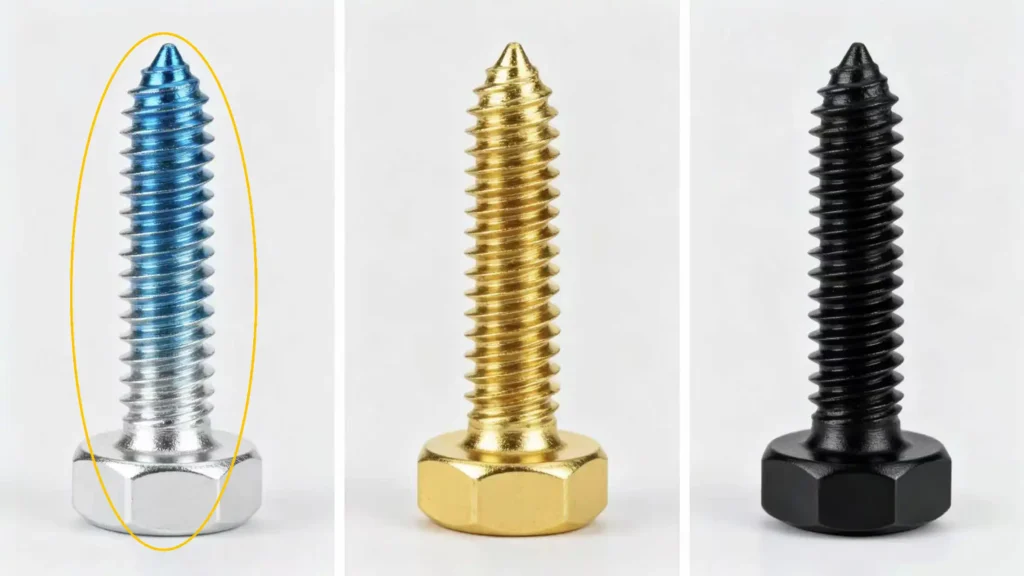
1 Blue Zinc Plating
Blue zinc plating is one of the most common finishes. It creates a bright silver or slightly bluish appearance and is widely used for electronic components, mechanical parts, and general industrial applications.
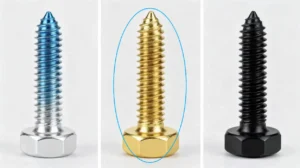
2 Yellow Zinc Plating
Yellow zinc plating is produced through chromate passivation that gives the surface a gold-like tone. This finish is commonly used in automotive parts because it provides good corrosion resistance and easy visual identification.
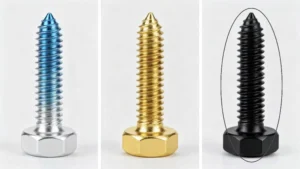
3 Black Zinc Plating
Black zinc plating produces a dark, matte appearance that is often chosen for decorative or aesthetic applications. It is also used in products where glare reduction or visual contrast is required.
| Finish | Appearance | Typical Application |
|---|---|---|
| Blue zinc | Bright silver | Electronics |
| Yellow zinc | Gold tone | Automotive |
| Black zinc | Dark finish | Decorative parts |
Different finishes allow manufacturers to tailor zinc plating to meet both functional and visual requirements across multiple industries.
Benefits of Zinc Plating for Die Casting Parts
Zinc plating is widely used in manufacturing because it provides a practical combination of protection, appearance, and affordability. For many industries, zinc plating offers an efficient surface finishing solution that improves product performance while maintaining reasonable production costs.
1 Excellent Corrosion Protection
One of the most important advantages of zinc plating is its ability to protect metal components from corrosion. Zinc acts as a sacrificial coating that corrodes before the base metal, helping prevent rust and extending the lifespan of the part even in humid or moderately corrosive environments.
2 Cost-Effective Surface Finish
Compared with many other surface finishes, zinc plating offers an excellent balance between cost and corrosion protection. This makes zinc plating for die casting parts particularly attractive for high-volume production where both performance and cost control are critical.
3 Improved Product Durability
Applying a zinc coating can significantly improve the durability of metal components. The protective layer helps reduce surface wear, oxidation, and environmental damage, allowing parts to maintain their structural integrity over longer periods of use.
4 Attractive Appearance
In addition to functional protection, zinc plating also improves the visual quality of components. The coating creates a clean, uniform metallic finish that enhances product appearance and can be further customized with different passivation colors for specific applications.
Zinc Plating vs Other Surface Finishes
When selecting a surface finishing method for metal components, engineers often compare several options based on corrosion resistance, cost, durability, and appearance. Although different finishes offer unique advantages, zinc plating is widely chosen because it provides reliable corrosion protection while maintaining relatively low production costs.
Compared with other finishing methods, zinc plating offers a practical balance between performance and affordability. Some coatings provide stronger corrosion resistance, but they may also involve higher costs or more complex production processes. For many industrial applications, zinc plating provides sufficient protection without significantly increasing manufacturing expenses.
The following table compares zinc plating with several common surface finishing options used for metal components.
| Surface Finish | Corrosion Resistance | Cost | Typical Application |
|---|---|---|---|
| Zinc plating | Medium | Low | Fasteners, brackets |
| Nickel plating | High | Medium | Decorative components |
| Chrome plating | Very high | High | Automotive trim |
| Powder coating | High | Medium | Outdoor equipment |
While nickel plating and chrome plating may offer stronger corrosion resistance in certain environments, they are typically more expensive and may require additional processing steps. Powder coating provides thick protective layers for outdoor equipment, but it may not be suitable for small precision components.
Because it combines corrosion protection, affordability, and production efficiency, zinc plating for die casting parts remains one of the most commonly used finishing methods in modern manufacturing.
Applications of Zinc Plated Die Casting Parts
Because of its reliable corrosion protection, cost efficiency, and consistent appearance, zinc plating is widely used across many industries. The protective zinc coating helps metal components resist rust while maintaining durability and visual quality. As a result, many manufacturers rely on zinc plating when producing components that must perform reliably in demanding environments.
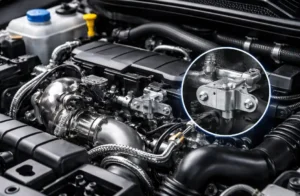
1 Automotive Industry
The automotive sector uses many metal components that require corrosion protection and long service life. Zinc plated die casting parts are commonly used for brackets, connectors, housings, and mounting components inside vehicles.
2 Electronics Industry
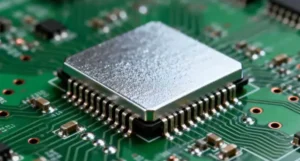
Electronic equipment often contains small metal components that require both corrosion resistance and a clean surface finish. Zinc plating helps protect connectors, electronic housings, and support brackets used in electrical assemblies.
3 Industrial Equipment
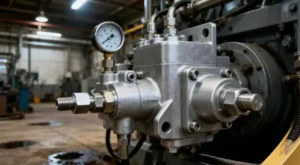
Industrial machinery frequently operates in environments exposed to humidity, dust, and chemicals. In these situations, zinc plating for die casting parts helps protect structural components and mechanical connectors from corrosion.
4 Consumer Products
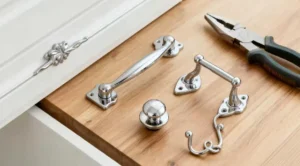
Many consumer products also rely on zinc plated components for durability and appearance. Household hardware, mechanical fittings, and small structural parts often use zinc plating to maintain both performance and visual quality.
Design Considerations for Zinc Plating
When designing metal components that require surface finishing, engineers must consider how the plating process will affect the final dimensions, durability, and overall performance of the part. Proper design planning helps ensure that zinc platingproduces consistent coating quality and reliable corrosion protection.
1 Avoid Sharp Corners
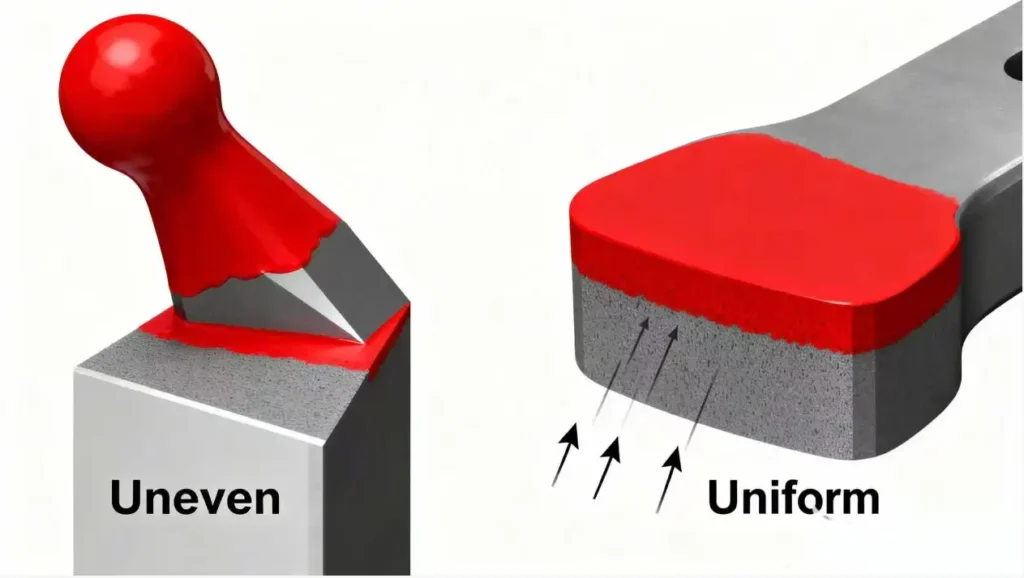
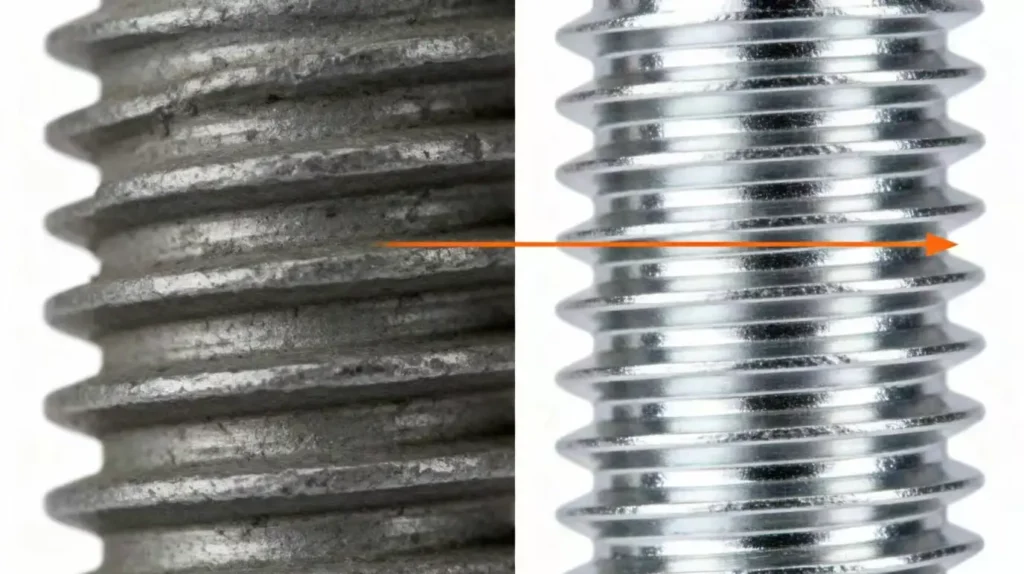
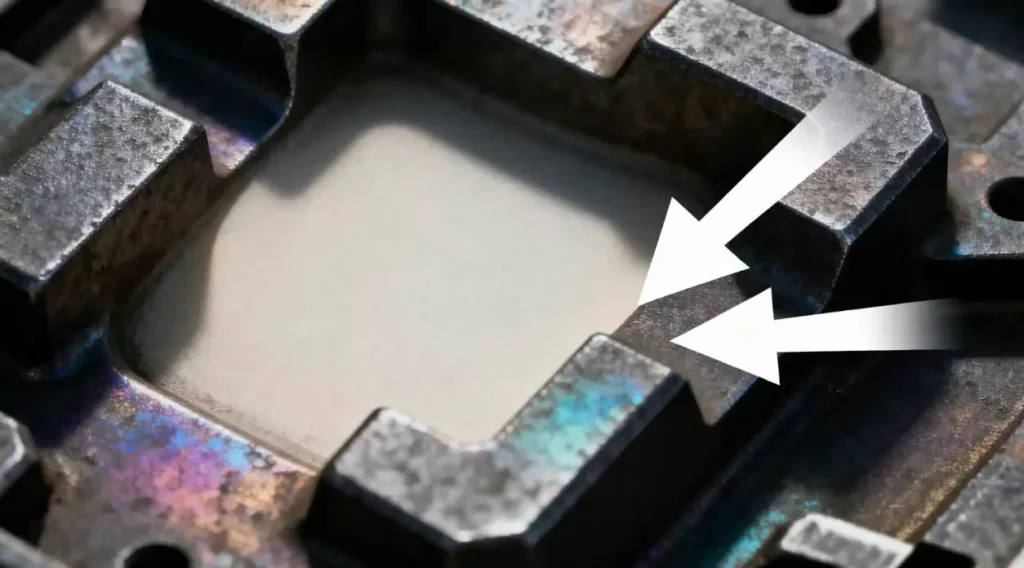
Sharp edges and corners can cause uneven coating distribution during electroplating. In many cases, zinc tends to accumulate on edges while thinner areas appear on flat surfaces. Using small radii or rounded edges helps create more uniform coatings.
2 Consider Plating Thickness
Although zinc coatings are relatively thin, designers should still account for plating thickness when defining dimensional tolerances. This is especially important for threaded parts or precision components where even small dimensional changes can affect assembly.
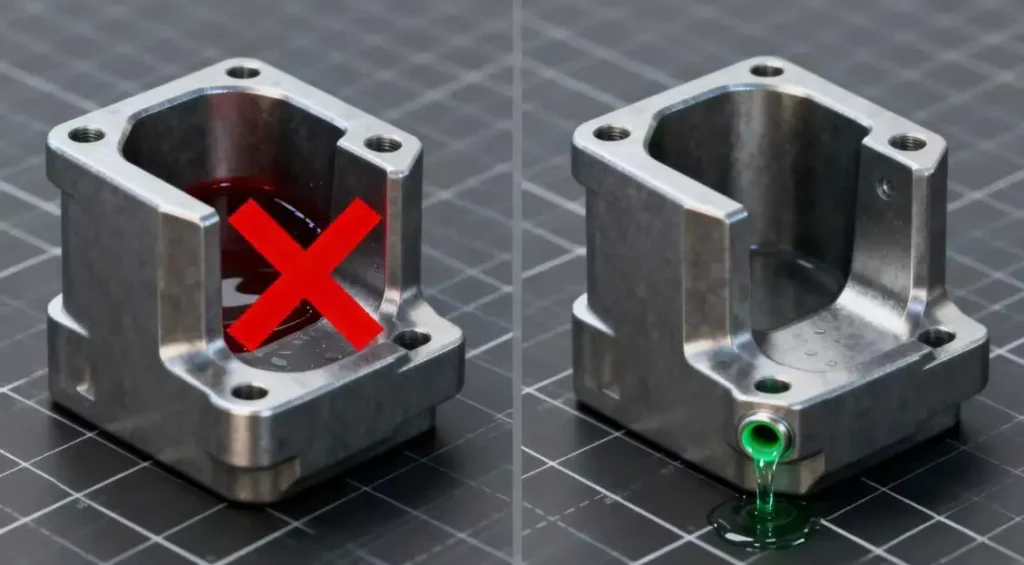
3 Ensure Proper Drainage
Die casting parts often include cavities or recessed areas. During plating and rinsing processes, trapped solutions can affect coating quality. Adding drainage holes or designing open structures can help improve plating results.
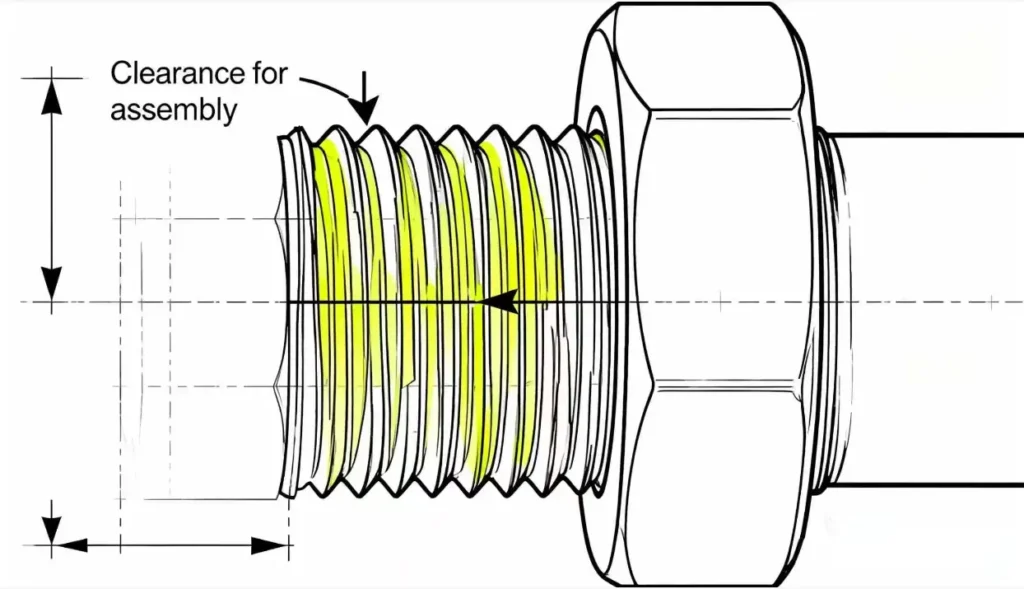
4 Thread Tolerance After Plating
Threads and mating surfaces may require adjusted tolerances because plating adds a thin layer of material. When designing threaded components, engineers often allow additional clearance to accommodate zinc plating without affecting assembly performance.
Common Zinc Plating Defects
Although zinc electroplating is a well-established process, certain defects may occur if surface preparation, plating parameters, or post-treatment processes are not properly controlled. Understanding these potential issues helps manufacturers maintain consistent quality when performing zinc plating.
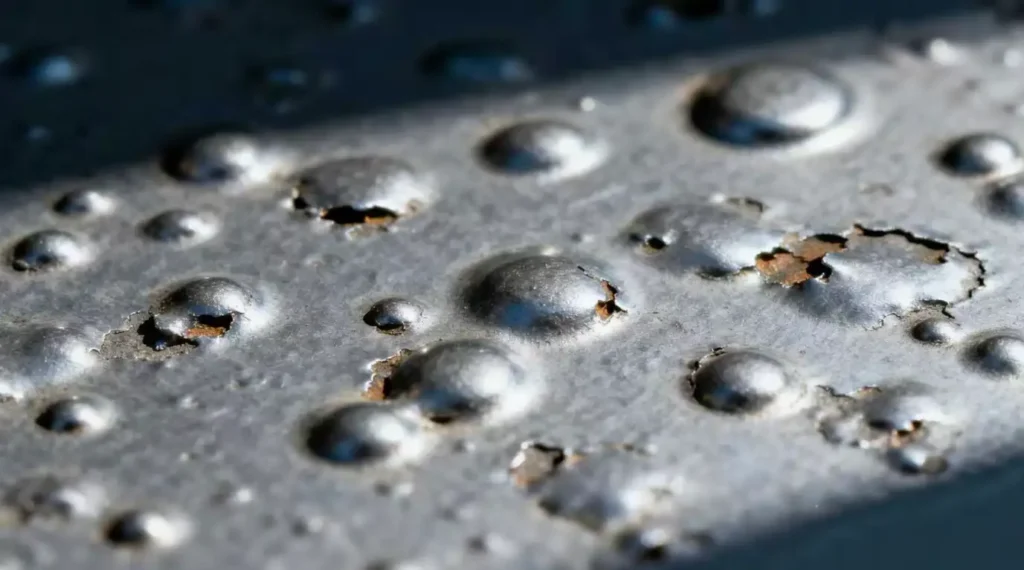
1 Blistering
Blistering occurs when small bubbles or raised areas appear on the plated surface. This defect is usually caused by poor surface cleaning before plating, which prevents the zinc layer from properly bonding to the base metal.
2 Peeling or Poor Adhesion
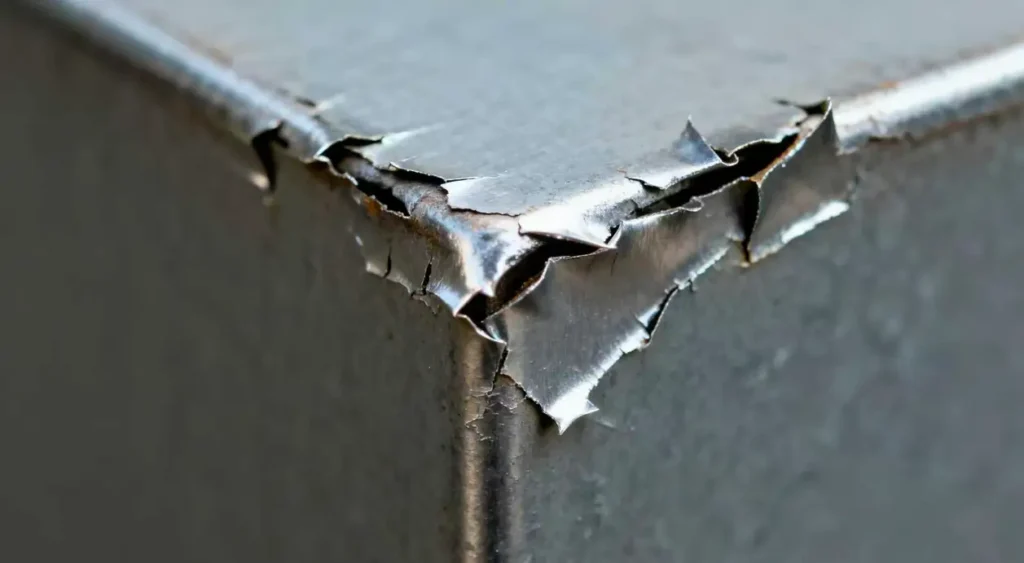
Peeling happens when the zinc coating separates from the metal surface. This issue can result from insufficient surface preparation, contamination, or incorrect electroplating conditions. Proper cleaning and controlled plating parameters are essential to avoid this problem during zinc plating.
3 Uneven Coating Thickness
In some cases, the zinc coating may appear thicker on edges and thinner on flat surfaces. This happens because electric current tends to concentrate on sharp edges during electroplating. Careful part design and controlled plating conditions can help improve coating uniformity.
4 Hydrogen Embrittlement
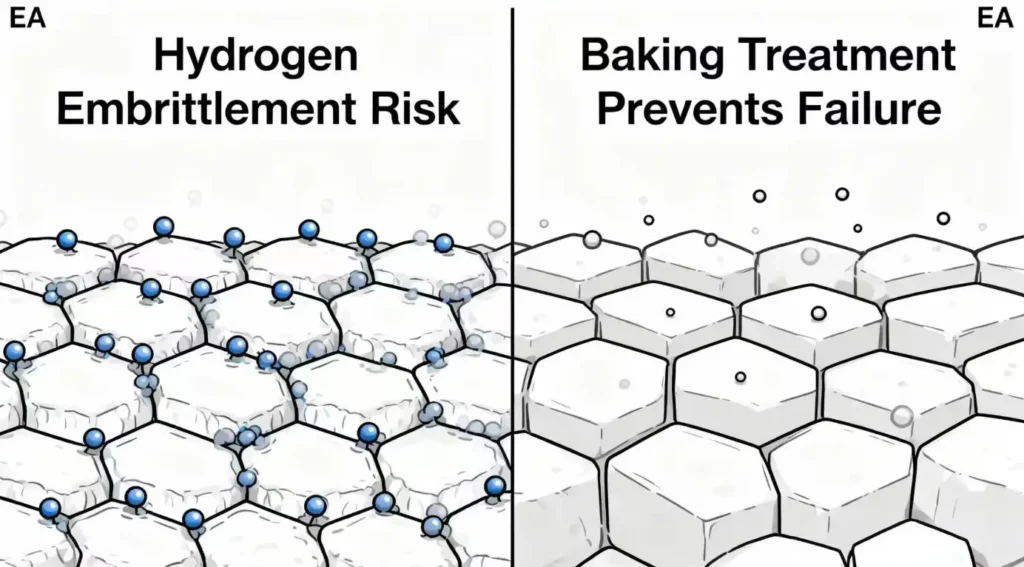
Hydrogen embrittlement is a potential concern for certain high-strength steel components. During electroplating, hydrogen atoms can penetrate the metal structure and reduce material toughness. Post-plating baking treatments are often used to minimize this risk.
FAQ
What is the difference between zinc plating and galvanizing?
Zinc plating and galvanizing both protect metal from corrosion, but they use different processes. Zinc plating applies a thin zinc coating through electroplating, while galvanizing uses hot-dip methods that create a thicker coating. For precision components, electroplating is often preferred because it produces thinner and more uniform coatings.
Does zinc plating prevent rust?
Yes, zinc plating helps prevent rust by acting as a sacrificial layer. Zinc corrodes before the base metal, protecting the underlying surface from oxidation. This sacrificial protection mechanism is one of the main reasons manufacturers use zinc plating for die casting parts in many industrial applications.
Is zinc plating suitable for outdoor use?
Zinc plating can be used outdoors, especially when combined with proper passivation treatments. However, in very harsh environments, thicker coatings or additional surface treatments may be required to improve corrosion resistance.
Can aluminum die casting parts be zinc plated?
In most cases, aluminum die casting parts require special pretreatment before electroplating. Because aluminum forms a natural oxide layer, additional surface preparation steps are needed to ensure proper adhesion of the zinc coating.
Conclusion
Zinc plating is one of the most widely used surface finishing methods for metal components because it provides reliable corrosion protection, consistent appearance, and cost efficiency. From automotive and electronics to industrial equipment, many manufacturers rely on zinc plating for die casting parts to improve product durability and extend service life.
By understanding the electroplating process, coating thickness standards, available finishes, and common design considerations, engineers can select the most suitable surface treatment for their applications. When applied correctly, zinc plating for die casting parts offers a practical balance between performance, production efficiency, and long-term reliability, making it an ideal finishing solution for many modern manufacturing industries.