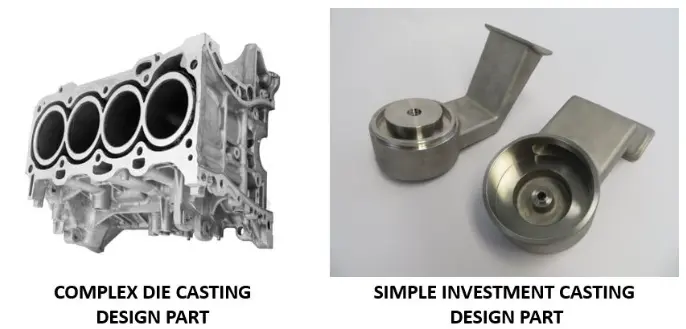
Metal casting is one of the most widely used manufacturing methods for producing complex metal parts. Among the many casting techniques available, die casting and investment casting are two of the most common processes used in modern manufacturing.
Although both methods involve pouring molten metal into molds, they differ significantly in production methods, materials, costs, and ideal applications. Choosing the right casting process can greatly influence manufacturing efficiency, part performance, and overall project cost.
In this guide, we explain the key differences between die casting vs investment casting, including how each process works, its advantages, cost considerations, and how to determine which process is best for your project.
Die Casting vs Investment Casting: Quick Comparison
Die casting and investment casting are both widely used metal casting methods, but they serve different manufacturing needs.
Die casting uses high pressure to inject molten metal into durable steel molds, making it ideal for high-volume production of aluminum, zinc, or magnesium parts.
Investment casting, also known as lost-wax casting, uses wax patterns and ceramic molds to produce complex metal parts with an excellent surface finish, often made from stainless steel or alloy steel.
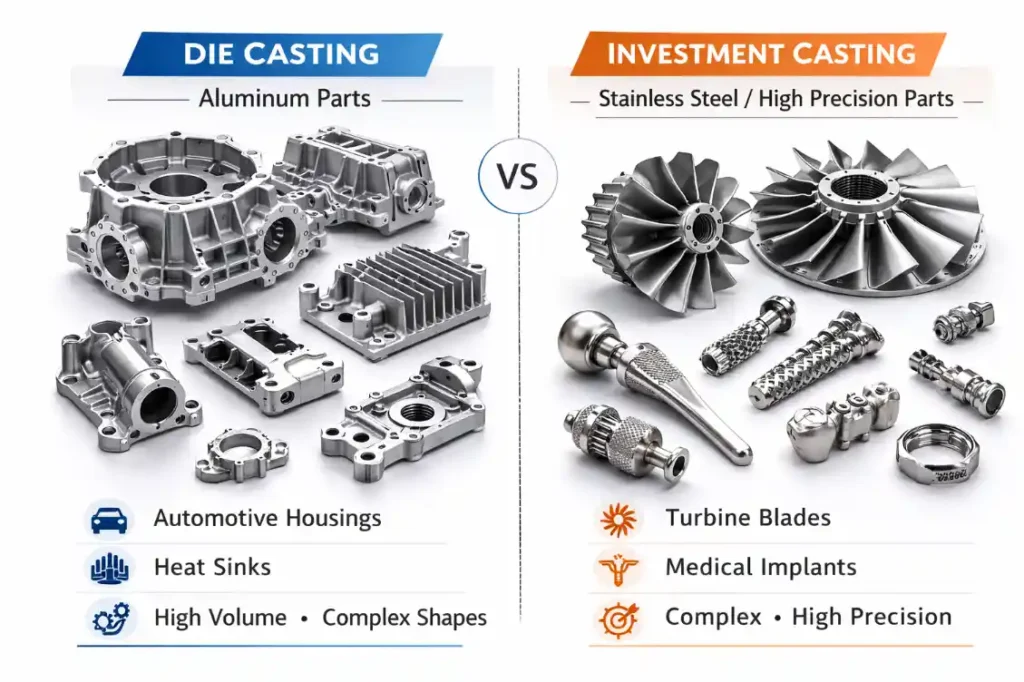
The table below summarizes the key differences between die casting and investment casting.
| Feature | Die Casting | Investment Casting |
|---|---|---|
| Process type | High-pressure molten metal injection | Wax pattern with ceramic mold |
| Best for | High-volume production | Complex low-volume parts |
| Common materials | Aluminum, zinc, magnesium | Stainless steel, carbon steel, alloys |
| Surface finish | Good | Excellent |
| Dimensional tolerance | Very tight | Tight |
| Production speed | Very fast | Slower |
| Tooling cost | High | Moderate |
| Part complexity | Medium to high | Very high |
What is Die Casting?
Die casting is a high-pressure metal casting process in which molten metal—typically aluminum die-casting alloys, zinc, or magnesium—is injected into hardened steel molds called dies. The metal rapidly solidifies within the mold, producing highly precise components with excellent repeatability.
Because steel molds can be used repeatedly for thousands or even millions of cycles, die casting is particularly suitable for large-scale manufacturing.
1 The Die Casting Process
The typical die casting process includes several key steps:
- Melting the metal alloy, typically aluminum, zinc, or magnesium
- Injecting molten metal into a steel die under high pressure
- Rapid cooling and solidification inside the mold
- Opening the mold and ejecting the casting
- Trimming excess material and performing finishing operations
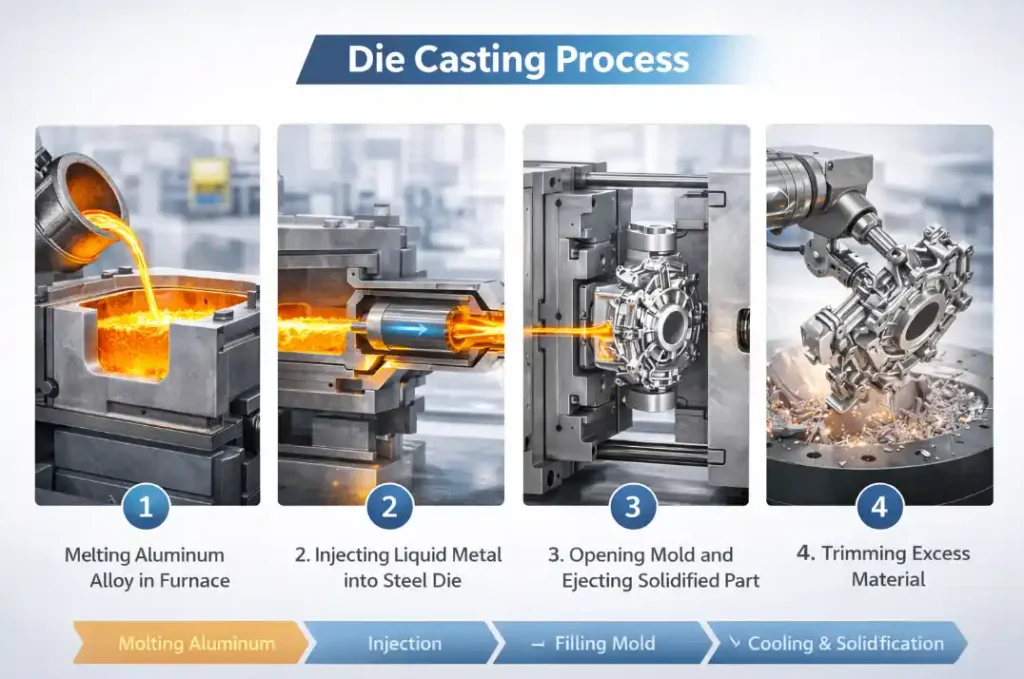
This process allows manufacturers to produce thin-walled components with complex shapes and consistent dimensional accuracy.
2 Advantages of Die Casting
Die casting provides several advantages for industrial production:
High production efficiency with short cycle times
Excellent dimensional accuracy and repeatability
Smooth surface finish that often requires minimal machining
Strong yet lightweight metal components
Lower unit cost for large production volumes
Because of these benefits, die casting is widely used in industries such as automotive, electronics, telecommunications, and consumer products.
3 Typical Die Casting Applications
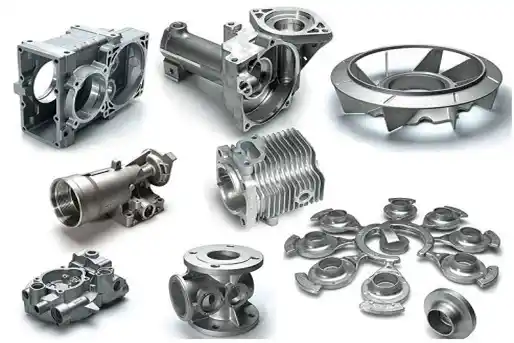
Common die casting products include:
Automotive housings and engine components
Transmission cases
Electronic enclosures
Heat sinks
Industrial brackets and housings
What is Investment Casting?
Investment casting, often referred to as lost-wax casting, is a precision casting method used to produce metal components with intricate shapes and excellent surface finish.
Unlike die casting, which uses permanent steel molds, investment casting relies on wax patterns coated with ceramic material to create disposable molds.
1 The Investment Casting Process
The investment casting process typically includes the following steps:
Creating a wax pattern of the part
Coating the wax pattern with ceramic slurry to build a shell mold
Heating the mold to remove the wax pattern
Pouring molten metal into the ceramic shell
Breaking the shell and finishing the metal casting
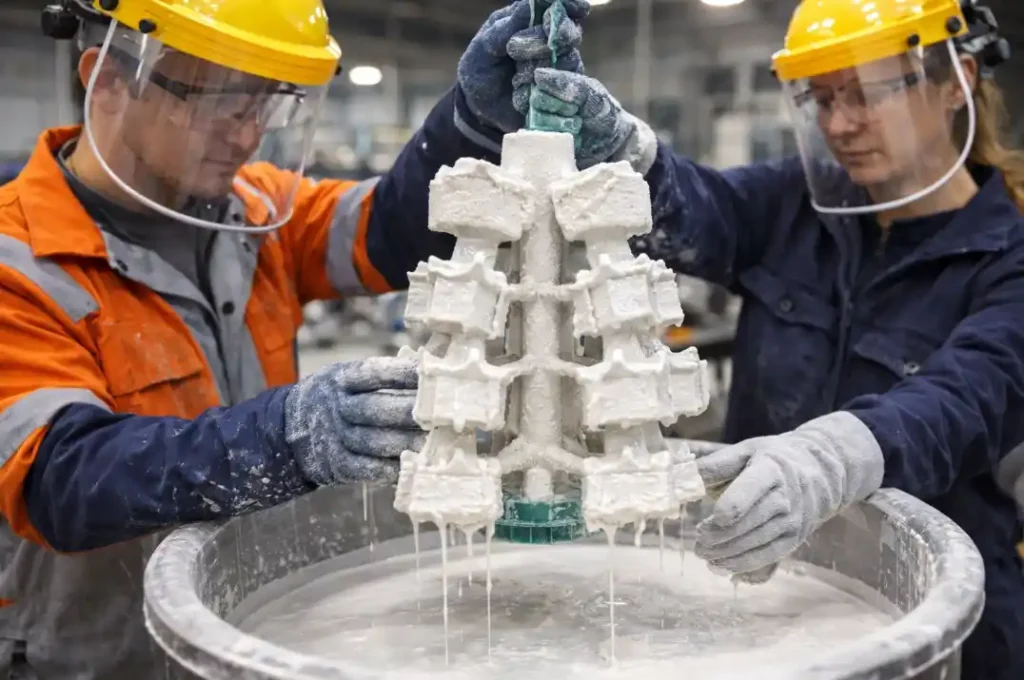
Because each mold is destroyed during the process, investment casting is generally slower but allows for greater design flexibility and material variety.
2 Advantages of Investment Casting
Investment casting offers several important advantages:
Excellent surface finish and fine details
Ability to produce complex geometries
Wide range of material options
Near-net-shape production that reduces machining
3 Typical Investment Casting Applications
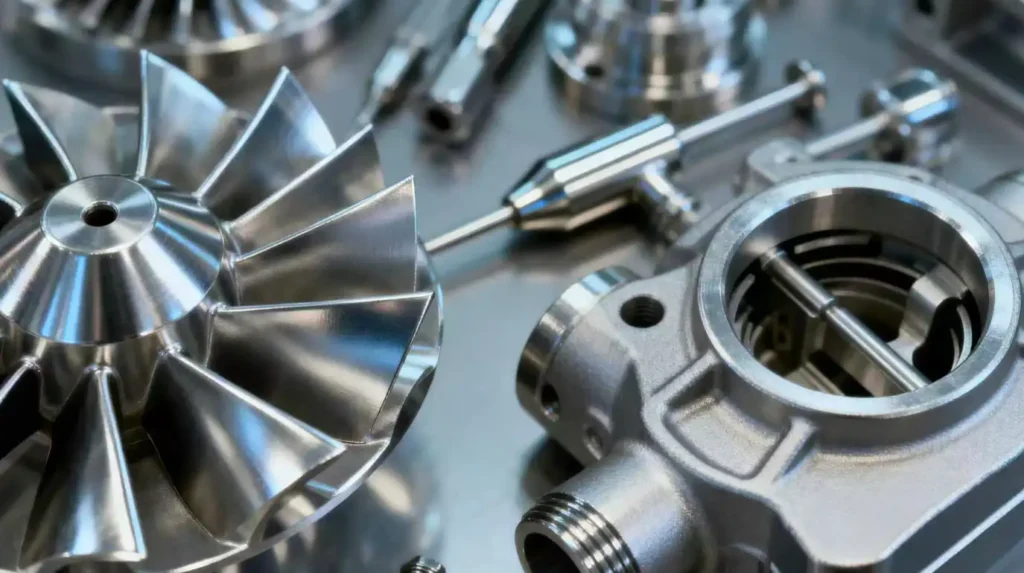
Investment casting is commonly used in industries such as:
Aerospace manufacturing
Medical equipment
Energy and power systems
Precision mechanical components
Core Differences: Die Casting vs Investment Casting
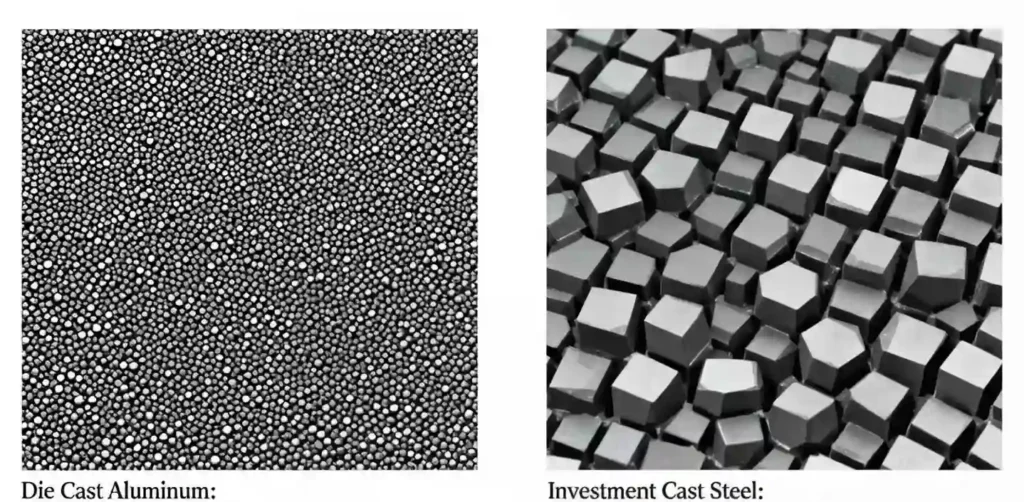
The main differences between die casting and investment casting include production method, material options, tooling cost, and ideal production volume. To fully grasp the technical differences, let’s delve deeper into die casting vs investment casting.
The main differences include:
Production method – Die casting uses high-pressure injection, while investment casting uses wax patterns and ceramic molds.
Production volume – Die casting is ideal for mass production, while investment casting is better for smaller batches.
Materials – Die casting mainly uses aluminum or zinc, while investment casting supports steel and many alloys.
Cost structure – Die casting requires higher tooling cost but lower unit cost at scale.
The table below provides a detailed comparison of these two casting processes.
| Factor | Die Casting | Investment Casting |
|---|---|---|
| Manufacturing method | Molten metal injected into steel molds | Wax pattern with ceramic shell |
| Production volume | High-volume production | Low to medium volume |
| Tooling | Durable steel dies | Ceramic molds |
| Tooling cost | High initial cost | Lower initial cost |
| Surface finish | Good | Excellent |
| Dimensional accuracy | Very consistent | Highly precise |
| Complexity | Medium to high | Extremely complex |
| Materials | Aluminum, zinc, magnesium | Steel, stainless steel, superalloys |
| Production speed | Very fast | Slower |
In general, die casting is optimized for mass production, while investment casting excels in producing complex parts with diverse materials.
Die Casting vs Investment Casting: Cost Comparison
Cost is one of the most important factors when selecting die casting vs investment casting for your project. While both methods involve tooling and production costs, their cost structures are quite different.
1 Tooling Cost
Die casting requires precision-machined steel molds designed to withstand high pressure. According to NADCA specifications, these molds can produce millions of parts over their lifespan when properly maintained. Although these molds have a higher initial cost, they can produce large quantities of parts over a long lifespan. Tooling investment is a major factor in die casting vs investment casting decisions.
Investment casting tooling is generally less expensive initially because it relies on wax patterns and ceramic molds.
2 Unit Production Cost
For large production runs, die casting typically offers a lower cost per part due to its high automation and fast production cycles.
Investment casting involves several manual steps, such as shell building and wax removal, which increases the per-part cost.
3 Production Efficiency
Die casting machines can produce parts in seconds per cycle, enabling extremely high productivity.
Investment casting involves multiple preparation stages, resulting in significantly longer production times.
Ultimately, the cost-effectiveness of die casting vs investment casting depends on production volume and part complexity.
Die Casting vs Investment Casting: Which Process Is Better?
Neither die casting nor investment casting is universally better. When evaluating die casting vs investment casting, it’s important to consider multiple factors. The best choice depends on several key factors, including material requirements, production volume, part complexity, and overall manufacturing cost.
In general, manufacturers select different casting processes based on their specific project needs.
Choose die casting if:
High-volume production is required
Aluminum, zinc, or magnesium alloys are used
Fast production cycles are important
Low unit cost is critical for large-scale manufacturing
Choose investment casting if:
The part geometry is extremely complex
Steel, stainless steel, or high-temperature alloys are required
Production quantities are relatively small or medium
Superior surface finish and fine details are needed
In short, die casting is ideal for large-scale production of non-ferrous metal parts, while investment casting is better suited for complex components made from steel and specialty alloys.
Understanding these differences helps manufacturers select the most efficient casting process for their specific application.
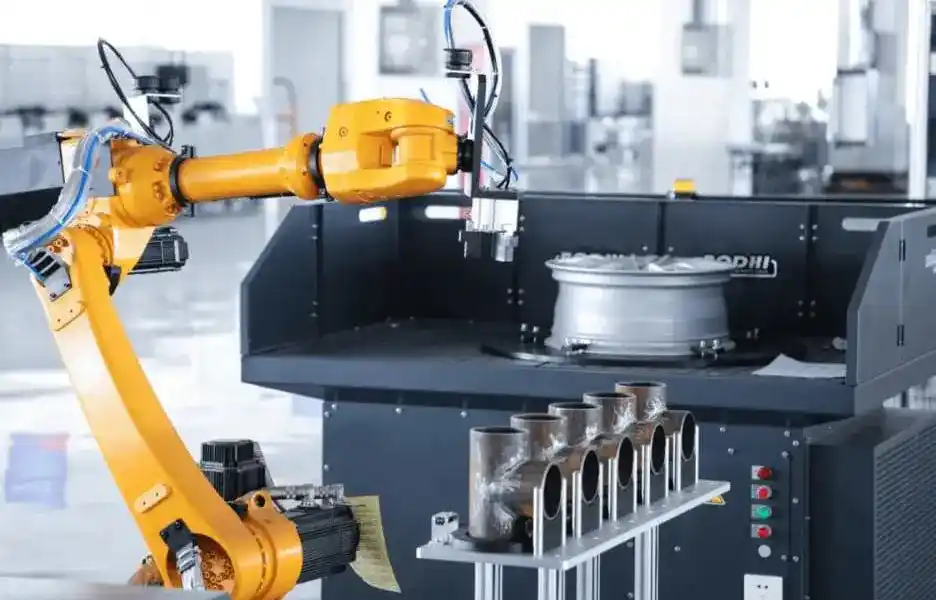
When to Choose Die Casting
Die casting is typically selected when manufacturers need large quantities of precise aluminum or zinc components.
This process is ideal when:
Production volume is high
Tight tolerances are required
Thin wall structures are needed
Consistent quality across many parts is important
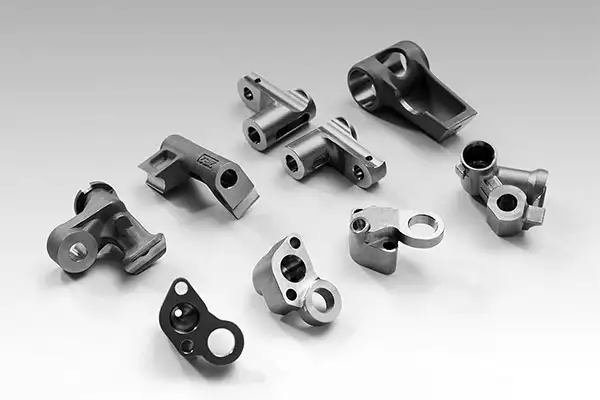
When to Choose Investment Casting
Investment casting is suitable for producing complex metal components with high detail and flexible material options.
Manufacturers often choose investment casting when:
Part geometry is highly complex
Steel or high-performance alloys are required
Production quantities are relatively small
Minimal machining is preferred
Die Casting vs Investment Casting: Application Comparison
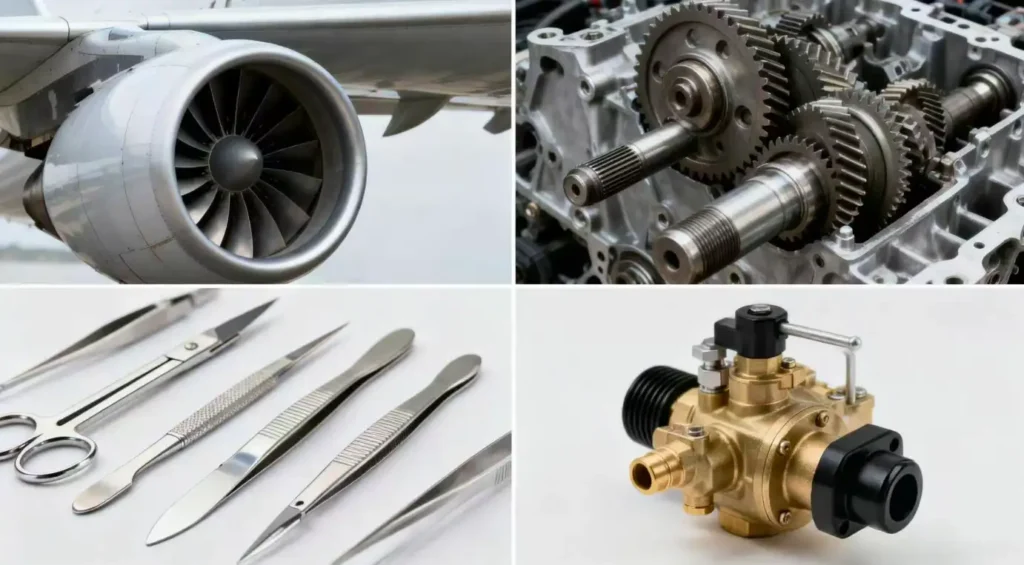
Different casting processes are better suited for different industries and product requirements. The table below shows how die casting and investment casting are commonly used across various sectors.
| Industry | Die Casting Applications | Investment Casting Applications |
|---|---|---|
| Automotive | Engine housings, transmission cases, brackets | Turbocharger components, valve parts |
| Electronics | Heat sinks, electronic enclosures | Precision connectors, specialty housings |
| Aerospace | Structural aluminum components | Turbine blades, high-temperature parts |
| Industrial equipment | Pump housings, gearboxes | Valve bodies, complex mechanical parts |
| Consumer products | Appliance housings, lighting components | Small precision hardware |
These industry examples demonstrate the practical implications of choosing die casting vs investment casting.
In general, die casting dominates high-volume aluminum component production, while investment casting is widely used for complex steel components.
Surface Finish and Tolerance Comparison
Surface quality and dimensional accuracy are important considerations when weighing die casting vs investment casting.
| Feature | Die Casting | Investment Casting |
|---|---|---|
| Surface roughness | Good | Excellent |
| Typical tolerance | ±0.05–0.1 mm | ±0.1–0.2 mm |
| Machining requirement | Minimal | Minimal to moderate |
| Thin wall capability | Excellent | Moderate |
| Detail reproduction | High | Very high |
Both processes can produce near-net-shape components, reducing the need for extensive machining.
Die Casting vs Investment Casting: Production Speed Comparison
Production efficiency is another major difference when analyzing die casting vs investment casting.
| Production Factor | Die Casting | Investment Casting |
|---|---|---|
| Cycle time | Seconds per part | Hours or days |
| Automation level | Highly automated | Partially manual |
| Mass production capability | Excellent | Limited |
| Lead time for new molds | Moderate | Shorter |
For high-volume manufacturing, die casting generally offers significantly higher productivity.
FAQ About Die Casting vs Investment Casting
What is the main difference between die casting and investment casting?
The main difference between die casting and investment casting is the manufacturing method. Die casting uses high-pressure injection of molten metal into steel molds, while investment casting uses wax patterns and ceramic molds to create complex parts.
Which process is more cost-effective?
For large production volumes, die casting is usually more cost-effective because the high tooling cost can be spread across many parts.
For small batches or highly complex parts, investment casting may be the better option.
Which process provides better surface finish?
Investment casting generally provides a better surface finish and finer details, while die casting offers excellent dimensional consistency and smooth surfaces suitable for most industrial applications.
Die Casting vs Sand Casting: How Do They Compare?
Another common comparison in metal manufacturing is die casting vs sand casting. While both methods are used to produce metal parts, they differ significantly in production efficiency, surface finish, and suitable applications.
Die casting uses permanent steel molds and high-pressure metal injection, making it ideal for high-volume production with excellent dimensional accuracy.
Sand casting, on the other hand, uses sand molds that are destroyed after each casting. This method is more flexible for large parts and low production volumes, but it typically results in rougher surface finishes and wider tolerances.
| Feature | Die Casting | Sand Casting |
|---|---|---|
| Mold type | Permanent steel mold | Sand mold |
| Production volume | High | Low to medium |
| Surface finish | Smooth | Rougher |
| Dimensional accuracy | High | Moderate |
| Production speed | Fast | Slower |
| Typical materials | Aluminum, zinc | Iron, steel, aluminum |
Conclusion
Both die casting and investment casting are important metal manufacturing processes, each offering unique advantages.
Die casting is ideal for high-volume production of aluminum or zinc parts with excellent dimensional accuracy and cost efficiency.
Investment casting is better suited for complex geometries, steel materials, and lower production quantities.
By understanding the differences between these two casting methods, manufacturers can choose the most suitable process to meet their performance, cost, and production requirements.
If you are evaluating die casting vs investment casting for your next project, our engineering team can help you determine the most suitable manufacturing solution.