
The cost of aluminum die casting housing typically ranges from $1 to $50+ per part, while tooling (mold) costs usually range from $3,000 to $50,000+. The final price depends on factors such as part size, complexity, production volume, material, and finishing requirements.
But here’s something many buyers don’t realize:
Two die casting housings that look almost identical can have a 3–5× price difference.
Why does this happen?
In this guide, we’ll break down the real factory cost structure, share actual project examples, and show you how to reduce your cost before production even starts.
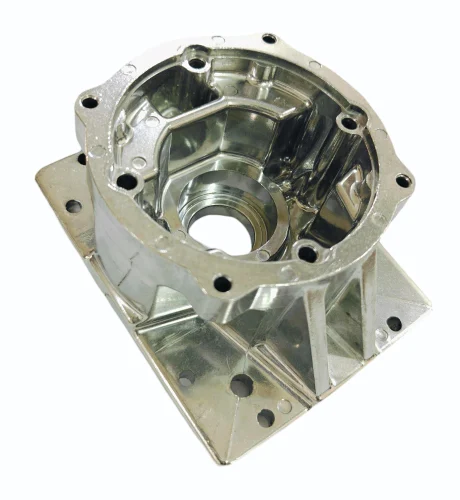
| Housing Type | Typical Price |
|---|---|
| Small electronics housing | $1 – $3 |
| Industrial housing | $5 – $15 |
| Automotive housing | $10 – $30 |
| EV / complex housing | $30 – $80+ |
What Is Aluminum Die Casting Housing & Why Is It Widely Used?
Aluminum die casting housing refers to protective enclosures manufactured using high-pressure die casting, typically used to protect internal components such as motors, electronics, or power systems.
You’ll commonly find these housings in applications like motor housings, controller enclosures, and electric vehicle battery systems. These parts must handle heat, vibration, and mechanical stress while maintaining tight dimensional accuracy.
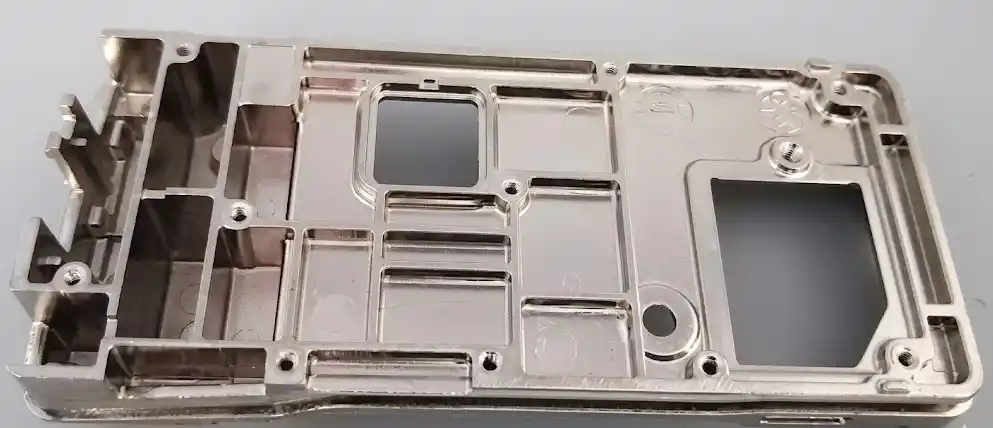
That’s where die casting stands out. It allows manufacturers to produce complex shapes with high precision, excellent surface finish, and strong mechanical properties—all at scale.
However, while die casting offers clear advantages, its cost structure is often misunderstood. Let’s break it down step by step.
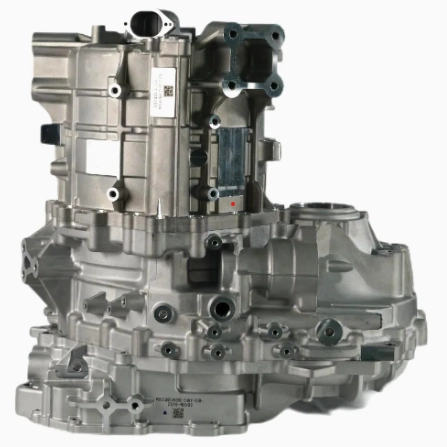
How Much Does Aluminum Die Casting Housing Cost?
To understand the real cost, you need to look beyond just the unit price. A complete die casting housing project includes multiple cost components.
1. Tooling Cost (Mold Cost)
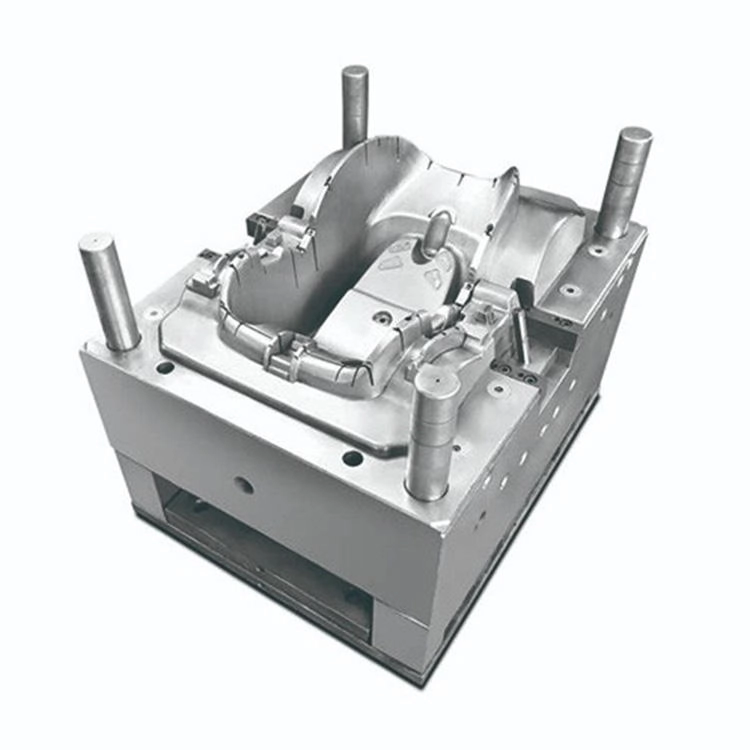
Tooling is usually the largest upfront investment. For aluminum die casting housing, mold costs typically range from $3,000 to $50,000+.
The variation depends on part complexity. A simple housing may require a basic mold, while a complex design may include slides, lifters, and advanced cooling systems, significantly increasing the cost.
At IEC Mould, we focus on optimizing mold design early in the process to eliminate unnecessary complexity—helping customers reduce initial investment while maintaining quality.
2. Material Cost
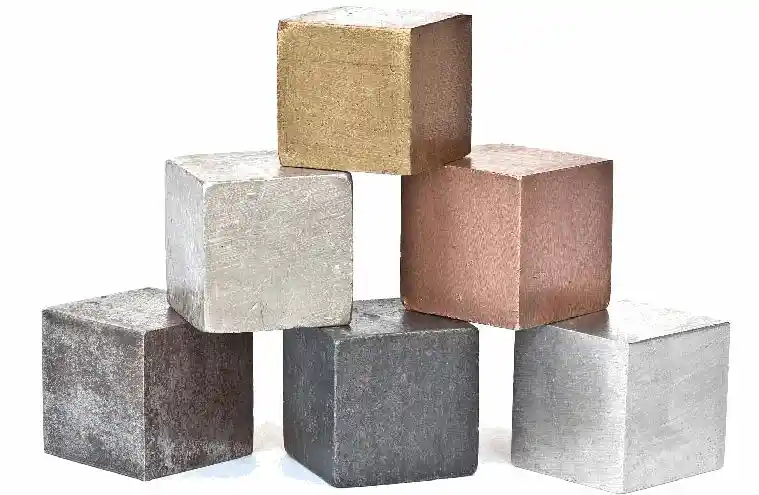
Material cost depends mainly on the aluminum alloy and part weight. Common alloys include ADC12 and A380, both offering a good balance of strength and castability.
Since pricing is typically calculated per kilogram, even small changes in wall thickness or design can directly impact material cost.
3. Die Casting Production Cost
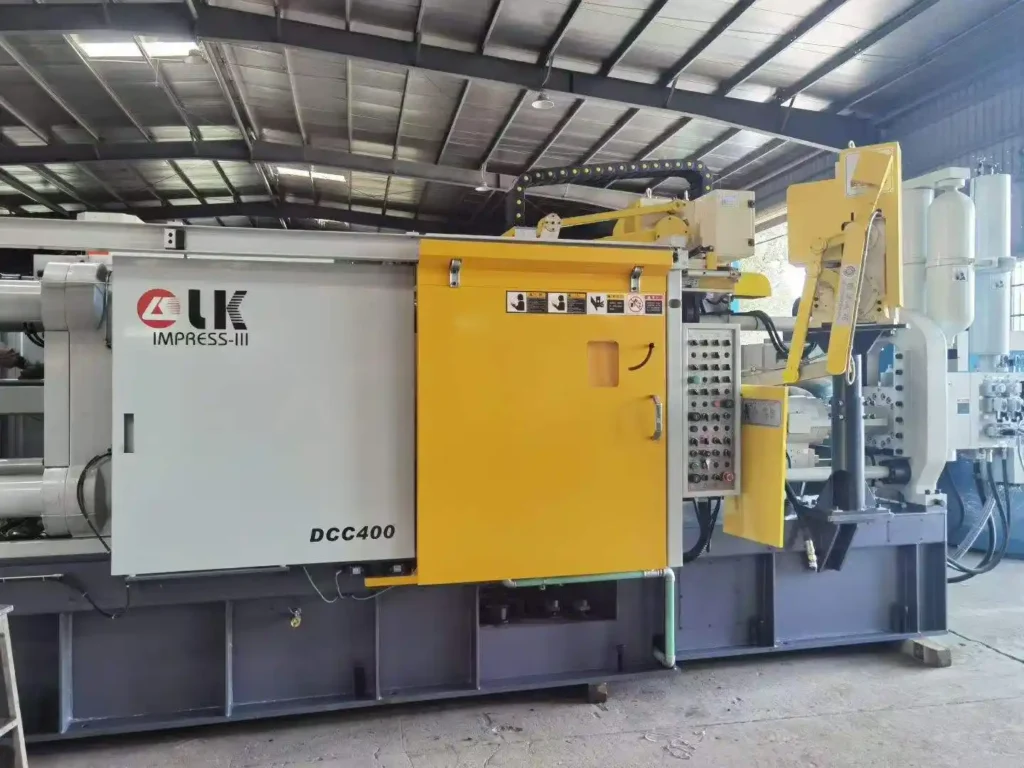
Production cost is influenced by machine tonnage and cycle time.
Larger parts require higher tonnage machines, which increases cost. At the same time, cycle time plays a critical role. A part that takes 60 seconds per cycle can cost nearly twice as much as one produced in 30 seconds.
This is why process optimization is essential for cost control.
4. CNC Machining Cost
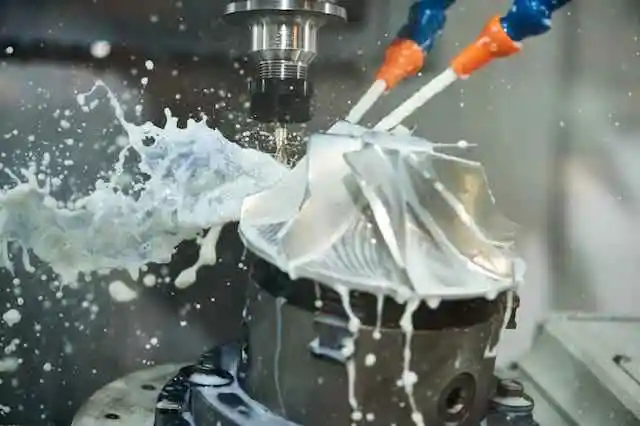
Most aluminum die casting housings require secondary machining for precision features such as sealing surfaces, threads, or critical dimensions.
In many cases, poor casting design can increase machining costs by 30–50%. That’s why experienced manufacturers provide DFM (Design for Manufacturability) feedback before production begins.
At IEC Mould, we work closely with customers to minimize unnecessary machining while ensuring functional performance.
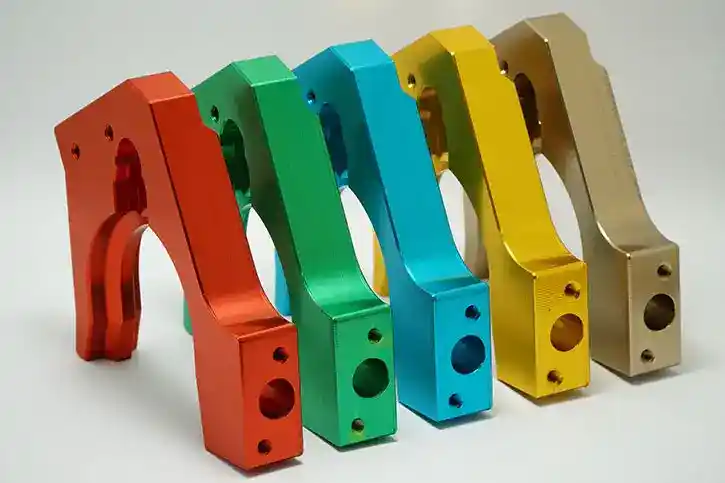
5. Surface Treatment Cost
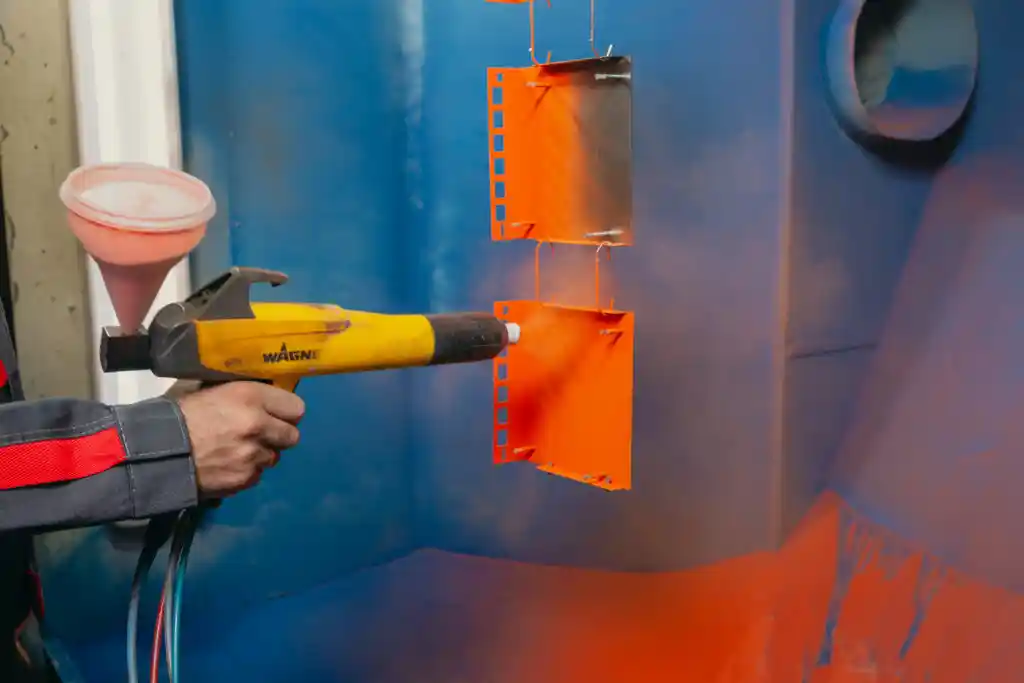
Depending on application requirements, die casting housings may need surface treatments such as powder coating, anodizing, or sandblasting.
These processes improve corrosion resistance, appearance, and durability, but also add to the total cost.

6. Quality Inspection Cost
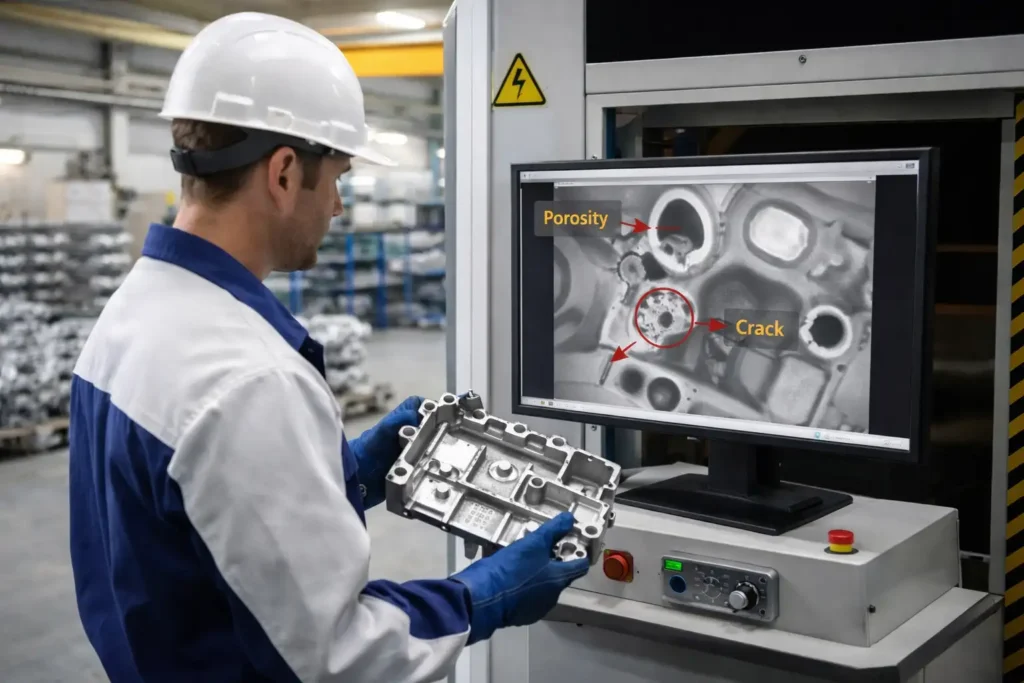
For high-performance applications, inspection is a critical part of the cost structure.
Processes such as X-ray inspection and leak testing are commonly used to ensure internal integrity and sealing performance—especially for automotive and EV components.
While inspection adds cost, it significantly reduces the risk of failure in the field.
Real Cost Examples (From Actual Projects)
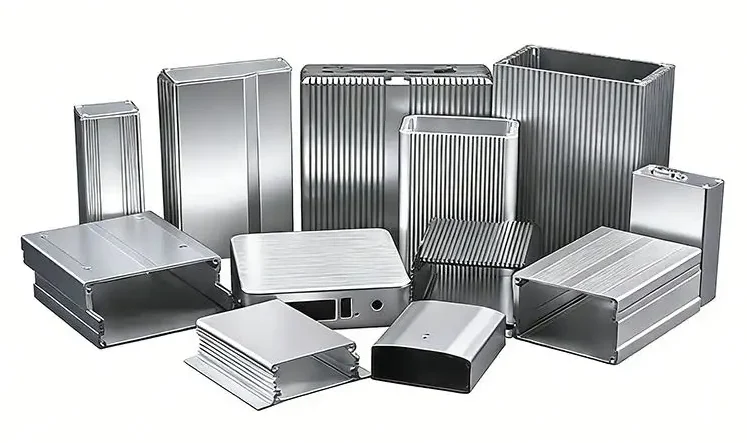
Case 1: Small Electronics Housing
A small die csting housing used in electronic devices, with a size of around 80 mm and a production volume of 10,000 pieces, typically costs around $1.5 per unit. The low cost is mainly due to its simple structure and high production volume.
Case 2: Automotive Motor Housing
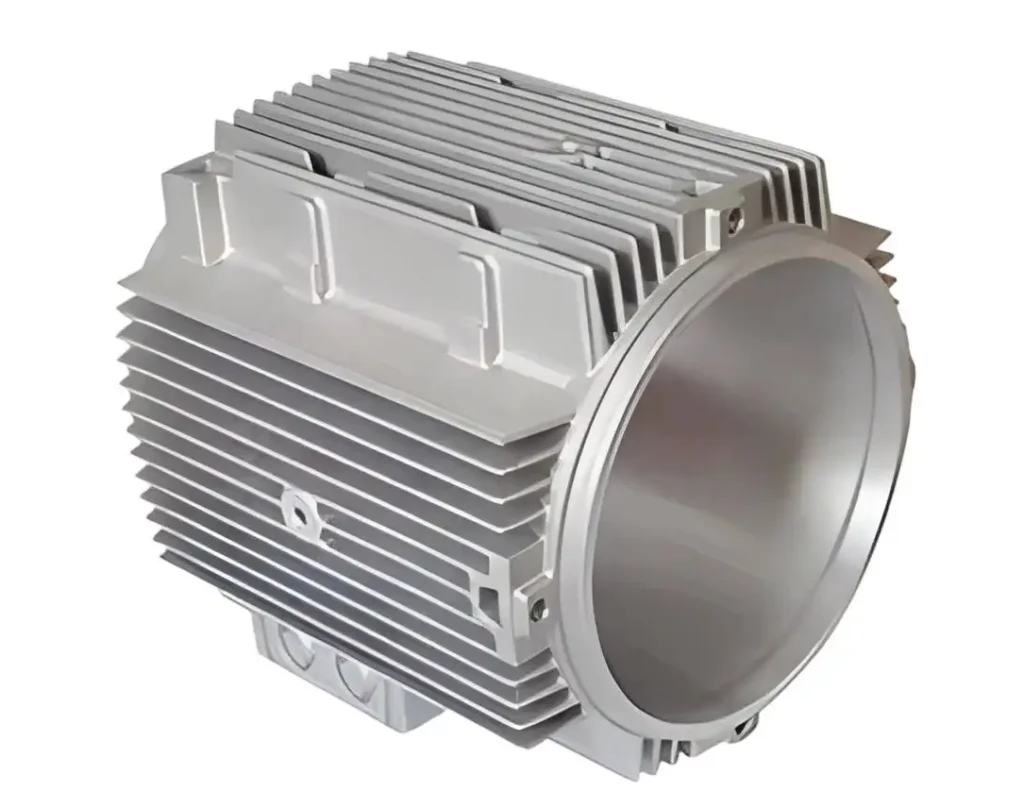
A medium-sized motor die casting housing (around 280 mm) with moderate complexity typically costs about $10–$15 per unit.This type of part usually requires CNC machining and tighter tolerances, which increases the cost.
Case 3: EV Battery Housing
Large and complex EV die csting housings can cost $40–$80+ per unit.These parts often include integrated cooling channels, sealing surfaces, and strict quality requirements, all of which contribute to higher costs.
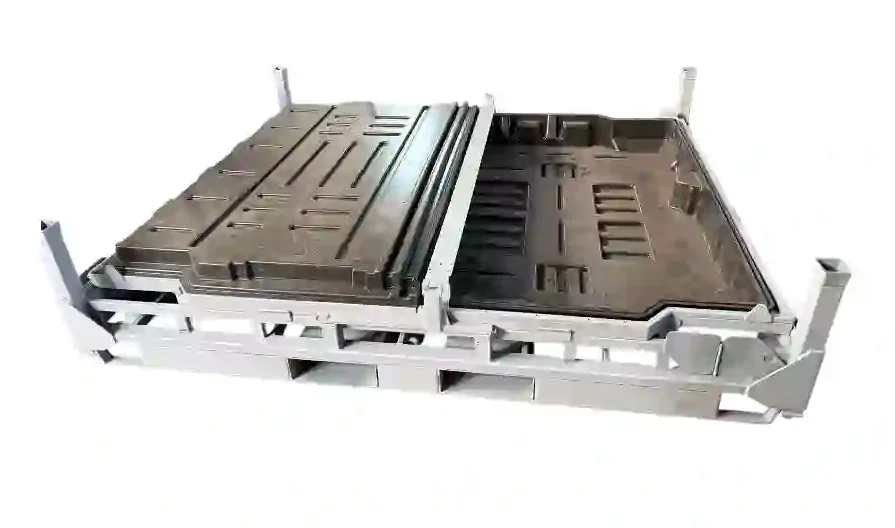
As you can see, cost is not fixed—it is driven by design, process, and production strategy.
5 Key Factors That Drive Cost (Most Buyers Overlook)
Many buyers focus only on unit price, but the real cost drivers are often hidden in the details.
| No. | Factor | How it Affects Cost | Pro Tip |
|---|---|---|---|
| 1 | Design Complexity | More slides and lifters in the mold = Higher tooling cost | Simplify geometry to reduce mold moving parts |
| 2 | Production Volume | Low volume spreads mold cost over fewer parts | Increase annual volume to get better unit pricing |
| 3 | Tolerance Specs | ±0.05mm is much more expensive than ±0.15mm | Only use tight tolerances for critical mating surfaces |
| 4 | Secondary Operations | Tapping, CNC, and coating add 20–50% to the total cost | Design parts to be “as-cast” ready whenever possible |
| 5 | Supplier Choice | Poor engineering leads to high scrap rates and hidden costs | Choose a supplier with strong DFM and mold design skills |
Why Sourcing from China Can Reduce Cost
China has developed a highly mature and integrated die casting ecosystem, particularly in industrial hubs like Guangdong and Zhejiang. Sourcing from a professional Chinese manufacturer doesn’t just mean lower labor costs; it means leveraging a massive structural advantage:
- Supply Chain Clusters: In these regions, raw material suppliers, specialized tooling shops, and advanced surface treatment plants are often located within a 30-minute drive. This proximity significantly reduces internal logistics costs and lead times.

Integrated “One-Stop” Production: Top-tier factories like IEC Mould combine mold design, high-pressure die casting, precision CNC machining, and finishing under one roof. This minimizes “coordination tax”—the hidden costs and quality risks associated with moving parts between multiple vendors.
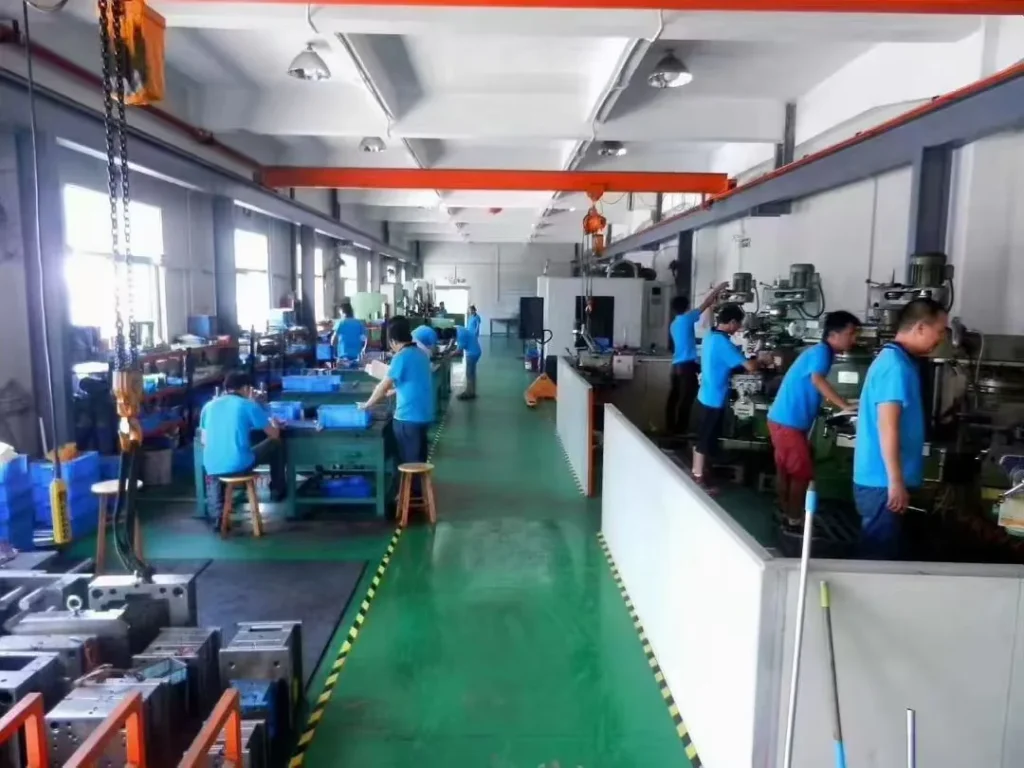
- Engineering-Driven Savings: The real cost reduction comes from DFM (Design for Manufacturability). Experienced Chinese engineers can often suggest geometry optimizations that simplify mold structures (reducing sliders and lifters) and decrease cycle times without compromising part function.

The Bottom Line: The goal is not to find the “cheapest” quote, but to partner with a supplier that offers strong process control and transparent engineering support. This ensures you capture the cost benefits of China’s infrastructure while maintaining the high quality standards your project demands.
How to Reduce Your Die Casting Housing Cost
Real cost-saving happens in the design phase, not the negotiation phase. By partnering with an experienced manufacturer like IEC Mould early in the project, you can often reduce total costs by 15–30% through strategic optimization:
| Optimization Factor | How it Reduces Cost |
| Wall Thickness | Aim for the thinnest walls that meet structural requirements. This saves material weight and, more importantly, shortens cooling cycles—the primary driver of production cost. |
| Minimize Machining | Design features to be “as-cast” whenever possible. Even minor geometry adjustments can eliminate the need for expensive 5-axis CNC machining operations. |
| Part Consolidation | Evaluate if multiple components can be integrated into a single die casting housing. This drastically reduces assembly time, inventory overhead, and the number of molds required. |
| Draft & Radii | Use generous draft angles (1.5° to 3°) and rounded corners. This improves metal flow and part ejection, significantly lowering scrap rates and extending mold life. |
👉 Upload your 3D files for a Free DFM Audit. Our engineers will identify hidden cost-drivers and suggest actionable design improvements within 24 hours.
Die Casting vs CNC Machining Cost Comparison
Choosing between die casting and CNC machining isn’t just about the “price per part”—it’s a strategic decision based on your production volume and design complexity.
1. The “Break-Even” Analysis
The most significant difference lies in Upfront vs. Running costs.
Die Casting: High initial investment (Molds/Tooling) but extremely low labor and machine time per part.
CNC Machining: Zero tooling cost, but high “per-minute” machine rates and labor costs.
Pro Tip: Typically, if you are producing more than 500–1,000 units, Die Casting becomes the more economical choice as the mold cost is amortized across many parts.
2. Detailed Comparison Table
| Feature | Die Casting | CNC Machining |
| Initial Tooling Cost | High ($3,000 – $50,000+) | Zero (No molds needed) |
| Unit Price | Very Low (Ideal for scaling) | High (Constant cost per part) |
| Lead Time | Longer (4–6 weeks for mold) | Fast (Immediate production) |
| Material Waste | Minimal (Near-net shape) | High (Subtractive process) |
| Surface Finish | Smooth, consistent “as-cast” | Distinct tool marks (may need polishing) |
| Best For | Mass Production (1,000+ pcs) | Prototypes & Low Volume (<500 pcs) |
3. When to Choose Which?
Choose Die Casting if: You have a finalized design, need high-volume consistency, and want to lower your long-term Aluminum Die Casting Housing Cost. It is perfect for complex internal structures like cooling fins that are difficult to machine.
Choose CNC Machining if: You are in the R&D stage, need to make frequent design changes, or require extremely tight tolerances ± 0.01mm that standard casting cannot achieve without secondary operations.
4. The Hybrid Approach
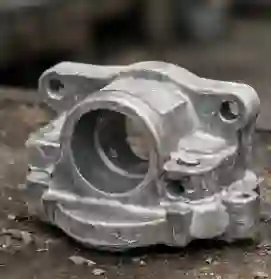
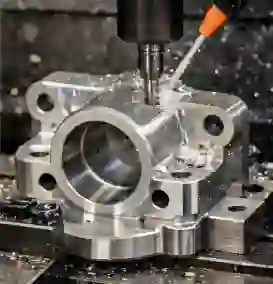
In modern manufacturing, we often combine both. We use Die Casting to create the general shape (the “blank”) and then use Precision CNC Machining only for critical mating surfaces or threaded holes. This “Cast + Machine” workflow offers the best of both worlds: High speed and low cost.
Step 1: Die Casting
Step 2: CNC Machining
Step 3: Final Product
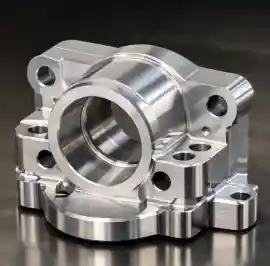
Get an Accurate Aluminum Die Casting Housing Quote
To provide an accurate quotation, we typically need the following information:
3D drawings (STEP/STP format)
Material requirements
Estimated quantity
Surface finishing requirements
With this information, our engineering team can evaluate your project and provide a detailed and transparent quotation.
👉 Send your drawings to IEC Mould today — we’ll get back to you within 24 hours with a professional cost analysis.
FAQ
What is the typical tooling cost for die casting?
Tooling costs usually range from $3,000 to $50,000+, depending on complexity and mold design.
Why is die casting cost lower at high volume?
Because tooling cost is distributed across more parts, significantly reducing the unit price.
Can die casting replace CNC machining?
In many cases, yes—especially for complex shapes produced in large quantities.
What is the typical lead time?
Tooling usually takes 3–6 weeks, while mass production lead time depends on volume.
What is the MOQ for aluminum die casting housing?
MOQ varies, but most manufacturers recommend at least 1,000–5,000 pieces for cost efficiency.