Looking to reduce your production costs while ensuring high-quality, durable parts? Zinc die casting might be the solution you’re seeking. As one of the most efficient and cost-effective manufacturing methods, zinc die casting offers unmatched precision, strength, and versatility. According to the International Zinc Association, zinc is a highly recyclable and resource-efficient material widely used across industries such as automotive, electronics, and consumer goods.
However, understanding the factors that influence its pricing is crucial for making informed decisions. Whether you’re a small business owner or a large-scale manufacturer, knowing the true cost of zinc die casting can help you optimize your production process and maximize your budget.
In this article, we will walk you through the key factors that affect the cost of zinc die casting, compare it with other casting methods, and provide practical tips on how to reduce costs without sacrificing quality. By the end of this guide, you’ll have a clear understanding of pricing structures and be equipped to make smarter, more cost-effective decisions for your next project.
Introduction: Understanding Zinc Die Casting Costs
What is Zinc Die Casting?
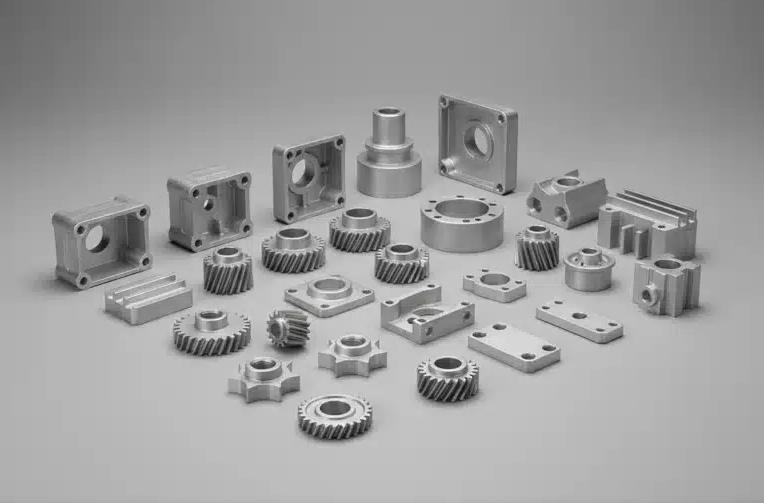
Zinc die casting is a manufacturing process in which molten zinc is injected into a mold under high pressure to create intricate and precise parts. Known for its durability, corrosion resistance, and ease of machining, zinc die casting is widely used in industries like automotive, electronics, and consumer goods. This process allows manufacturers to produce complex shapes with tight tolerances and high-quality finishes.
Why Cost Matters in Zinc Die Casting?
Cost is one of the most important factors to consider when choosing zinc die casting for your production needs. Understanding the costs involved can help you make more informed decisions and control your budget more effectively. Whether you’re ordering a small batch or opting for large-scale production, knowing what influences the cost can help you avoid unexpected expenses and make the most cost-effective choices.
How Understanding Cost Can Benefit Your Business
By understanding the various cost factors involved in zinc die casting, businesses can optimize their production processes, choose the right materials, and select the most cost-efficient suppliers. This knowledge can lead to better budgeting, improved product quality, and increased profitability, ensuring that businesses stay competitive in their respective markets.
Factors Affecting the Cost of Zinc Die Casting
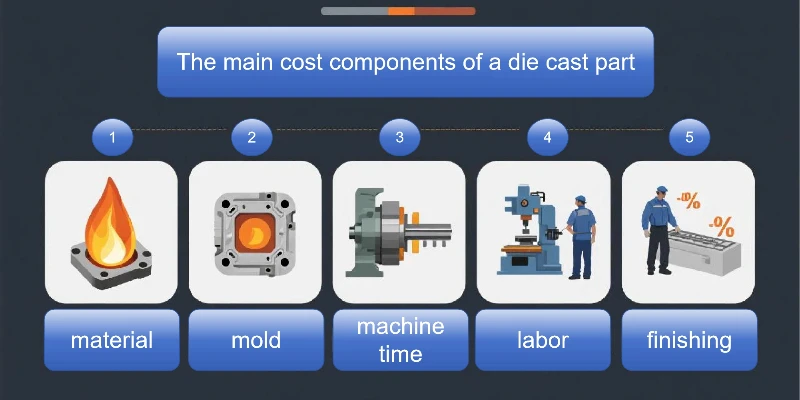
1. Material Costs
Different Zinc Alloys and Their Impact on Price
The type of zinc alloy you choose can significantly impact the cost of your die casting project. Common zinc alloys include Zinc Alloy 3, Zinc Alloy 5, and Zinc Alloy 7, each offering unique properties such as corrosion resistance, strength, and ease of machining. The price of these alloys fluctuates based on market conditions, but generally, higher-quality alloys may come with a higher initial price tag.
Why Material Choice Affects Long-Term Costs
Choosing a higher-quality material can lead to fewer defects and a longer-lasting product. For example, Zinc Alloy 3, known for its excellent casting performance, may cost more upfront, but it can reduce the need for repairs and replacements down the line, ultimately saving you money in the long term.
Table Example: Material Cost Comparison
| Zinc Alloy Type | Price per kg (USD) | Key Properties | Common Applications |
|---|---|---|---|
| Zinc Alloy 3 (Zamak 3) | $2.80 – $3.50 | Excellent castability, good corrosion resistance | Automotive parts, electronic housings |
| Zinc Alloy 5 (Zamak 5) | $3.00 – $3.80 | Higher strength, slightly lower ductility | Industrial machinery, hardware |
| Zinc Alloy 7 | $2.90 – $3.60 | Good fluidity, improved formability | Consumer goods, decorative parts |
👉Notes:
- Zamak 3 is the most widely used alloy due to its excellent cost-performance balance.
- Zamak 5 offers higher strength, but comes at a slightly higher cost.
- Zinc 7 is more suitable for complex parts with thin walls due to its better fluidity.
2. Tooling and Mold Design
Initial Mold Investment and its Long-Term Benefits
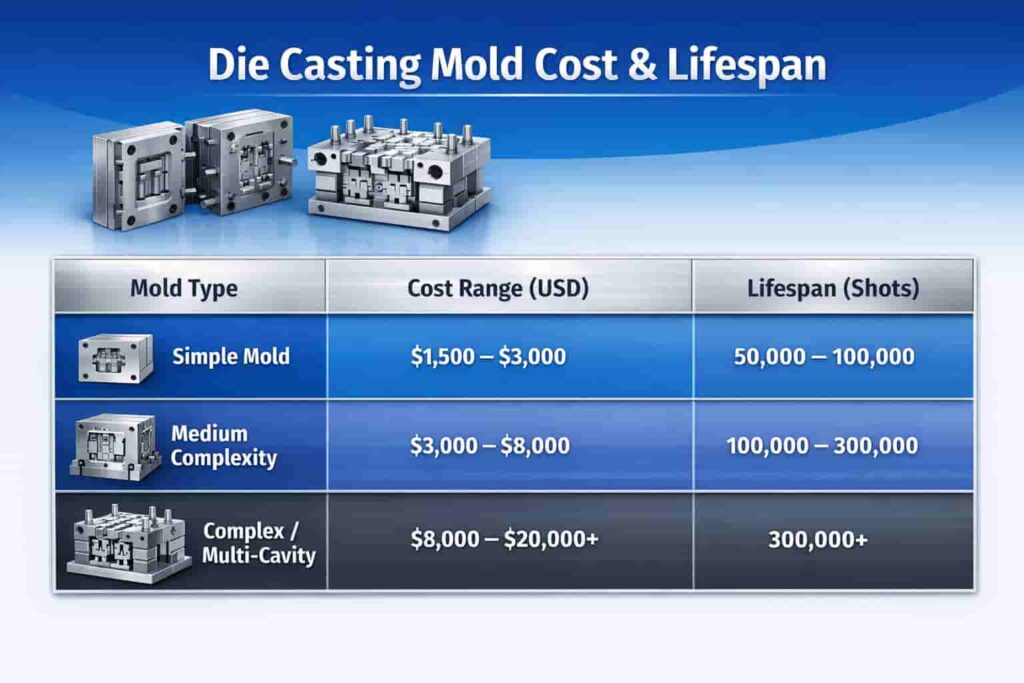
One of the biggest costs in zinc die casting is the mold. The design and production of the mold require significant investment, particularly for complex or customized parts. However, high-quality molds offer increased precision, durability, and repeatability, all of which contribute to fewer errors during production and longer mold life.
The Role of Design Complexity in Tooling Costs
More intricate designs require more advanced tooling, which can increase both the cost and the time needed to manufacture the mold. Simple designs may have lower initial costs, but as the complexity increases (e.g., thin walls, deep cavities), the tooling cost rises. This is an important factor to consider when planning a project.
3. Production Volume and Complexity
How Production Volume Affects Unit Costs
The volume of parts you need to produce can dramatically affect the price per unit. In general, larger production runs reduce the cost per part because the fixed costs (e.g., mold creation, machine setup) are spread across more units. For small-volume production, however, unit costs tend to be higher due to the proportionally higher overhead costs.
Table Example: Volume vs Unit Cost
| Production Volume (Parts) | Unit Cost (USD) | Total Cost (USD) |
|---|---|---|
| 500 | $2.20 – $2.80 | $1,100 – $1,400 |
| 1,000 | $1.60 – $2.20 | $1,600 – $2,200 |
| 5,000 | $1.10 – $1.50 | $5,500 – $7,500 |
| 10,000 | $0.85 – $1.20 | $8,500 – $12,000 |
👉Summary of Key Trends:
- As production volume increases, the unit cost decreases by approximately 30%–60%.
- The primary reason is that tooling costs are distributed (amortized) across a larger number of parts.
The Impact of Part Complexity on Pricing
More complex parts require more time and effort to manufacture, leading to higher costs. Features such as thin sections, tight tolerances, and multi-part assemblies can increase production time, which in turn increases costs. It’s essential to balance the design’s complexity with your budget to ensure cost-efficiency.
4. Machine and Labor Costs
Automation vs. Manual Labor: Cost Implications
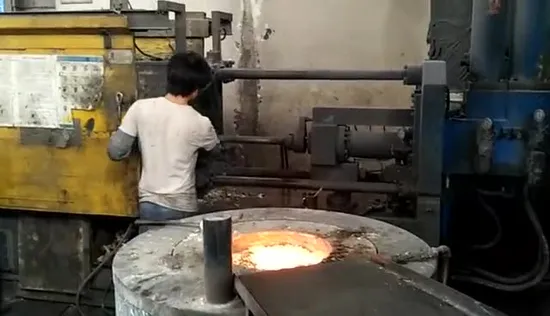
The decision to automate the die casting process or rely on manual labor can significantly affect production costs. Automation can reduce labor costs and improve consistency, while manual labor can be more cost-effective for small or highly customized orders. The level of automation also determines the speed and precision of the production process, influencing overall cost.
How Equipment Investment Affects Cost Efficiency
Investing in high-quality die casting machines that can handle larger volumes with minimal downtime can reduce costs over time. These machines improve production efficiency and consistency, ultimately leading to cost savings in large production runs.
5. Post-Processing Costs
Common Post-Processing Techniques (Polishing, Plating, etc.)
After the initial casting process, parts often undergo additional post-processing operations such as polishing, electroplating, or painting. These finishing processes can add to the overall cost of the parts, depending on the complexity of the required finish and the materials used.
Table Example: Post-Processing Cost Breakdown
| Post-Processing Type | Cost per Part (USD) | Details |
|---|---|---|
| Polishing | $0.03 – $0.10 | Improves surface smoothness |
| Electroplating (Nickel/Chrome) | $0.08 – $0.25 | Corrosion resistance + aesthetics |
| Powder Coating / Painting | $0.05 – $0.20 | Color + protection |
| Deburring | $0.02 – $0.05 | Removes sharp edges |
👉Key Cost Impact Points:
- Electroplating is one of the most expensive post-processing operations.
- Parts requiring high-quality finishes (aesthetic components) have significantly higher costs.
How Post-Processing Influences Overall Pricing
The more complex the post-processing requirements, the higher the total cost. For example, adding a layer of plating or a specialized finish increases the unit price due to the additional materials, labor, and time required.
How Zinc Die Casting Pricing Compares with Other Casting Methods
. Zinc Die Casting vs. Aluminum Die Casting
Cost Comparison Between Zinc and Aluminum Casting
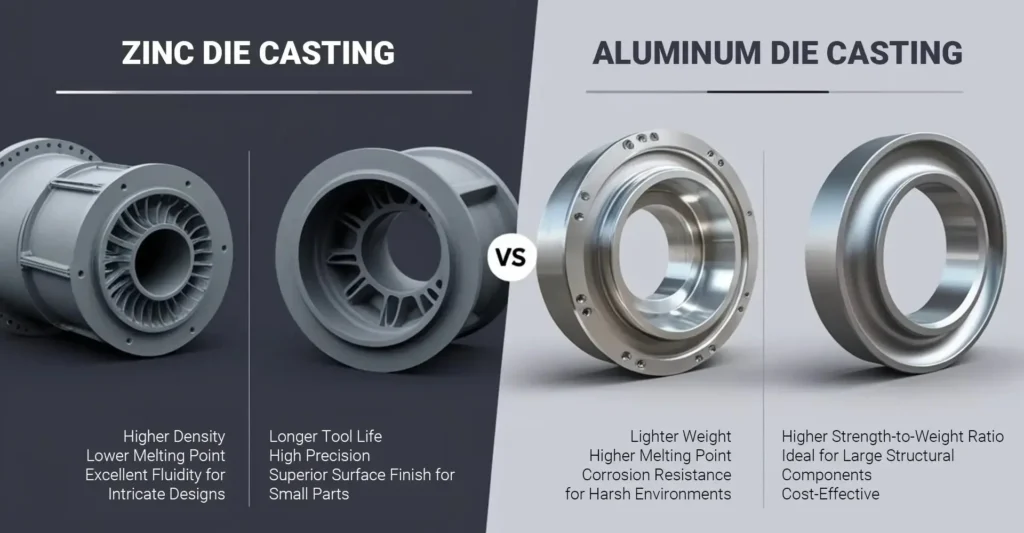
While both zinc and aluminum are popular die casting materials, zinc is generally more affordable due to its lower material cost and faster cooling times. However, aluminum has higher strength and is better suited for certain high-performance applications, like engine components. The choice between the two depends on your specific requirements, including strength, weight, and cost.
Pros and Cons of Each Method
- Zinc Die Casting: Lower cost, faster production, good for high-precision, complex parts.
- Aluminum Die Casting: Higher strength, better for high-temperature applications, more expensive.
Zinc Die Casting vs. Sand Casting
Key Differences in Pricing
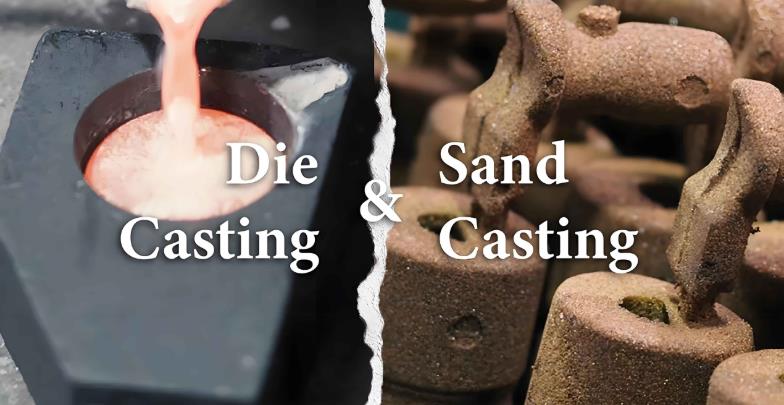
Zinc die casting typically offers a more cost-effective solution for high-precision, high-volume manufacturing compared to sand casting. Sand casting, while more versatile for larger parts, involves more manual labor and longer production times, which generally increases costs.
When to Choose Zinc Die Casting Over Sand Casting
Choose zinc die casting if you need precision, a high-quality finish, and large volumes of small to medium-sized parts. Sand casting is better suited for large, less detailed parts where high precision is not as critical.
How to Calculate Zinc Die Casting Costs
Step-by-Step Breakdown of Zinc Die Casting Cost Calculation
Materials, Tooling, and Labor Costs
To calculate the total cost of zinc die casting, begin by adding up the costs for materials, tooling, and labor. This will include the cost of zinc alloys, mold production, machine setup, and the labor required for both the casting and any post-processing work.
Post-Processing and Quality Assurance Costs
Once you have calculated the base costs, add in any expenses related to post-processing (e.g., plating, finishing) and quality control (e.g., inspections, testing). These factors are crucial in ensuring the final product meets your specifications.
Case Study Example: Calculating Cost for a 5000-Part Order
Let’s say you need to produce 5000 small automotive parts.
- Material Cost: $0.50 per part for Zinc Alloy 3
- Tooling Cost: $2,000 (amortized over 5000 units)
- Production Cost: $0.20 per part for labor and machine operation
- Post-Processing Cost: $0.05 per part for plating
Total Cost per Part:
Material: $0.50
Tooling: $0.40
Production: $0.20
Post-Processing: $0.05
Total per Part: $1.15
Tips for Reducing Zinc Die Casting Costs
- Optimize Design for Cost Efficiency
Designing parts with fewer intricate features can reduce tooling and production costs. Avoiding thin walls or excessive complexity can lead to more cost-effective parts without compromising functionality.
- Invest in Automation for Cost Savings
Implementing automation in the casting process can reduce labor costs and increase production speed. Automated systems also improve consistency and minimize human error, which can reduce defects and rework.
- Choose the Right Supplier
Selecting an experienced and reliable zinc die casting supplier ensures you get the best price without sacrificing quality. Be sure to evaluate their production capacity, reputation, and ability to meet deadlines.
How Zinc Die Casting Manufacturers Can Offer Competitive Pricing
- Efficiency Gains in Production
By improving production efficiency through automation and optimized processes, manufacturers can offer lower prices while maintaining high quality.
- Economies of Scale
Larger production runs enable manufacturers to spread out the fixed costs (like tooling and setup), which reduces the cost per unit.
- Streamlined Supply Chain Management
A strong, reliable supply chain helps reduce material costs, minimize delays, and improve overall production timelines, allowing for more competitive pricing.
FAQs about Zinc Die Casting Costs
The average cost ranges from $0.80 to $2.50 per part, depending on volume, complexity, and finishing requirements. High-volume production significantly lowers the unit cost.
The most influential factors include:
- Tooling cost
- Production volume
- Part complexity
- Material selection
- Post-processing requirements
Among these, tooling and volume have the greatest impact on cost per unit.
Because fixed costs such as tooling and machine setup are distributed across more units. This reduces the cost per part through economies of scale.
You can lower costs by:
- Optimizing part design
- Reducing unnecessary finishing
- Increasing order quantity
- Working with an experienced manufacturer
These strategies can reduce total costs by 15–30%.
Yes, for small and complex parts, zinc die casting is generally more cost-effective due to:
- Lower material cost
- Faster production cycles
- Better dimensional accuracy
However, aluminum is preferred for high-strength or lightweight applications.
Conclusion: Make Smarter Decisions on Zinc Die Casting Costs
Understanding the true cost of zinc die casting is essential for making informed manufacturing decisions. From material selection and tooling design to production volume and post-processing, each factor plays a critical role in determining your final cost per part. By optimizing design, choosing the right production scale, and working with experienced suppliers, you can significantly reduce costs while maintaining high product quality.
Whether you’re developing a new product or scaling up production, having a clear cost strategy will help you stay competitive and maximize your return on investment.
Get Expert Support for Your Zinc Die Casting Project
If you’re looking for a reliable partner to help you control costs and ensure high-quality results, IEC MOULD (China) is here to help. Our experienced team provides customized zinc die casting solutions tailored to your specific requirements.
- Location: China
- Email: [email protected]
- Tel: +86-0769-85336570
- Website: castingstool.com
👉 Contact us today for a free quote and professional consultation, and let us help you achieve the best balance between cost and quality.