Why Buyers Need Professional Mold Making Services
In modern manufacturing, mold making services play a critical role in ensuring high-quality production, especially for aluminum die casting parts. Choosing the right aluminum mold making services supplier directly impacts product precision, surface finish, and production efficiency. The right mold affects part precision, surface finish, and production efficiency. For buyers, selecting a reliable aluminum die casting mold supplier is not just about price—it determines whether production will be smooth or plagued with defects like warpage, shrinkage, or thermal fatigue.
A top-tier supplier offering precision mold making services integrates engineering, design, and manufacturing into one system, reducing trial errors and long-term costs. Buyers need a systematic checklist to evaluate suppliers effectively and make informed purchasing decisions.
As a professional aluminum die casting manufacturer, IEC MOULD integrates these full-lifecycle services—from DFM to final trial runs—ensuring your molds meet the highest precision standards.
What Are Aluminum Die Casting Mold Making Services?
Mold making services for aluminum die casting cover the full lifecycle of mold production. For buyers, this includes:
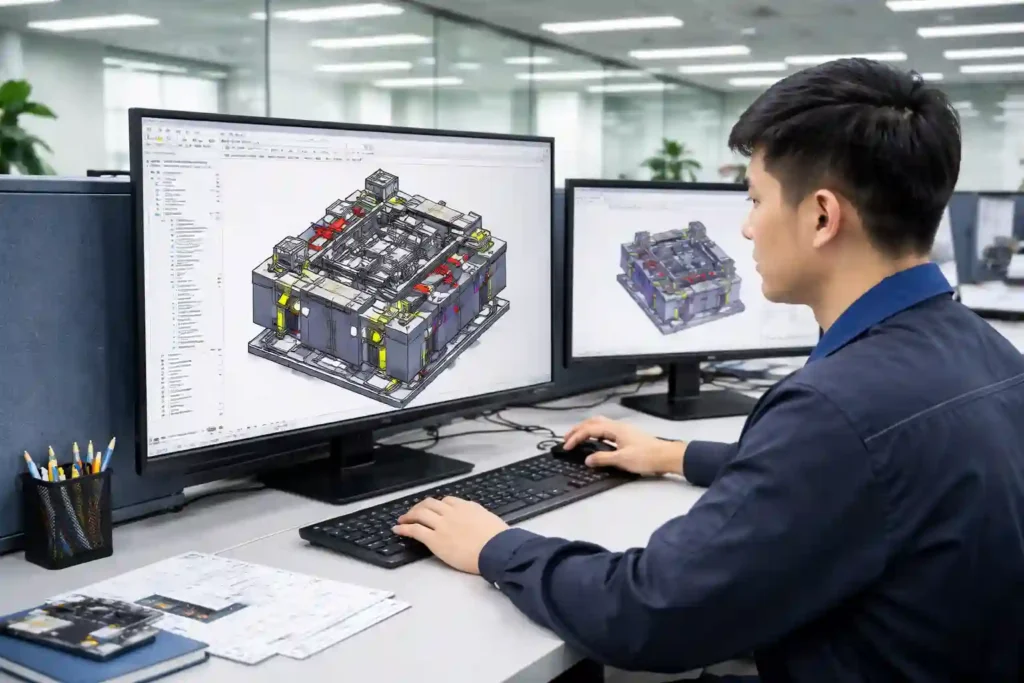
- Design & Engineering: CAD modeling, mold flow analysis, and DFM evaluation ensure the mold fills properly and avoids warping.
- Material Selection: Choosing the right tool steel and applying proper heat treatment to withstand thermal fatigue.
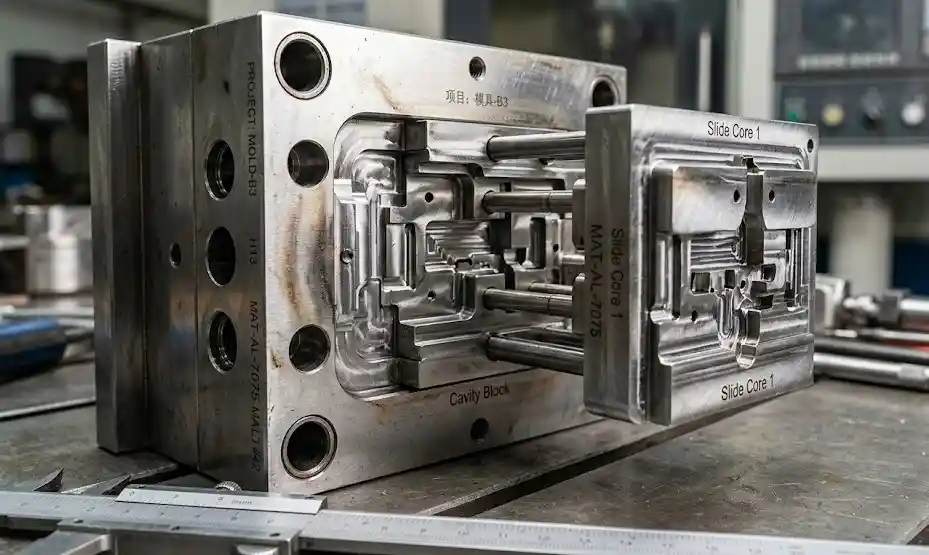
- Precision Manufacturing: CNC machining, EDM, and fine assembly deliver tight tolerances and consistent surface quality.
- Trial Runs: T0, T1, and T2 trials validate mold performance and part quality before full production.
- Lifecycle Support: Maintenance, refurbishment, and spare part support extend mold life and ensure consistent output.
Understanding these stages allows buyers to compare suppliers on capabilities, not just cost.
Why Choosing the Right Supplier Is Critical
Selecting the right mold making services supplier is a high-stakes decision. Buyers often focus too much on upfront cost, but the total cost of ownership (TCO) matters more.
Key buyer concerns include:
- Production efficiency: Can the mold produce high-quality parts consistently?
- Defect rate: How often do issues like sink marks, flash, or warpage occur?
- Lead time: Can the supplier meet tight project schedules?
- Lifecycle cost: Will the mold last for its intended number of shots?

High-quality custom mold making services reduce scrap rates, shorten production cycles, and improve ROI over the mold’s lifetime. This is why selecting reliable custom mold making services is essential for long-term production success.
Buyer Checklist for Evaluating Mold Making Services
When evaluating mold making services, buyers should follow a structured checklist to ensure technical capability and reliability.
1. Engineering & Design Capability
Buyers need suppliers who can provide:
- Optimized wall thickness, draft angles, and rib design
- Mold flow analysis predicting fill patterns and potential warpage
- Multi-cavity and balanced mold design for uniform filling
A supplier with strong engineering capabilities reduces trial runs and lowers the risk of costly design changes.

2. Mold Complexity & Mechanism Expertise
Top suppliers must handle:
- Slides and lifters for side-action features
- Complex ejector systems, including pins and lifters
- Internal threads or deep cavities for challenging part designs
Complex parts require molds with reliable mechanisms. Choosing a supplier without experience can result in defects or mold failure.
3. Material Selection & Heat Treatment
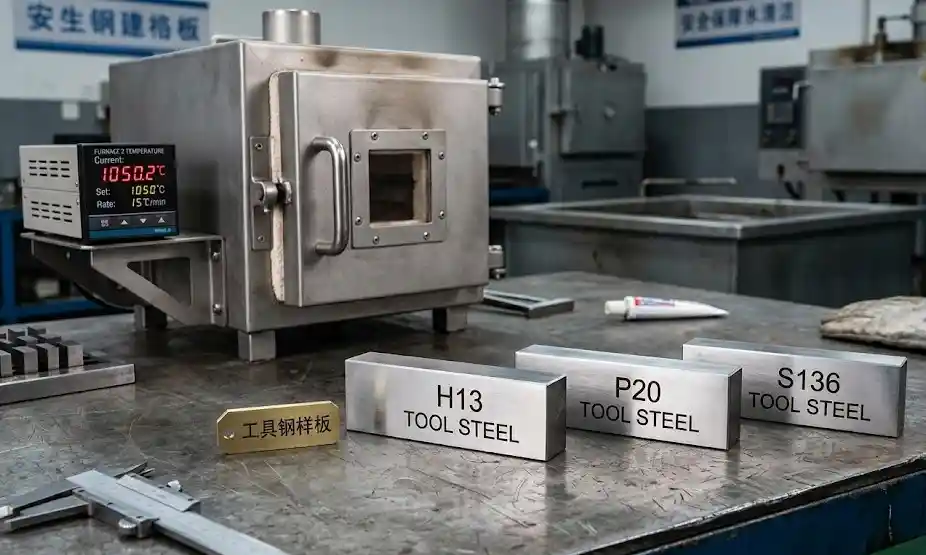
Tool steel selection affects mold durability. Buyers should evaluate:
- H13 for high thermal fatigue resistance
- P20 for moderate production volumes
- S136 for corrosion resistance
Proper heat treatment ensures hardness and reduces residual stress, prolonging mold life.
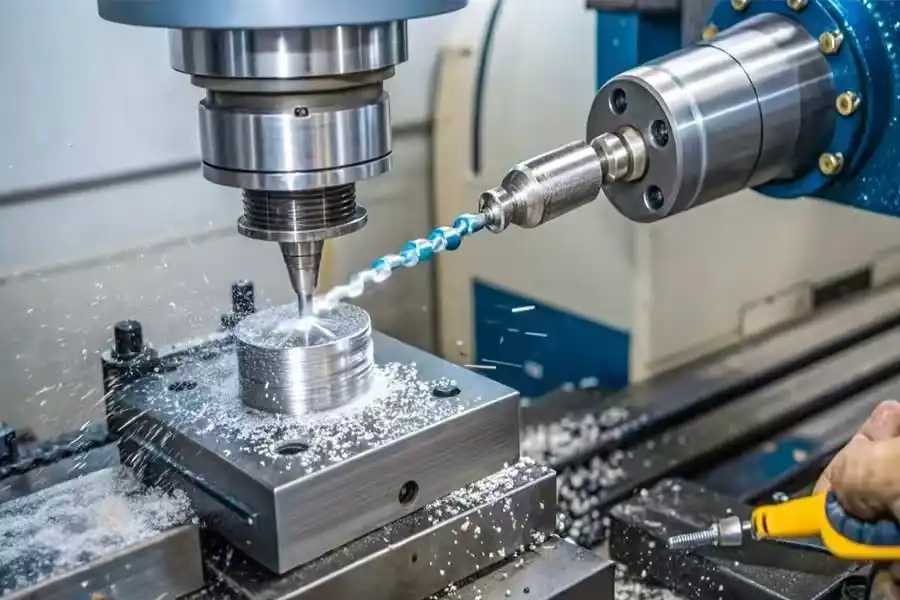
4. Precision Manufacturing & Surface Finish
Buyers care about:
- Dimensional tolerances and repeatability
- Surface finish for smooth ejection and part quality
- Protective coatings such as nitriding or PVD for wear resistance
A supplier with precision mold making expertise ensures parts meet specifications and reduces post-processing.
5. Cooling System & Thermal Management
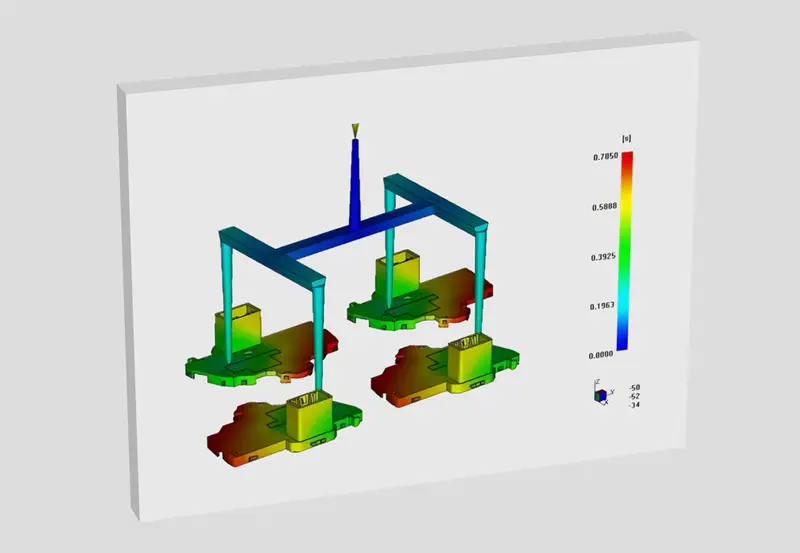
Efficient cooling is critical for aluminum molds. Buyers look for:
- Optimized or conformal cooling channels
- Temperature monitoring for uniform cooling
- Reduced thermal fatigue for longer mold life
Efficient cooling shortens cycle times and improves part quality.
6. Quality Assurance & Testing
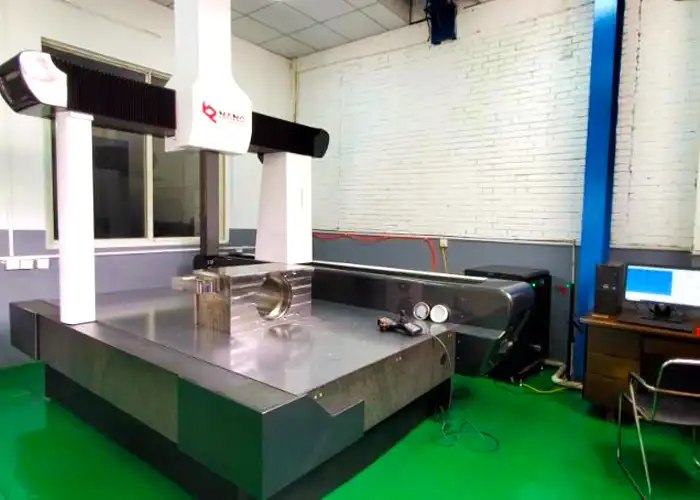
Suppliers should provide:
- CMM inspection for dimensional accuracy
- T0/T1/T2 trial runs to validate mold performance
- Statistical process control and mold shot life verification
Reliable QA reduces production risk and ensures repeatable quality for every batch.
7. Lead Time & Project Management
Buyers want predictable delivery. A good supplier:
- Provides detailed project schedules
- Uses structured project management for design, machining, assembly, and trial
- Communicates proactively
Typical lead times: simple molds 3–5 weeks, complex molds 6–10 weeks.

8. Cost Structure & Total Ownership Cost
Price alone is misleading. Buyers should evaluate:
- Material, machining, and assembly costs
- Maintenance and repair over the mold’s lifecycle
- Total Cost of Ownership (TCO) to determine long-term savings
Transparent mold making services prevent hidden costs and ensure better investment return.

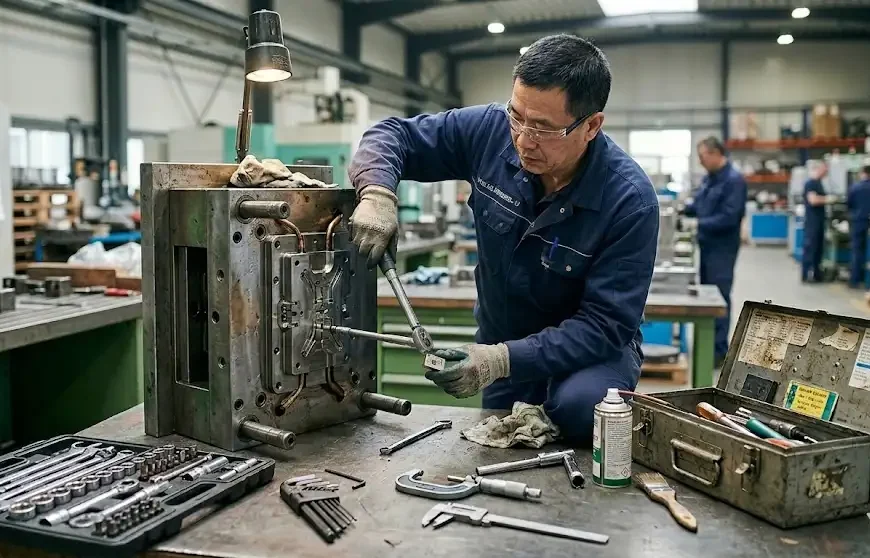
9. After-Sales Support & Lifecycle Services
Top suppliers provide:
- Mold maintenance and refurbishment
- Engineering support for modifications
- Spare part supply
Extended support ensures longer mold life, fewer production stoppages, and higher ROI.
Common Red Flags Buyers Should Watch
| Red Flag | What It Means | Potential Risk | Buyer Action |
|---|---|---|---|
| No DFM or Mold Flow Analysis | Supplier skips design validation | High risk of defects like warpage, air traps, and rework | Request DFM report and simulation before tooling |
| Unusually Low Quotation | Missing cost breakdown or unclear scope | Low-quality steel, poor machining, short mold life | Ask for detailed quotation with material and process list |
| No T0–T2 Trial Plan | No structured validation process | Delays, unstable production, repeated modifications | Confirm trial stages and acceptance criteria |
| Weak Quality Control System | Lack of inspection reports or standards | Inconsistent product quality in mass production | Verify CMM reports, Cp/Cpk data, QA procedures |
| Limited Aluminum Die Casting Experience | No proven experience with aluminum alloys | Mold cracking, poor cooling, dimensional issues | Ask for similar project references |
| Poor Communication & Project Management | Slow response or unclear updates | Project delays and misunderstandings | Choose suppliers with clear timelines and fast response |
Aluminum Die Casting Materials & Applications
1. Common Aluminum Alloys
| Alloy | Key Properties | Advantages | Typical Applications |
|---|---|---|---|
| ADC12 | High fluidity, good castability | Ideal for complex shapes and thin walls | Automotive housings, electronics |
| A380 | Balanced strength and corrosion resistance | Versatile and widely used | Structural parts, enclosures |
| AlSi9Cu3 | High dimensional stability | Suitable for precision components | High-tolerance industrial parts |
2. How Material Affects Mold Design
| Material Factor | Impact on Mold Design | Example |
|---|---|---|
| Shrinkage Rate | Determines cavity size and tolerance control | Higher shrinkage requires compensation in design |
| Thermal Conductivity | Affects cooling channel layout | High conductivity needs optimized cooling |
| Fluidity | Influences gating and filling behavior | High fluidity alloys require stable flow design |
| Erosion Tendency | Impacts mold wear and coating choice | High silicon alloys increase tool wear |
3. Typical Applications by Industry
| Industry | Typical Parts | Key Requirements |
|---|---|---|
| Automotive | Motor housings, transmission cases | Strength, durability, heat resistance |
| Electronics | Heat sinks, enclosures | Thermal conductivity, surface finish |
| Industrial Equipment | Pump housings, brackets | Precision, wear resistance |
4. Buyer Considerations (Material + Mold Matching)
| Buyer Focus | What to Check | Why It Matters |
|---|---|---|
| Alloy Experience | Supplier familiarity with specific alloy | Reduces defects and improves quality |
| Mold Steel Selection | Matching steel to production volume | Ensures mold durability |
| Cooling Design | Optimized for material behavior | Prevents warpage and improves cycle time |
| Process Optimization | Gating and filling strategy | Ensures consistent production |
Supplier Comparison: China vs Local / Domestic vs Overseas
When sourcing mold making services, buyers often compare domestic and overseas suppliers based on cost, capability, and delivery performance.
- Chinese suppliers often offer competitive pricing, faster prototyping, and extensive experience with aluminum alloys like ADC12 and A380. They are ideal for high-volume projects requiring quick lead times. Leading Chinese suppliers like IEC MOULD provide competitive pricing and rapid prototyping, combined with ISO 9001 & IATF 16949 certifications to guarantee global quality standards.
- Local/domestic suppliers may provide closer communication, easier logistics, and hands-on support, which is advantageous for small or specialized runs.
Buyer insight: The optimal choice balances cost, delivery reliability, engineering expertise, and after-sales support. Understanding each option’s strengths and limitations allows buyers to select a supplier that meets both technical requirements and project timelines.
Sustainability & Low-Carbon / Recycled Materials
Sustainability is becoming a critical factor in manufacturing. Many modern suppliers of mold making services now incorporate recycled aluminum and low-carbon production methods without compromising mold performance.
For buyers, this approach provides multiple benefits:
- Supports corporate sustainability goals and compliance with environmental standards
- Reduces carbon footprint and energy consumption during mold production
- Maintains high precision and durability, ensuring consistent part quality
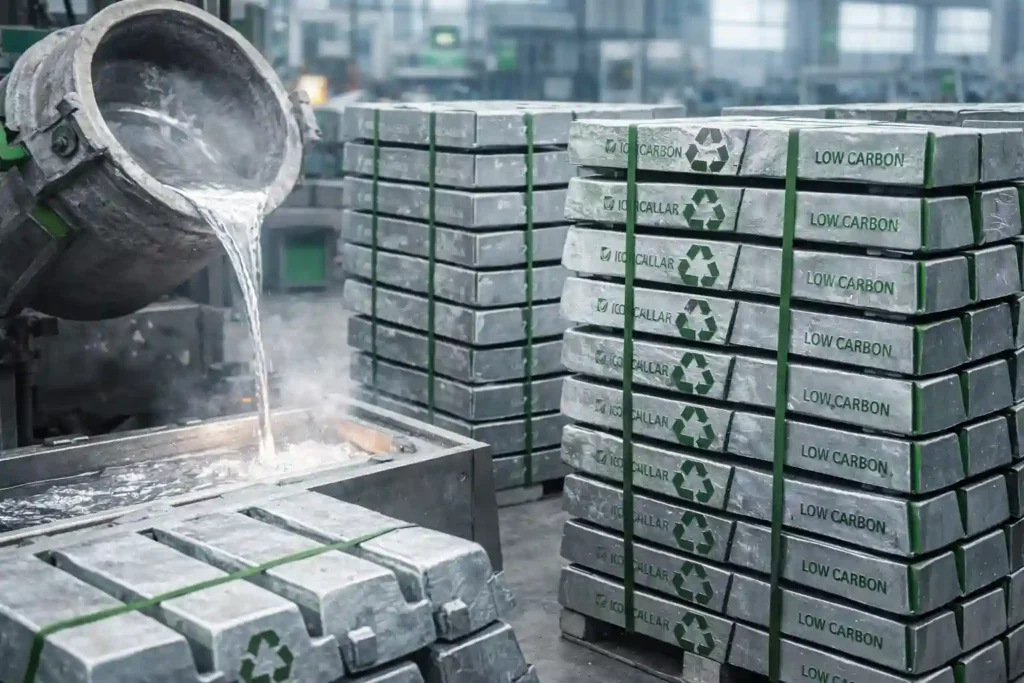
By considering eco-friendly suppliers, buyers can align production with environmental responsibility while still obtaining high-quality aluminum die casting molds.
Common Mistakes Buyers Should Avoid
When sourcing mold making services, buyers often make mistakes:
- Focusing only on price
- Ignoring material and heat treatment quality
- Overlooking the importance of trial runs
- Failing to check certifications or references
Avoiding these pitfalls reduces delays, defects, and hidden costs.
FAQ — Buyer-Oriented
How long do aluminum die casting molds last?
High-quality molds last 50,000–200,000 shots, depending on steel, heat treatment, and maintenance.
How many trial runs are needed?
Typically T0, T1, and T2 trials ensure part quality and consistency.
How is warpage prevented?
Through optimized mold design, uniform cooling, and proper material selection.
What is thermal fatigue and how is it controlled?
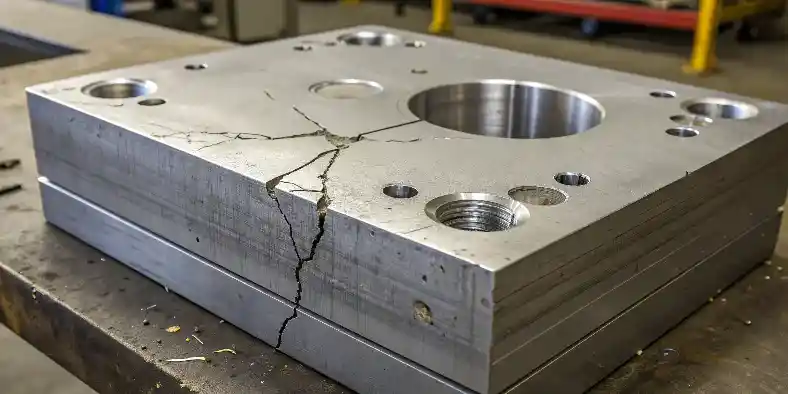
Thermal fatigue is micro-cracking from repeated heating; controlled with heat-resistant steel, cooling channels, and maintenance.
How to ensure suppliers meet delivery schedules?
Choose a supplier with structured project management, clear timelines, and proven on-time delivery.
Conclusion
Choosing the right mold making services supplier is a strategic decision that directly impacts quality, cost, and production efficiency. Evaluate suppliers based on engineering capability, precision manufacturing, QA systems, lifecycle support, and communication.
Ready to improve your production quality? Contact IEC MOULD, your trusted aluminum die casting mold partner, to discuss your project and get a free quote today.
👉To provide an accurate quotation, we typically need the following information:
3D drawings (STEP/STP format)
Material requirements
Estimated quantity
Surface finishing requirements
With this information, our engineering team can evaluate your project and provide a detailed and transparent quotation.