-300x210.webp "Zamak Casting Supplier: 8 Expert & Critical Factors 1")
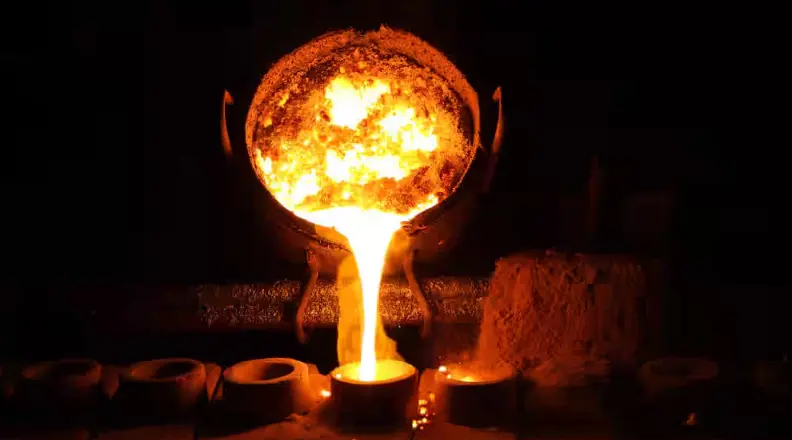
Choosing the right Zamak casting supplier is one of the most important decisions in any zinc die casting project. A reliable supplier directly affects product quality, tooling performance, production cost, and delivery stability.
Instead of focusing on price alone, buyers should evaluate multiple aspects such as engineering capability, quality control systems, and production experience.
👉Quick answer: A good zamak casting manufacturer should offer strong tooling support, stable quality control, transparent pricing, and reliable communication.
Quick Overview: How to Evaluate a Zamak Casting Supplier
The table below summarizes the key factors buyers should evaluate when selecting a supplier:
| Factor | What to Check | Why It Matters |
|---|---|---|
| Experience | Similar project cases | Reduces development risk |
| Equipment | Machine range & automation | Ensures stable production |
| Tooling | Mold design capability | Prevents casting defects |
| Quality Control | Certifications & inspection | Guarantees consistency |
| Finishing | Plating, coating options | Meets appearance needs |
| Cost | Transparent pricing | Avoids hidden costs |
| Lead Time | Tooling & production timeline | Keeps project on track |
| Communication | Response & clarity | Prevents delays |
What Is a Zamak Casting Supplier and Why It Matters
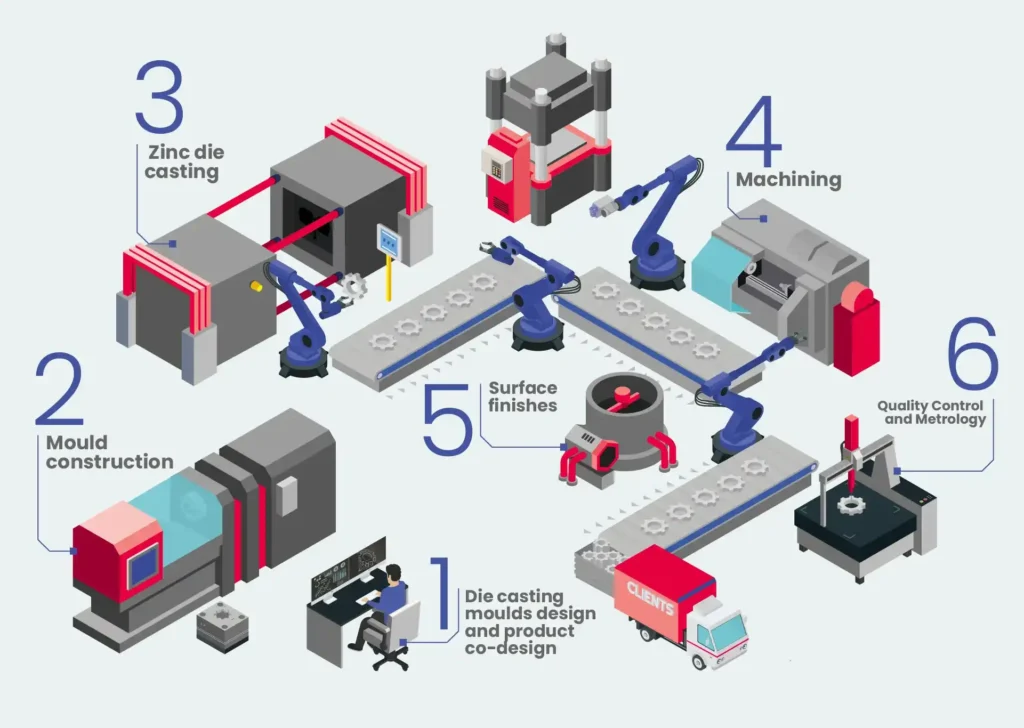
A Zamak casting supplier is a manufacturer that specializes in producing parts using zinc alloys via high-pressure die casting. These suppliers typically handle the full production chain, including mold design, die casting, machining, surface finishing, and quality inspection.
In a typical zamak casting process, the supplier is responsible not only for shaping the part but also for controlling critical factors such as dimensional accuracy, surface quality, and internal defects, such as porosity. This means their capabilities directly impact whether your product meets engineering and aesthetic requirements.
Choosing the right supplier matters because it determines:
- Cost efficiency – tooling design and process optimization affect the unit price
- Product quality – poor control can lead to defects in zinc die casting parts
- Lead time reliability – production planning and capacity influence delivery
- Long-term scalability – a capable supplier can support future volume growth
In short, a Zamak casting supplier is not just a vendor, but a long-term manufacturing partner.
8 Key Factors to Evaluate a Zamak Casting Supplier
Choosing the right Zamak casting supplier requires more than just comparing prices. A reliable manufacturer should demonstrate strong engineering capability, consistent quality control, and the ability to support your project from prototyping to mass production.
To simplify the evaluation process, the following eight factors cover the most critical aspects buyers should consider when selecting a Zamak casting supplier. By evaluating these key factors, you can reduce sourcing risks, improve product quality, and ensure long-term supply stability.
💡 IEC MOULD Tip: If you’re short on time, jump to the checklist section for a quick supplier evaluation.
1. Experience in Zamak Casting Projects
A qualified zamak casting manufacturer should have proven experience in similar products.
Experienced suppliers can:
- Identify risks early
- Reduce trial-and-error
- Deliver more consistent results
💡 Ask for real project cases, especially in industries like automotive, hardware, or electronics.
2. Die Casting Equipment and Capacity
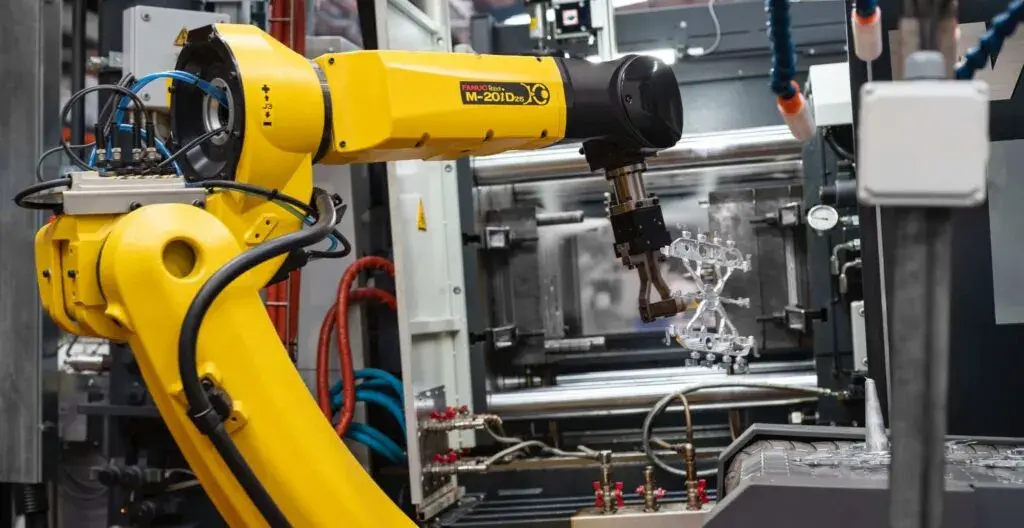
Equipment capability directly impacts both quality and efficiency in zinc die casting.
Look for:
- Multiple machine tonnage options
- Automated production lines
- Sufficient production capacity
🚀 This ensures stable output and supports future volume increases.
3. Tooling Design and Engineering Support
Tooling quality determines long-term success in any Zamak casting project.
A strong supplier should provide:
- DFM analysis
- Mold flow optimization
- Gating and venting design
💡 Good tooling reduces Zamak casting defects and lowers overall cost.
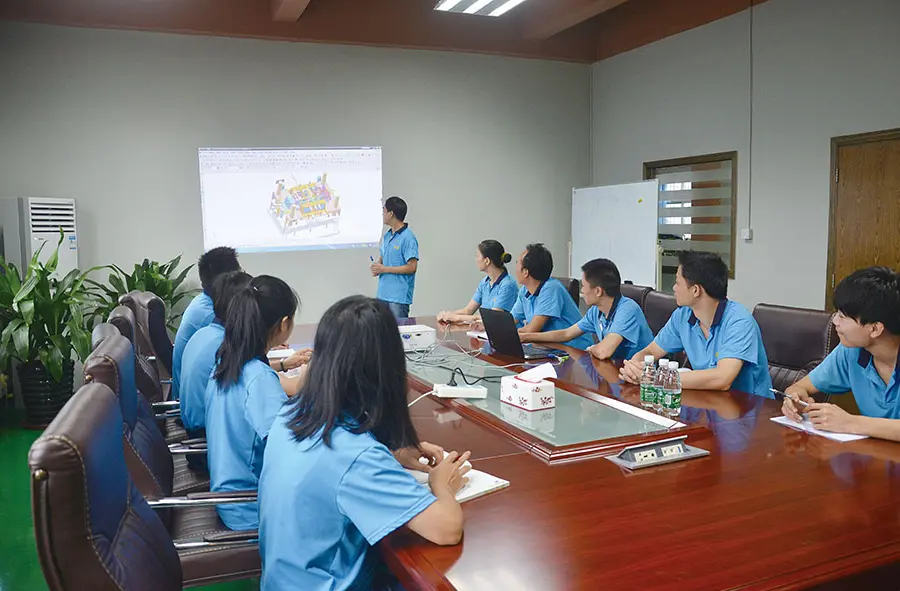
4. Quality Control System and Certifications
Reliable zamak casting suppliers follow structured quality systems.
Check for:
- ISO 9001 certification
- In-process inspection
- Final quality reports
🚀 Advanced suppliers may also use X-ray inspection to detect internal defects.
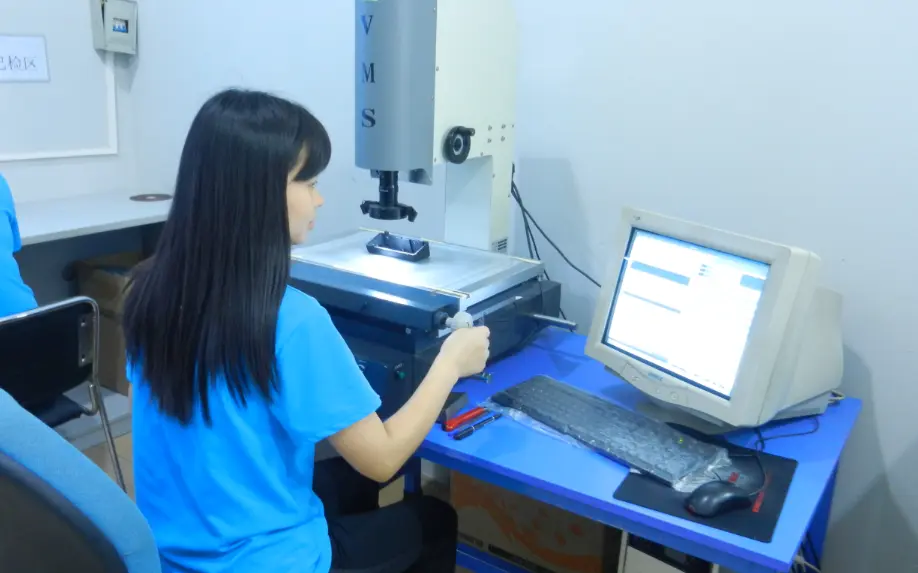
5. Surface Finishing and Secondary Processes
Many zamak casting applications require finishing, such as:
- Electroplating (chrome, nickel)
- Powder coating
- Polishing
💡 A supplier with integrated finishing capabilities can better control quality and lead time.
6. Cost Structure and Pricing Transparency
Understanding the zamak casting cost is critical when comparing suppliers.
A professional supplier should clearly break down:
- Tooling cost
- Unit price
- Secondary processing cost
👉 Avoid suppliers who provide vague or unusually low quotes, as hidden costs often appear later.
7. Lead Time and Production Flexibility
A capable zamak casting factory should provide:
- Clear tooling timelines
- Stable production schedules
- Flexibility for urgent orders
🚀 Delays in die casting production can directly impact your product launch.
8. Communication and Project Management
Strong communication is essential, especially in global sourcing.
A reliable zamak casting supplier should:
- Respond quickly
- Provide clear updates
- Offer technical support
👉 Poor communication often leads to delays and costly mistakes.

China vs Local Suppliers: What Buyers Should Know
When sourcing zamak casting parts, buyers often compare China-based suppliers with local manufacturers.
Comparison: China vs Local Zamak Casting Suppliers
| Criteria | China Suppliers | Local Suppliers |
|---|---|---|
| Cost | Lower tooling & unit price | Higher overall cost |
| Lead Time | Longer shipping time | Faster delivery |
| Communication | Depends on supplier | Easier |
| Engineering | Strong in experienced factories | Strong for complex projects |
| Scalability | Ideal for mass production | Limited |
| Flexibility | Cost-efficient | Faster adjustments |
In general:
- China suppliers are better for cost and volume production
- Local suppliers are better for speed and communication
👉 The best choice depends on your project priorities.
Common Mistakes When Choosing a Zamak Casting Supplier
Choosing the wrong Zamak casting supplier can lead to higher costs, quality issues, and production delays. The most common mistakes usually involve overlooking engineering capability, quality control, and total cost structure rather than just price.
Below are the key mistakes buyers should avoid in zinc die casting sourcing:
1. Choosing Based on Price Alone
Choosing a supplier based only on the lowest zamak casting cost is one of the most common mistakes. Low pricing often results in poor tooling quality, higher defect rates, and increased long-term costs.
2. Ignoring Tooling Capability
Ignoring mold design capability can lead to repeated Zamak casting defects, such as porosity or dimensional instability. A strong supplier should provide engineering support and DFM analysis.
3. Not Verifying Quality Systems
Failing to verify quality control processes can result in inconsistent zinc die casting parts. Certifications, inspection reports, and testing procedures should always be reviewed.
4. Skipping Sample Validation
Skipping sample testing before mass production increases the risk of product failure. Functional testing and dimensional inspection are essential steps.
5. Overlooking Communication Efficiency
Poor communication can cause delays, misunderstandings, and costly errors, especially in custom OEM zamak casting projects.
Common Supplier Selection Mistakes and Risks
Key sourcing risks & strategic insights
Mistake |
Risk |
|---|---|
Choosing low price only |
Higher total cost |
Weak tooling capability |
Repeated defects |
No quality verification |
Unstable production quality |
Skipping sample testing |
Product failure risk |
Poor communication |
Delays and project errors |
⚠️ Each mistake directly impacts total cost, quality stability, and supply chain resilience.
✓ Data-driven supplier validation reduces long-term risks
🎯 Avoiding these mistakes is essential when selecting a reliable zamak casting manufacturer, especially for long-term production projects where consistency, cost control, and communication are critical.
Zamak Casting Supplier Evaluation Checklist
Before finalizing your Zamak casting supplier, use the checklist below to ensure all critical factors are properly evaluated.
This checklist helps reduce sourcing risks, improve decision-making, and ensure long-term production stability.
| Category | Key Questions | Status (✓ / ✗) |
|---|---|---|
| Experience | Does the supplier have similar project cases? | |
| Equipment | Do they offer multiple machine tonnage options? | |
| Tooling | Do they provide DFM and mold flow analysis? | |
| Quality Control | Are ISO certifications and inspection reports available? | |
| Finishing | Can they handle plating, coating, or polishing in-house? | |
| Cost Transparency | Is the quotation clearly broken down? | |
| Lead Time | Are tooling and production timelines clearly defined? | |
| Communication | Are responses fast and technically clear? |
💡 Pro Tip:
Always evaluate at least 2–3 suppliers using the same checklist. This makes comparison more objective and prevents bias based on pricing alone.
👉 Want a professional evaluation of your project?
Send us your drawings, and we’ll help you assess feasibility, cost, and risk — for free.
FAQ: Choosing a Zamak Casting Supplier
Is China good for Zamak die casting suppliers?
Yes. China is one of the most competitive regions for Zamak die casting due to lower tooling costs, strong manufacturing infrastructure, and large-scale production capacity.
However, results depend heavily on supplier selection. Working with an experienced manufacturer that offers engineering support and clear communication is essential to ensure quality and consistency.
What certifications should a Zamak casting supplier have?
At minimum, a reliable Zamak casting supplier should have ISO 9001 certification. More advanced suppliers may also provide:
- Material certificates
- Inspection reports
- Process control documentation
These ensure consistent quality and traceability throughout production.
What causes defects in Zamak casting?
The most common Zamak casting defects include porosity, surface imperfections, and dimensional instability.
They are typically caused by:
- Poor mold design
- Inadequate venting
- Unstable injection parameters
Choosing a supplier with strong tooling and process control capabilities significantly reduces defect risks.
How do I choose a reliable die casting supplier?
To choose a reliable Zamak casting supplier, evaluate these key factors:
- Experience in similar projects
- Tooling design capability
- Quality control systems
- Transparent pricing
- Communication efficiency
Avoid selecting suppliers based on price alone, as this often leads to higher long-term costs.
What is the difference between Zamak and aluminum die casting?
Zamak and aluminum die casting differ in material, cost, and applications.
| Feature | Zamak | Aluminum |
|---|---|---|
| Material | Zinc alloy | Aluminum alloy |
| Weight | Heavier | Lighter |
| Surface Finish | Excellent (ideal for plating) | Good |
| Cost | Lower (small parts) | Higher |
| Best Use | Precision & decorative parts | Structural components |
In short:
Zamak is better for high-precision, small parts with excellent surface finish, while aluminum is better for lightweight structural applications.
What is the typical cost of Zamak casting?
The cost of Zamak casting typically includes:
- Tooling cost: $1,000–$10,000+
- Unit price: depends on volume and part complexity
- Secondary processing: plating, coating, or machining
Zamak casting is generally more cost-effective than aluminum die casting for small to medium-sized, high-volume parts.
Conclusion: Selecting the Right Zamak Casting Partner
Choosing the right Zamak casting supplier requires evaluating multiple factors beyond price.
A reliable partner should support your project from design to mass production, helping reduce defects, control costs, and ensure consistent quality.
Taking a structured approach will help you build a stable and scalable supply chain for zamak die casting projects.
Request a Quote for Your Zamak Casting Project
If you are looking for a reliable zamak casting manufacturer, we can help.
Send us your drawings or requirements to receive:
- Free DFM analysis
- Detailed zamak casting cost estimate
- Production and tooling recommendations
👉 Contact us today to discuss your project and get a fast quotation.