What are die casting parts for drones?
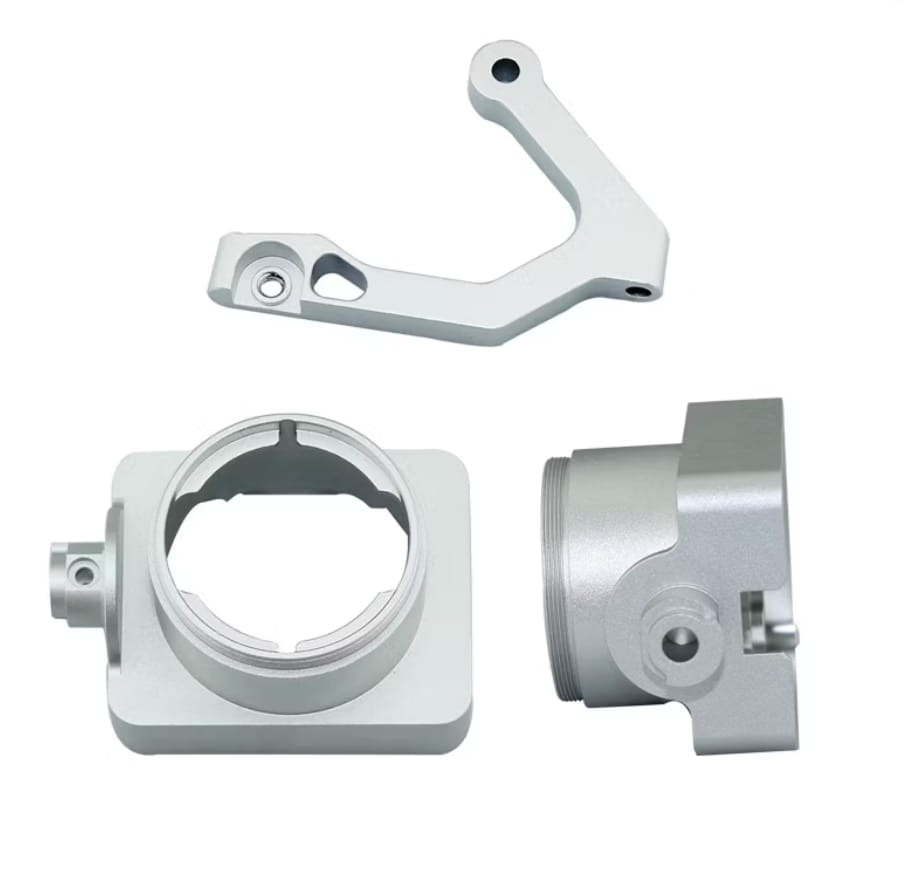
Drone die casting parts are custom aluminum components manufactured using high-pressure die casting, widely used in UAV structures such as motor mounts, frames, heat sinks, and camera housings. These parts provide an excellent strength-to-weight ratio, high precision, and cost efficiency, making them ideal for both consumer and industrial drone production.
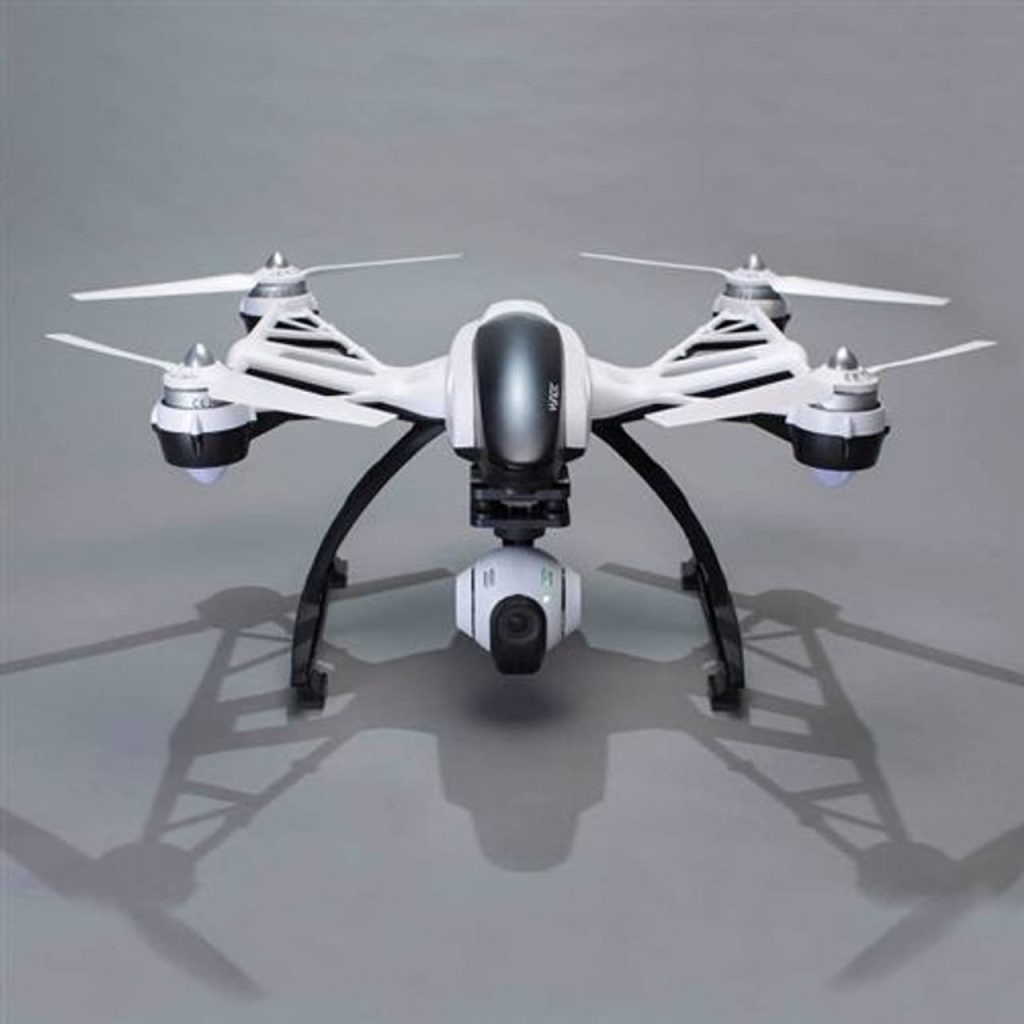
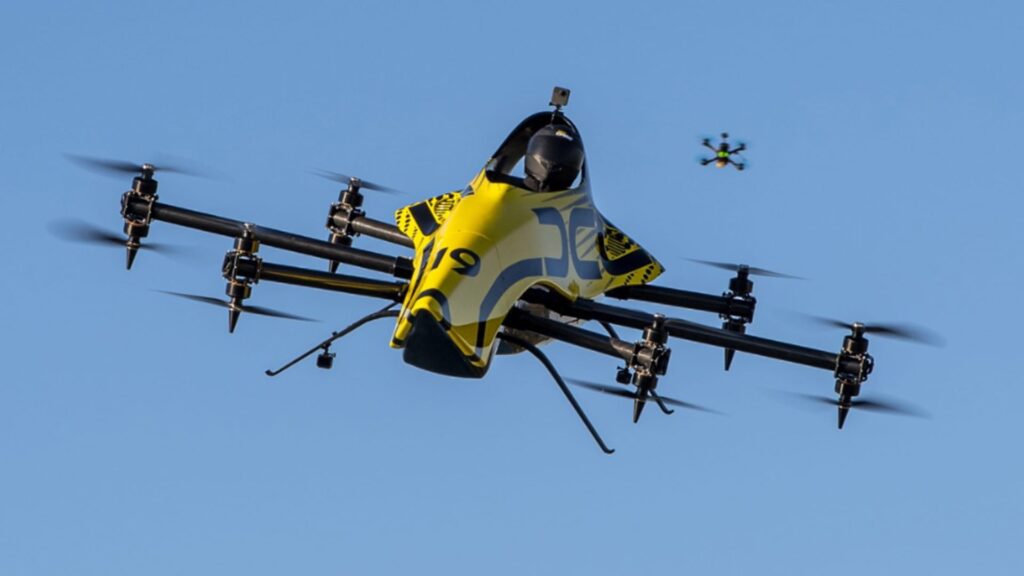
The drone industry is growing fast, from consumer quadcopters to industrial UAVs used in inspection, agriculture, and delivery. Every drone manufacturer faces the same challenge: how to make components that are lightweight, strong, and precise, without driving up production costs.
This is where aluminum die casting really makes a difference. Compared with CNC machining or 3D printing, die casting allows for consistent, durable parts that are ideal for frames, motor mounts, housings, and heat sinks. It’s especially effective when producing medium to high volumes, keeping the cost per part reasonable while maintaining quality.
At IEC MOULD, we’ve worked with drone manufacturers to produce custom aluminum UAV components that meet these exact demands. From early design discussions to final mass production, we focus on getting the weight, strength, and precision right, so your drone performs reliably in the field.
In this guide, we’ll cover:
- Why drone manufacturers increasingly rely on die casting
- Key UAV parts that benefit most from die casting
- Practical design considerations for lightweight, strong components
- Cost factors and tips for choosing the right supplier
By the end, you’ll have a clear understanding of how die casting fits into real-world drone production, and how partnering with an experienced supplier like IEC MOULD can save time, reduce cost, and improve your product performance.
Understanding parts is the first step, but selecting the right supplier is equally important. Check our guide on choosing a drone die casting supplier.
Why Drone Manufacturers Use Die Casting Instead of CNC or Carbon Fiber
When designing drone components, manufacturers often weigh several options: CNC machining, carbon fiber composites, or die casting. Each method has its pros and cons, but in real-world UAV production, aluminum die casting strikes the right balance between strength, precision, and cost.
1. 🛡️ Strength and Durability
Drone frames and motor mounts need to withstand vibration, occasional impacts, and continuous stress during flight. CNC-machined parts are strong but expensive for high-volume production, while carbon fiber is lightweight yet can be brittle in thin sections. Die-cast aluminum offers high structural strength with consistent quality, making it ideal for both hobbyist drones and industrial UAVs.
2. ⚖️Lightweight Design
Weight is critical in UAV performance. Every gram saved improves flight time and stability. By using aluminum die casting, manufacturers can produce complex shapes with thin walls and integrated ribs—features that would be difficult or costly with CNC or carbon fiber—without compromising strength. At IEC MOULD, we often optimize part geometry during DFM discussions to reduce weight while maintaining rigidity.
3. 📏Precision and Consistency
Drone electronics and sensors require precise mounting surfaces to function correctly. Die casting allows for tight tolerances and repeatable production, which is harder to achieve consistently with manual machining or hand-laid composites. This reduces assembly issues and improves flight reliability.
4. 💰Cost Efficiency for Mass Production
While CNC machining is cost-effective for prototypes or very small runs, it becomes expensive at scale. Carbon fiber requires labor-intensive layup and curing processes. Die casting, however, allows manufacturers to produce hundreds or thousands of identical UAV components quickly, keeping per-part costs lower without sacrificing quality.
5. 🏭Case in Point: IEC MOULD Experience
At IEC MOULD, we have worked with multiple drone manufacturers to produce motor mounts, frame sections, and heat sink housings using die casting. By collaborating early in the design process, we help reduce material usage, improve strength, and ensure the parts are ready for assembly and mass production. Many of our clients have seen reduced production costs of 20–30% compared to CNC alternatives, while maintaining high quality standards.
Key Drone Parts Made by Aluminum Die Casting
Aluminum die casting is widely used in the drone industry because it can produce complex, lightweight, and highly precise parts that are ready for assembly. At IEC MOULD, we’ve helped UAV manufacturers develop a range of components optimized for performance, reliability, and mass production. Here are the key drone parts where die casting really shines:
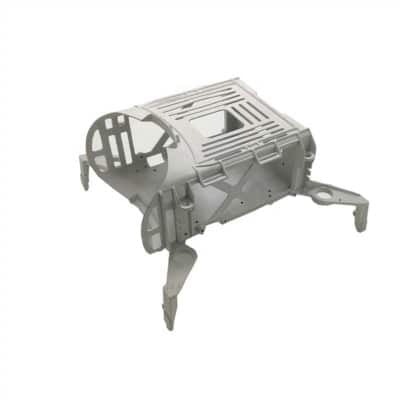
1. Drone Frames
The frame is the backbone of any UAV. It must be lightweight, rigid, and able to withstand vibrations and impacts. Aluminum die casting allows for integrated ribbing and complex geometries that reinforce structural strength without adding extra weight. This reduces assembly complexity and ensures consistent quality across production batches.
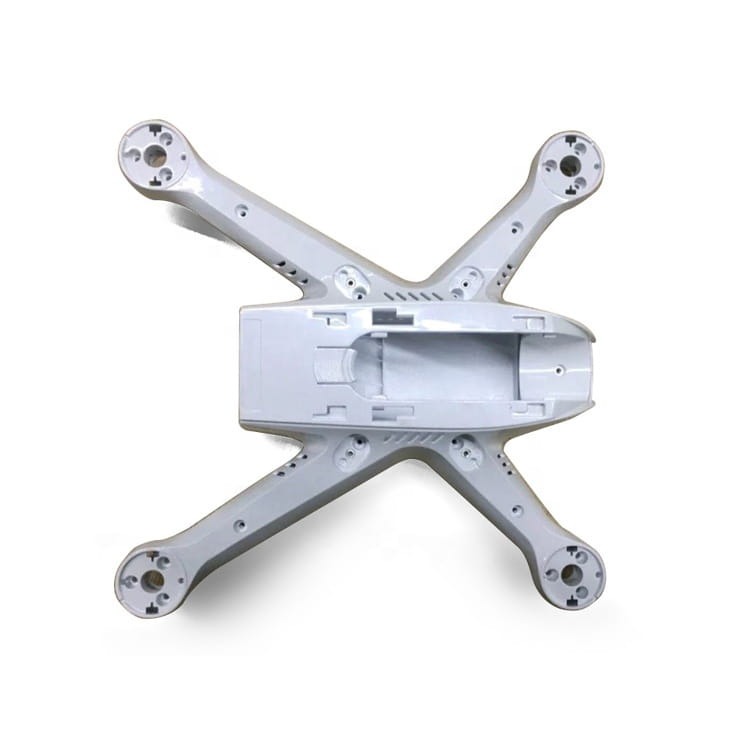
2. Motor Mounts and Arms
Motor mounts and arms experience constant rotational forces and vibration. Die-cast aluminum parts offer the precision and durability required to maintain alignment and avoid motor wobble. By casting these parts rather than machining or using composite materials, manufacturers can reduce production costs while improving stability.
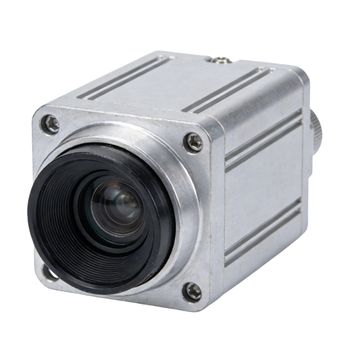
3. Camera and Gimbal Housings
High-precision housings for cameras and gimbals are critical for drone performance. Die casting provides tight tolerances and smooth surfaces, ensuring that sensors and optics are mounted accurately. This improves image stabilization and overall flight reliability.
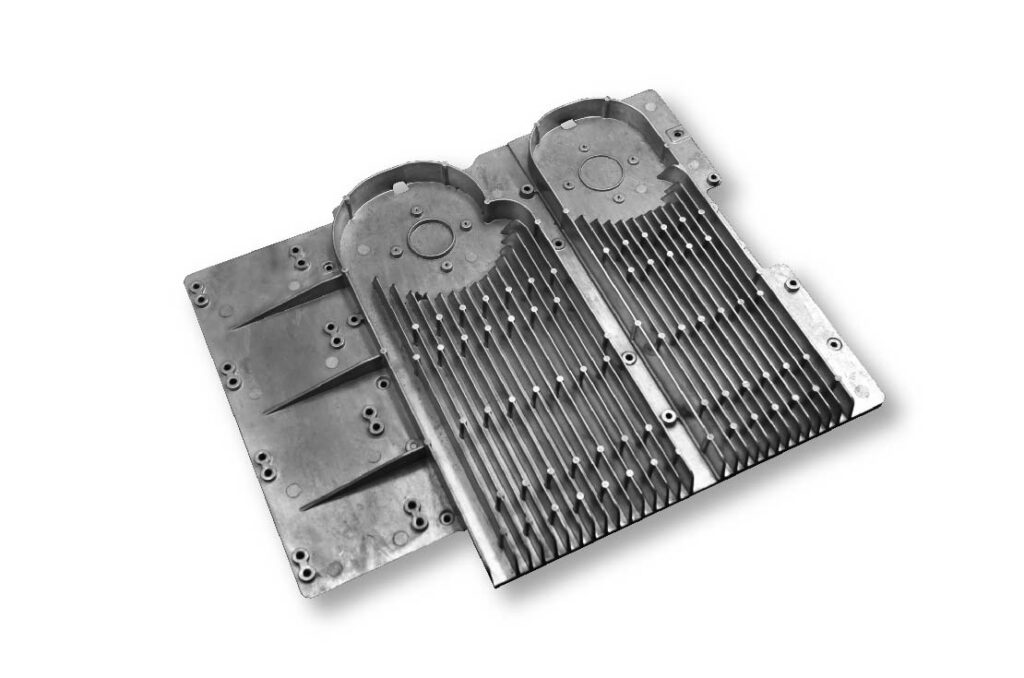
4. Heat Sinks and Thermal Management Components
Modern drones often carry multiple electronic components generating heat, such as ESCs and flight controllers. Aluminum die casting allows for efficient thermal paths, enabling integrated heat sinks or fins that improve cooling without adding extra
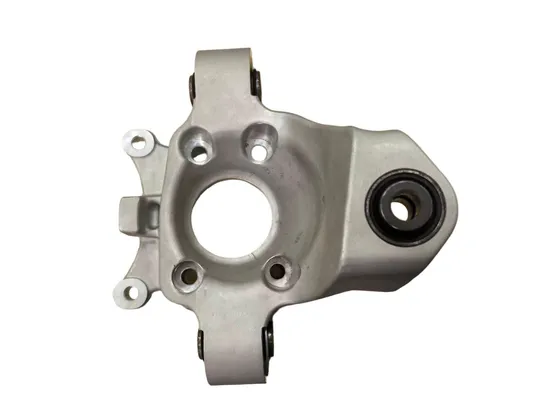
5. Landing Gear and Shock Absorbing Parts
Landing gear must absorb impact during takeoff and landing. Die-cast aluminum components can be designed with reinforced structures and energy-absorbing geometries, ensuring durability without excessive weight.
6. Small Structural and Functional Components
Other UAV components, such as battery holders, sensor brackets, and internal support plates, can also benefit from die casting. By producing these parts as integrated shapes, manufacturers reduce assembly steps, minimize tolerances stack-up, and save on material costs.
Design Considerations for Lightweight UAV Die Casting Parts
Designing die-cast components for lightweight UAVs (Unmanned Aerial Vehicles) requires a careful balance of weight, strength, thermal performance, and manufacturability. At IEC MOULD, we focus on optimizing each aspect to ensure UAV components meet engineering and operational requirements. The following key considerations help engineers and procurement teams design high-performance, lightweight die-cast parts.
1. Material Selection and Alloy Optimization
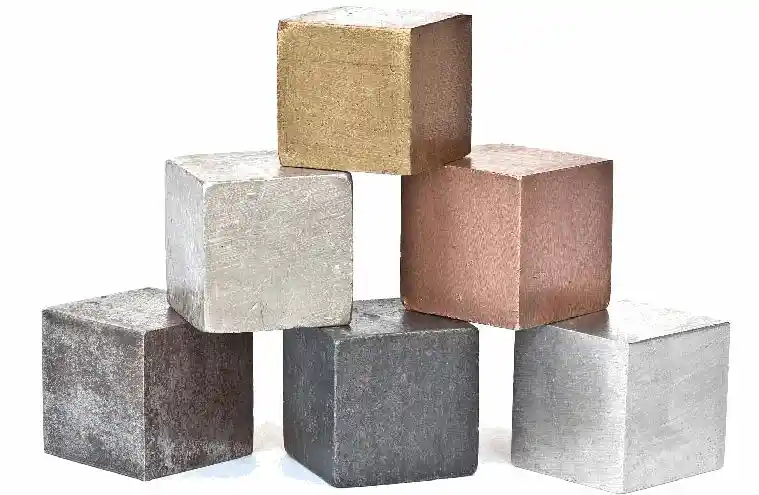
Choosing the right alloy directly impacts weight, strength, and thermal performance. Common aluminum alloys used in UAV die casting include A380, ADC12, and AlSi10Mg:
- A380 – High strength and corrosion resistance, suitable for structural components under moderate stress.
- ADC12 – Excellent fluidity and dimensional stability, ideal for complex geometries with thin walls.
- AlSi10Mg – Lightweight with superior fatigue resistance, perfect for high-performance UAV components where every gram counts.
Optimizing alloy composition—adjusting silicon, magnesium, or copper content—balances tensile strength, elongation, and thermal conductivity. The goal is a high strength-to-weight ratio that improves UAV payload capacity and flight efficiency.
2. Wall Thickness and Structural Integrity
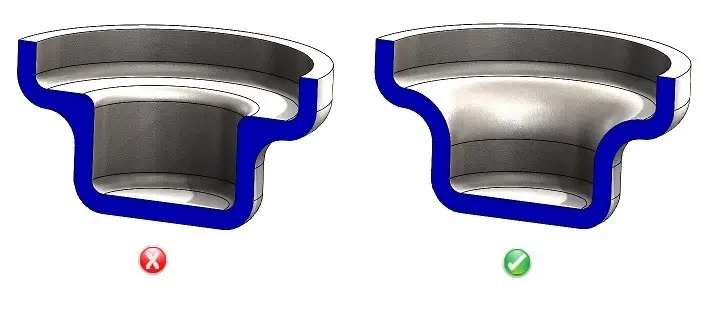
Proper wall design ensures both lightweight performance and durability:
- Maintain uniform wall thickness to reduce warping, porosity, and incomplete fills.
- Use thin walls (1.5–3 mm) where possible, reinforced with ribs, gussets, or flanges in load-bearing areas.
- FEA (Finite Element Analysis) can identify stress points and optimize wall thickness without adding unnecessary material.
Careful wall design ensures UAV parts withstand vibration, impacts, and operational loads without unnecessary weight.
3. Thermal Management and Heat Dissipation
UAV electronics and batteries generate heat that must be managed:
- Integrate thin fins or ribbing to improve natural convection.
- Select high-conductivity alloys like AlSi10Mg to efficiently transfer heat from sensitive components.
- Control thermal expansion to prevent stress on mating parts or electronics.
Effective thermal management enhances UAV reliability and prevents heat-related failures.
4. Weight Reduction Strategies and Topology Optimization
Minimizing weight is critical for UAV performance:
- Use topology optimization to remove unnecessary material while maintaining strength.
- Employ internal lattice or honeycomb structures in non-critical areas.
- Design strategic ribs and fillets to distribute stress efficiently, allowing thinner walls where possible.
These approaches extend flight time, increase payload capacity, and improve overall UAV efficiency.
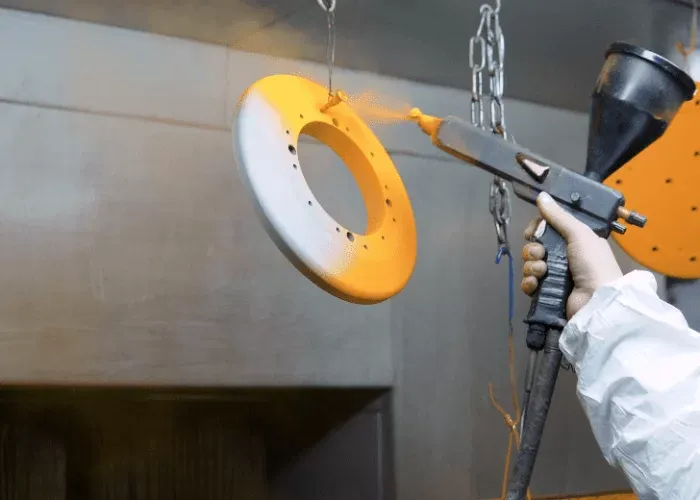
5. Surface Finish and Post-Processing Considerations
Surface quality impacts both performance and longevity:
- Smooth surfaces reduce aerodynamic drag.
- Anodizing improves corrosion resistance but must be compatible with high-silicon alloys to avoid uneven coloring.
- Powder coating or bead blasting enhances durability while keeping parts lightweight.
Integrating surface treatment considerations early reduces post-processing costs and ensures parts are ready for UAV assembly immediately after casting.
This section highlights how material choice, structural design, thermal management, and surface finish collectively determine the performance and weight efficiency of UAV die-cast parts. Thoughtful engineering ensures components meet stringent aerospace requirements while maintaining manufacturability and cost-effectiveness.
Manufacturing Process Optimization for UAV Die Casting
In real UAV die casting projects, the biggest gap between a “good design” and a “working product” usually comes from manufacturing. Many lightweight parts look perfect in CAD, but once they enter production, issues like porosity, deformation, or unstable dimensions start to appear.
From our experience at IEC MOULD, stable production is not achieved by a single factor—it’s the result of controlling every step, from mold design to final inspection.
1. Mold Design and Flow Simulation (DFM & Moldflow Analysis)
Before cutting steel, a lot of problems can already be avoided. In practice, DFM review is where engineers catch issues like:
- Walls that are too thin to fill properly
- Sharp transitions that may cause stress concentration
- Structures that trap air during filling
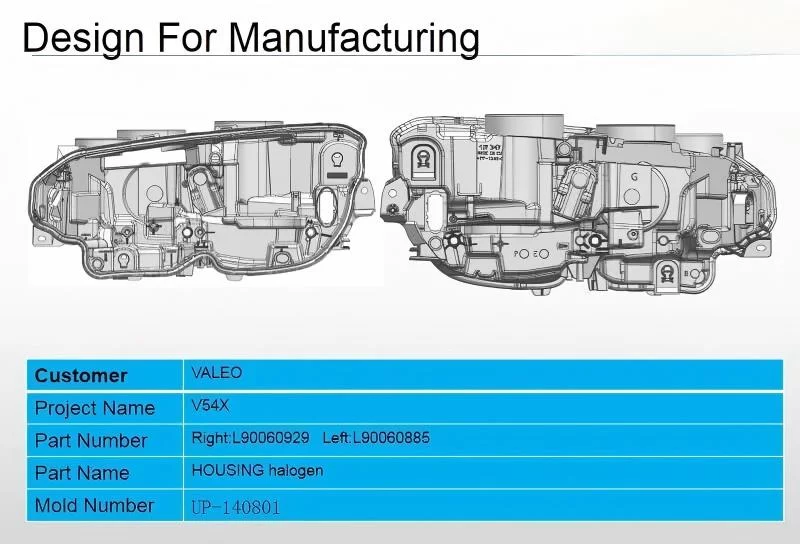
Then comes Moldflow analysis, which is especially important for UAV parts with complex geometry. It helps us see things that are impossible to judge by experience alone:
- Where the molten aluminum slows down
- Where air pockets are likely to form
- Whether the filling is balanced or not
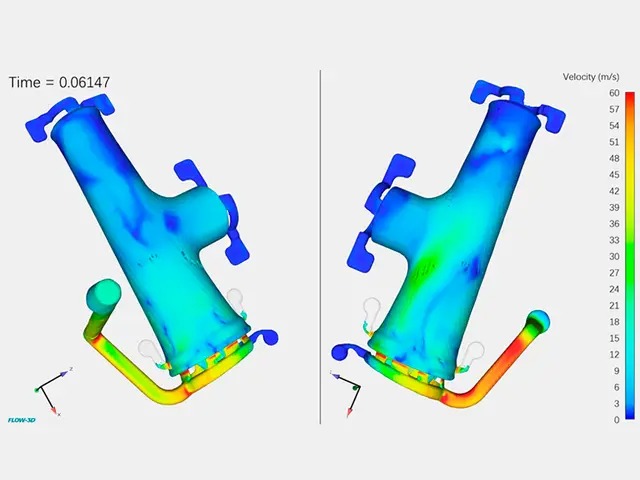
Gate position and runner layout are often adjusted several times at this stage. Doing this upfront saves a lot of trouble later during trial production.
2. High-Pressure Die Casting Process Control
Once production starts, consistency becomes the main challenge. For UAV parts—especially thin-wall structures—process parameters are very sensitive:
- Injection speed too fast → turbulence and air entrapment
- Too slow → incomplete filling
- Temperature fluctuation → unstable surface and internal defects
In real production, these are not “set once and done” parameters. They require continuous adjustment based on:
- Part geometry
- Alloy behavior
- Ambient conditions on the shop floor
Keeping this stable is what separates a reliable supplier from one that struggles with batch consistency.
3. Porosity Reduction and Structural Integrity
Porosity is probably the most common issue we see in UAV die casting. On drawings, everything looks solid. But after machining or testing, internal defects start showing up. This is especially critical for:
- Structural brackets
- Motor housings
- Sealing components
To reduce this, a few methods are commonly used:
- Vacuum die casting to remove trapped air
- Proper venting and overflow design
- Controlling solidification direction to avoid shrinkage
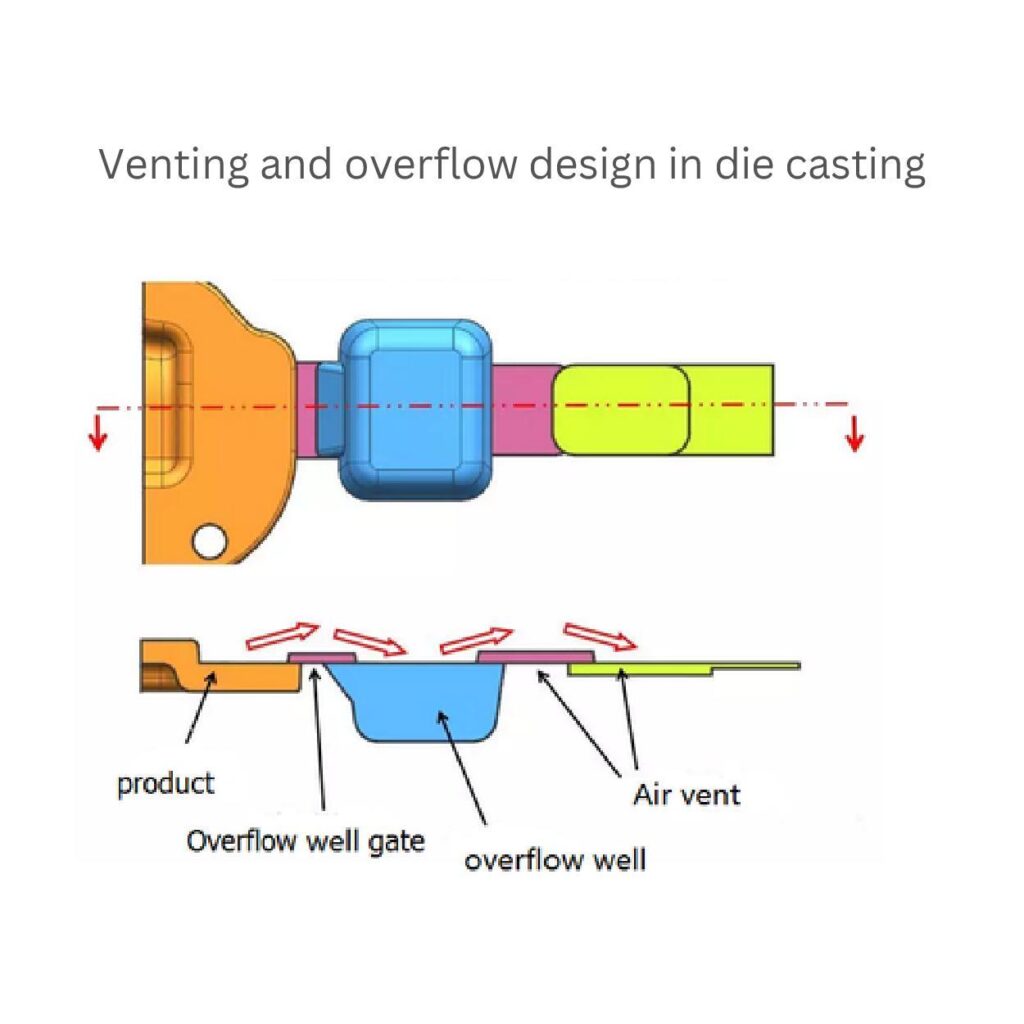
At IEC MOULD, we’ve seen that small adjustments—like changing overflow location or improving venting—can make a significant difference in internal quality.
4. Precision Machining and Tolerance Control
Die casting gets you close, but not all the way. Critical features on UAV parts still rely on CNC machining, especially:
- Bearing positions
- Assembly interfaces
- Flatness-critical surfaces
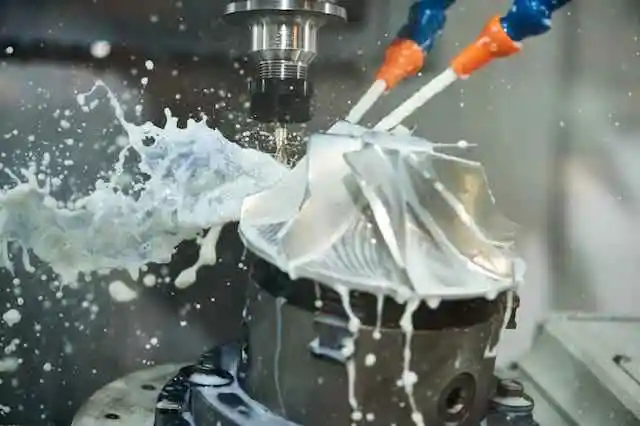
One thing that’s often underestimated is how casting variation affects machining. If the casting is not stable, machining has to “compensate,” which increases cost and scrap risk.
That’s why casting and machining should always be considered together, not as separate processes.
5. Surface Treatment and Functional Finishing
Surface finishing is not just about appearance—especially for UAV parts, For example:
- Anodizing improves corrosion resistance, but high silicon content can cause color inconsistency
- Brushing or polishing may affect dimensional edges if not controlled properly
- Shot blasting helps uniformity but may hide minor surface defects
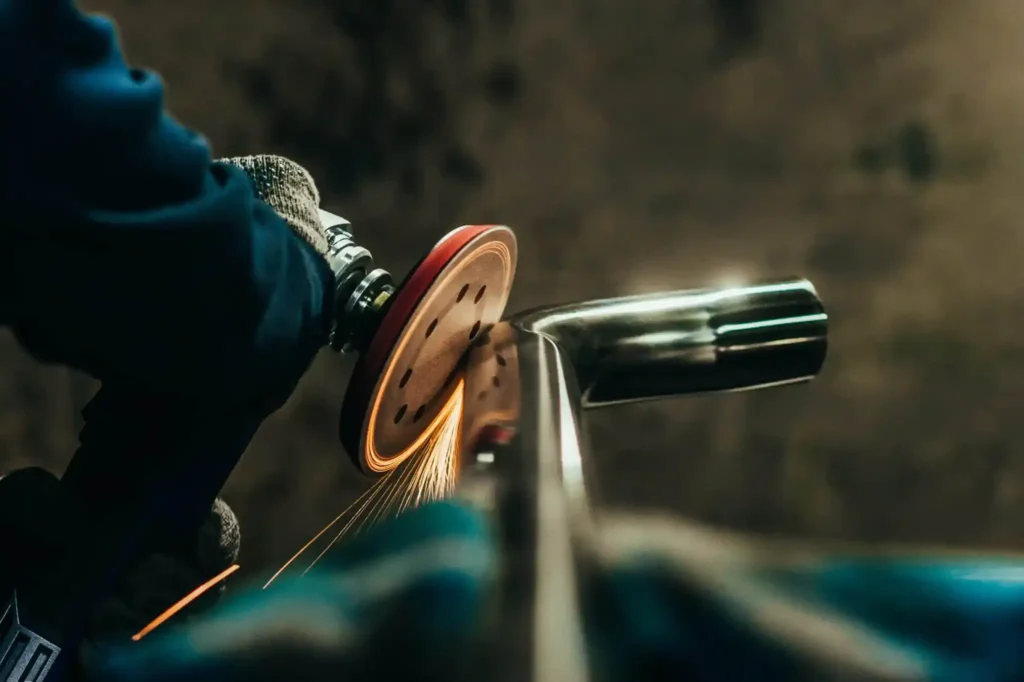
In real projects, surface treatment should be considered early, not after everything else is fixed. Otherwise, rework becomes unavoidable.
6. Quality Control and Inspection
Inspection is where many hidden problems finally show up.Typical checks for UAV die casting parts include:
- X-ray inspection → internal porosity
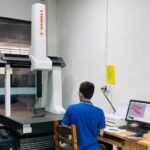
- CMM measurement → dimensional accuracy
- Leak testing → for sealed structures
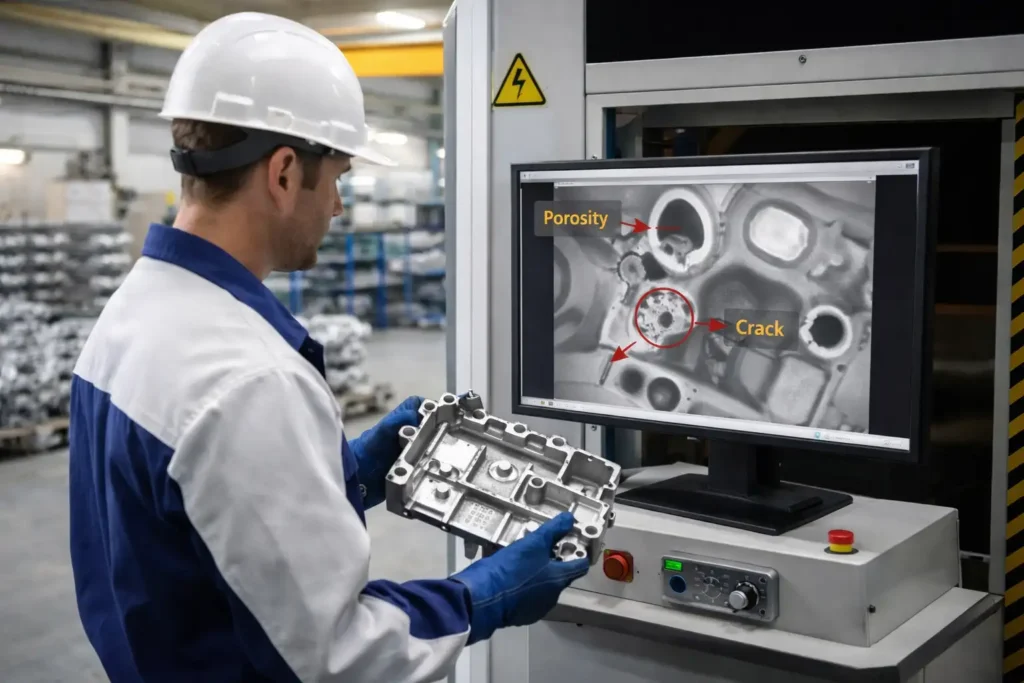
The key is not just doing inspection, but using the results to feed back into process improvement. Otherwise, defects will repeat batch after batch.
7. Scaling from Prototype to Mass Production
Many suppliers can make good samples. Fewer can maintain the same quality in mass production. The challenges usually appear when:
- Cycle time is reduced too aggressively
- Multi-cavity molds introduce variation
- Operators or shifts change
Scaling up requires:
- Process standardization
- Stable tooling condition
- Clear quality benchmarks
Without these, it’s very easy for a “perfect sample” to turn into unstable mass production.
In UAV die casting, success doesn’t come from one breakthrough—it comes from controlling dozens of small details consistently. When design and manufacturing are aligned, it becomes much easier to achieve lightweight, reliable, and production-ready components.
Common Defects in UAV/Drone Die Casting Parts (And How to Fix Them)
In UAV/Drone die casting projects, most issues don’t come from design alone—they show up during trial production or even after machining. Many customers come to us after facing repeated defects that delay their project or increase costs.
Based on real production experience, here are the most common problems in lightweight UAV die casting parts—and what actually works to fix them.
1. Porosity (Gas & Shrinkage Porosity)
Internal voids found during CNC machining
Leakage during pressure testing
Weak points in structural areas
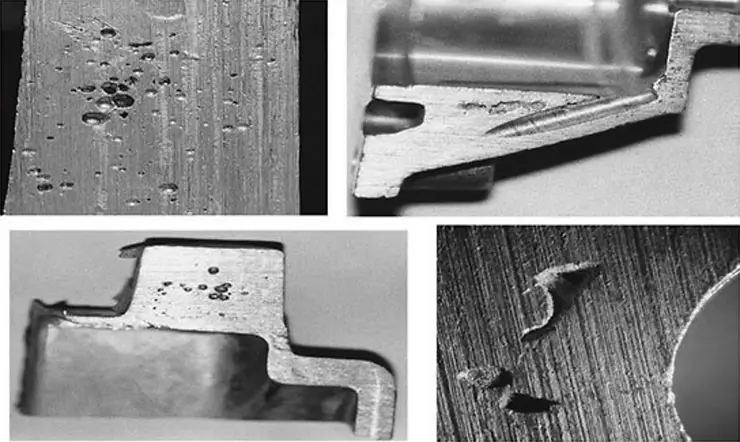
- Air trapped during high-speed injection
- Poor venting design
- Improper solidification causing shrinkage
- Use vacuum die casting to reduce air entrapment
- Improve venting and overflow layout
- Adjust gate position to ensure smoother metal flow
- Control cooling and solidification sequence
2. Cold Shut / Misrun (Incomplete Filling)
Visible lines where metal fronts didn’t fuse
Missing or incomplete thin-wall sections
Weak bonding areas
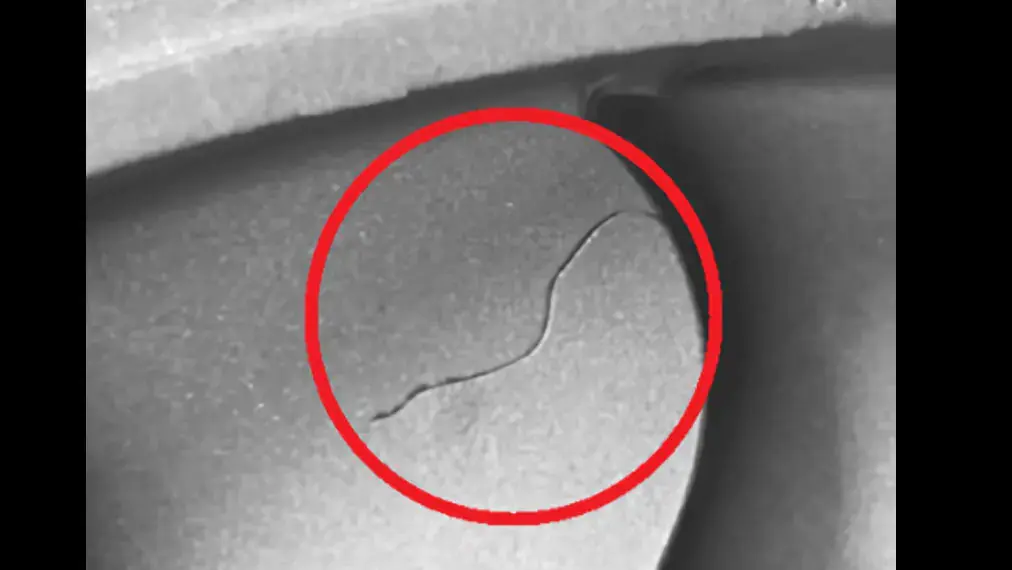
- Metal temperature too low
- Injection speed too slow
- Wall thickness too thin or uneven
- Increase pouring and die temperature
- Optimize injection speed profile
- Redesign wall thickness transitions
- Improve gate location for better flow balance
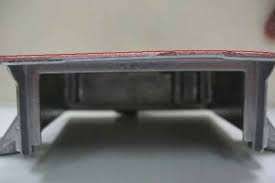
3. Warpage and Deformation
Parts bending after ejection
Flatness out of tolerance
Assembly misalignment
- Metal temperature too low
- Injection speed too slow
- Wall thickness too thin or uneven
- Increase pouring and die temperature
- Optimize injection speed profile
- Redesign wall thickness transitions
- Improve gate location for better flow balance
4. Surface Defects (Blisters, Flow Marks, Rough Finish)
Air bubbles under the surface
Flow lines affecting appearance
Uneven or rough texture after casting
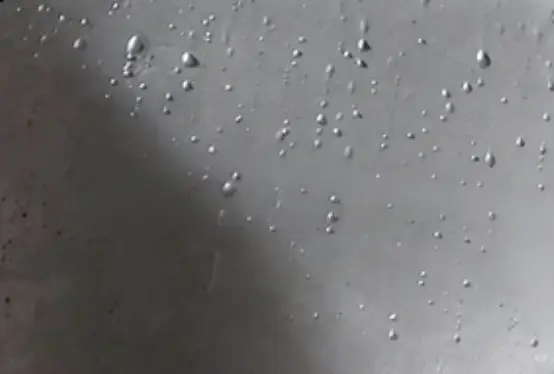
- Gas trapped near surface
- Unstable flow during filling
- Die temperature inconsistency
- Improve vacuum and venting system
- Stabilize process parameters (speed, pressure, temperature)
- Optimize die surface condition and coating
5. Dimensional Instability
Critical dimensions drifting between batches
Machining allowance inconsistent
Assembly issues during production
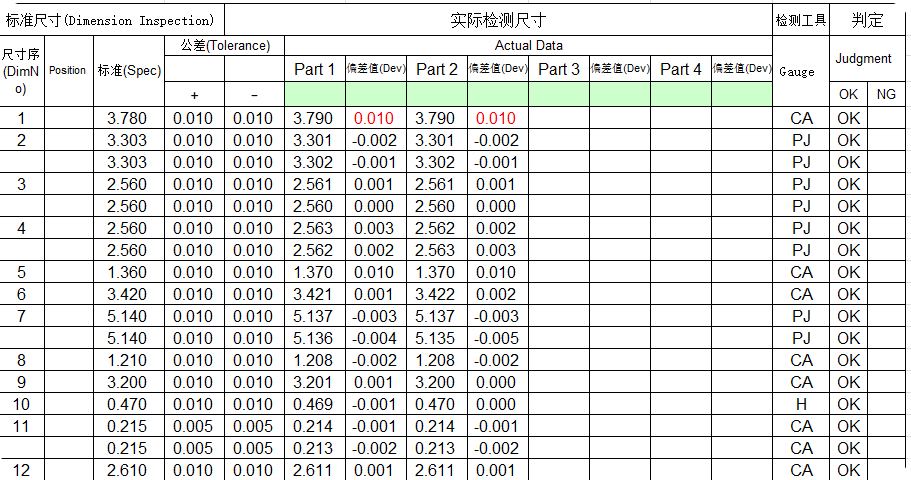
- Process variation
- Mold wear over time
- Thermal expansion not controlled
- Standardize process parameters and cycle time
- Perform regular mold maintenance and inspection
- Use in-process measurement and SPC control
6. Cracks and Structural Weakness
Cracks after machining or during testing
Failure under load or vibration
Reduced fatigue life
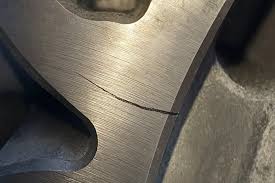
High internal stress
Sharp corners or poor design transitions
Improper alloy or heat conditions
Add fillets and smooth transitions in design
Optimize cooling rate to reduce stress
Select appropriate alloy for fatigue resistance
7. Machining Issues (Tool Breakage / Poor Finish)
Tool wear or breakage during CNC
Poor surface finish after machining
Unexpected hard spots or soft zones
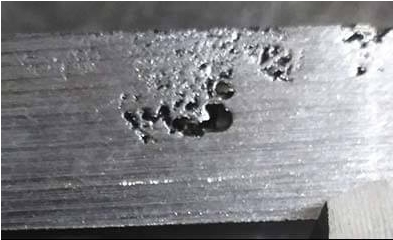
Internal porosity
Inconsistent material structure
Casting defects exposed after machining
Improve casting quality before machining
Adjust cutting parameters and tooling strategy
Ensure stable material structure across batches
From our experience at IEC MOULD, most defects are not isolated problems—they are usually the result of design, mold, and process not being fully aligned.
The key is not just fixing defects after they appear, but identifying risks early and preventing them during design and tooling stages. This approach saves time, reduces cost, and ensures UAV components meet performance expectations from the very beginning.
How to Choose the Right UAV Die Casting Supplier
For UAV projects, choosing the right die casting supplier is often more critical than the design itself. Many projects run into delays, quality issues, or cost overruns—not because the design is wrong, but because the supplier cannot consistently execute it.
Whether you are an engineer, a sourcing manager, or a project owner, here are the key factors that actually matter when selecting a reliable UAV die casting partner.
1. Engineering Support, Not Just Manufacturing
A good supplier doesn’t just “make parts”—they help you avoid problems before production. What to look for:
- Ability to provide DFM feedback before tooling
- Experience with Moldflow analysis and design optimization
- Understanding of lightweight structures and UAV applications
In many cases, early engineering input can eliminate multiple rounds of mold modification later.
2. Experience with Thin-Wall and Complex Structures
UAV components are very different from general industrial die castings. Typical challenges include:
- Thin walls (often 1.5–3 mm)
- Complex internal structures
- High requirements for weight reduction
A supplier without this experience may struggle with:
- Incomplete filling
- High scrap rates
- Unstable quality
Always ask for similar project experience, not just general die casting capability.
3. In-House Capabilities (End-to-End Control)
Managing multiple vendors increases risk and slows down communication. A more reliable setup includes:
- Mold design and manufacturing
- Die casting production
- CNC machining
- Surface treatment coordination
At IEC MOULD, we’ve seen that projects move much faster when these processes are aligned internally, especially when design changes or troubleshooting is needed.
4. Quality Control System You Can Trust
For UAV parts, quality is not just about appearance—it’s about performance and reliability. Key things to check:
- Do they use X-ray inspection for internal defects?
- Do they have CMM measurement reports?
- Can they support leak testing or functional testing?
Also important: Can they explain why a defect happened, not just fix it?
5. Ability to Scale from Prototype to Mass Production
Many suppliers can deliver good samples. Fewer can maintain consistency in volume production. Watch for:
- Process stability across batches
- Control over cycle time vs. quality balance
- Experience with multi-cavity molds
This becomes critical when your UAV project moves from testing to market launch.
6. Communication and Responsiveness
This is often underestimated—but in real projects, it makes a huge difference. A reliable supplier should:
- Respond quickly to technical questions
- Provide clear and practical feedback, not generic answers
- Be transparent about risks and limitations
Good communication reduces misunderstandings, especially when working across countries and time zones.
7. Cost vs. Total Project Risk
The lowest unit price is not always the lowest overall cost. Hidden costs often come from:
- Rework and scrap
- Delays in tooling or production
- Assembly issues caused by poor tolerances
A slightly higher upfront cost with a capable supplier can significantly reduce total project risk and time-to-market.
Choosing a UAV die casting supplier is not just a purchasing decision—it’s a technical partnership. The right partner helps you reduce risk, improve product performance, and accelerate project timelines.
From our experience at IEC MOULD, the most successful projects are those where engineering, manufacturing, and quality teams work closely together from the very beginning—rather than trying to fix problems after production starts.
Why Work with IEC MOULD for UAV Die Casting Projects
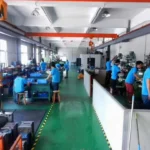
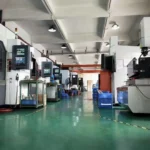
For many UAV projects, the challenge is not just finding a supplier—but finding one that is flexible enough to support both development and production. At IEC MOULD, we try to keep things simple and practical for our customers:
- No strict MOQ requirement
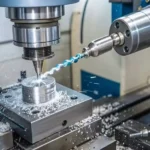
Whether you are at prototype stage or small batch testing, we can support without forcing high volumes upfront. - One-stop die casting solution
From mold design, die casting, CNC machining to surface finishing, everything is coordinated in one place—saving time and avoiding miscommunication. - Flexible support during development
Design changes, structure adjustments, or trial modifications are common in UAV projects. We work with you to make these changes quickly. - Stable transition to mass production
Once the design is confirmed, we help ensure the process remains consistent when scaling up—not just good samples. - Clear and direct communication
No over-promising—just practical feedback based on what can actually be achieved in production.

Start from Where You Are
You don’t need a complete project package to get started. Whether you have:
- 3D drawings
- A rough idea
- Or even an existing part with issues
We can take a look and give you straightforward feedback.
In many cases, a short discussion can help identify issues that may cost weeks later.