
Why Auto Die Casting Is Critical in Automotive Industry
In modern automotive manufacturing, auto die casting is a core process used to produce lightweight, high-strength, and cost-efficient metal components.
It is widely used in:
- EV battery housings
- Motor and gearbox housings
- Structural components
- Thermal management parts
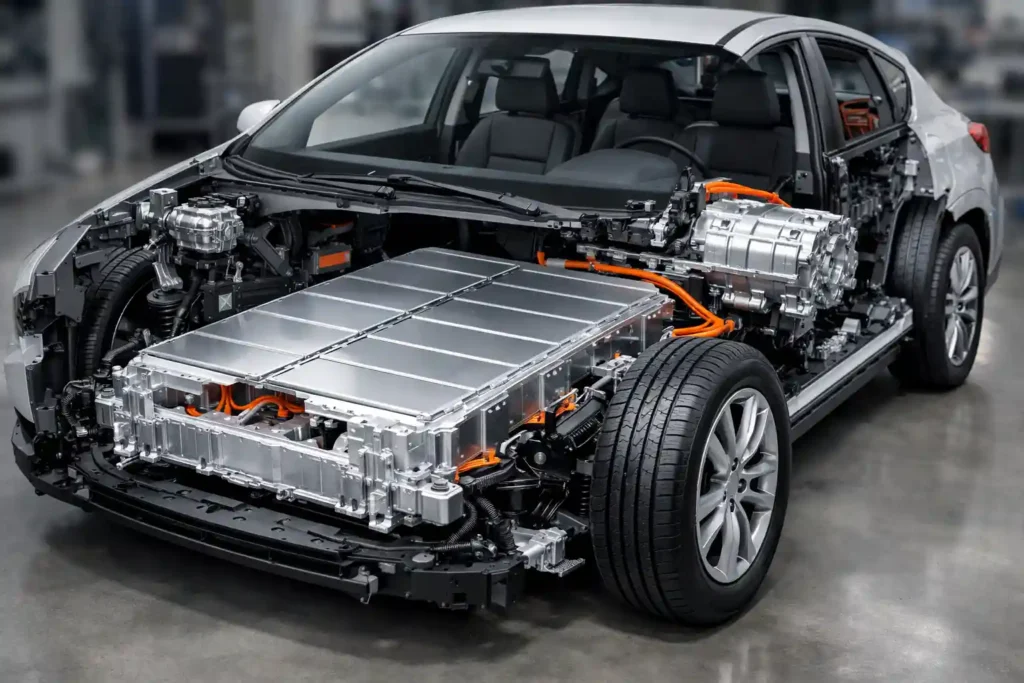
As vehicle design becomes more integrated and lightweight, OEMs rely heavily on a reliable auto die casting manufacturer to ensure stable production and consistent quality.
Choosing the wrong supplier can lead to:
- High defect rates
- Unstable delivery
- Increased total cost
That is why supplier selection is a strategic decision—not just a purchasing task.
Manufacturing Capability & Production Scale
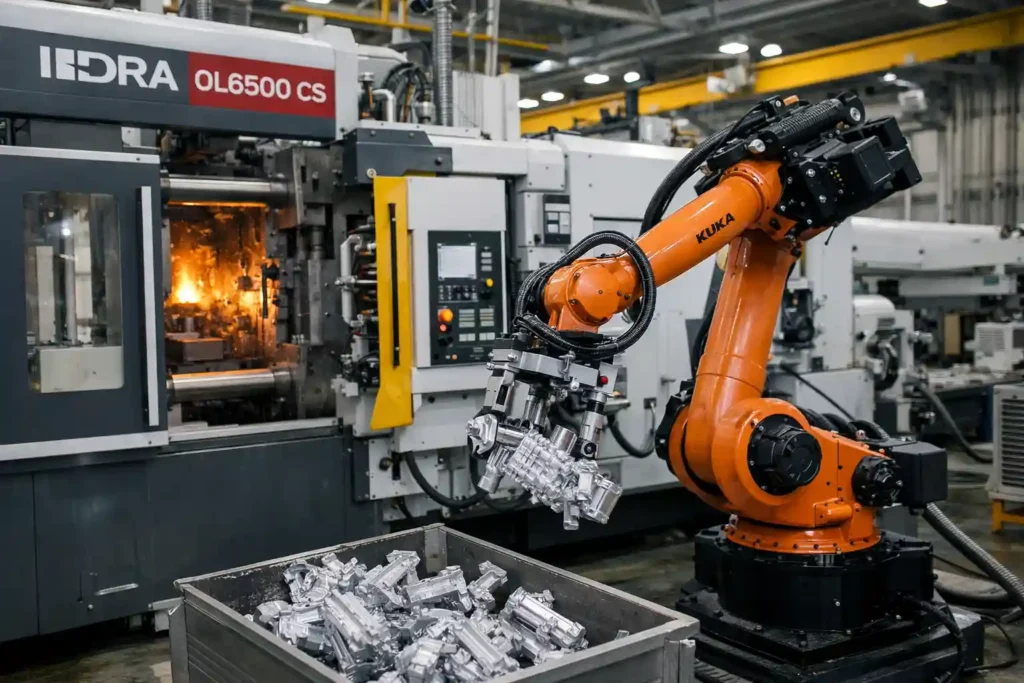
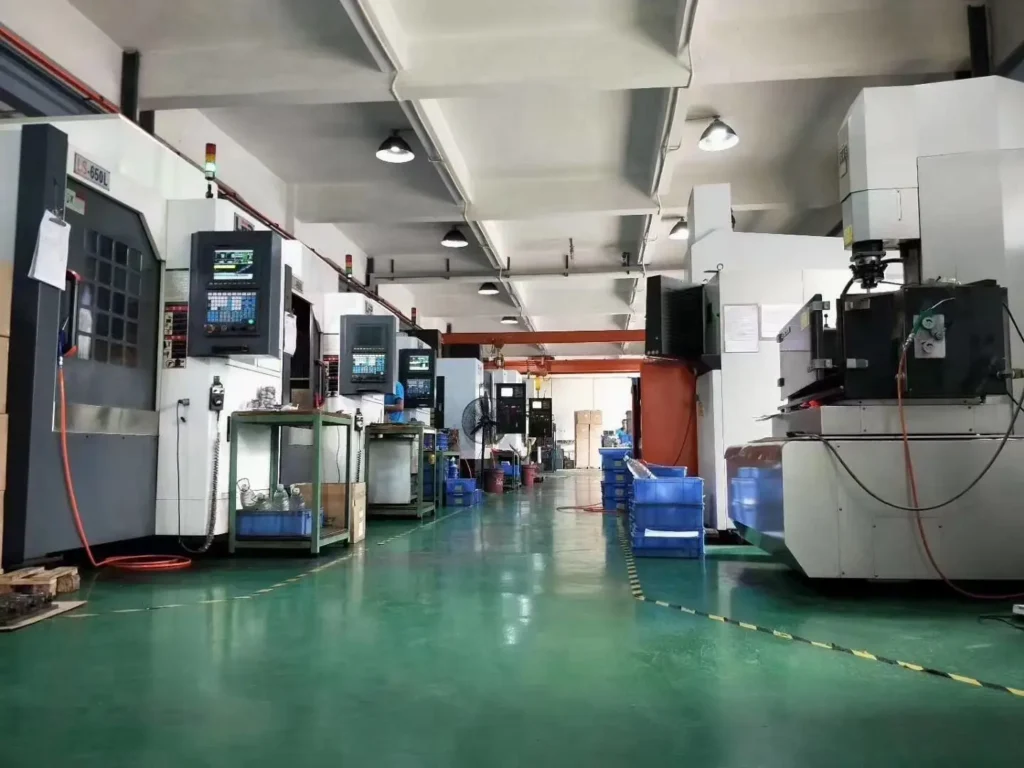
A reliable auto die casting manufacturer must demonstrate not only equipment capacity, but also process stability under continuous production conditions.
In real automotive projects, production runs for months or even years. The key challenge is not making good samples—but maintaining consistent quality across every batch.
| Item | Why It Matters | Ideal Standard |
|---|---|---|
| Machine tonnage | Determines part size range | 200T–2000T+ |
| Production capacity | Ensures delivery stability | Scalable output |
| Automation level | Reduces human error | Robotic integration |
| CNC capability | Improves precision | In-house |
What Defines Real Production Capability:
- Process repeatability
Stable control of injection speed, pressure, and temperature ensures identical results in every cycle - Automation integration
Robotic systems reduce surface damage and improve consistency - Scalability
Ability to increase production without quality fluctuation
👉 Key insight: Many suppliers can make samples, but only a few can maintain stable quality at scale.
Engineering & DFM (Design for Manufacturability) Support
A professional auto die casting supplier should act as an engineering partner during the early stage of product development.
Poor design is one of the main causes of defects and high cost in die casting.
Engineering Support Scope
A capable supplier should provide:
- Wall thickness optimization
- Draft angle design
- Rib reinforcement structure
- Gate and runner system optimization
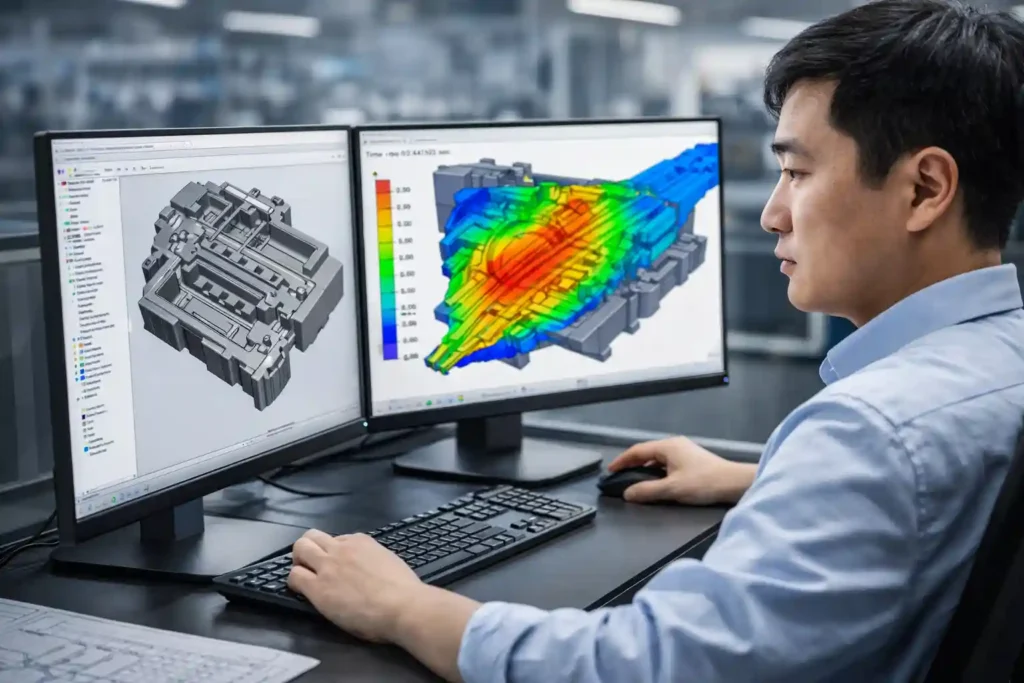
Why DFM Matters in Auto Die Casting
In auto die casting, DFM (Design for Manufacturability) is not just a design step—it directly determines whether a part can be produced efficiently, consistently, and at a reasonable cost.
Without proper DFM, even a well-designed product may face serious manufacturing challenges during mass production.
1. Common issues without DFM optimization:
- Complex geometry that is difficult to cast
- Uneven wall thickness causing shrinkage or deformation
- Poor mold flow leading to porosity defects
- Increased machining requirements after casting
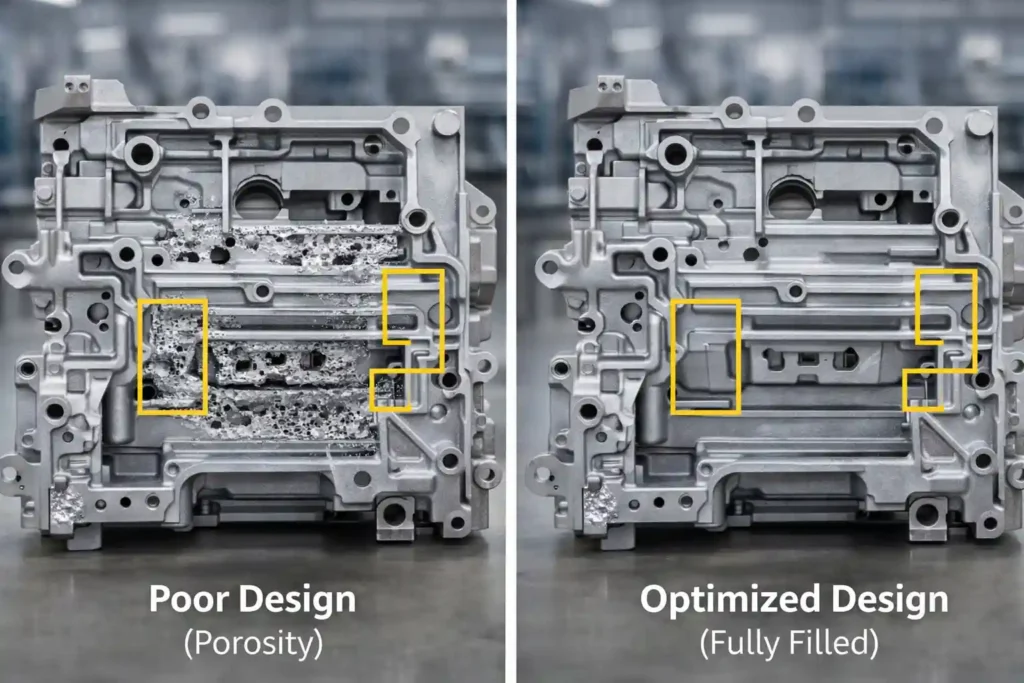
2. How proper DFM improves production results:
- Optimizes part structure for stable mold filling
- Reduces internal defects such as porosity and shrinkage
- Minimizes unnecessary machining operations
- Extends mold life by reducing stress
👉 DFM ensures your design is not only functional, but also manufacturable at scale.
Tooling Quality & Die Life Control
In auto die casting manufacturing, the mold is the most critical long-term asset.
It directly affects:
- Product consistency
- Scrap rate
- Cost per part
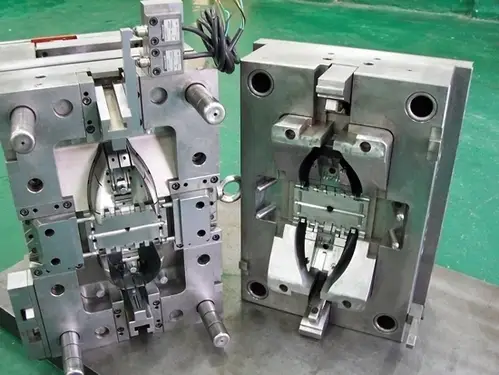
| Tool Level | Die Life | Risk | Application |
|---|---|---|---|
| Low-end | <50,000 shots | High | Prototype |
| Mid-range | 50k–150k | Medium | Small batch |
| High-end | 150k–500k+ | Low | Mass production |
Key Technical Factors
- Mold steel selection (H13 / SKD61) → improves durability
- Cooling system design → reduces shrinkage & deformation
- Gate design → prevents turbulence and porosity
👉 Insight: Cheaper molds often result in higher long-term production cost.
Material Selection & Alloy Expertise
Material selection determines performance and durability of auto die casting parts.
| Material | Advantages | Applications |
|---|---|---|
| Aluminum | Lightweight, corrosion-resistant | Automotive housings |
| Magnesium | Ultra-lightweight | EV structural parts |
| Zinc | High precision | Small components |
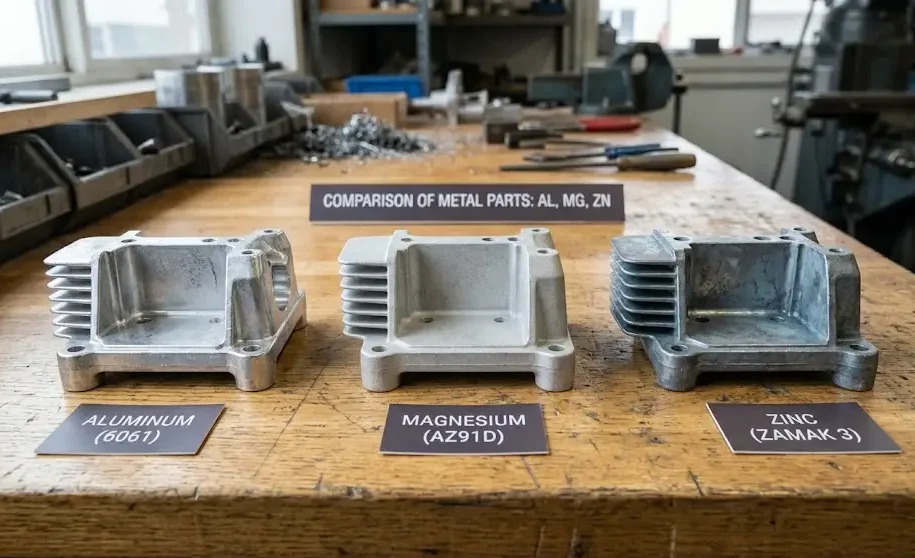
A reliable aluminum die casting supplier ensures:
- Stable composition
- Controlled melting process
- Traceable material batches
Precision, CNC Machining & Surface Finish
In automotive applications, die casting alone cannot meet all precision requirements.
Where Precision Matters
- Sealing surfaces
- Bearing interfaces
- Assembly holes
These areas often require:
👉 CNC machining tolerance of ±0.02–0.05 mm
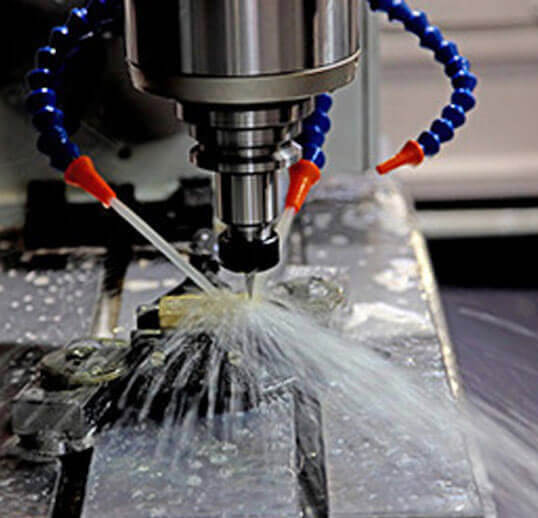
| Process | Purpose |
|---|---|
| CNC machining | High precision features |
| Anodizing | Corrosion resistance |
| Powder coating | Surface protection |
| Shot blasting | Surface uniformity |
👉 Integrated services reduce cost and lead time.
Mold Design & Lifecycle Management
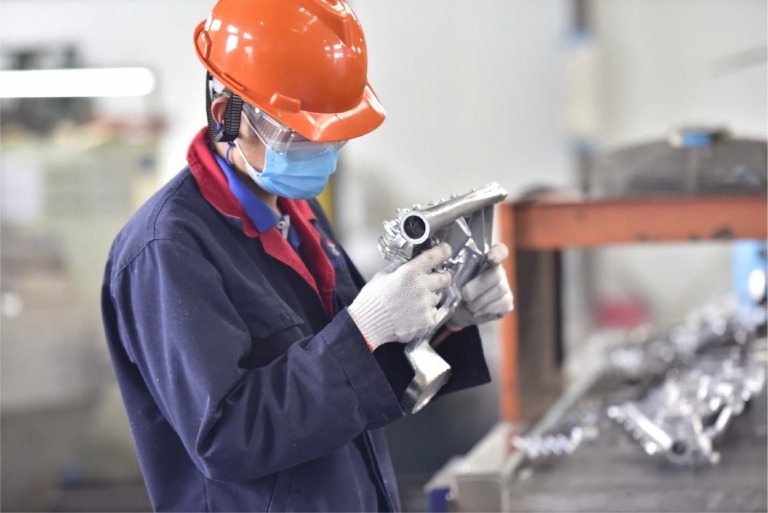
A high-quality mold ensures stable production and long-term cost control.
Key factors:
- Cooling system design
- Gate layout optimization
- Maintenance strategy
👉 Mold performance directly affects defect rate and production efficiency.
Cost Structure & Supply Chain Reliability
Cost is not just unit price—it is total lifecycle cost.
| Cost Type | Description |
|---|---|
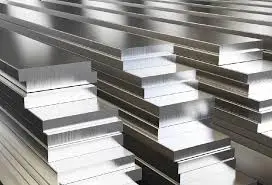
| Tooling | Initial mold investment |
| Production | Material + machine cost |
| Secondary processing | CNC / finishing |
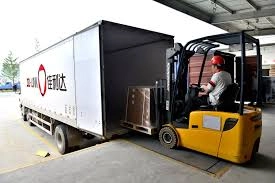
| Logistics | Shipping & delivery |
Hidden Cost Drivers
- Scrap rate
- Rework
- Production delays
- Logistics inefficiency
👉 Cheap suppliers often create higher hidden costs.
Common Mistakes When Choosing a Die Casting Supplier
Choosing the wrong auto die casting manufacturer often leads to long-term production risks rather than immediate problems. Many issues only appear after mass production begins—when the cost of correction is already high.
Below are the most common mistakes buyers make, along with how to identify and avoid them.
1. Focusing Only on Unit Price
Many buyers select a die casting supplier based on the lowest quotation.
However, a low price often hides critical risks such as:
- High scrap rate
- Poor dimensional consistency
- Short mold lifespan
👉 Reality: A cheaper supplier can increase total cost through rework, delays, and quality issues.
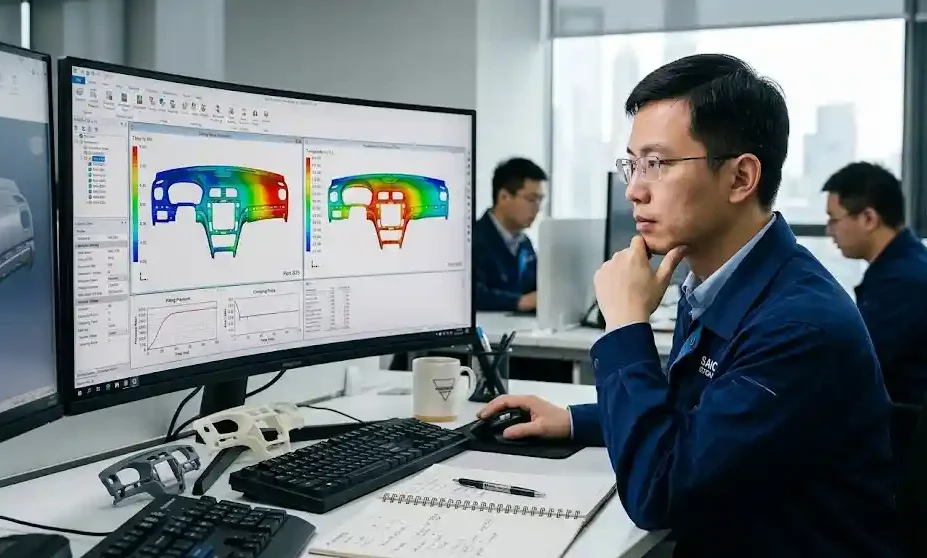
2. Ignoring Engineering Capability (DFM Support)
Some suppliers only manufacture based on drawings without providing design feedback.
Without DFM support:
- Design flaws remain unresolved
- Defects appear during production
- Tooling risk increases significantly
👉 A professional auto die casting company should actively optimize your design—not just follow it.
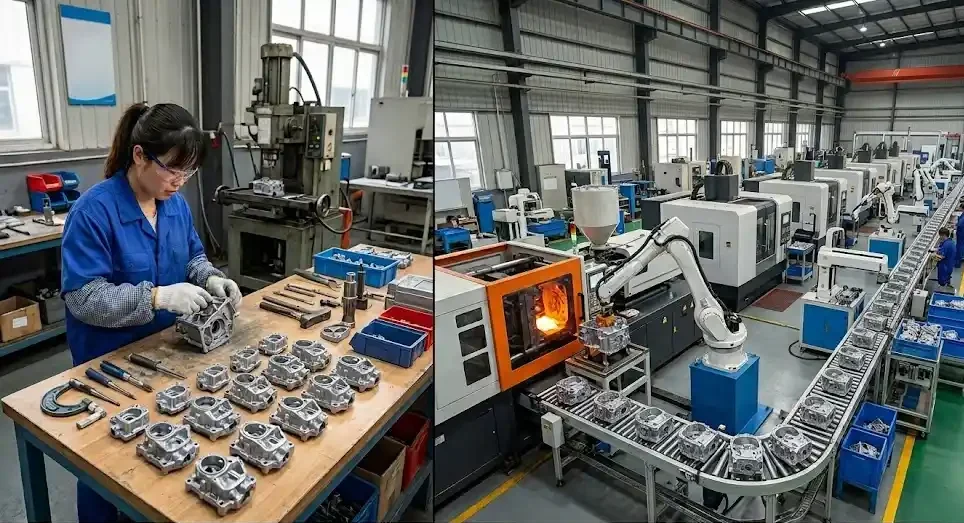
3. Not Verifying Mass Production Experience
Many factories can produce samples, but lack experience in stable high-volume production.
Warning signs include:
- Inconsistent sample quality
- Lack of process control documentation
- No long-term automotive projects
👉 Always ask for real production cases, not just prototypes.
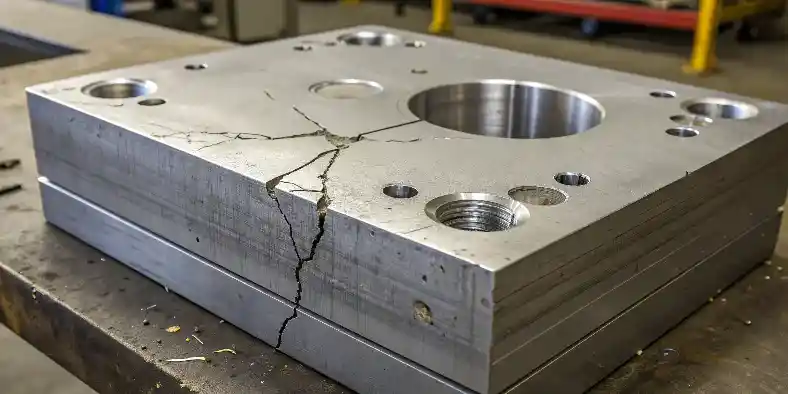
4. Overlooking Tooling Quality and Mold Life
Tooling is often treated as a one-time cost, but it directly affects long-term performance.
Poor tooling leads to:
- Frequent maintenance
- Production interruptions
- Increasing defect rates over time
👉 Mold quality should be evaluated based on lifecycle cost, not initial price.
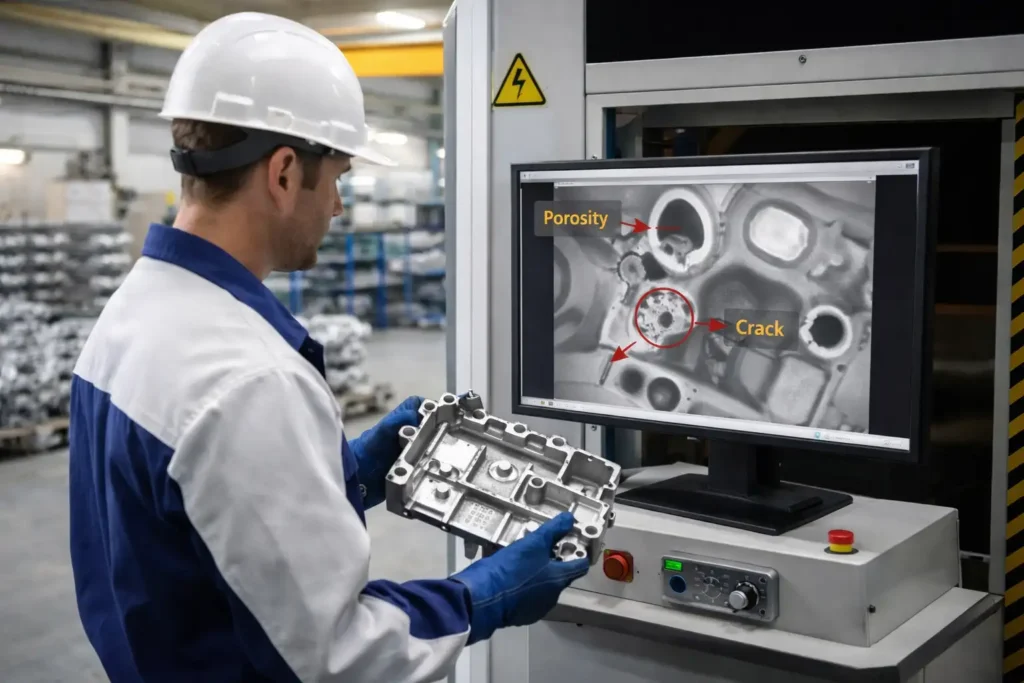
5. Weak Quality Control System
Some suppliers claim certifications but lack real process control.
Risks include:
- No traceability
- Inconsistent inspection standards
- High variation between batches
👉 A reliable auto die casting manufacturer must demonstrate real, measurable quality control—not just certificates.
| Risk Area | Warning Sign | Impact |
|---|---|---|
| Pricing | Much lower than market | Hidden cost risk |
| Engineering | No DFM support | Design defects |
| Production | No mass production cases | Unstable output |
| Tooling | Low-cost mold only | Short lifespan |
| Quality | No traceability | Inconsistent quality |
Advanced Supplier Evaluation Checklist (For Automotive Buyers)
Selecting a reliable auto die casting supplier requires a structured evaluation—not just general comparison.
Below is a practical checklist used by automotive OEMs and experienced buyers.
Step 1: Engineering Capability Assessment
| Item | What to Check | Why It Matters |
|---|---|---|
| DFM support | Can they suggest design improvements? | Reduces defects |
| Simulation capability | Mold flow analysis available? | Predicts risk early |
| Engineering response | Fast and technical replies? | Improves efficiency |
Step 2: Manufacturing Capability Verification
| Item | What to Check | Why It Matters |
|---|---|---|
| Machine range | 200T–2000T+ available? | Handles different parts |
| Automation level | Robotic systems? | Improves consistency |
| Production capacity | Monthly output? | Ensures delivery |
Step 3: Quality System Evaluation
| Item | What to Check | Why It Matters |
|---|---|---|
| Certification | IATF 16949 / ISO 9001 | Automotive requirement |
| Inspection system | In-process + final inspection | Prevents defects |
| Traceability | Batch tracking available? | Risk control |
Step 4: Tooling & Engineering Depth
| Item | What to Check | Why It Matters |
|---|---|---|
| Mold design | In-house capability? | Better control |
| Mold life | Expected shot count? | Cost efficiency |
| Maintenance plan | Preventive system? | Stability |
Step 5: Cost & Supply Chain Reliability
| Item | What to Check | Why It Matters |
|---|---|---|
| Cost transparency | Clear breakdown? | Avoid hidden cost |
| Lead time | Stable delivery? | Production planning |
| Export experience | Global shipping capability? | Reduces risk |
✅ Final Decision Rule
A qualified auto die casting manufacturer should meet at least:
- ✔Strong engineering support
- ✔ Proven mass production capability
- ✔ Automotive-level quality system
- ✔ Reliable tooling performance
- ✔ Transparent and stable cost structure
Conclusion
Choosing a reliable auto die casting manufacturer requires evaluating:
- Engineering capability
- Production stability
- Tooling performance
- Quality system
- Cost efficiency
A professional supplier ensures not only product quality, but also long-term supply chain stability.



FAQ
What is auto die casting used for?
It is used to produce lightweight, high-strength automotive components such as housings, brackets, and EV parts.
What materials are used in auto die casting?
Common materials include aluminum, magnesium, and zinc alloys.
How to choose a reliable supplier?
Evaluate engineering support, production capability, quality system, and tooling expertise.
Why is DFM important?
DFM ensures the part can be manufactured efficiently with minimal defects and cost.
What affects die casting cost?
Tooling, material, production efficiency, machining, and logistics all impact total cost.
Ready to Work with a Reliable Auto Die Casting Manufacturer?
Choosing the right auto die casting partner can make the difference between a smooth production process and costly delays.
If you are planning a new automotive project or looking to improve your current supply chain, working with an experienced manufacturer will help you:
- Reduce production risks and defects
- Optimize cost through engineering support
- Ensure stable, long-term mass production
- Accelerate your time-to-market
Let’s Make Your Project Easier
Our engineering team is ready to support you with:
- Free DFM analysis
- Fast quotation within 24 hours
- Professional guidance on materials, tooling, and production
👉 Send us your drawings or requirements now
👉 Get a professional quote and engineering feedback within 24 hours