Introduction
The drone and UAV industry is rapidly expanding, with demands for lightweight, high-strength, and precise components increasing every year. Choosing the right aluminum die casting supplier can make or break your project, whether you’re producing drone frames, heat sinks, or intricate structural parts.
For many companies, sourcing from China’s die casting manufacturers is cost-effective, but finding a supplier who meets quality, reliability, and technical capability requirements can be challenging.
This guide is designed to help engineers, procurement teams, and quality control professionals evaluate and select the best aluminum die casting suppliers for drone projects. You’ll learn the key criteria, common mistakes to avoid, and practical tools to assess suppliers before making a commitment.
By the end of this guide, you will have a clear roadmap to choose a supplier that ensures high precision, on-time delivery, and optimal cost-performance, while minimizing production risks.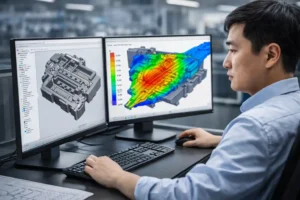
Why Aluminum Die Casting is Essential for Drone Parts
Aluminum die casting has become the preferred manufacturing method for drone and UAV components due to its unique combination of lightweight, strength, and precision. Here’s why:
✅1. Lightweight Design
Drones require highly lightweight components to improve flight time, efficiency, and payload capacity. Aluminum die casting allows for complex shapes with reduced weight without compromising structural integrity.
✅2. High Strength and Durability
Aluminum alloys used in die casting, such as A380 or ADC12, provide excellent mechanical strength. Components like drone frames, motor mounts, and structural brackets need to endure vibration, stress, and impact during flight, and aluminum die casting ensures the reliability required.
✅3. Precision and Complex Structures
Aluminum die casting can produce tight-tolerance, intricate components in a single mold, reducing assembly errors and post-processing requirements. For UAV parts, this precision is critical for balancing propellers, motors, and structural alignment.
✅4. Cost Efficiency and Scalability
Compared to CNC machining or other methods, aluminum die casting enables high-volume production with consistent quality, lowering per-unit cost while maintaining tight tolerances. It also supports small and medium batch production, ideal for drone prototyping and scaling up.
💡 Tip: For detailed technical insights into the die casting process, common defects, and UAV-specific applications, you can refer to our guide on drone die casting parts.
Key Requirements When Choosing a Die Casting Supplier for Drones
Selecting the right aluminum die casting supplier for drone and UAV components requires more than just comparing prices. It involves evaluating technical capability, quality systems, responsiveness, and long-term reliability.
Below are the key factors engineers, procurement teams, and quality managers should consider when choosing a supplier.
✅1. Manufacturing Capability for Precision UAV Parts
When it comes to drone components, precision is critical. A reliable supplier should have the ability to produce high-accuracy aluminum die casting parts with consistent quality. Key aspects to evaluate include:
1.Availability of advanced die casting machines (HPDC or LPDC)
2.CNC machining capabilities for post-processing
3.Ability to handle complex geometries and thin-wall structures
4.Production capacity for both prototype and mass production
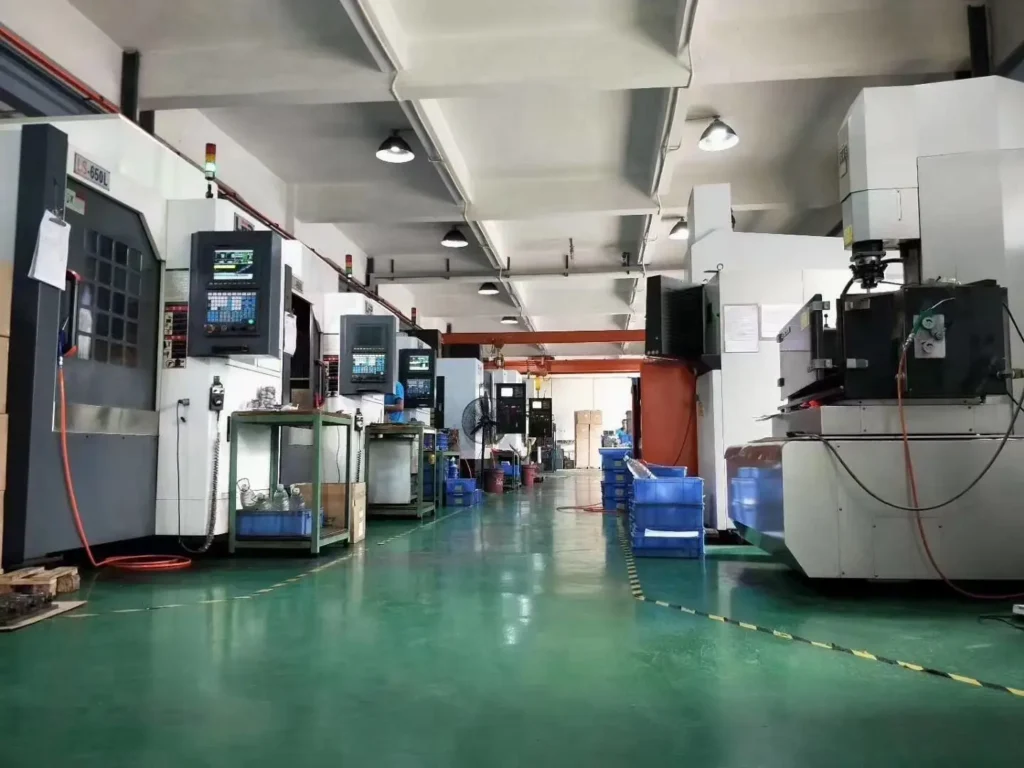
Suppliers with strong manufacturing capabilities can ensure that drone parts meet strict requirements for weight, balance, and structural integrity.
✅2. Quality Control System and Defect Prevention
A robust quality control system is essential to ensure consistent performance of drone components. You should look for suppliers who implement:
1.Incoming material inspection
2.First article inspection (FAI)
3.In-process quality control
4.Final inspection and testing
Common die casting defects such as porosity, shrinkage, or deformation can significantly impact drone performance.
For a deeper understanding of these defects and how they are prevented, refer to our detailed guide on drone die casting parts.
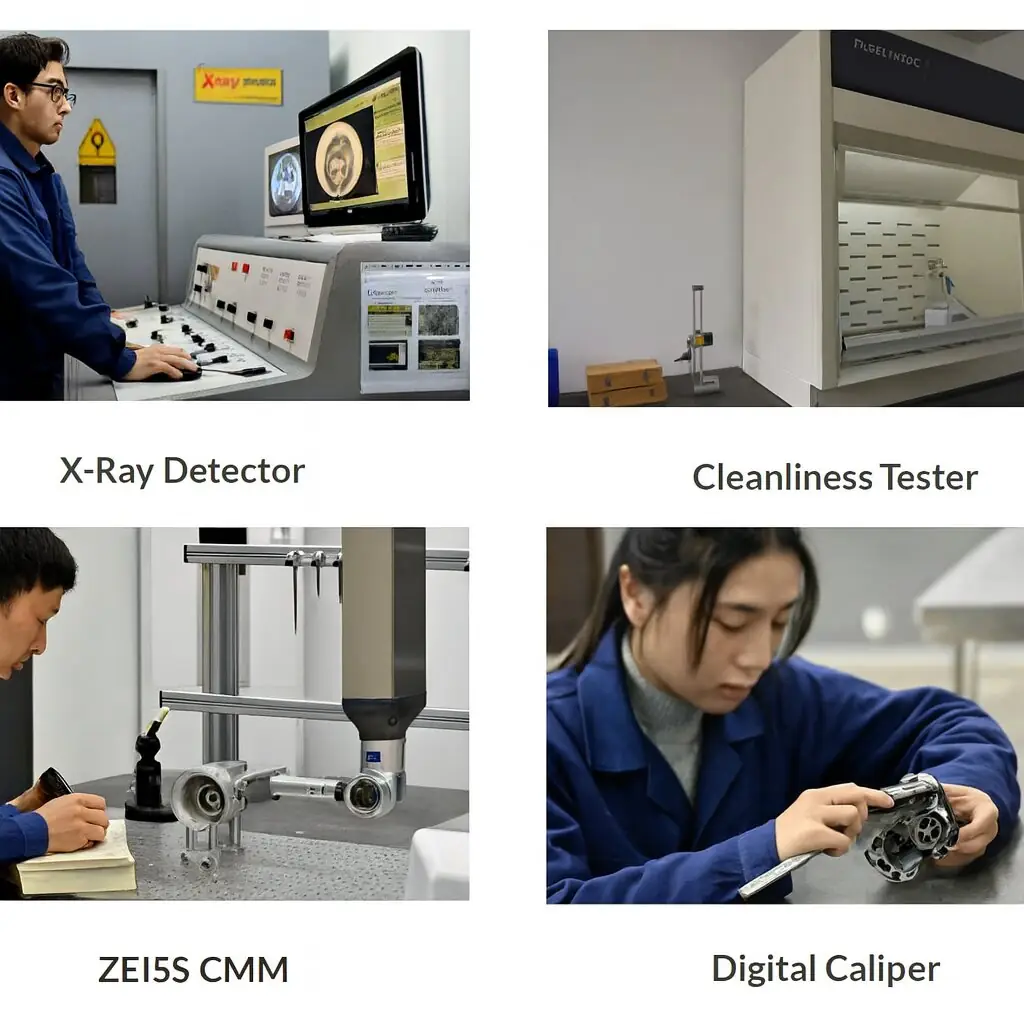
A reliable supplier should not only detect defects but also have preventive measures and continuous improvement processes in place.
✅3. Experience in Drone or Lightweight Components
Not all die casting suppliers understand the unique requirements of drone parts. Experience in UAV or lightweight applications is a major advantage because it means the supplier already understands:
1.Weight optimization strategies
2.Structural design considerations
3.Performance requirements under vibration and stress
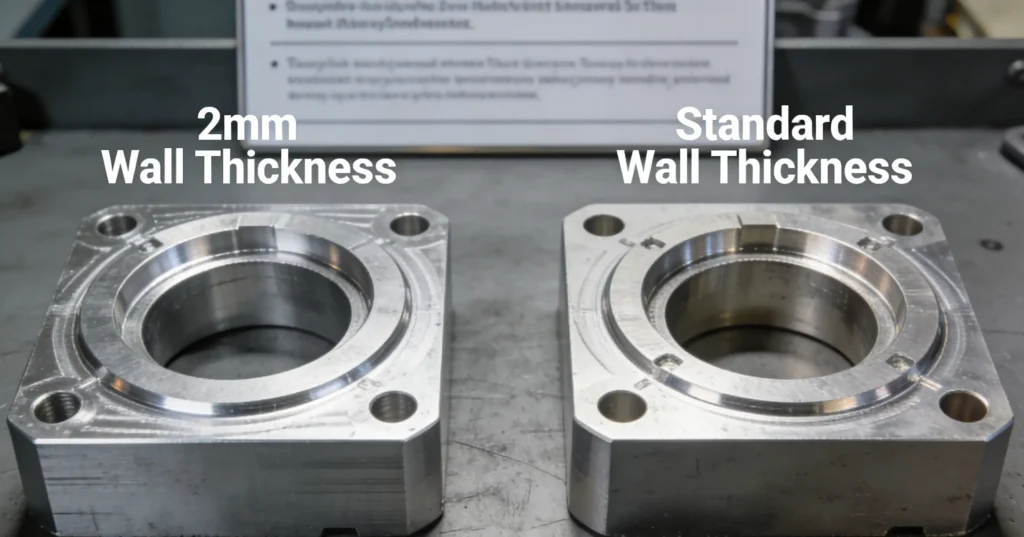
Suppliers with relevant industry experience can often provide engineering suggestions that improve both performance and cost efficiency.
✅4. Cost vs Value in Aluminum Die Casting Services
While cost is an important factor, choosing the lowest price supplier often leads to higher long-term expenses due to quality issues or delays. Instead, evaluate the overall value, including:
1.Quality consistency
2.Scrap rate and rework costs
3.Tooling lifespan
4.After-sales support
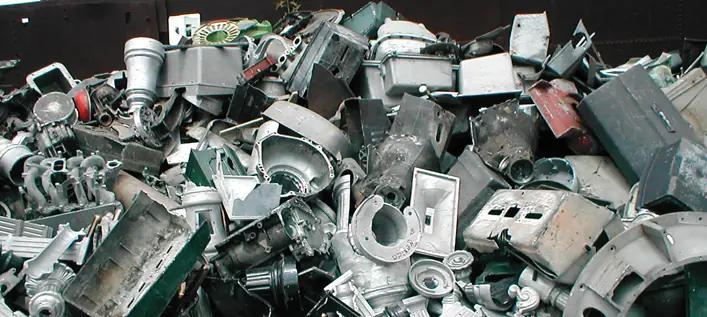
A slightly higher upfront cost can result in lower total cost of ownership and fewer production risks.
✅5. Lead Time and Low-Volume Production Capability
Drone projects often require rapid prototyping and flexible production schedules. A good supplier should be able to:
1.Deliver prototypes quickly
2.Support low to medium volume production
3.Adjust production schedules based on project changes
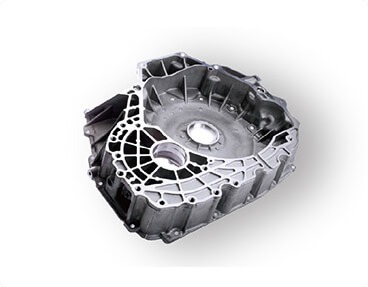
This flexibility is especially important in fast-moving industries like UAV manufacturing.
✅6. Communication and Engineering Support
Clear and efficient communication is often overlooked but is critical for successful collaboration. A reliable supplier should provide:
1.Fast response to technical inquiries
2.Clear communication in English
3.Engineering support for design optimization
4.Regular updates on production status
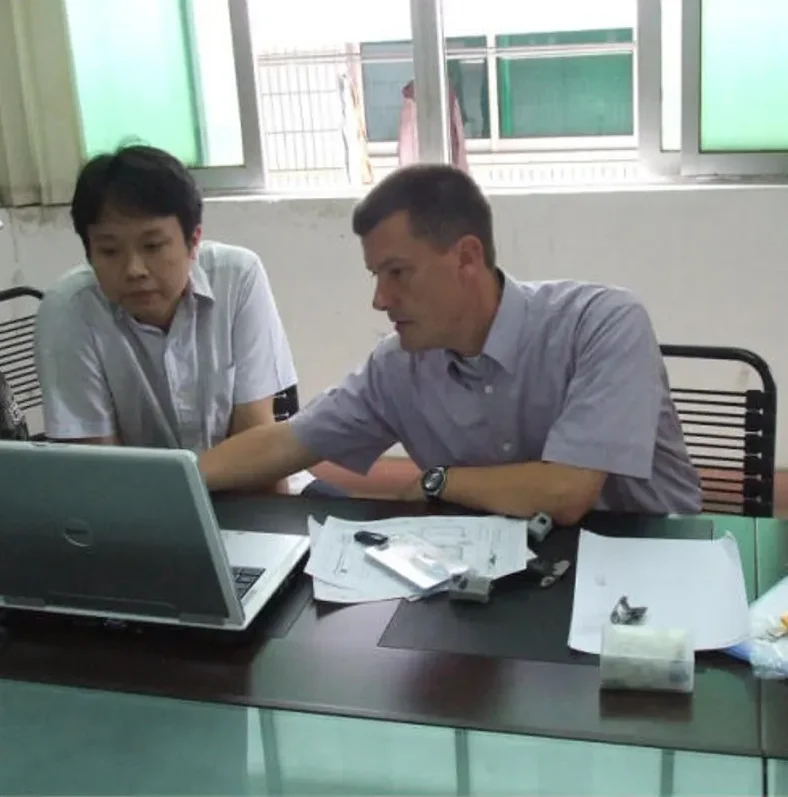
Strong communication ensures that issues are resolved quickly and that projects stay on schedule.
Aluminum Die Casting Supplier Checklist for Drone Projects
Choosing the right aluminum die casting supplier requires a structured evaluation approach. Use the checklist below to compare suppliers and make informed decisions for your drone or UAV project.
✅ Supplier Evaluation Checklist
| Evaluation Criteria | What to Check | Importance | Your Score (1–5) |
|---|---|---|---|
| Manufacturing Capability | Equipment, CNC support, ability to produce complex drone parts | ⭐⭐⭐⭐⭐ | |
| Quality Control System | Inspection process, certifications, defect control | ⭐⭐⭐⭐⭐ | |
| Drone Industry Experience | Experience with UAV or lightweight components | ⭐⭐⭐⭐ | |
| Material Expertise | Knowledge of aluminum alloys (A380, ADC12, etc.) | ⭐⭐⭐⭐ | |
| Lead Time & Flexibility | Prototype speed, small batch capability | ⭐⭐⭐⭐⭐ | |
| Cost vs Value | Not just price, but long-term cost efficiency | ⭐⭐⭐⭐ | |
| Communication & Support | Response speed, engineering support | ⭐⭐⭐⭐⭐ | |
| After-Sales Service | Problem-solving, rework, technical support | ⭐⭐⭐⭐ |
📊 How to Use This Checklist
- Score each supplier from 1 (poor) to 5 (excellent)
- Focus more on high-priority factors like quality and manufacturing capability
- Compare total scores across suppliers
- Avoid selecting suppliers based on price alone
👉 A reliable supplier should consistently score 4 or above in most categories.
🚨 Pro Tip: What a Good Die Casting Supplier Looks Like
A high-quality aluminum die casting supplier should:
- Have stable production processes with low defect rates
- Provide engineering support, not just manufacturing
- Offer flexible production for both prototyping and mass production
- Maintain clear and responsive communication
❌ Warning Signs to Watch Out For
Avoid suppliers who:
- Offer unusually low prices without clear justification
- Cannot explain their quality control process
- Have no experience with drone or precision components
- Respond slowly or provide unclear technical answers
Common Mistakes When Choosing an Aluminum Die Casting Supplier (and Their Real Impact)
Choosing the wrong aluminum die casting supplier is not just a minor issue—it can lead to serious production risks, especially in precision industries like drone manufacturing.
Instead of repeating evaluation criteria, here are the real-world mistakes and their consequences that buyers often overlook.
❌ 1. Choosing the Lowest Price Without Understanding the Risk
Many buyers select suppliers based purely on price—but low cost often comes with hidden trade-offs.
What can happen:
- High scrap rates due to unstable processes
- Inconsistent product quality
- Frequent production delays
👉 Real impact: Increased total cost, project delays, and potential customer complaints
❌ 2. Assuming All Die Casting Suppliers Are the Same
Some buyers assume any die casting factory can produce drone components.
What can happen:
- Poor dimensional accuracy
- Overweight parts affecting flight performance
- Structural weaknesses under stress
👉 Real impact: Product performance issues and higher failure rates
❌ 3. Not Verifying Quality Consistency Over Time
A supplier may provide good samples, but mass production is where problems often appear.
What can happen:
- Batch-to-batch inconsistency
- Hidden defects in large production runs
- Increased inspection and rework costs
👉 Real impact: Production instability and higher operational burden
❌ 4. Ignoring Communication Efficiency
Many companies underestimate how important communication is in international sourcing.
What can happen:
- Misunderstood technical requirements
- Delays in design changes
- Slow issue resolution
👉 Real impact: Extended lead times and project frustration
❌ 5. Choosing a Supplier Without Engineering Support
Some suppliers only manufacture based on drawings without providing feedback.
What can happen:
- Design issues not identified early
- Missed opportunities for cost reduction
- Increased risk of defects
👉 Real impact: Higher long-term cost and lower product optimization
🔄 Why This Matters for Drone Projects
Drone components demand high precision, lightweight design, and structural reliability. Even small supplier issues can directly impact:
- Flight performance
- Product lifespan
- Market competitiveness
👉 That’s why choosing the right supplier is not just a purchasing decision—it’s a strategic decision. Instead of dealing with these risks, working with an experienced partner can significantly reduce uncertainty and improve overall project outcomes.
FAQ for UAV & Drone Die Casting
How do I find a reliable aluminum die casting supplier in China?
To find a reliable supplier in China, you should:
- Verify factory capabilities and certifications
- Request samples and inspect quality consistency
- Evaluate communication and response speed
- Check experience in your specific application (such as drone parts)
Working with a supplier that offers both manufacturing and engineering support can significantly reduce project risks.
What is the minimum order quantity (MOQ) for aluminum die casting?
MOQ varies depending on the supplier and project complexity.
- For mass production, MOQ is typically higher
- Some manufacturers support low-volume or prototype orders
- Tooling cost is usually required regardless of quantity
It’s best to discuss your project needs directly with the supplier to find a suitable solution.
Is aluminum die casting better than CNC machining for drone parts?
It depends on the production stage:
- CNC machining is ideal for prototyping and small quantities
- Aluminum die casting is more cost-effective for medium to high volumes
Many projects use a combination of both processes to balance cost and precision.
How can I reduce defects in aluminum die casting parts?
Defects can be minimized by:
- Optimizing mold design and gating system
- Using proper material and process parameters
- Implementing strict quality control procedures
Working with an experienced supplier is the most effective way to reduce defect risks.
Can aluminum die casting achieve tight tolerances for drone components?
Yes, aluminum die casting can achieve high precision, especially when combined with CNC machining.
Typical tolerances depend on part geometry and process control, but experienced manufacturers can meet strict requirements for UAV components.
What information should I provide to get an accurate die casting quote?
To receive an accurate quotation, you should provide:
- 2D drawings or 3D CAD files
- Material requirements
- Surface finish requirements
- Estimated order quantity
- Application details (e.g., drone, automotive, etc.)
The more detailed the information, the more accurate the quote will be.
How do I ensure my supplier can handle long-term production?
To ensure long-term reliability:
- Check production capacity and scalability
- Evaluate past project experience
- Review quality consistency across batches
- Confirm long-term support and communication
A stable supplier should be able to support both initial development and mass production stages.