Skip to content
In today’s automotive industry—especially with the rapid growth of EV platforms—manufacturers are under increasing pressure to reduce costs, shorten lead times, and maintain consistent product quality. Under these conditions, auto die casting has become one of the most efficient manufacturing solutions for high-volume production.
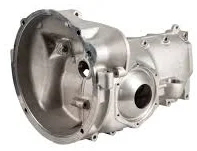
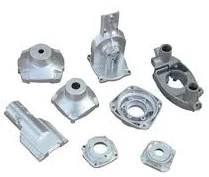
Auto die casting, also referred to as automotive die casting, is widely used to produce complex metal components such as EV battery housings, motor housings, and transmission cases. Compared to CNC machining or traditional casting methods, it offers a strong advantage in production speed, dimensional consistency, and overall cost efficiency.
In this article, we’ll explore 10 proven benefits of auto die casting, along with real engineering insights based on practical manufacturing experience. If you’re evaluating an auto die casting manufacturer or looking to optimize your current design, this guide will help you make more informed decisions.
What Is Auto Die Casting in Automotive Manufacturing?
Auto die casting is a high-pressure process where molten metal—typically aluminum alloys like ADC12 or A380—is injected into a precision steel mold at high speed.
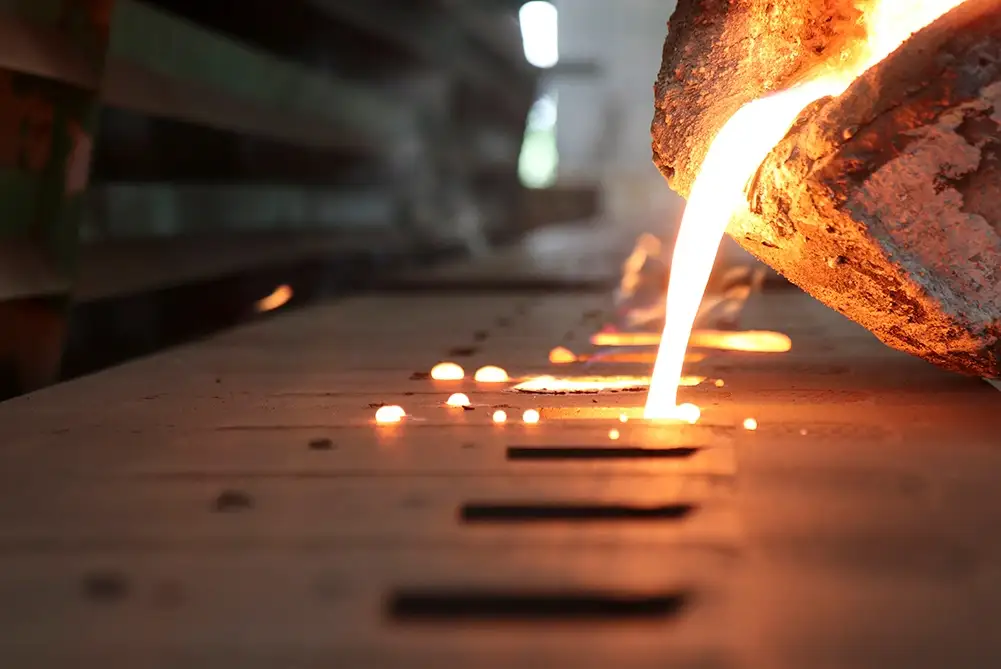
From a manufacturing perspective, what makes automotive die casting highly efficient is its ability to:
- Produce complex geometries in a single operation
- Maintain tight tolerances (typically ±0.05 mm to ±0.1 mm)
- Support high-volume production with stable repeatability
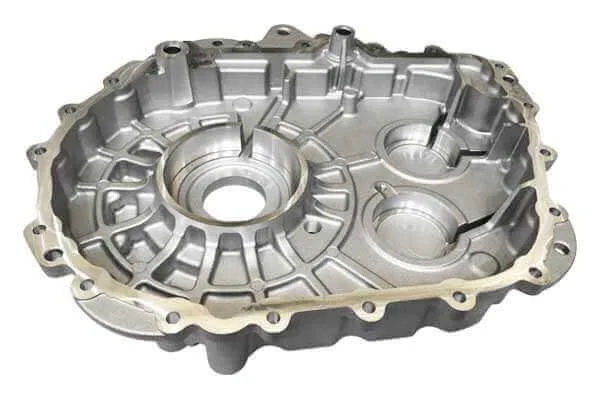
At IEC Mould, we often see that well-designed die cast components can significantly reduce the need for secondary machining, especially in non-critical tolerance areas.
Typical Automotive Applications
1. EV battery housings
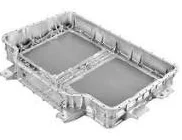
2. Motor housings
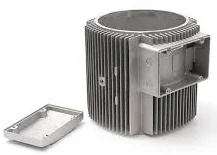
3. Gearbox
4. Structural aluminum components
Why Manufacturing Efficiency Matters More Than Ever?
Modern automotive production is driven by three key factors:
- Electrification (EV demand)
- Lightweight design requirements
- Cost and supply chain pressure
For many OEMs and Tier 1 suppliers, the challenge is not just producing parts—but doing so at scale, with consistent quality and controlled cost.
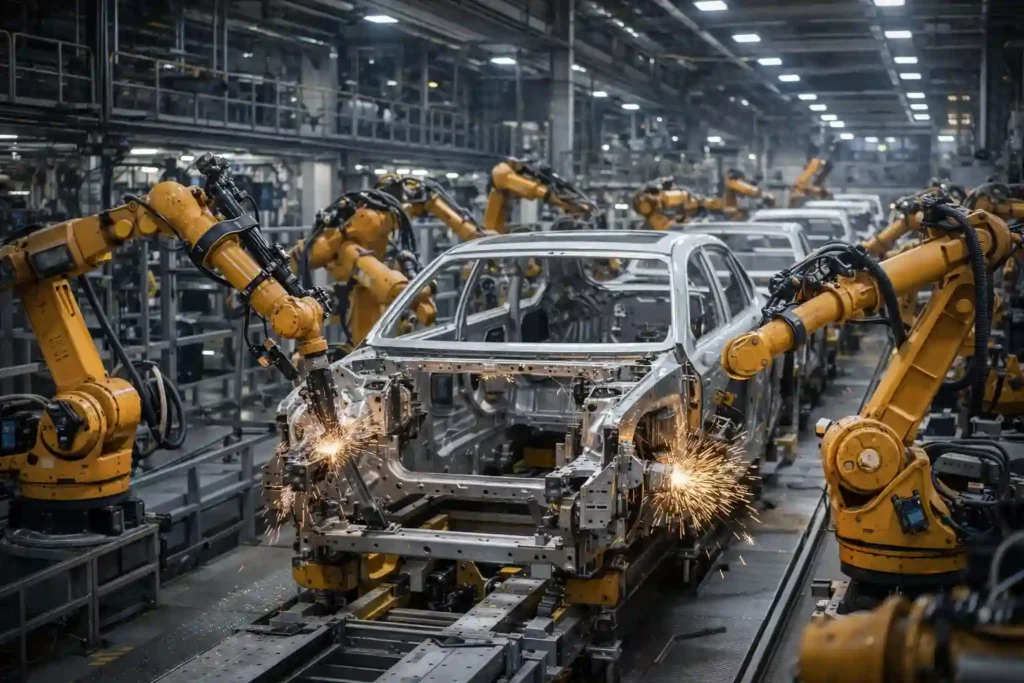
This is where auto die casting solutions provide a clear advantage over alternative manufacturing methods.
What Determines the Efficiency of Auto Die Casting?
Not all auto die casting processes deliver the same results. Efficiency largely depends on how the process is engineered.
At IEC Mould, we typically optimize the following factors:
| Category | Key Aspect | Description | Pro Insight |
|---|---|---|---|
| Mold Design | Balanced Gating System | Ensures smooth and uniform molten metal flow into the cavity | Reduces turbulence, minimizes porosity and cold shuts |
| Optimized Cooling Channels | Uniform cooling layout to control solidification rate | Shortens cycle time and reduces warpage/deformation | |
| Proper Venting | Allows trapped air and gases to escape efficiently | Prevents air entrapment, burn marks, and internal defects | |
| Material Selection | ADC12 | Excellent fluidity and high cost-efficiency | Ideal for complex geometries and high-volume production |
| A380 | Superior mechanical strength and corrosion resistance | Suitable for structural and high-performance components | |
| Process Parameters | Injection Speed & Pressure | Precise control of filling dynamics | Avoids misruns, flash, and internal porosity |
| Melt Temperature | Stable molten metal temperature during casting | Ensures consistent material properties and surface quality | |
| Die Temperature | Controlled mold temperature during cycles | Prevents thermal fatigue and improves dimensional stability | |
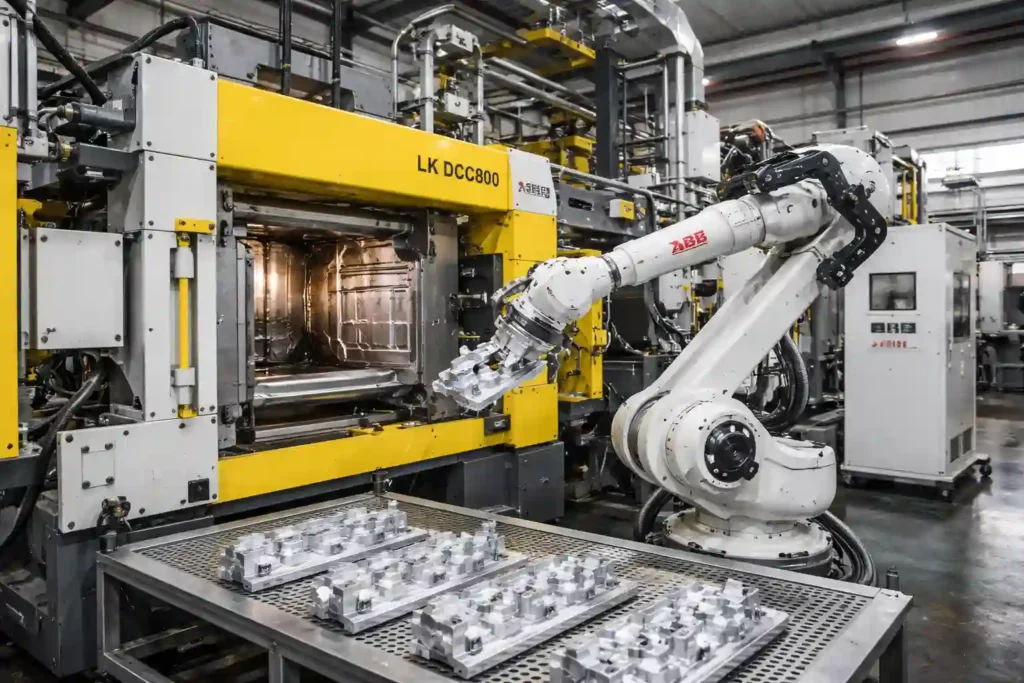
| Automation Level | Robotic Part Extraction | Automated removal of parts from die casting machine | Improves efficiency and reduces labor cost |
| Automated Trimming & Inspection | Secondary operations handled by machines | Ensures consistency and reduces human error | |
| Process Monitoring Systems | Real-time data tracking and quality control | Enables predictive maintenance and stable production |
👉 In practice, these factors can influence production efficiency by 20–40%, depending on part design and volume.
10 Proven Benefits of Auto Die Cast for Automotive Manufacturing Efficiency
🟢1.High Production Speed with Short Cycle Times
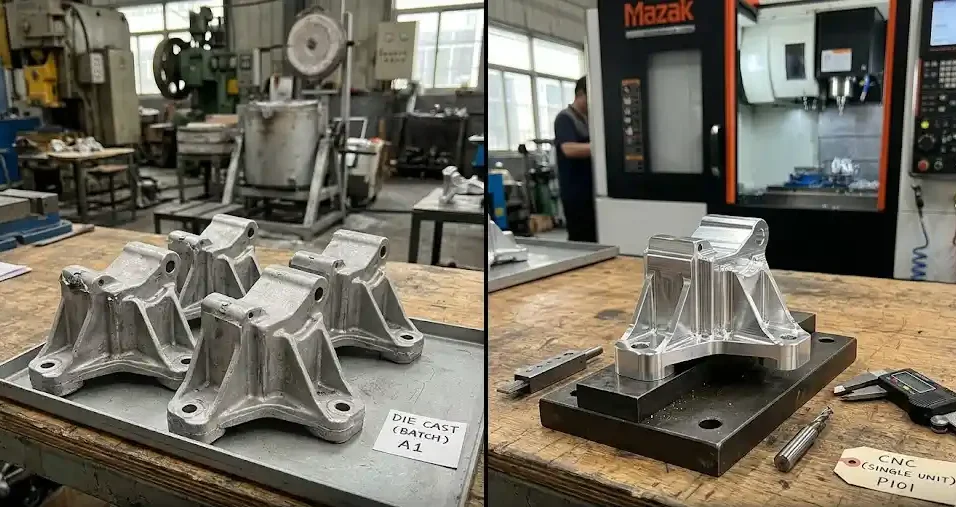
A typical auto die casting process operates within 30–120 seconds per cycle, making it highly suitable for large-scale automotive production.
In many projects we’ve handled at IEC Mould, switching from machining to die casting has reduced overall production time by 30% or more, especially for medium-complexity parts.
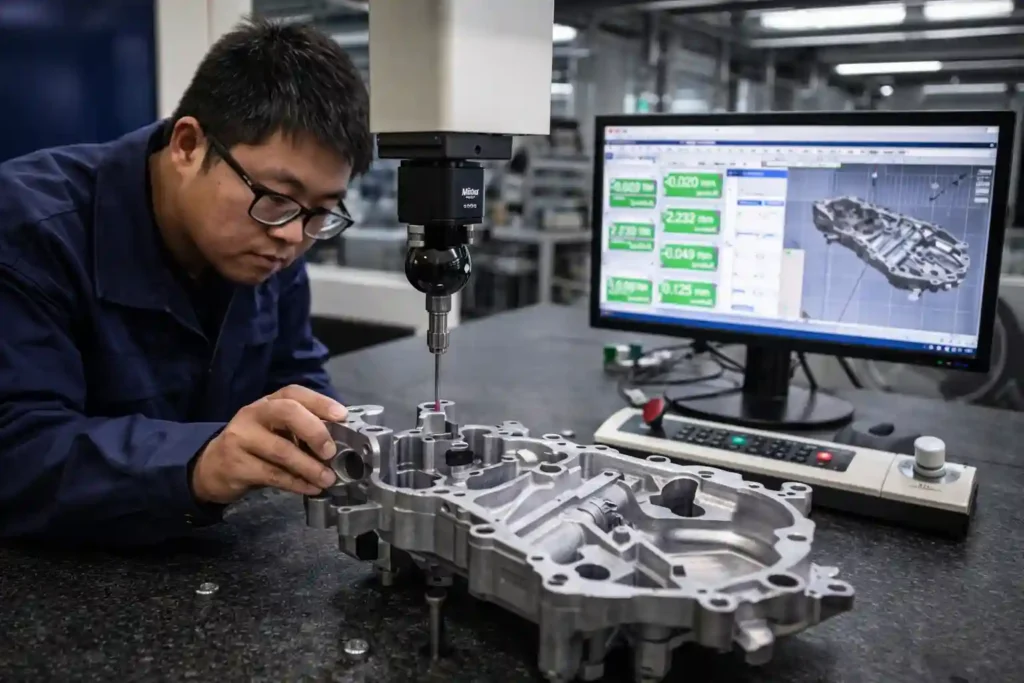
🟢2. Excellent Dimensional Accuracy with Reduced Machining
Auto die casting can achieve tolerances of ±0.05 mm to ±0.1 mm under controlled conditions.
In real applications:
- Critical areas (bearing seats, sealing surfaces) may still require CNC finishing
- Non-critical features can be produced directly
👉 This hybrid approach significantly reduces machining time and cost.
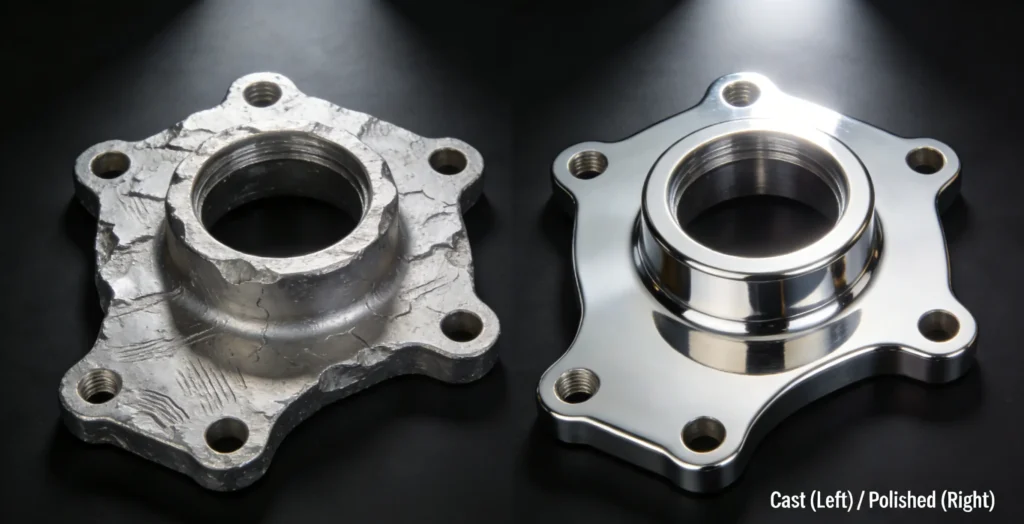
🟢3. Superior Surface Finish for Secondary Processing
The high-pressure injection process produces parts with smooth and consistent surfaces.
This is particularly beneficial for:
- Powder coating
- Anodizing
- Sealing interfaces
At IEC Mould, we often adjust mold surface treatment and process parameters to meet different cosmetic requirements.
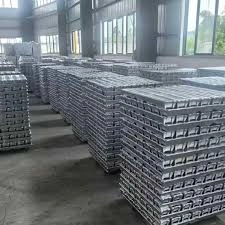
🟢4. High Material Utilization and Recyclability
In aluminum die casting automotive applications, scrap material can be recycled and reused efficiently.
Compared to machining:
- Material waste is significantly lower
- Buy-to-fly ratio is improved
👉 This directly impacts cost, especially in high-volume production.
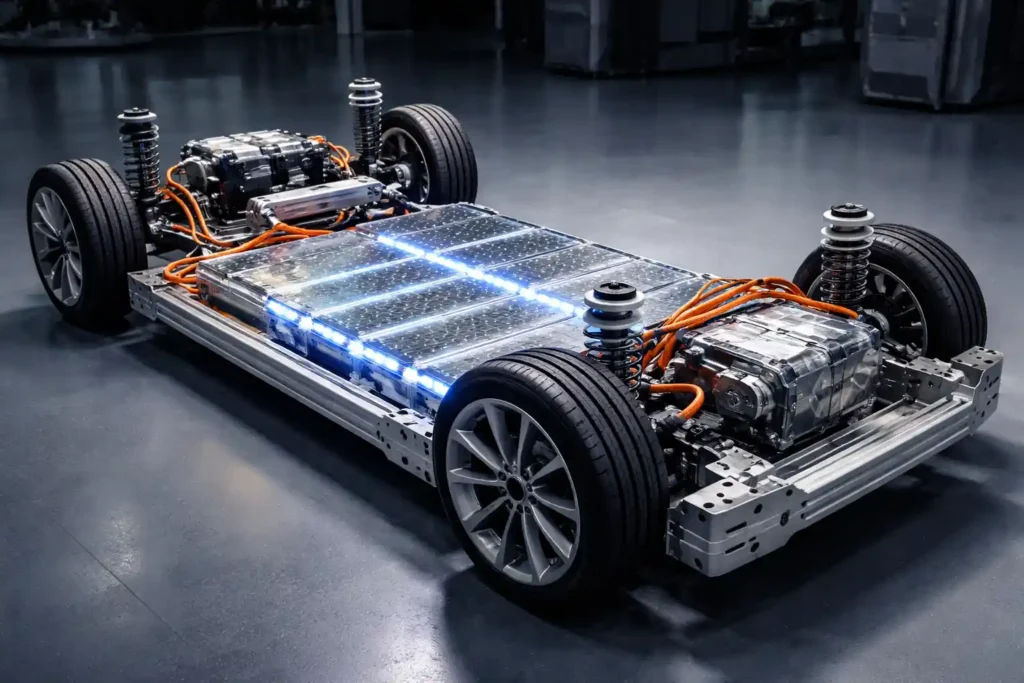
🟢5. Lightweight Design for EV Applications
Auto die casting supports:
- Thin wall structures
- Integrated part designs
This is critical for EV components such as battery housings, where reducing weight directly improves driving range.
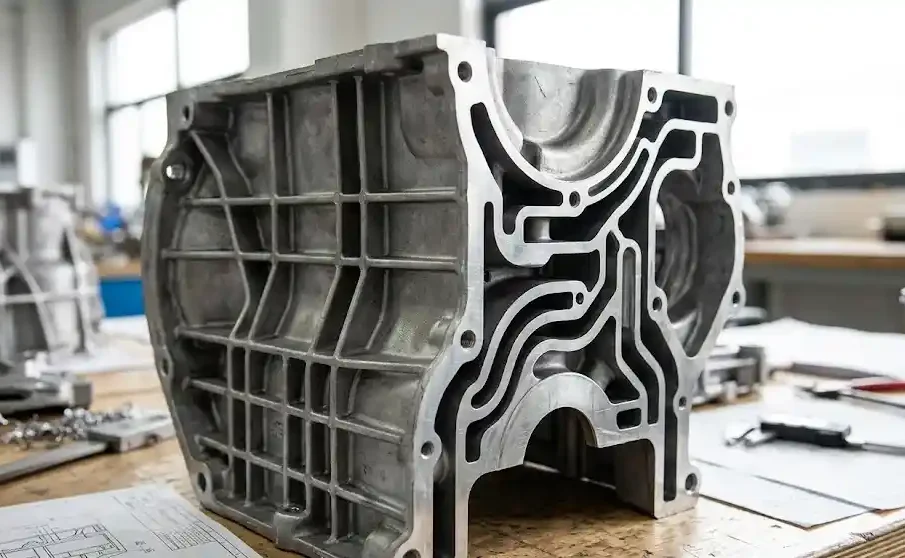
🟢6. Complex Geometry in a Single Operation
One of the biggest advantages of auto die cast parts is the ability to integrate:
- Cooling channels
- Mounting features
- Reinforcement ribs
👉 This reduces the need for multiple components and simplifies assembly.
🟢7. Reduced Assembly Through Part Consolidation
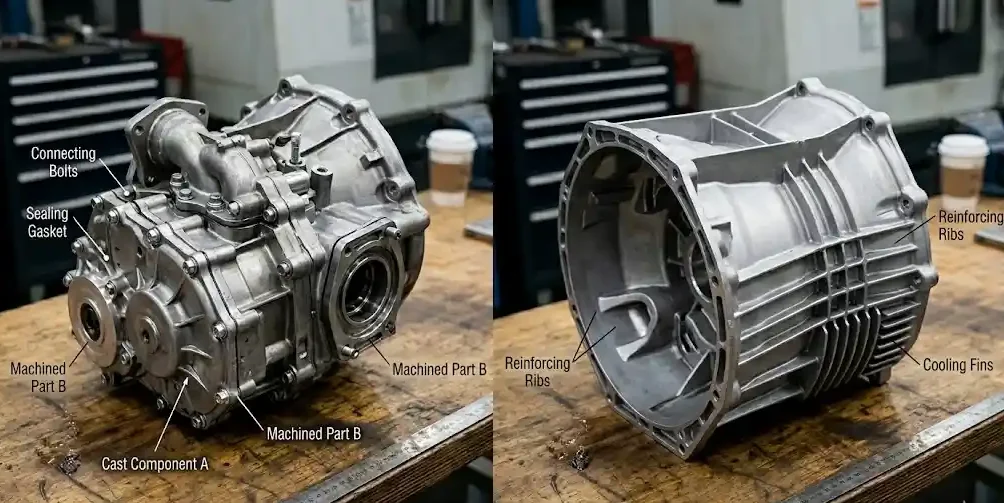
In several automotive projects, we’ve helped customers combine 3–5 components into a single casting.
Benefits include:
- Lower assembly cost
- Reduced tolerance stack-up
- Improved structural integrity
🟢8. Strong Mechanical and Thermal Performance
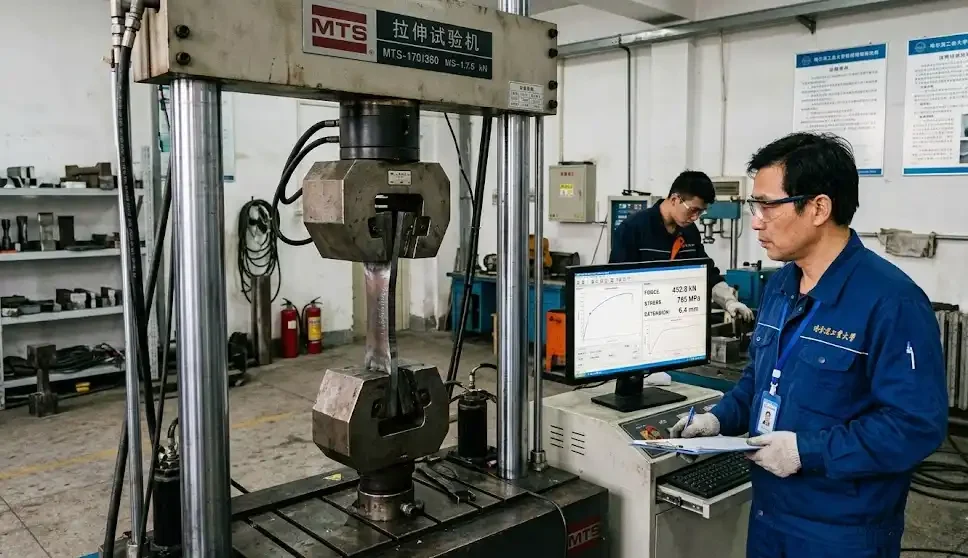
Modern automotive die casting parts offer:
- Good strength-to-weight ratio
- Excellent heat dissipation
This makes them ideal for:
- Motor housings
- Heat-sensitive components
🟢9. Consistent Quality at High Volume
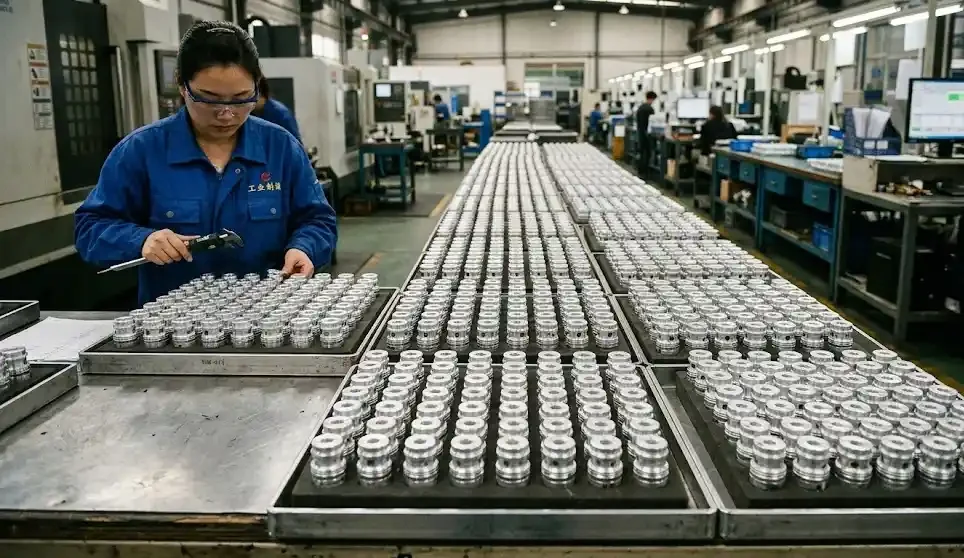
With controlled processes and automation, die casting ensures high repeatability.
This is essential for meeting standards such as
IATF 16949
At IEC Mould, consistency is typically maintained through process monitoring and strict quality inspection protocols.
🟢10. Lower Total Production Cost Over Time
Although tooling investment is higher initially, long-term cost benefits come from:
- Faster production
- Reduced machining
- Lower defect rates
👉 For high-volume programs, die casting is often the most cost-effective solution.
Common Challenges in Auto Die Casting (And How We Solve Them)
Even with its advantages, auto die casting manufacturing comes with technical challenges.
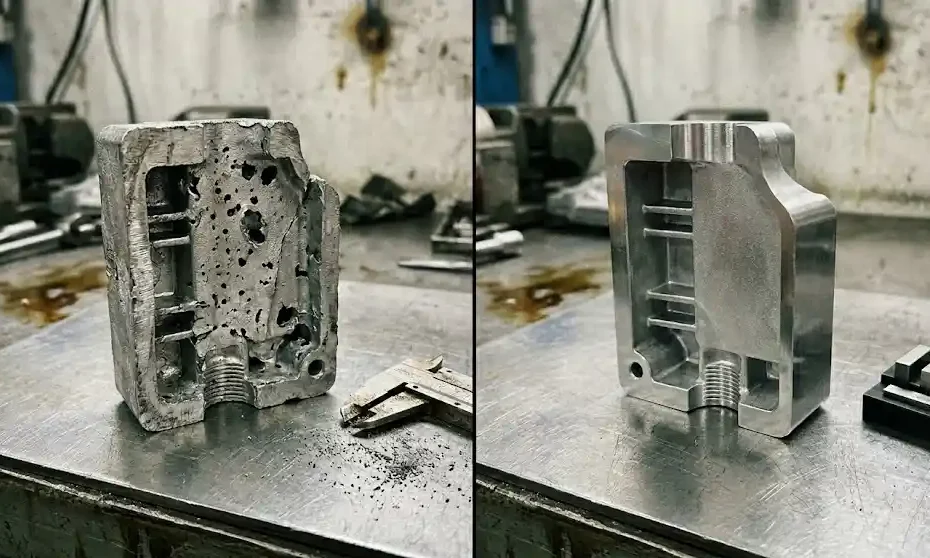
❌1. Porosity (Air Pockets)
Cause: Air entrapment or improper gating
Solution:
- Mold flow optimization
- Vacuum-assisted die casting
- Improved venting design
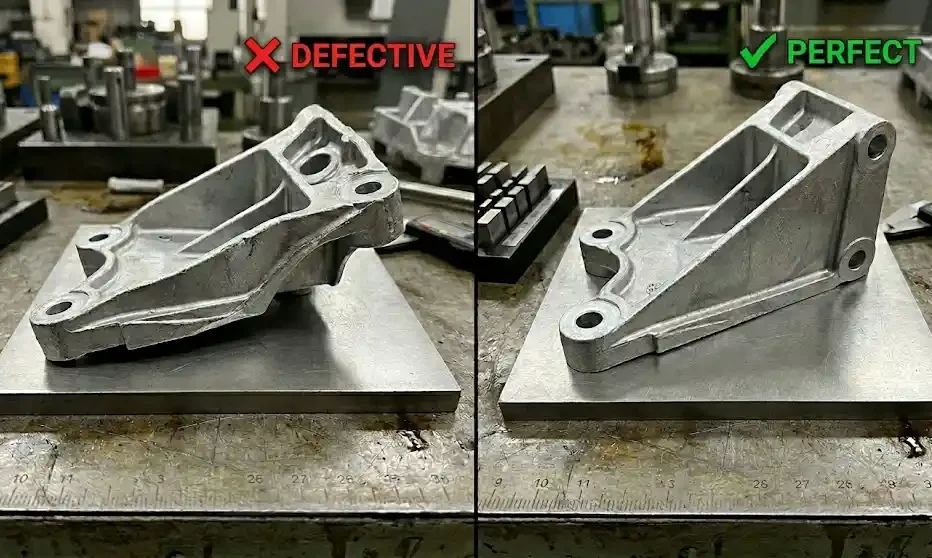
❌2. Warpage and Deformation
Cause: Uneven cooling or thermal stress
Solution:
- Optimized cooling channel layout
- Balanced mold temperature control
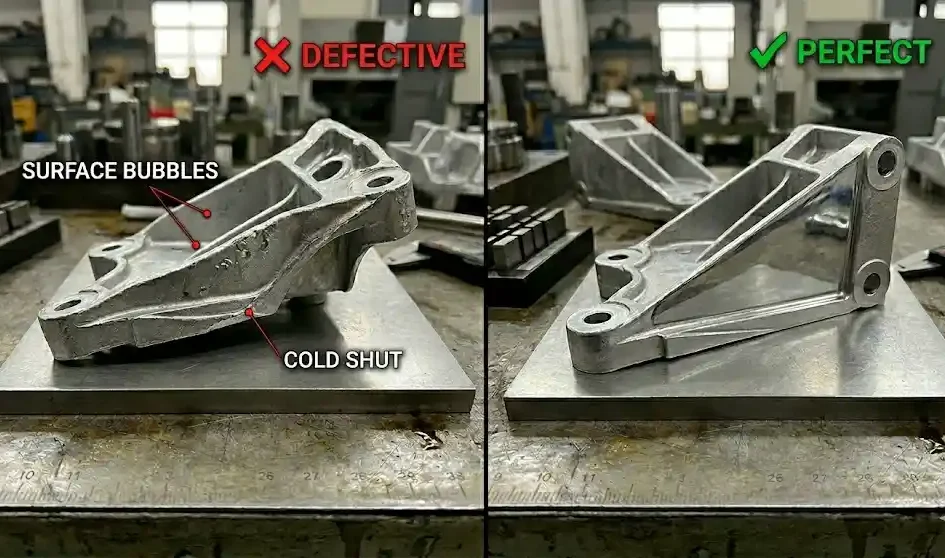
❌3. Surface Defects
Cause: Process instability or mold condition
Solution:
- Parameter optimization
- Regular mold maintenance
👉 At IEC Mould, these issues are typically addressed during the DFM and mold design stage, before production even begins.
Auto Die Casting vs CNC Machining and Sand Casting
| Process | Speed | Cost | Accuracy | Best Use |
|---|---|---|---|---|
| Auto Die Casting | High | Medium | High | Mass production |
| CNC Machining | Low | High | Very High | Low volume precision |
| Sand Casting | Low | Low | Low | Large simple parts |
Real Automotive Applications (Based on Practical Projects)
In real automotive projects, auto die casting is not just about producing parts—it’s about solving engineering challenges related to weight, strength, thermal performance, and manufacturability.
At IEC Mould, we’ve supported a range of automotive applications where die casting plays a critical role in both performance and production efficiency.
1. EV Battery Housings
EV battery housings require a balance between lightweight design and structural strength, while also supporting thermal management.
In many projects, challenges include:
- Large part size with thin wall sections
- Risk of deformation during cooling
- Need for sealing performance
At IEC Mould, these issues are typically addressed through:
- Optimized mold cooling channel design
- Controlled wall thickness distribution
- Process parameter tuning to reduce internal stress
👉 Result: Improved dimensional stability and reduced post-machining requirements.
2. Motor Housings
Motor housings demand high dimensional accuracy and efficient heat dissipation.
Typical challenges:
- Complex fin structures for heat dissipation
- Tight tolerance requirements for bearing areas
- Surface quality for assembly interfaces
Our approach includes:
- Precision mold design for thin fins
- Localized machining strategy for critical areas
- Stable process control to ensure repeatability
👉 Result: Better thermal performance and consistent assembly fit.
3. Transmission / Gearbox Housings
Transmission components require high strength and durability under load.
Common issues:
- Porosity affecting mechanical strength
- Complex geometry with multiple mounting points
At IEC Mould, we typically:
- Optimize gating and venting systems
- Use simulation to predict defect risks
- Improve metal flow to reduce internal defects
👉 Result: Enhanced structural integrity and reduced defect rates.
How to Choose the Right Auto Die Casting Manufacturer
When selecting an auto die casting supplier, consider:
- Proven experience in automotive projects
- Certifications like ISO 9001
- In-house mold manufacturing capability
- DFM and mold flow analysis support
- Process control and inspection system
👉 A reliable partner should help you optimize design, not just produce parts.
Conclusion
As the automotive industry continues to evolve, especially with the rise of EVs, manufacturing efficiency has become a key competitive factor.
Auto die casting provides a scalable solution by combining:
- High production speed
- Strong dimensional consistency
- Reduced total manufacturing cost
More importantly, working with an experienced auto die casting manufacturer allows you to improve both product design and production efficiency from the early stages.
Get Engineering Support from IEC Mould
If you’re looking for a reliable auto die casting supplier, IEC Mould can support your project from design to mass production.
👉 What we offer:
- Free DFM analysis
- Design optimization for die casting
- Fast quotation and engineering feedback
🌐 Visit: https://castingstool.com Or contact our team to discuss your automotive project.
To help our engineering team evaluate your project more accurately and respond faster, please provide the following information:
- 3D CAD files (STEP / STP / IGES format preferred)
- 2D drawings (if available, with tolerance requirements)
- Material requirements (e.g., ADC12, A380, or others)
- Estimated annual quantity
- Surface finish requirements (painting, anodizing, etc.)
- Application details (e.g., EV component, motor housing, structural part)



FAQ
Is auto die casting suitable for EV components?
Yes. Auto die casting is widely used in EV applications such as battery housings and motor housings due to its lightweight properties, high strength, and excellent thermal conductivity. It is especially suitable for parts that require both structural integrity and heat dissipation.
What tolerance can auto die casting achieve?
In most automotive applications, auto die casting can achieve tolerances of ±0.05 mm to ±0.1 mm. For critical features such as bearing seats or sealing surfaces, secondary CNC machining is often applied to achieve tighter tolerances.
Is auto die casting cheaper than CNC machining?
For low-volume production, CNC machining may be more cost-effective due to lower tooling costs. However, for medium to high-volume production, auto die casting manufacturing offers significantly lower cost per part due to faster cycle times, reduced material waste, and minimal machining requirements.
What materials are commonly used in automotive die casting?
The most common materials in automotive die casting include:
- Aluminum alloys (A380, ADC12)
- Magnesium alloys (for lightweight applications)
- Zinc alloys (for high-precision small components)
Aluminum is the most widely used due to its balance of strength, weight, and cost.
How long does a die casting mold last?
The lifespan of a die casting mold depends on material and process conditions. For aluminum auto die casting, molds typically last between 50,000 to 150,000 shots. Proper mold design, cooling, and maintenance can significantly extend tool life.
What are the common defects in auto die casting and how can they be avoided?
Common defects include porosity, cold shuts, and surface imperfections. These issues are usually caused by improper mold design, poor venting, or unstable process parameters.
At IEC Mould, these risks are minimized through:
- Mold flow analysis during design
- Optimized gating and venting systems
- Strict process control during production
How to choose a reliable auto die casting manufacturer?
When selecting an auto die casting supplier, consider:
- Automotive project experience
- Certifications such as IATF 16949 and ISO 9001
- In-house tooling capability
- Engineering support (DFM, simulation)
A reliable partner should help you optimize your design and reduce cost, not just manufacture parts.