Skip to content
In modern automotive manufacturing, especially in the EV era, cost reduction is no longer achieved only through mass production. It is increasingly driven by engineering decisions made at the design and manufacturing stage.
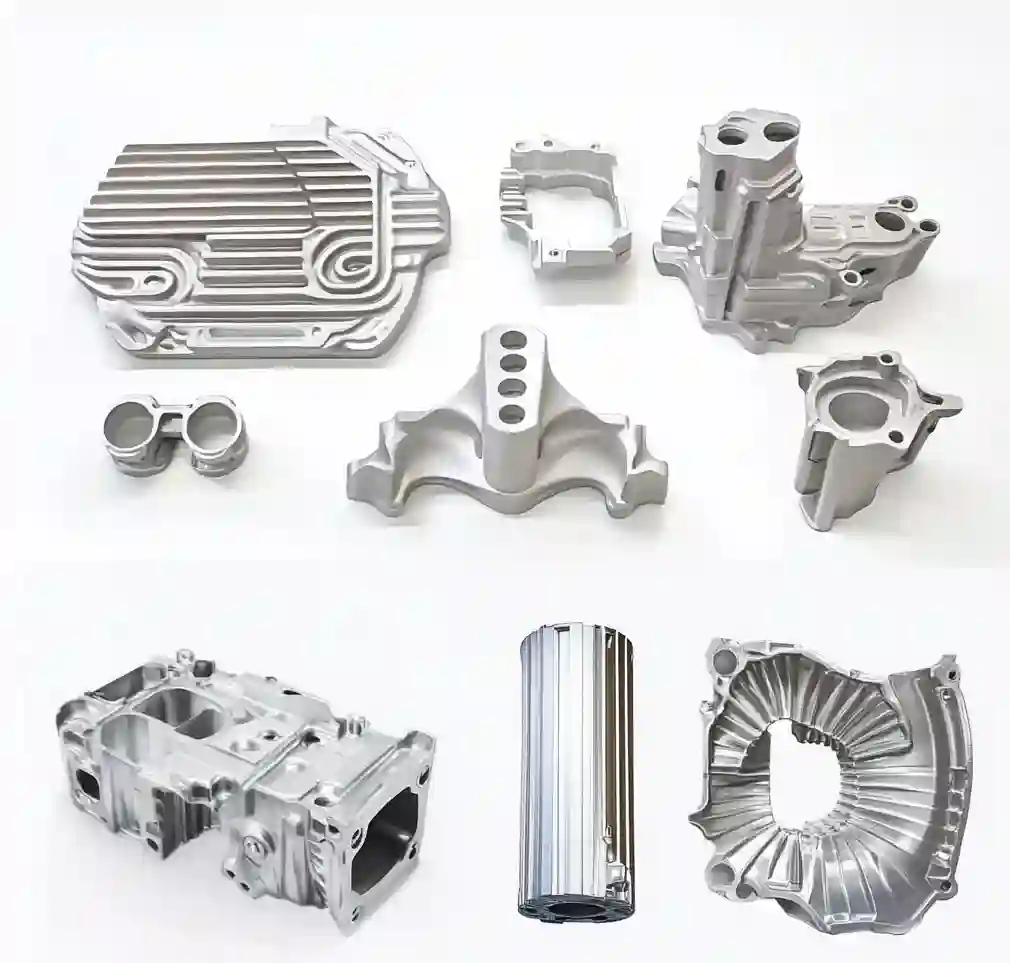
Auto die casting has become one of the most widely used processes for producing structural automotive components such as motor housings, battery enclosures, and transmission cases. The reason is simple: it allows manufacturers to reduce total production cost while maintaining structural strength, precision, and scalability.
Unlike traditional machining or multi-part assembly, auto die casting integrates design efficiency, material utilization, and production speed into a single process. As a result, OEMs and Tier 1 suppliers are increasingly shifting toward aluminum auto die casting solutions for both cost control and performance improvement.
In this article, we will break down 8 engineering-driven reasons why auto die casting significantly reduces automotive production cost, based on real manufacturing principles used in modern die casting engineering.
Auto Die Casting in Modern Automotive Engineering
Auto die casting is not just a production method—it is a design-driven manufacturing approach used in automotive engineering to produce high-volume metal components with complex geometry and tight tolerances.
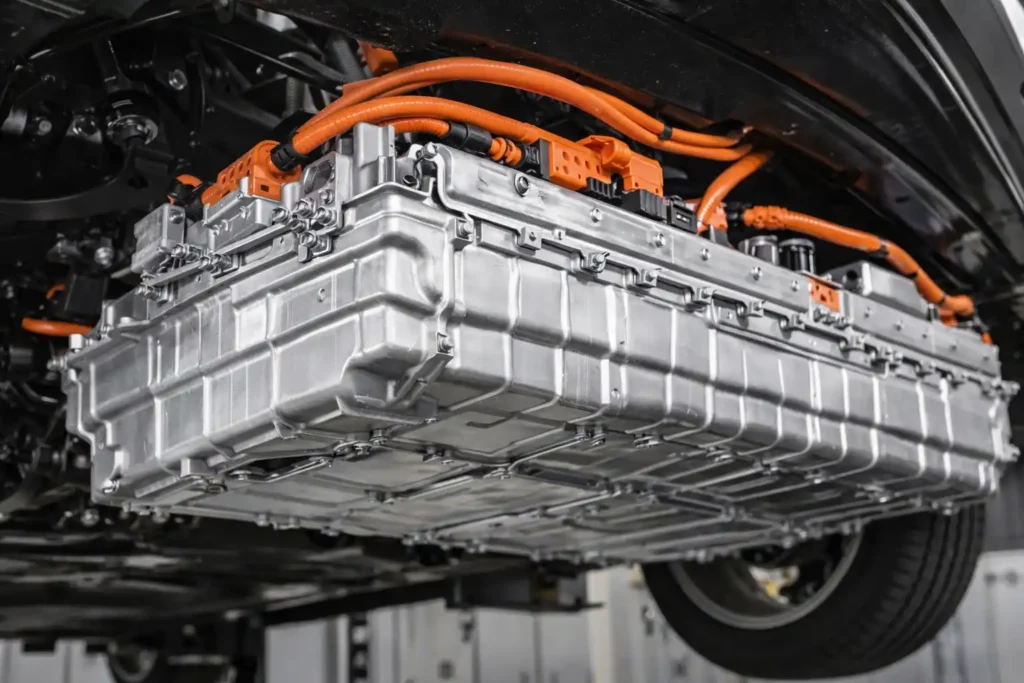
In automotive applications, aluminum die casting is commonly used for:
- Electric vehicle battery housings
- Motor housings
- Gearbox and transmission cases
- Structural brackets and chassis components
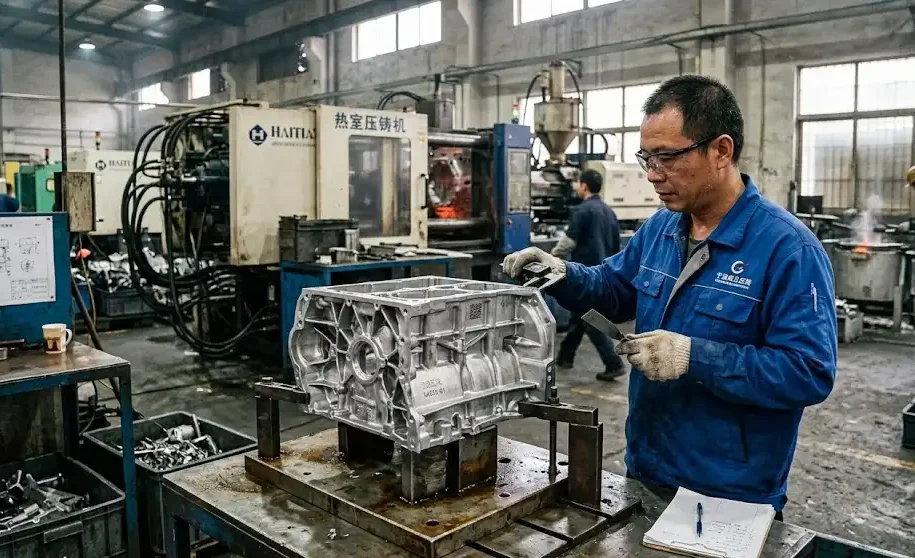
Compared with traditional processes, automotive die casting allows engineers to redesign components with fewer parts and more integrated structures, which directly impacts total production cost.
At IEC Mould, we often see customers transitioning from CNC-machined assemblies to die cast structural parts in order to reduce both machining time and assembly complexity.
Why Cost Reduction Is Critical in Auto Die Casting Projects
The cost structure of automotive manufacturing has changed significantly in recent years due to:
- Rising raw material and machining costs
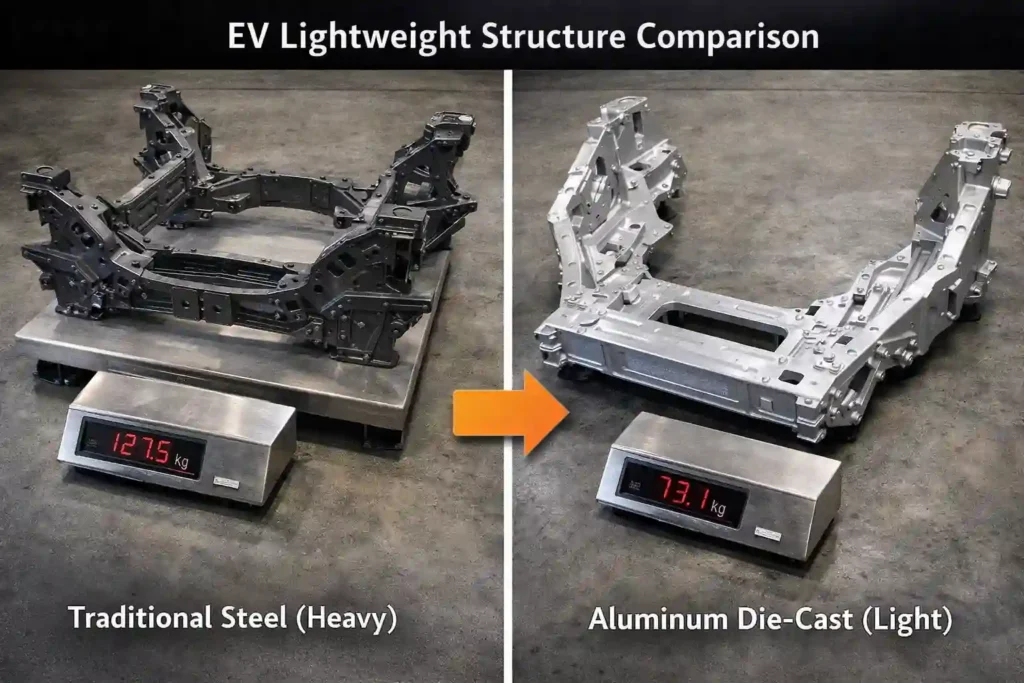
- Increasing demand for lightweight EV components
- Pressure to shorten product development cycles
- Global competition among Tier 1 suppliers
In this environment, auto die casting is no longer just a production choice—it is a strategic engineering decision.
Instead of reducing cost at the end of production, manufacturers now optimize cost through die casting design, tooling engineering, and process integration.
8 Engineering Reasons Auto Die Casting Reduces Automotive Production Cost
🟩1. Near-Net-Shape Design Reduces CNC Machining Requirements
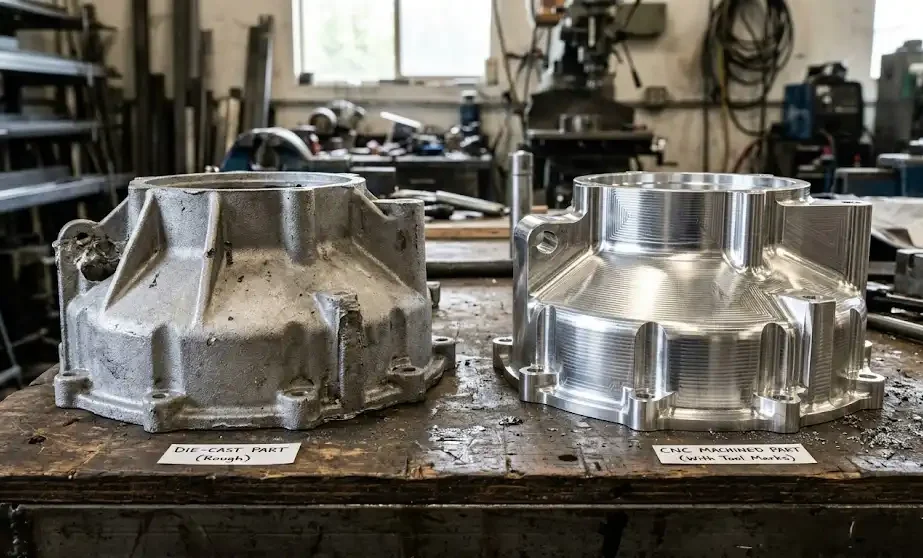
One of the biggest advantages of auto die casting is its ability to produce near-net-shape components.
This means the part comes out of the mold very close to its final geometry, requiring minimal secondary machining. In automotive production, this directly reduces:
- CNC machining time
- Tool wear and maintenance
- Labor cost per part
For many automotive die casting projects, only critical surfaces such as sealing or assembly interfaces require post-machining.
🟩2. Part Consolidation Reduces Assembly and Welding Costs
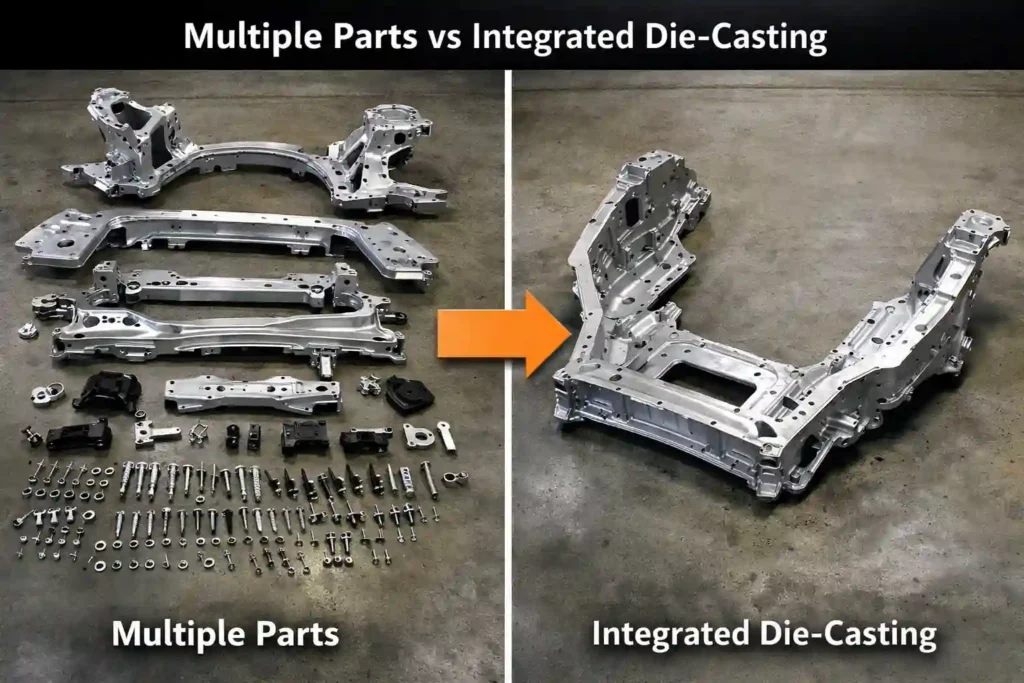
Auto die casting enables engineers to combine multiple components into a single integrated structure.
For example, a traditional assembly made of 5–10 stamped or machined parts can often be redesigned into one die cast housing.
This reduces:
- Welding operations
- Fasteners and connectors
- Assembly labor
- Inspection complexity
This is one of the most important cost-saving mechanisms in modern automotive die casting design.
🟩3. High Production Efficiency Supports Large-Scale Manufacturing
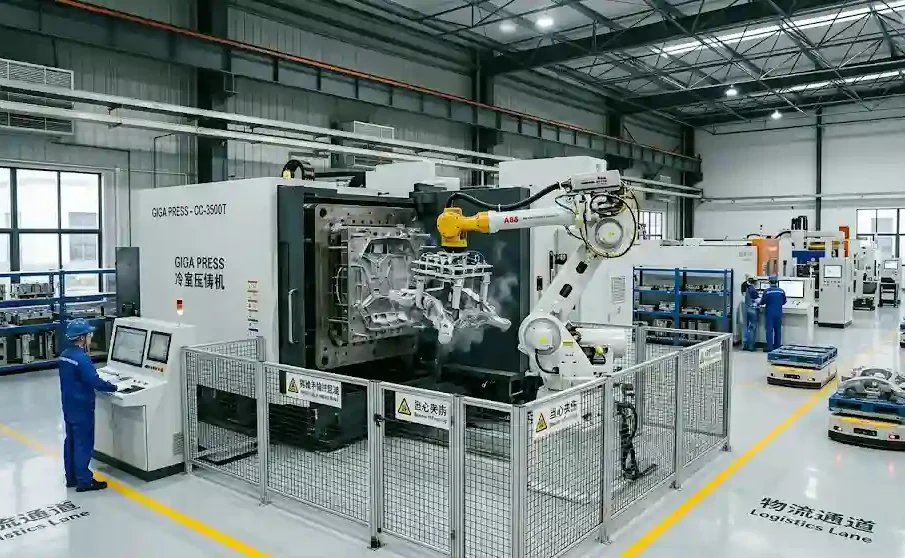
Auto die casting is specifically designed for high-volume production environments, which makes it ideal for automotive and EV applications.
This efficiency comes from several key factors:
- Short and stable cycle time
- High repeatability in automated production lines
- Minimal process interruption
- Ideal for OEM mass production requirements
👉 Result: Higher throughput with stable cost per unit, especially in long production runs.
🟩4. Optimized Metal Flow Reduces Scrap and Material Waste
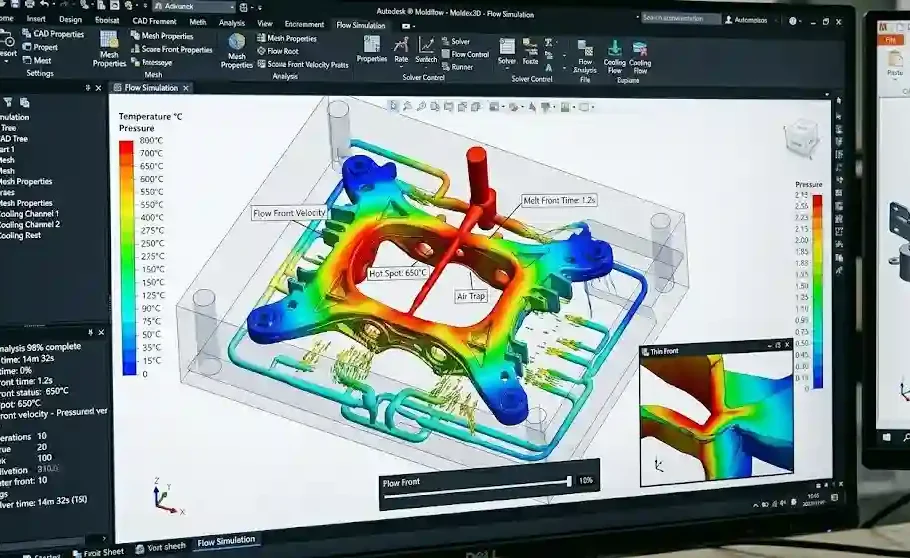
In automotive die casting engineering, material efficiency is closely related to mold design.
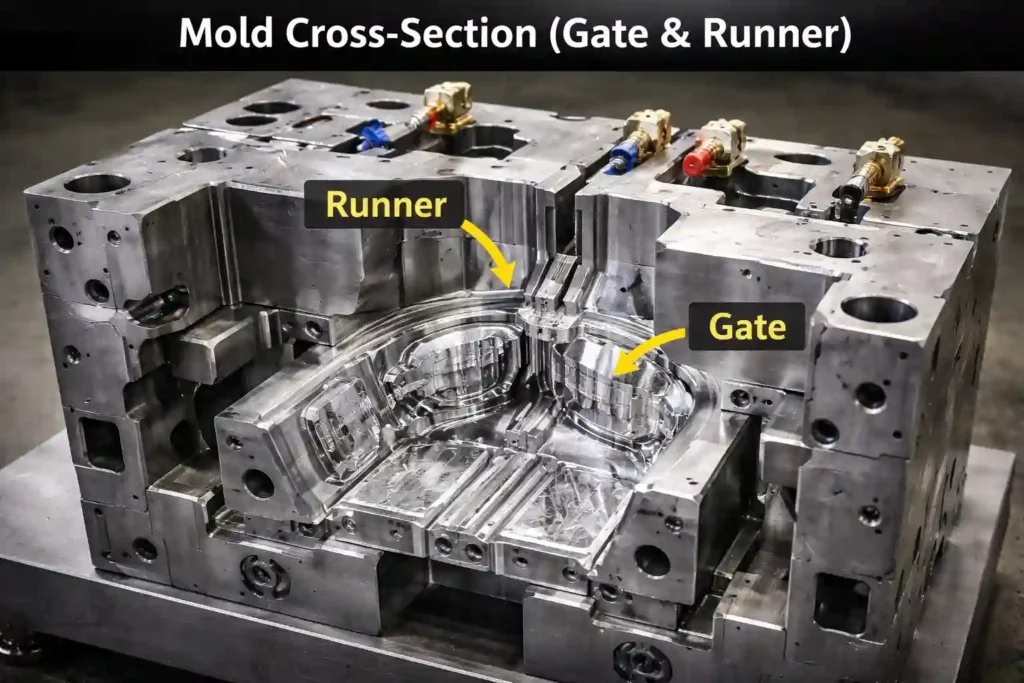
A well-designed gating and runner system ensures smooth metal flow, reducing:
- Porosity defects
- Cold shuts
- Scrap rate
Lower defect rates mean lower overall production cost, especially in high-volume auto die casting programs.
🟩5. Stable Dimensional Accuracy Reduces Rework Cost
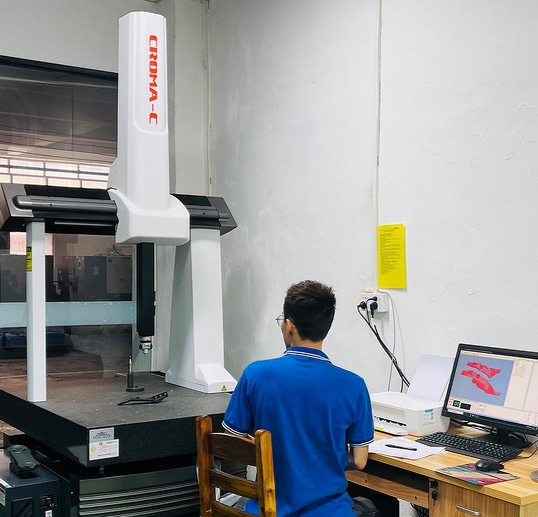
One of the advantages of die casting is repeatability.
Once the process is stabilized, each part maintains consistent dimensional accuracy, which reduces:
- Rework rate
- Inspection rejection
- Assembly mismatch issues
This is especially important in automotive components where tolerance stacking can significantly affect final assembly cost.
🟩6. Automation Reduces Labor Dependency
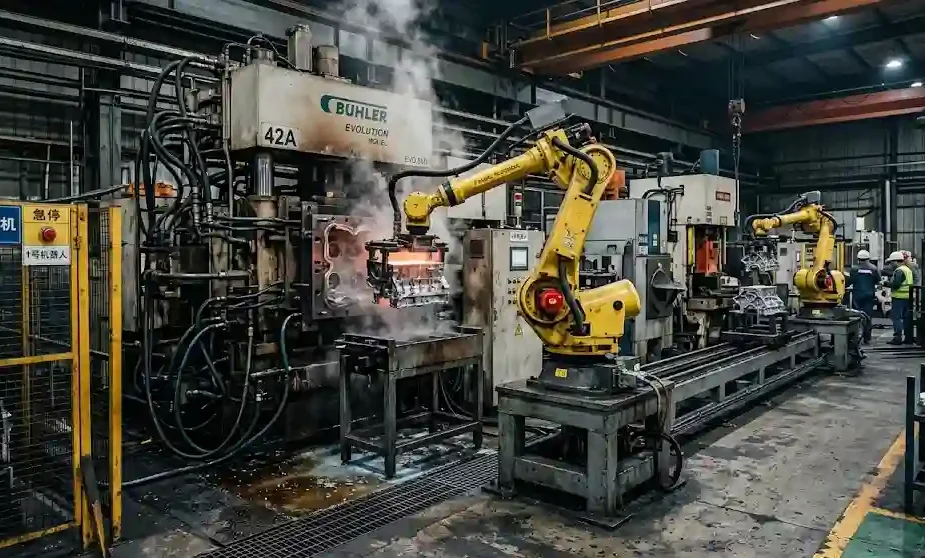
Modern auto die casting lines are highly automated, often using robotic arms for:
- Part extraction
- Trimming
- Cooling
- Inspection support
This reduces reliance on manual labor and improves production consistency, especially in large-scale automotive manufacturing environments.
🟩7. Tooling Life Cycle Spreads Cost Over High Volume Production
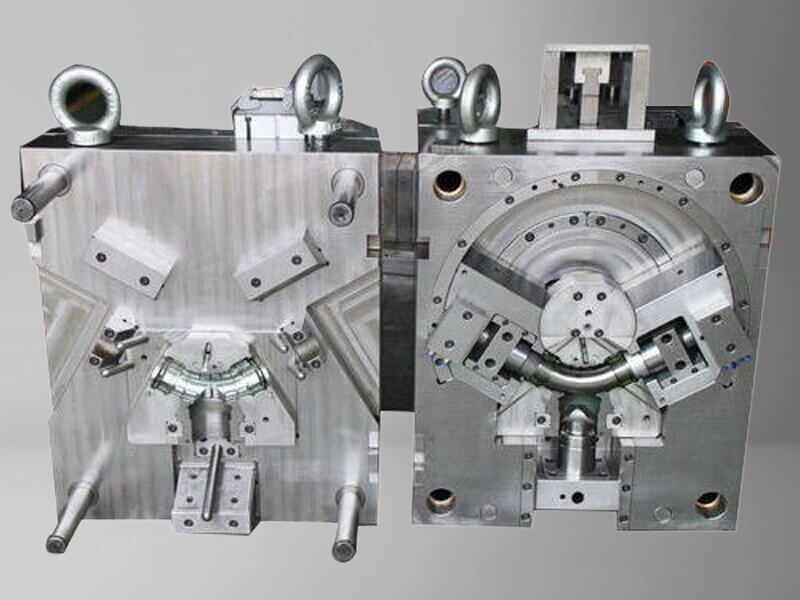
Although tooling (mold) investment is high in auto die casting, the cost becomes highly efficient when distributed over large production volumes.
This cost advantage is driven by several engineering realities:
- Long mold lifespan under controlled conditions
- Cost dilution through high-volume output
- Stable geometry reduces maintenance frequency
- Ideal for long-term automotive programs
👉 Result: Higher upfront investment, but significantly lower total cost per part over the product lifecycle.
🟩8. DFM Optimization Reduces Total Program Cost from the Design Stage
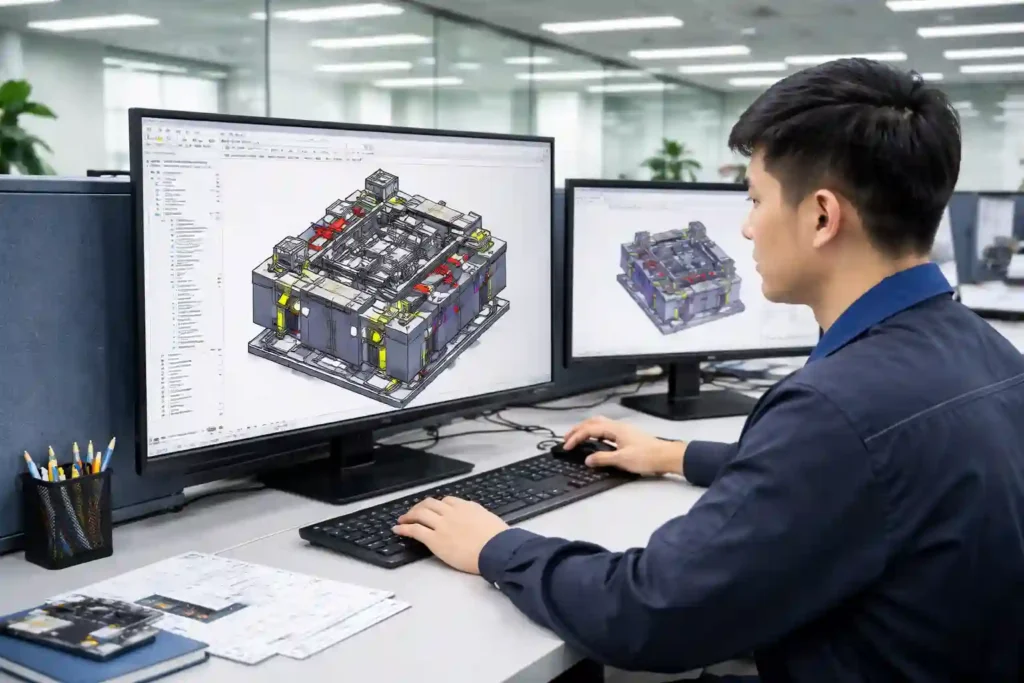
Design for Manufacturing (DFM) is one of the most critical factors in auto die casting cost control.
Proper design optimization includes:
- Wall thickness control
- Rib structure design
- Draft angle optimization
- Gate position planning
At IEC Mould, our engineering team often supports customers in early-stage DFM review to help reduce unnecessary cost before tooling begins.
DFM Engineering Strategy in Auto Die Casting Cost Reduction
DFM is not just a design guideline—it is a cost engineering strategy.
In automotive die casting projects, small design decisions can significantly impact:
- Mold complexity
- Cycle time
- Defect rate
- Machining requirement
For example, optimizing wall thickness and rib structure can reduce shrinkage risk and improve structural stability, while simplifying gate design can reduce filling defects.
This is why early engineering involvement is essential in auto die casting projects.
Automotive Case Insight (Real Engineering Application)
In a typical EV motor housing project, a traditional design consisted of multiple machined aluminum parts assembled together.
After redesigning the structure for auto die casting:
- The number of parts was reduced from 6 to 1
- Machining operations were reduced by more than 40%
- Assembly time was significantly shortened
- Overall production cost decreased noticeably
This type of optimization is common in modern automotive die casting engineering projects.
Auto Die Casting vs Other Manufacturing Processes
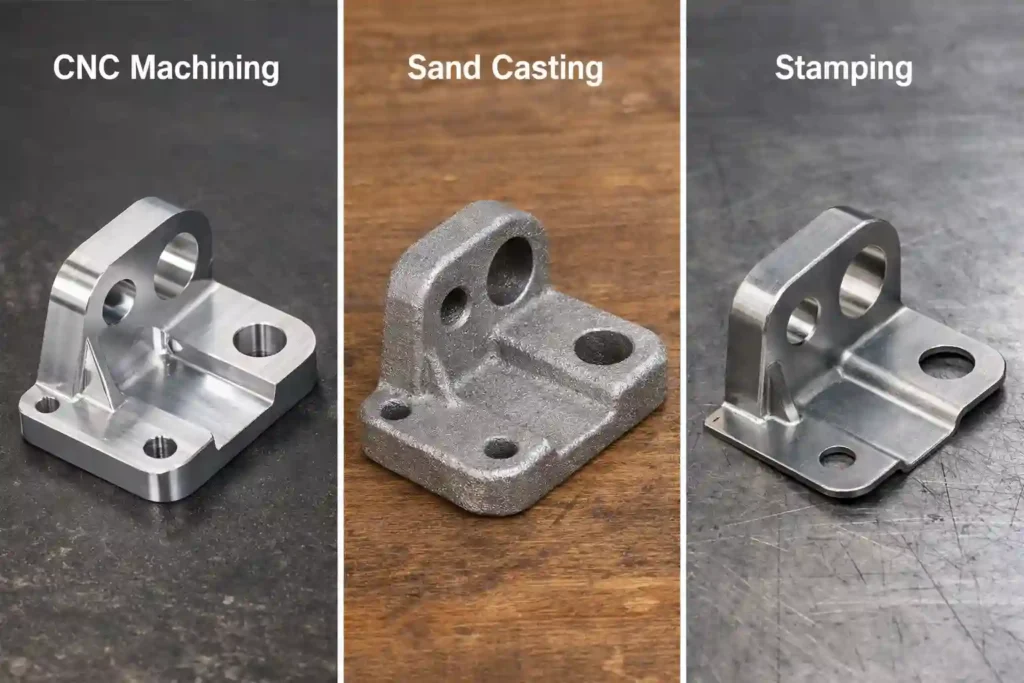
From an engineering perspective, different manufacturing methods affect cost differently:
- CNC machining: high precision but high material waste
- Sand casting: flexible but lower accuracy
- Stamping: fast but limited geometry
Auto die casting provides a balanced solution between precision, scalability, and cost efficiency, making it ideal for automotive structural components.
Why Work with IEC Mould for Auto Die Casting Projects
IEC Mould is a professional die casting and mold manufacturing supplier specializing in automotive and industrial components.
Our capabilities include:
- Die casting mold design and manufacturing
- Aluminum auto die casting production
- CNC precision machining
- Engineering DFM support for cost optimization
- Quality control for automotive standards
We work closely with customers from early design stage to mass production to ensure both performance and cost efficiency.
Conclusion
Auto die casting has become a key engineering solution for reducing automotive production cost. It is not just about production efficiency, but about how design, tooling, and manufacturing are integrated into a single optimized system.
By applying proper engineering strategies such as part consolidation, DFM optimization, and process automation, manufacturers can significantly reduce total cost while improving product performance.
For automotive projects requiring cost-effective and scalable manufacturing solutions, auto die casting remains one of the most reliable technologies in modern industry.
Work with IEC Mould for Engineering-Driven Auto Die Casting Solutions
At IEC Mould, we don’t just manufacture die casting parts—we work as an engineering partner for automotive and EV projects.
Our team supports customers from early design stage to mass production, helping optimize structures, reduce machining requirements, and improve overall production efficiency.
With experience in auto die casting, mold design, and aluminum structural components, we help OEMs and Tier 1 suppliers turn complex designs into manufacturable and cost-efficient solutions.
👉 1. Engineering Support We Can Provide
To start an evaluation for your project, our engineering team can support:
- DFM (Design for Manufacturing) analysis
- Die casting feasibility review
- Cost reduction optimization suggestions
- Mold structure design proposal
- Material and process recommendations
👉 2. Typical Projects We Handle
We support automotive and industrial clients with:
- EV battery housings
- Motor and gearbox housings
- Structural aluminum die casting parts
- High-precision industrial components
👉 3. Contact IEC Mould for Auto Die Casting Solutions
If you are developing a new automotive component or looking to reduce production cost through auto die casting engineering optimization, our team is ready to support your project.
📩 Please contact us with the following information for a quick engineering evaluation:
- 3D drawing (STEP / IGS format)
- Material requirement (if known)
- Annual production volume
- Target cost or application background
We will provide initial feedback and suggestions based on manufacturability and cost optimization opportunities.

FAQ
What makes auto die casting more cost-effective in automotive production?
Auto die casting reduces cost mainly through engineering optimization rather than production scale alone. The key factors include near-net-shape forming, reduced machining operations, and the ability to consolidate multiple components into a single structural part. In automotive programs, this directly lowers assembly cost, labor cost, and secondary processing cost.
How does DFM (Design for Manufacturing) influence die casting cost?
DFM has a direct impact on tooling complexity, cycle time, and defect rate. Design elements such as wall thickness, rib structure, and draft angles determine how easily molten metal fills the cavity and solidifies. Poor design increases porosity risk and machining requirements, while optimized DFM can significantly reduce total program cost in auto die casting projects.
What are the most common defects in automotive die casting, and how are they controlled?
The most common defects include porosity, shrinkage, cold shuts, and air entrapment. These issues are controlled through:
- Optimized gating and runner design
- Vacuum die casting systems
- Proper mold temperature control
- Simulation-based flow analysis
At IEC Mould, these factors are considered during both mold design and production setup to ensure stable automotive quality standards.
How does material selection affect auto die casting cost and performance?
Aluminum alloys are widely used in automotive die casting due to their balance of weight reduction, strength, and thermal conductivity. However, alloy selection directly impacts fluidity, shrinkage behavior, and post-machining requirements, which in turn influence overall production cost and part performance.
Is simulation necessary in auto die casting development?
Yes, simulation is increasingly important in modern automotive die casting. Flow simulation helps predict metal behavior inside the mold, allowing engineers to optimize gate position, reduce air entrapment, and minimize defects before tooling is manufactured. This reduces trial-and-error cost during development.
Why is part consolidation so important in automotive die casting design?
Part consolidation reduces the number of individual components in an assembly, which eliminates welding, fastening, sealing, and inspection steps. In automotive production, this significantly reduces assembly time and improves structural integrity, while also lowering total system cost.