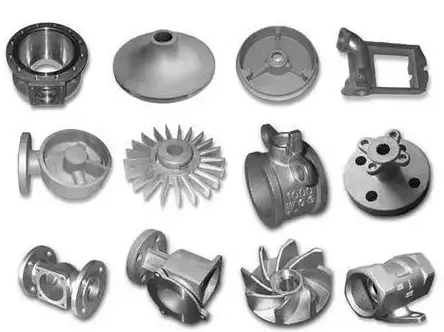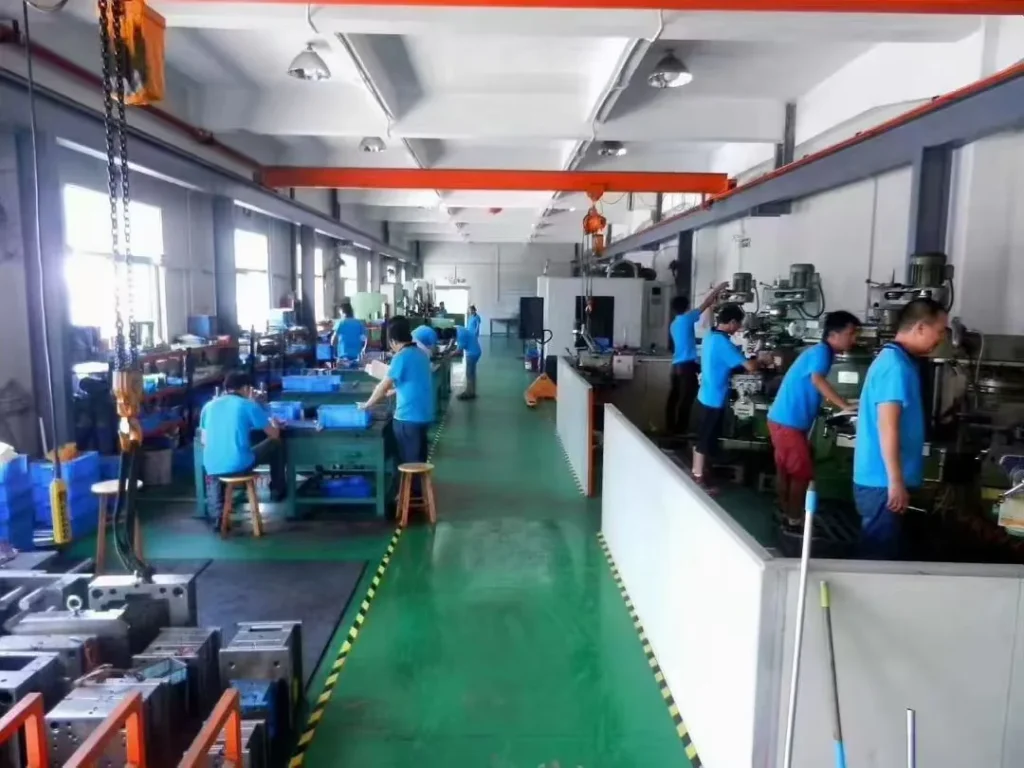
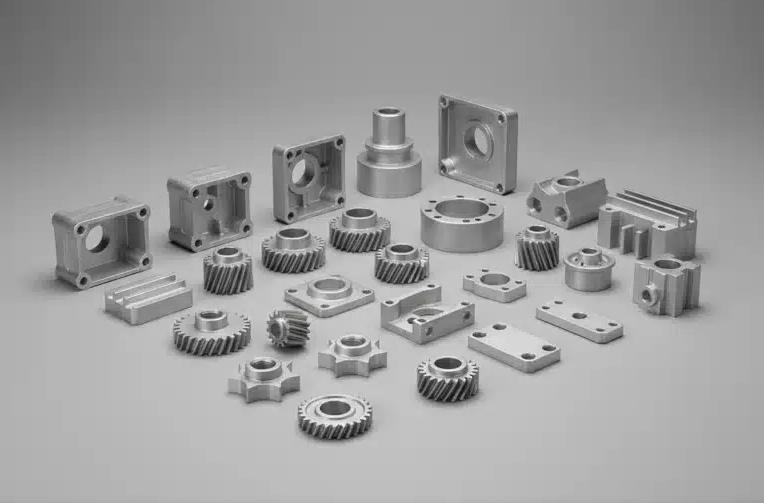
In the modern manufacturing landscape, die casting plays a crucial role in producing precision metal parts for industries ranging from automotive to electronics. As globalization has expanded, manufacturers around the world have sought to optimize their production processes, reduce costs, and improve product quality. One country that stands out in this regard is China. China die castings have become a prominent choice for businesses across the globe, thanks to their cost efficiency, scalability, and technological innovations. In this article, we will explore the advantages of China die castings, compare them to global suppliers, and analyze why China remains a dominant player in the die casting industry.
The Global Die Casting Market: An Overview
1️⃣ The Global Landscape of Die Casting
Die casting is a manufacturing process that involves injecting molten metal into a mold under high pressure to produce complex and durable components. This method is widely used in industries such as automotive, aerospace, and electronics.
The global die casting market is projected to reach USD 85.4 billion by 2026, growing at a compound annual growth rate (CAGR) of 7.1% from 2019 to 2026. Major players in the industry include the United States, Germany, Japan, and China, with China holding a dominant position.
| 🌍 Country | 📊 Market Share (%) | 🏭 Major Industries Served |
|---|---|---|
| 🇨🇳 China | 40% | Automotive, Electronics, Consumer Goods |
| 🇺🇸 United States | 18% | Automotive, Aerospace |
| 🇩🇪 Germany | 12% | Automotive, Industrial Equipment |
| 🇯🇵 Japan | 10% | Automotive, Electronics |
📌 Insight: China dominates the global die casting market, driven by its strong manufacturing infrastructure, cost advantages, and wide industry coverage.
2️⃣ Global Competitors and Their Limitations
While countries such as the United States and Germany are well known for producing high-quality die cast components, their manufacturing costs are significantly higher than those in China, limiting their competitiveness in cost-sensitive projects.
🔹 High-Cost Manufacturing Regions:
The United States and Germany offer advanced technology and precision engineering, but elevated labor and operational costs often result in higher product pricing.
🔹 Emerging Low-Cost Alternatives:
Countries like India and Mexico provide lower production costs; however, their manufacturing infrastructure, technical expertise, and quality consistency may not yet match the level achieved by China.
📊 Strategic Advantage of China:
This combination of cost efficiency and advanced manufacturing capability positions China as a unique global supplier—capable of meeting both high-volume, cost-driven demands and high-precision, quality-focused requirements.
Why China Die Castings Stand Out
1️⃣ Cost Efficiency of China Die Castings
One of the primary reasons for choosing China die castings is their cost efficiency. The combination of low labor costs, a well-established supply chain, and economies of scale makes China a highly attractive location for die casting production.
🔹Labor Costs:
In China, labor costs are approximately 30%–50% lower than in the United States and Europe, directly reducing overall production expenses.
🔹Economies of Scale:
China’s extensive manufacturing base supports large-scale production, significantly lowering the cost per unit.
📊 Cost Comparison Example:
A die casting part produced in China typically costs $0.50–$1.50 per unit, while the same part in the United States may cost $2.00–$4.00, mainly due to higher labor and operational expenses.
2️⃣ High Production Capacity and Scalability
China’s die casting industry offers exceptional scalability, capable of fulfilling both small-batch and large-volume orders. This flexibility is especially valuable for sectors like automotive, where millions of components may be required annually.
🔹 Automated Production Processes:
Highly automated manufacturing lines, including robotic systems and advanced die casting machines, allow Chinese manufacturers to rapidly increase output without sacrificing quality.
🔹 Consistency for Large Projects:
This scalability ensures that businesses receive reliable, consistent production runs, making China an ideal partner for companies undertaking large-scale industrial projects.
Quality Control and Technological Advancements
In recent years, China die castings have achieved significant improvements in both quality control and technological capabilities. Many manufacturers have invested heavily in advanced equipment and modern quality management systems to meet international standards.
🔹 Precision Machinery:
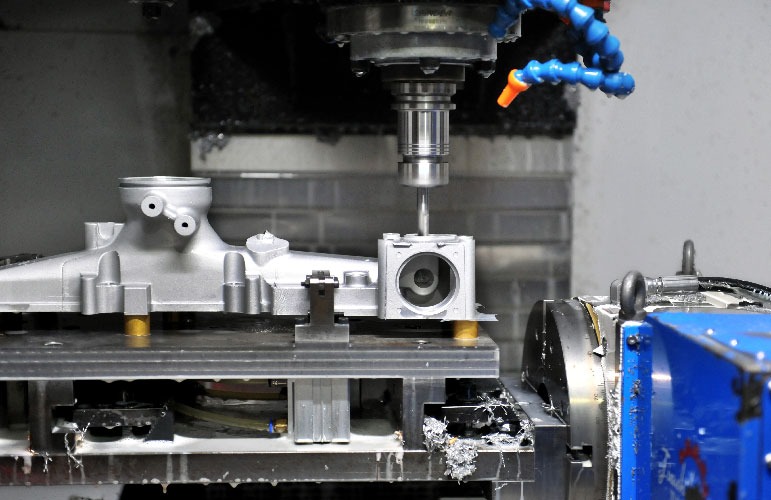
China’s adoption of advanced die casting technologies—including robotic automation, high-precision molds, and CNC machining centers—ensures consistent accuracy and high-quality production.
🔹 Quality Certifications:
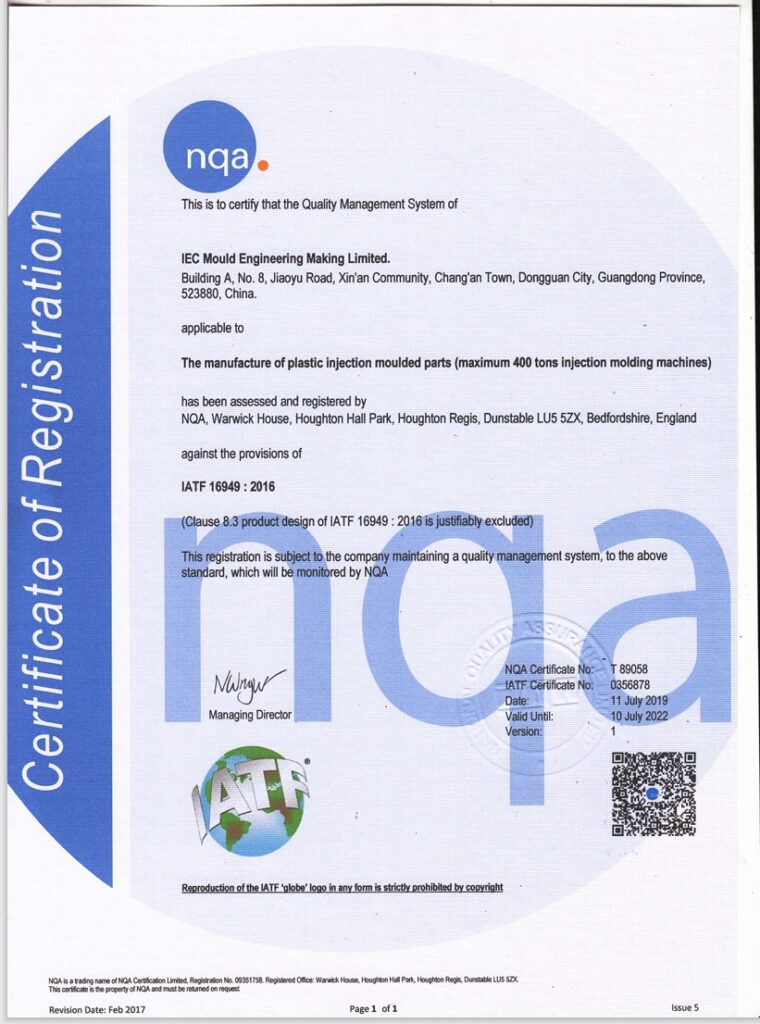
Leading die casting manufacturers comply with globally recognized standards such as ISO 9001 and IATF 16949, ensuring strict quality control and reliable batch consistency.
🔹 Value-Added Services:
Beyond production, Chinese manufacturers offer comprehensive secondary services, including surface finishing, precision machining, and product assembly, enhancing both performance and overall product value.
Comparing China Die Castings with Global Suppliers
1️⃣ Cost and Affordability Comparison
The cost difference between China and global die casting suppliers is significant. Below is a comparison of typical production costs across major manufacturing countries:
| 🌍 Country | 💲 Cost per Unit (USD) | ⚙️ Key Advantages |
|---|---|---|
| 🇨🇳 China | $0.50 – $1.50 | Low labor costs, scalable production |
| 🇩🇪 Germany | $2.00 – $4.00 | High precision, advanced technology |
| 🇺🇸 United States | $2.50 – $4.50 | High labor costs, high-quality standards |
| 🇮🇳 India | $1.00 – $2.50 | Lower costs, but less technological advancement |
📊 Conclusion: China offers the most competitive pricing, making it the preferred choice for businesses seeking a balance between cost efficiency and product quality.
2️⃣ Technology and Innovation Comparison
Countries such as Germany and Japan have long been leaders in precision manufacturing, particularly in industries demanding high material quality. However, China has steadily closed the technological gap in die casting through substantial investments in robotics, automation, and AI-driven production.
🔹 Germany and Japan:
Focus primarily on precision and material excellence, making them ideal partners for high-end sectors like aerospace.
🔹 China:
While renowned for cost-efficiency, China has also made significant technological advancements, enabling manufacturers to deliver high-quality die casting products at competitive prices.
3️⃣ Lead Time and Delivery Reliability
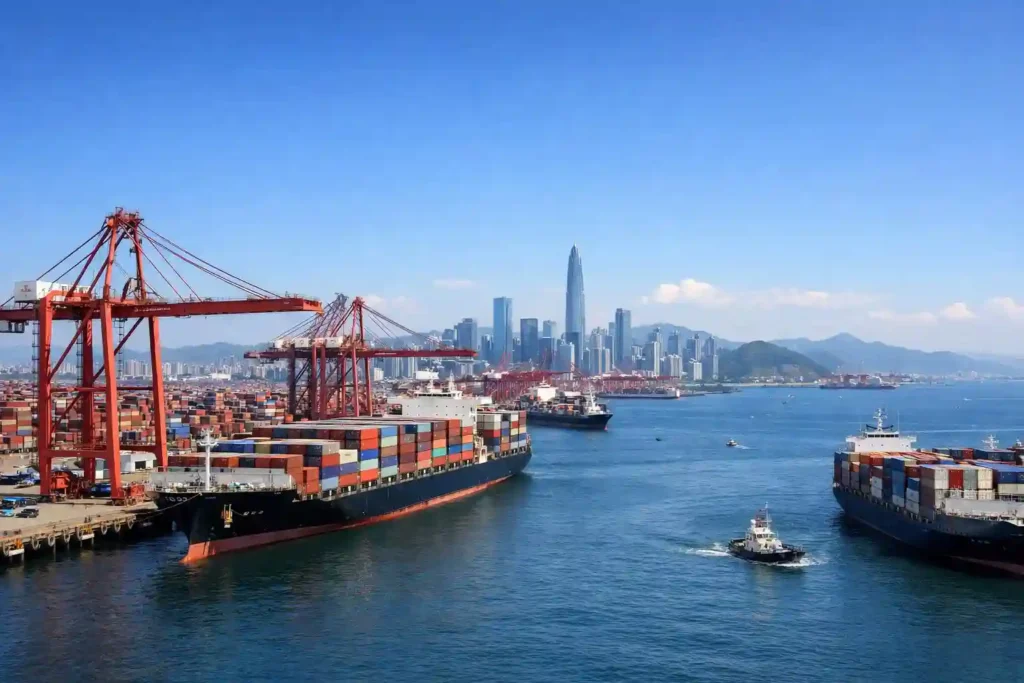
China’s robust logistics infrastructure provides a clear advantage, supporting short lead times and reliable delivery schedules. With the expansion of major shipping routes and advanced port systems, Chinese die castings can be shipped globally with high efficiency.
📦 Example:
Delivery times from China to the United States typically range from 15 to 30 days, depending on the chosen shipping method—competitive compared to other global manufacturing hubs.
Advantages of Choosing China Die Castings for Manufacturing Needs
1️⃣ Customization and Flexibility of China Die Castings
One of the key reasons businesses prefer China die castings is the ability of Chinese manufacturers to provide customized solutions.
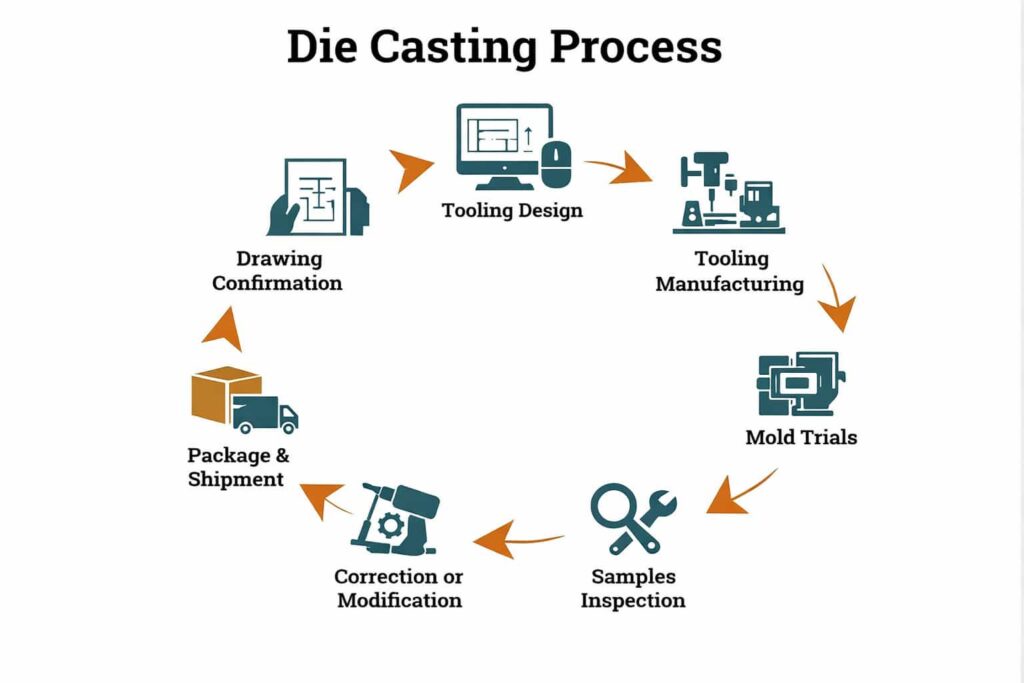
Whether you require a completely new mold design or need to modify an existing one to suit specific product requirements, China’s die casting suppliers are equipped to handle diverse needs.
Chinese manufacturers typically have extensive experience in designing and developing custom molds for various types of parts.
This capability allows them to work closely with clients to produce components that are both functional and cost-effective.
Unlike some global suppliers who may only offer standard molds and parts, Chinese suppliers specialize in providing flexible solutions tailored to each project.
Key Features of Customization
Tailored Molds: Excelling in designing and producing molds to match specific geometries, sizes, and materials.
Adaptation to Design Changes: Flexible and responsive to adjust production processes if specifications change.
Innovative Techniques: Using advanced software for simulation and prototype testing to refine designs and improve quality before full-scale production.
2️⃣ Various Materials Options and Comparison
Chinese die casting companies provide a wide range of materials, allowing for extensive customization.
Commonly used materials include aluminum, zinc, magnesium alloys, and brass.
Each material can be tailored for different applications such as durability, weight reduction, or corrosion resistance.
| Material | Key Applications | Advantages |
|---|---|---|
| Aluminum Alloys | Automotive, Aerospace, Electronics | Lightweight, corrosion-resistant, excellent thermal properties |
| Zinc Alloys | Electronics, Household Appliances | High castability, good strength, excellent surface finish |
| Magnesium Alloys | Automotive, Aerospace, Military | Lightweight, high-strength, low-weight components |
| Brass | Decorative, Electrical Components | Good corrosion resistance, aesthetic finish, machinability |
Through this diverse range of materials and customization options, China die casting suppliers can help companies meet the demands of any industry, ensuring components match exact specifications without compromising on quality or performance.
Applications of China Die Casting Across Industries
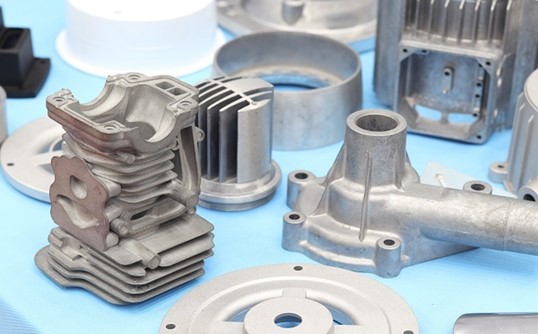
China’s die casting industry is known for its extensive expertise in working with a wide range of materials, allowing manufacturers to serve a broad spectrum of industries. Chinese manufacturers have become specialists in crafting high-quality parts for various applications, from automotive to consumer electronics. This ability to work across industries makes China die castings a versatile solution for businesses globally.
✅Automotive Industry: Leading the Charge in High-Volume Production
China has become one of the world’s largest producers of automotive die castings, and the industry continues to grow steadily.
As the global automotive market expands, Chinese die casting manufacturers are well-positioned to meet the increasing demand for high-volume production of automotive components.
China demonstrates strong capabilities in manufacturing automotive parts that require both high strength and lightweight properties, a combination that is essential in the automotive industry.
Key automotive components produced through die casting include:
- ✔ Engine Blocks: Engine blocks form the core of internal combustion engines, and die casting enables the production of these large and complex components with high precision. The use of aluminum and magnesium alloys helps reduce overall vehicle weight, improving fuel efficiency while maintaining structural strength.
- ✔ Transmission Cases: Die-cast transmission cases made from aluminum alloys provide excellent strength, durability, and resistance to high temperatures generated within transmission systems.
- ✔ Structural Components: Components such as chassis and suspension systems must be both lightweight and durable. Chinese manufacturers have extensive experience producing these parts using aluminum and magnesium alloys, achieving an optimal balance between strength and weight.
✅Electronics Industry: Precision and Complexity at Scale
China is also a leading player in the electronics industry, where die casting is used to produce precision components for devices like smartphones, laptops, computers, and home appliances. The electronics sector demands high precision and fine details, making China’s die casting manufacturers an ideal choice.
Some of the key die-cast components used in electronics include:
- ✔ Smartphone Housings: Aluminum is lightweight yet durable, making it ideal for smartphone housings. Chinese die casting manufacturers can create intricate parts that protect sensitive electronic components while maintaining structural integrity and heat dissipation.
- ✔ Laptop and Tablet Cases: Similar to smartphones, these casings require precision and strength. Aluminum die casting allows manufacturers to produce slim, durable enclosures capable of withstanding daily use.
- ✔ Electronic Connectors and Fittings: Zinc die casting is often used for smaller, intricate components such as connectors, fittings, and housings. These parts must be manufactured with high precision to ensure proper functionality across a range of devices.
✅ Other Industries: Aerospace, Medical Devices, and More
Beyond automotive and electronics, China’s die casting industry serves a broad range of sectors, including aerospace, medical devices, and consumer goods.
- ✔ Aerospace: Die-cast components for aerospace must endure extreme conditions such as high pressure and temperature. China produces parts like engine brackets, housings, and structural components using high-strength aluminum and magnesium alloys.
- ✔ Medical Devices: The medical industry requires highly precise components. Die casting is widely applied in surgical instruments, diagnostic equipment, and medical housings. Aluminum is commonly used due to its biocompatibility, strength, and ease of sterilization.
- ✔ Consumer Goods: China’s die casting sector also produces parts for household appliances, power tools, and furniture hardware. Cost-effective and versatile materials like zinc alloys and aluminum make these components suitable for a wide variety of products.
Key Considerations When Choosing a China Die Casting Supplier
1️⃣ Identifying the Right Partner
Selecting the right China die casting supplier is essential for the success of your manufacturing project. Several key factors should be evaluated to ensure reliability and capability.
- ✔ Experience and Capabilities: Verify the supplier’s industry experience and machinery to handle your product’s complexity. A seasoned supplier like IEC Mould, with over a decade in die casting and mold manufacturing, can deliver precise, high-quality products efficiently for both high-volume and customized orders.
- ✔ Certifications and Compliance: Ensure the supplier meets international quality standards such as ISO 9001 and IATF 16949, which are crucial for automotive and high-precision industries. IEC Mould is certified in both, adhering to strict quality standards for precision and reliability.
- ✔ Communication and Transparency: Effective communication is vital, especially with overseas partners. A supplier should be transparent from design to delivery to prevent misunderstandings. IEC Mould emphasizes open communication, providing regular updates and dedicated support at every stage.
2️⃣ Managing Communication and Quality Control
Once the right supplier is selected, maintaining clear communication and strict quality control ensures that products meet all specifications.
- ✔ Clear Communication Channels: Ensure the supplier has dedicated project management and customer service teams. IEC Mould’s experienced team guides clients through each stage, using various tools to facilitate seamless information exchange.
- ✔ Regular Updates: Continuous communication prevents delays and guarantees products are manufactured as required. IEC Mould provides real-time order updates and proactively addresses any concerns.
- ✔ Third-Party Inspections: For additional assurance, third-party inspections can verify product quality. IEC Mould collaborates with certified inspectors and conducts in-house checks to ensure die castings meet performance, durability, and appearance standards.
3️⃣ Why Choose IEC Mould?
Partnering with IEC Mould means selecting experience, certifications, and reliable communication for a smooth manufacturing process. As an ISO 9001 and IATF 16949 certified company, we provide high-quality die casting solutions across industries, working closely with clients to meet precise requirements while delivering timely production and excellent service.
Email: [email protected]
Tel: +86-0769-85336570
Website: https://castingstool.com / www.iec-mould.com
Let IEC Mould be your trusted partner for all die casting needs.
Frequently Asked Questions (FAQ) About China Die Castings
As China continues to lead the global die casting industry, businesses considering a Chinese manufacturer for their die casting needs may have several important questions. Here are five key questions to ask when evaluating China die casting suppliers: