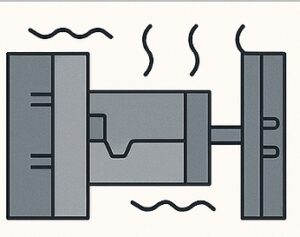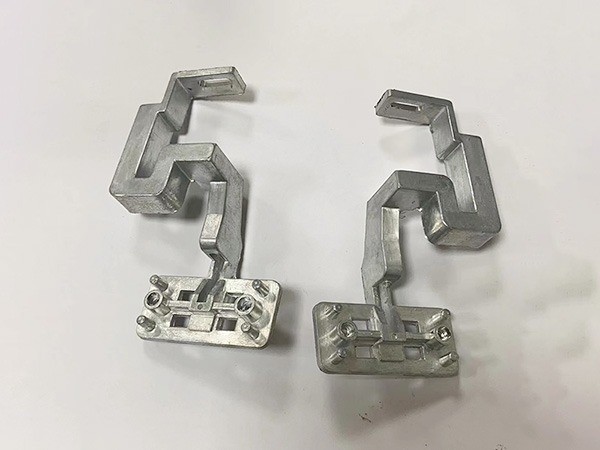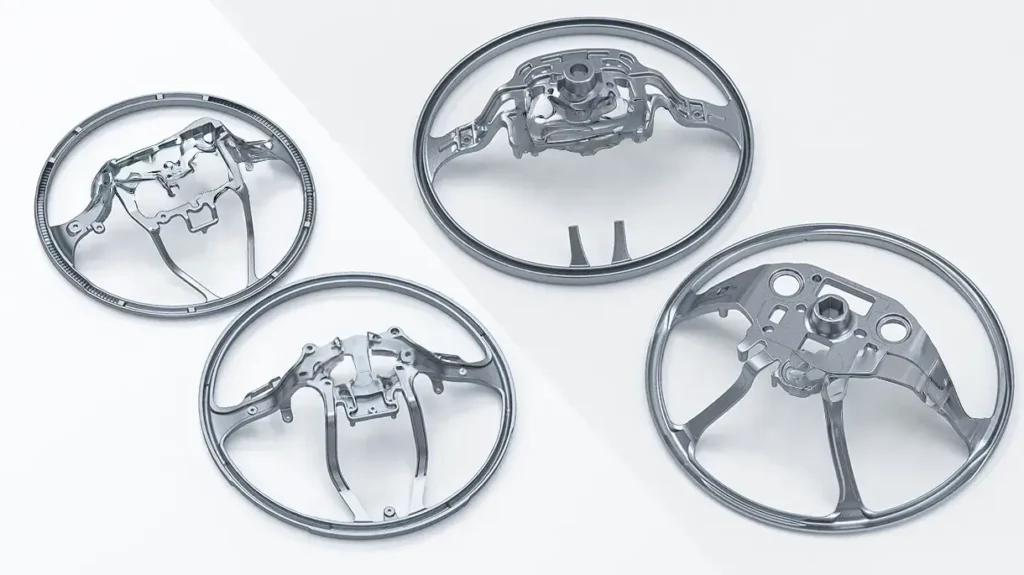

Die Casting Process Introduction
The die casting process is a highly efficient manufacturing method used to produce complex metal parts with excellent dimensional accuracy and smooth surface finish. In this process, molten metal such as aluminum, zinc, or magnesium is injected into a hardened steel mold under high pressure, allowing manufacturers to create precise components in large production volumes.
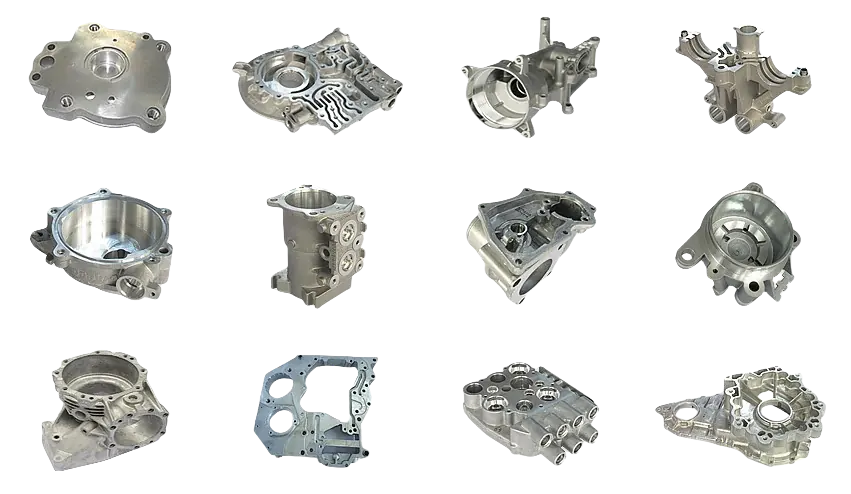
Because of its ability to produce lightweight, strong, and highly detailed parts, die casting has become one of the most widely used metal manufacturing processes in industries such as automotive, electronics, industrial machinery, and consumer products.
A typical metal die casting process involves several key steps, including mold design, metal melting, high-pressure injection, cooling, part ejection, and finishing operations. Each stage plays a critical role in ensuring the final product meets strict quality and performance requirements.
Compared with other casting methods, the high pressure die casting process offers significant advantages such as high productivity, reduced machining requirements, and excellent repeatability for mass production.
In this complete guide, we will explain how the die casting process works, explore different types of die casting, discuss common materials and defects, and provide practical design and cost insights for engineers, buyers, and manufacturers.
What is the Die Casting Process?
The die casting process is a metal casting method in which molten metal is injected into a steel mold cavity under high pressure. The metal quickly solidifies inside the mold, forming a precise and durable metal component. The basic die casting manufacturing process includes the following steps:
- Mold design and tooling manufacturing
- Metal melting
- High-pressure metal injection
- Cooling and solidification
- Part ejection from the mold
- Trimming and finishing
This process is widely used to produce high-precision components made from aluminum, zinc, and magnesium alloys.
Complete Die Casting Process: Step-by-Step Guide
The die casting process involves a series of precisely controlled steps that transform molten metal into high-precision components. From mold design to final finishing, each stage plays a crucial role in ensuring the dimensional accuracy, structural integrity, and surface quality of the final part.
A typical metal die casting manufacturing process includes mold preparation, metal melting, high-pressure injection, cooling, part ejection, and post-processing. Understanding these steps helps engineers, manufacturers, and buyers better evaluate the efficiency and quality of die casting production. Below is a detailed explanation of the step-by-step die casting process.
1.Die Casting Mold Design
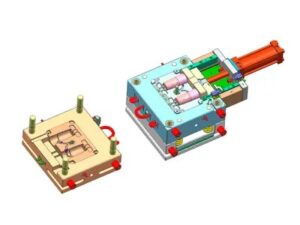
The die casting process begins with designing a precision steel mold called a die, which determines the final shape and surface quality of the casting. Engineers optimize key features such as draft angles, wall thickness, ribs, fillets, and gating systems to ensure manufacturability. Tools like DFM analysis and mold flow simulation help predict metal flow and reduce potential defects. A well-designed mold improves casting quality, production efficiency, and tooling lifespan.
2. Tooling Manufacturing
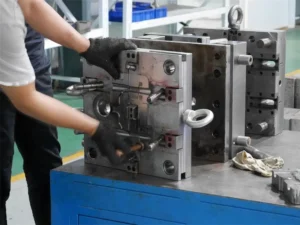
After the design is finalized, the die is manufactured using high-precision machining. Die casting molds are typically made from hardened tool steel to withstand high pressure and repeated thermal cycles. Common tooling processes include:
- CNC machining for cavities and cores
- EDM for complex geometries
- Heat treatment to increase durability
- Surface polishing to improve finish
3. Metal Melting

The selected alloy is melted in a furnace before injection. Common die casting materials include aluminum, zinc, and magnesium alloys. Typical melting temperatures:
- Aluminum: 650–700°C
- Zinc: 380–430°C
- Magnesium: 600–650°C
Proper temperature control ensures good metal flow and helps prevent casting defects.
4. High-Pressure Injection

Molten metal is injected into the die cavity at high speed and pressure using a die casting machine.
The metal fills the mold cavity within milliseconds, allowing the production of complex shapes and detailed features. Injection parameters must be carefully controlled to avoid defects such as short shots or air entrapment.
5. Cooling and Solidification
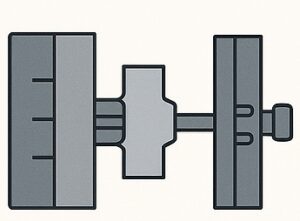
After filling the cavity, the molten metal rapidly cools and solidifies inside the mold. Cooling channels within the die help control temperature and ensure uniform solidification.
Effective cooling helps maintain dimensional stability, reduce warpage, and improve casting quality.
6. Part Ejection
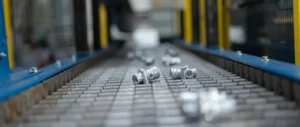
Once the casting solidifies, the mold opens and ejector pins push the part out of the die cavity.
A properly designed ejection system prevents deformation and maintains a fast production cycle.
7. Trimming and Post-Processing
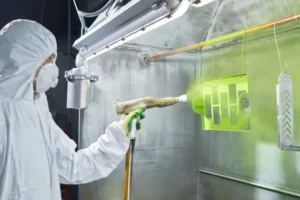
In the final stage, excess material is removed and the casting surface is improved. Typical post-processing includes:
- trimming gates and runners
- deburring edges
- shot blasting
- CNC machining
- surface finishing such as powder coating or anodizing
Types of Die Casting Processes
The die casting process can be performed using several different methods depending on the production requirements, material properties, and part complexity. Each type of die casting has unique advantages and is suitable for specific applications.
The most commonly used die casting methods include high pressure die casting, low pressure die casting, gravity die casting, and vacuum die casting. Understanding the differences between these processes helps engineers and manufacturers select the most appropriate manufacturing method for their products.
High Pressure Die Casting (HPDC) is the most widely used die casting method. In this process, molten metal is injected into a steel mold cavity at very high speed and pressure.
Injection pressure can reach 1500–2500 bar, allowing molten metal to fill complex mold geometries within milliseconds.
Key Advantages
- High production efficiency
- Excellent dimensional accuracy
- Smooth surface finish
- Suitable for complex geometries
- Ideal for mass production
Low Pressure Die Casting (LPDC) uses controlled low pressure to push molten metal into the mold cavity, typically through a riser tube.
Compared with HPDC, the filling process is slower and more stable, reducing turbulence and internal defects.
Key Advantages
- Reduced porosity
- Improved internal quality
- Better mechanical properties
- Suitable for structural parts
Gravity die casting fills the mold cavity using the natural force of gravity without high injection pressure.
The molds are made of reusable metal, making the process more efficient than traditional sand casting.
Key Advantages
- Lower tooling cost than HPDC
- Simple production equipment
- Good mechanical strength
Vacuum Die Casting
Vacuum die casting is an advanced die casting process where air is removed from the mold cavity before metal injection.
This significantly reduces gas entrapment and improves the density of the casting.
Key Advantages
- Reduced porosity
- Higher structural integrity
- Improved mechanical properties
- Suitable for heat treatment
Comparison of Different Die Casting Methods
| Die Casting Method | Injection Pressure | Production Speed | Internal Quality | Typical Applications |
|---|---|---|---|---|
| High Pressure Die Casting | Very High | Very Fast | Moderate | Mass production parts |
| Low Pressure Die Casting | Low | Moderate | Excellent | Structural components |
| Gravity Die Casting | None | Moderate | Good | Medium volume parts |
| Vacuum Die Casting | High + Vacuum | Fast | Excellent | High-performance parts |
Materials Used in Die Casting
The choice of material plays a critical role in the die casting process. Different metals have different melting points, fluidity, mechanical properties, and surface finish characteristics. Selecting the right material ensures optimal part performance, manufacturability, and cost-efficiency.
The most commonly used die casting materials include aluminum alloys, zinc alloys, and magnesium alloys. Each material has unique advantages depending on the application requirements.
Aluminum alloys are the most popular material in die casting due to their lightweight, corrosion resistance, and good mechanical properties. Aluminum is especially suitable for high-volume production and parts requiring weight reduction without sacrificing strength.
Key Properties
- Melting point: 650–700°C
- Lightweight and strong
- Excellent corrosion resistance
- Good thermal conductivity
- Easy to machine and finish
Typical Applications
- Automotive engine parts, housings, and brackets
- Electronics enclosures and heat sinks
- Industrial machinery components
- Consumer electronics and appliances
| Material | Melting Point | Density | Strength | Surface Finish | Typical Applications |
|---|---|---|---|---|---|
| Aluminum | 650–700°C | 2.7 g/cm³ | High | Smooth | Automotive, electronics, industrial parts |
| Zinc | 380–430°C | 7.1 g/cm³ | Medium | Excellent | Precision hardware, connectors |
| Magnesium | 600–650°C | 1.8 g/cm³ | High | Good | Aerospace, automotive lightweight parts |
| Copper alloys | 1085°C | 8.9 g/cm³ | Very High | Good | Electrical, specialized components |
Zinc alloys are widely used for high-precision, thin-walled components where surface finish and dimensional accuracy are critical. Zinc die casting allows tight tolerances and can produce intricate designs with minimal machining.
Key Properties
- Melting point: 380–430°C
- Excellent dimensional stability
- Smooth surface finish
- High strength for thin walls
- Fast solidification for high-volume production
Typical Applications
- Automotive hardware and small engine parts
- Electrical and electronic connectors
- Consumer hardware and household appliances
- Precision mechanical components
Magnesium alloys are known for ultra-lightweight and high strength, making them ideal for aerospace and automotive applications. Magnesium die casting is often chosen when weight reduction is critical without compromising mechanical performance.
Key Properties
- Melting point: 600–650°C
- Extremely lightweight (lighter than aluminum)
- High strength-to-weight ratio
- Excellent dimensional stability
- Good corrosion resistance with coatings
Typical Applications
- Aerospace and defense components
- Automotive structural parts
- Lightweight industrial machinery parts
- Electronic device frames
Comparison Table: Common Die Casting Materials
| Material | Melting Point | Density | Strength | Surface Finish | Typical Applications |
|---|---|---|---|---|---|
| Aluminum | 650–700°C | 2.7 g/cm³ | High | Smooth | Automotive, electronics, industrial parts |
| Zinc | 380–430°C | 7.1 g/cm³ | Medium | Excellent | Precision hardware, connectors |
| Magnesium | 600–650°C | 1.8 g/cm³ | High | Good | Aerospace, automotive lightweight parts |
| Copper alloys | 1085°C | 8.9 g/cm³ | Very High | Good | Electrical, specialized components |
Advantages of the Die Casting Process
The die casting process offers multiple advantages over other metal manufacturing methods, making it the preferred choice for high-volume production, complex part geometry, and precision components. Understanding these benefits helps engineers, buyers, and manufacturers make informed decisions.
1. High Dimensional Accuracy
Die casting produces parts with tight tolerances and excellent dimensional stability, even for complex shapes. High-pressure injection ensures the molten metal completely fills the mold, creating consistent parts with minimal variation.
Benefits for Customers:
- Reduced need for secondary machining
- Consistent assembly fit
- Better reliability for critical components
2. Excellent Surface Finish
Parts produced via die casting often have smooth surfaces that are suitable for cosmetic or functional applications without additional finishing.
Advantages:
- Reduced polishing or coating costs
- Improved aesthetic appearance
- Easier post-processing for paint or plating
3. High Production Efficiency
Die casting is a high-speed process, capable of producing thousands of parts per day. The combination of fast injection, rapid cooling, and automated ejection allows for efficient mass production.
Benefits:
- Lower per-part cost at high volumes
- Shorter lead times
- Quick return on tooling investment
4. Ability to Produce Complex Geometries
Die casting enables intricate designs that are difficult or impossible with other casting methods. Features such as thin walls, ribs, bosses, and undercuts can be produced accurately in a single mold.
Benefits:
- Reduced assembly steps
- Fewer components per product
- Lightweight designs without compromising strength
5. Reduced Post-Processing and Machining
Because of the precision and smooth finish, die casting parts often require minimal secondary operations. Machining, trimming, and finishing costs are significantly lower compared to sand casting or investment casting.
Benefits:
- Lower total manufacturing cost
- Faster production cycles
- Improved consistency across parts
6. Material and Design Flexibility
Die casting works with aluminum, zinc, magnesium, and copper alloys, offering a balance of strength, weight, and corrosion resistance. This allows engineers to choose the right material for their design requirements.
Benefits:
- Optimized strength-to-weight ratio
- Corrosion-resistant components
- Broad application range
7. Cost-Effectiveness for High-Volume Production
Although the initial tooling investment can be high, die casting becomes highly cost-effective for medium-to-large production volumes due to:
- High production speed
- Low scrap rate
- Reduced post-processing requirements
Benefits for Buyers:
- Lower unit cost at scale
- Predictable production budgeting
- Reliable supply for large orders
Top 7 Common Die Casting Defects and How to Avoid Them
Even with a well-designed die casting process, defects can occur if proper controls are not applied. Understanding these common defects and their causes is crucial for producing high-quality parts. Below are the most frequent die casting defects and effective ways to prevent them.
| Defect | Defect Image (Large) | Description | Main Causes | Prevention & Solutions |
|---|---|---|---|---|
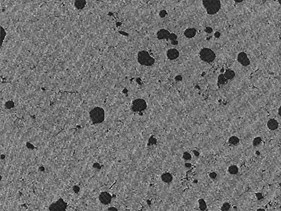
| Porosity | ![]() | Small air pockets trapped inside the casting that reduce strength and sealing performance. | Gas entrapmentTurbulent metal flowPoor mold ventingMoisture in alloy | Improve mold ventingUse vacuum die castingOptimize injection speed and temperaturePreheat molds |
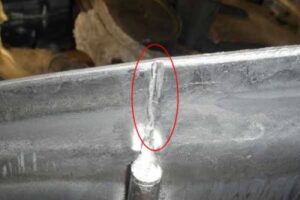
| Cold Shut | ![]() | Two streams of molten metal fail to fuse together, leaving a visible line on the casting. | Low metal temperatureSlow injection speedPoor gating design | Increase metal temperatureOptimize injection speed and pressureImprove gating system |
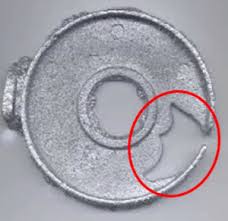
| Short Shot | ![]() | The mold cavity is not completely filled, resulting in incomplete parts. | Insufficient injection pressureLow metal temperatureIncorrect shot size | Increase injection pressureAdjust metal temperatureEnsure proper shot volume |
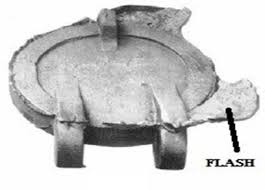
| Flash | ![]() | Excess thin metal forms along the parting line of the die. | Worn dieExcessive injection pressureDie misalignment | Maintain die regularlyAdjust injection pressureEnsure proper die alignment |
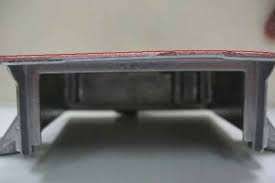
| Warpage | ![]() | Part deformation after ejection due to uneven cooling or internal stress. | Uneven coolingNon-uniform wall thicknessPoor ejection design | Optimize cooling channelsMaintain uniform wall thicknessImprove ejection method |
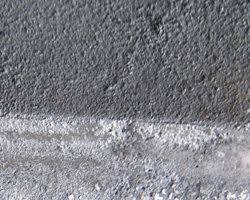
| Surface Imperfections | ![]() | Rough surfaces, pitting, or unwanted textures on the casting surface. | Mold damageContaminated molten metalLow injection pressure | Polish mold surfacesUse clean molten metalOptimize injection parameters |
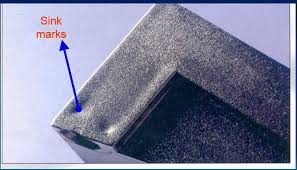
| Sinks / Shrinkage | ![]() | Depressions on the casting surface caused by internal shrinkage during solidification. | Thick sectionsUneven solidificationPoor feeding design | Maintain uniform wall thicknessOptimize coolingImprove gating system |
Understanding common die casting defects such as porosity, cold shut, short shot, flash, warpage, surface defects, and shrinkage helps engineers optimize mold design, improve production efficiency, and ensure high-quality die casting parts.
Die Casting Design Guidelines
Design plays a critical role in the success of the die casting process. Proper design not only ensures manufacturability and dimensional accuracy but also minimizes defects and reduces production costs. Below are key die casting design guidelines that every engineer and designer should follow.
1. Draft Angle
A draft angle is a slight taper on vertical walls of the part, allowing easy ejection from the mold.
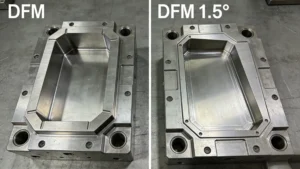
Recommended Values:
- Flat walls: 1–2°
- Textured walls: 2–3°
Why It Matters:
- Reduces ejection force
- Prevents surface damage and warpage
- Minimizes wear on the mold
2. Wall Thickness
Uniform wall thickness ensures consistent metal flow and solidification.
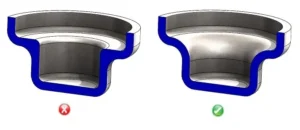
Guidelines:
- Aluminum: 2–5 mm
- Zinc: 1–3 mm
- Magnesium: 2–4 mm
- Avoid sudden changes in thickness
Benefits:
- Reduces warpage and shrinkage
- Minimizes porosity
- Improves dimensional stability
3. Fillets and Radii
Fillets are rounded corners at junctions of walls and ribs.
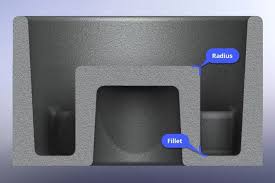
Purpose:
Improves metal flow
Reduces stress concentration
Prevents cracks and cold shuts
Recommended Values:
- Fillets: ≥ 0.5 × wall thickness
- Internal corners should never be sharp
4. Ribs
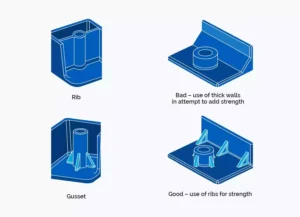
Ribs are thin support walls used to strengthen sections without increasing thickness.
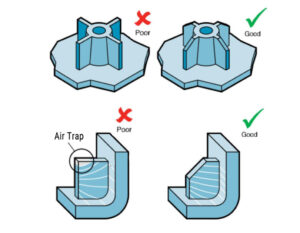
Guidelines:
- Rib thickness: 0.5–0.6 × main wall thickness
- Height: ≤ 3 × wall thickness
- Avoid ribs at parting lines
Benefits:
- Increases structural rigidity
- Minimizes weight
- Reduces sink marks
5. Bosses
Bosses are raised cylindrical features used for mounting or assembly.
Guidelines:
- Wall thickness: 0.6–0.8 × adjacent walls
- Draft angle: 0.5–1°
- Add fillets at base for strength
Benefits:
- Ensures durable threaded holes
- Reduces stress concentration
- Minimizes warpage
6. Holes and Undercuts
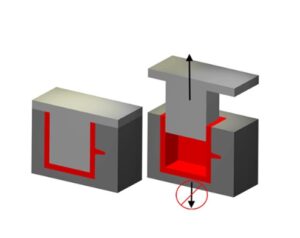
Design Tips:
- Avoid undercuts if possible; they increase mold complexity
- Use side actions or slides for necessary undercuts
Maintain minimum distance between holes and edges to avoid cracks
Benefits:
- Simplifies mold design
- Reduces tooling cost
- Minimizes risk of defects
7. Surface Texture
Guidelines:
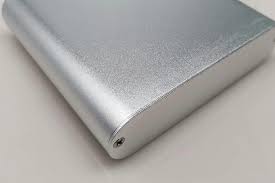
- Smooth surfaces reduce friction during ejection
- Textured surfaces may require larger draft angles
- Avoid sharp transitions in texture
Benefits:
- Improves surface quality
- Reduces post-processing cost

Summary Table: Key Die Casting Design Parameters
| Feature | Recommendation | Benefits |
|---|---|---|
| Draft Angle | 1–2° flat, 2–3° textured | Easy ejection, reduced mold wear |
| Wall Thickness | Aluminum 2–5mm, Zinc 1–3mm | Prevent warpage, porosity |
| Fillets | ≥ 0.5 × wall thickness | Reduce stress, improve flow |
| Ribs | 0.5–0.6 × wall thickness | Strength without weight |
| Bosses | 0.6–0.8 × wall thickness | Strong mounting points |
| Holes & Undercuts | Minimize, use slides if needed | Reduce tooling cost, avoid cracks |
| Surface Texture | Smooth or controlled | Reduce friction, improve finish |
Die Casting Cost Factors
Understanding the cost factors in die casting is essential for manufacturers, buyers, and engineers. The overall cost of a die casting project is influenced by multiple variables, including tooling, materials, production volume, machining, and post-processing. Proper planning and optimization can help reduce costs while maintaining high-quality standards.
1. Die Casting Tooling Cost
Die casting tooling cost refers to the expense of designing and manufacturing the die, including mold cavities, cores, and inserts.
Factors Influencing Tooling Cost:
- Complexity of part geometry
- Number of cavities in the die
- Material and hardness of mold steel
- Surface finish and polishing requirements
Cost-Saving Strategies:
- Optimize mold design to reduce complexity
- Use high-quality steel for long-lasting molds
- Consider multi-cavity molds for high-volume production
2. Die Casting Material Cost
die casting material cost depends on the type and amount of metal used, including aluminum, zinc, magnesium, or copper alloys.
Key Considerations:
- Material price per kilogram
- Scrap or waste during casting
- Alloy selection based on application requirements
Cost-Saving Strategies:
- Use lightweight alloys for weight-critical parts
- Minimize scrap through efficient gating and recycling
- Choose cost-effective alloys when appropriate
3. Die Casting Machining and Post-Processing Cost
After casting, parts may require secondary operations like trimming, deburring, CNC machining, or surface treatment.
Factors Influencing Cost:
- Complexity of post-processing
- Tolerances and surface finish requirements
- Number of features requiring machining
Cost-Saving Strategies:
- Design parts for minimal secondary machining
- Use high-quality molds to reduce trimming
- Implement surface finishes during casting when possible
4. Die Casting Production Volume
Production volume has a direct impact on the unit cost per part. High-volume production reduces per-unit cost due to the amortization of tooling and setup expenses.
Key Insights:
- Die casting is most cost-effective for medium to large volumes
- Low-volume production may favor alternative casting methods
- Efficient scheduling and machine utilization reduce overhead
5. Die Casting Quality Control and Inspection Cost
Maintaining high-quality standards involves inspection and testing, such as X-ray inspection, CMM measurement, and leak testing.
Factors Influencing Cost:
- Number of inspections required
- Testing complexity
- Industry standards compliance (ISO9001, IATF16949)
Cost-Saving Strategies:
- Implement inline inspection to detect defects early
- Standardize QC procedures to reduce repeated testing
- Use automation where possible for consistent results
Summary Table: Major Die Casting Cost Factors
| Cost Factor | Description | Cost Reduction Strategies |
|---|---|---|
| Tooling | Mold design, material, polishing | Optimize design, multi-cavity molds |
| Material | Metal type, scrap, alloy | Use lightweight alloys, minimize waste |
| Machining & Post-Processing | Trimming, CNC, surface treatment | Design for minimal machining, improve mold quality |
| Production Volume | Number of parts produced | High-volume amortization, efficient scheduling |
| Quality Control | Inspection, testing, standards compliance | Inline QC, standardize procedures, automation |
How to Choose a Reliable Die Casting Supplier
Selecting a reliable die casting supplier is critical for ensuring consistent quality, on-time delivery, and cost-effective production. Whether you are an engineer, procurement professional, or project manager, evaluating suppliers carefully helps reduce risks and improve overall manufacturing efficiency.
1. Die Casting supplier engineering support
A high-quality die casting supplier should provide comprehensive engineering support
Including:
- Design for Manufacturability (DFM)
- Mold flow analysis and simulation
- Prototype production and validation
- Technical consultation on material and process selection
Benefits:
- Optimized part design reduces defects and production costs
- Faster development cycles for new products
- Improved manufacturability for complex geometries
2. Die Casting Mold Design and Tooling Capabilities
The supplier’s tooling capabilities are critical to part quality
Key factors to evaluate:
- Mold material and hardness
- CNC, EDM, and polishing equipment
- Multi-cavity molds for high-volume production
- Maintenance and longevity of molds
Benefits:
- High precision and repeatability
- Reduced scrap and defects
- Faster production ramp-up
3. Die Casting Quality Management Systems
A reliable supplier should adhere to international quality standards,
Such as:
- ISO 9001 for quality management
- IATF 16949 for automotive applications
- Other industry-specific certifications
Benefits:
- Consistent production quality
- Confidence in compliance with industry standards
- Traceability of parts and processes
4. Die Casting Production Capacity and Delivery Reliability
Ensure the die casting supplier can meet your production volume and delivery requirements:
Such as:
- Number of die casting machines and shot sizes
- Flexible scheduling for prototyping and mass production
- On-time delivery track record
Benefits:
- Avoid production delays
- Reduce inventory risk
- Ensure supply chain reliability
5. Die Casting Post-Processing and Value-Added Services
Many casting suppliers offer additional services to streamline production
Such as:
- CNC machining and trimming
- Surface finishing: anodizing, plating, powder coating
- Assembly and packaging
Benefits:
- One-stop solution reduces coordination complexity
- Saves time and cost for customers
- Improves part aesthetics and functionality
6. Die Casting Customer References and Die Casting Case Studies
Evaluate suppliers based on past projects and client feedback.
Such as:
- Similar industry experience
- Proven performance on complex or high-volume parts
- Testimonials and case studies
Benefits:
- Confidence in supplier capability
- Insight into problem-solving expertise
- Reduced project risk
Summary Table: Choosing a Reliable Die Casting Supplier
| Factor | Key Considerations | Benefits |
|---|---|---|
| Engineering Support | DFM, moldflow, prototyping | Optimized design, fewer defects |
| Tooling Capability | Mold quality, CNC/EDM, multi-cavity | Precision, repeatability, faster ramp-up |
| Quality Systems | ISO9001, IATF16949 | Consistent quality, compliance |
| Production Capacity | Machine availability, scheduling | On-time delivery, reliability |
| Post-Processing | Machining, finishing, assembly | One-stop solution, lower cost |
| Customer References | Past projects, testimonials | Confidence, reduced risk |
FAQ About Die Casting Process
Here are some of the most frequently asked questions about the die casting process, along with detailed answers to help engineers, buyers, and quality professionals understand the process better.
What metals are commonly used in die casting?
The most common materials used in die casting include aluminum, zinc, and magnesium alloys. These metals offer good fluidity, strength, corrosion resistance, and excellent surface quality.
Is die casting expensive?
Die casting requires higher initial tooling costs compared with some other manufacturing processes. However, it becomes very cost-effective for medium to high production volumes due to its high efficiency and low per-part cost.
What is the difference between die casting and sand casting?
The main difference is the mold type and production process.
Die casting uses steel molds and high pressure to produce precise parts, while sand casting uses sand molds and gravity filling, making it more suitable for large parts or low-volume production.
What is the typical tolerance of die casting?
Die casting can achieve tight tolerances, typically around ±0.05 mm to ±0.1 mm, depending on the material and part size. Additional machining may be used for higher precision requirements.