Skip to content
Introduction to Die Casting Defects
Die casting is a critical process in manufacturing, known for its precision and ability to produce complex metal parts. However, like all industrial processes, die casting comes with its own set of challenges, particularly die casting defects. These imperfections not only affect the appearance and mechanical properties of the product but also have a significant impact on production efficiency and mold maintenance costs. In this article, we will discuss the most common die casting defects, their causes, solutions, and how regular mold maintenance can reduce costs.
What Are Die Casting Defects?
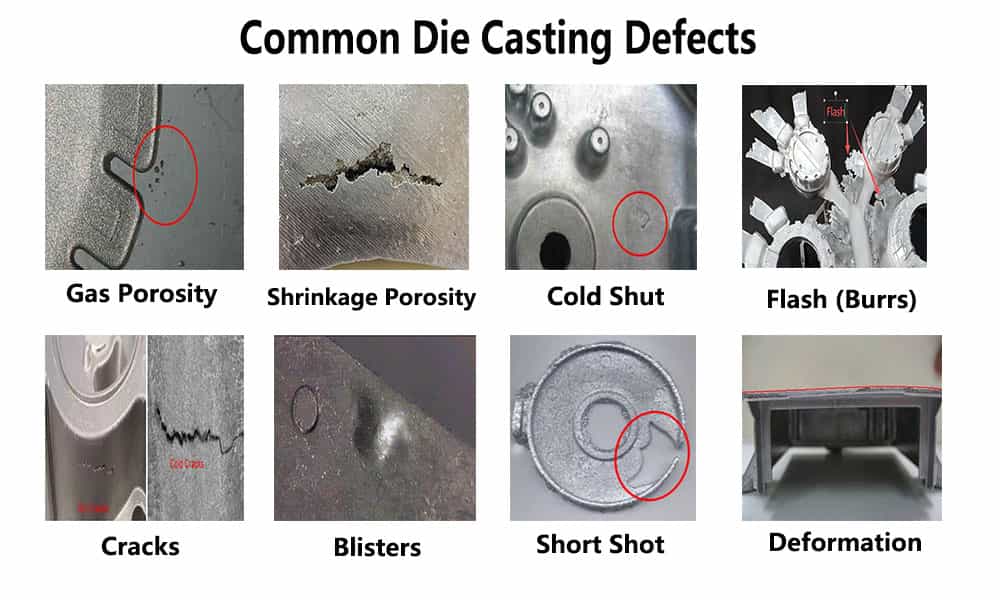
Die casting defects are imperfections that occur during the metal casting process. They can affect the final product’s appearance, mechanical properties, and dimensional accuracy. These defects can appear internally or externally and often result in product rejection or the need for additional processing. Effective die casting defect control is crucial for maintaining product quality and minimizing production costs.
Why Defect Control Matters for Product Quality and Cost
Controlling die casting defects is essential to ensuring consistent product quality and reducing production costs. Poor defect control can lead to:
- Increased scrap rates
- Additional machining and finishing costs
- Reduced product strength and durability
- Customer complaints and returns
From a business perspective, defects directly impact profitability by increasing waste and reducing production efficiency. Managing defects proactively can reduce mold maintenance costs by prolonging mold life and minimizing the need for repairs.
The Relationship Between Die Casting Defects and Mold Maintenance Costs
There is a direct link between die casting defects and mold maintenance costs. Here are some common scenarios:
- Flash and burrs increase mold wear, leading to higher repair costs.
- Gas porosity defects result in more frequent mold cleaning and maintenance.
- Cracks indicate thermal fatigue in molds, which can reduce their lifespan and require costly repairs.
By focusing on reducing defects, manufacturers can significantly extend the life of their molds, reducing tooling costs and improving overall production efficiency.
Common Die Casting Defects and Their Solutions
- Gas Porosity in Die Casting
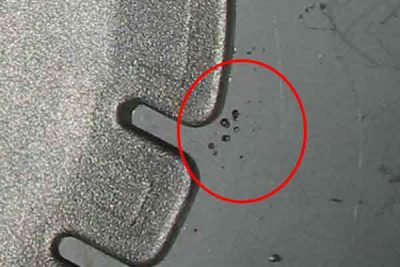
Gas porosity is a common defect in die casting, where small pockets of air or gas become trapped inside the casting, forming voids or bubbles. These voids weaken the structural integrity of the casting, which can impact the final product’s performance.
⚠️ Causes:
- Air entrapment during the high-speed injection of molten metal into the mold cavity.
- Poor venting design, preventing the escape of trapped gases.
- Turbulent metal flow, which can lead to air being trapped in the molten metal.
💡 Solutions:
- Enhance venting systems to facilitate the release of trapped air and gases during the injection process.
- Optimize injection parameters such as speed and pressure to reduce turbulence and ensure smoother filling.
- Utilize vacuum die casting technology to eliminate gas pockets and improve the casting’s overall density.
🔧 Prevention Tips:
- Maintain consistent process conditions such as temperature and pressure to minimize turbulence and air entrapment.
- Ensure smooth metal flow throughout the mold, avoiding sharp angles and design features that disrupt the metal’s path and trap air.
- Shrinkage Porosity
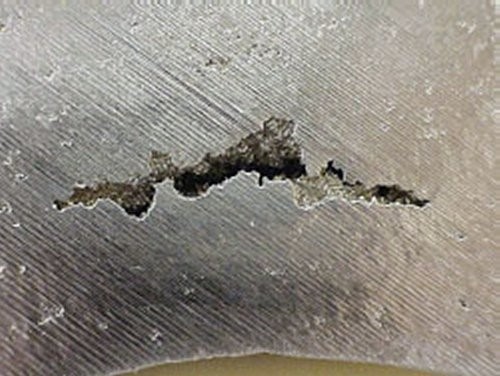
Shrinkage porosity occurs during the cooling and solidification process when the molten metal contracts, leaving behind internal voids or cavities. This defect can compromise the mechanical strength and surface finish of the casting.
⚠️ Causes:
- Improper solidification, where the metal cools unevenly and shrinks in certain areas.
- Uneven cooling across the casting, which leads to inconsistent contraction.
- Thick wall sections that cool slower than thinner sections, creating areas prone to shrinkage.
💡 Solutions:
- Optimize cooling system design to ensure even and controlled cooling across the casting.
- Improve gating and feeding systems to ensure a steady flow of metal during solidification and prevent void formation.
- Maintain uniform wall thickness to ensure consistent cooling rates and reduce the risk of shrinkage.
🔧 Prevention Tips:
- Use simulation tools to predict potential shrinkage areas before production, allowing for adjustments in design.
- Balance wall thickness in the casting design to promote uniform cooling and minimize shrinkage.
- Cold Shut
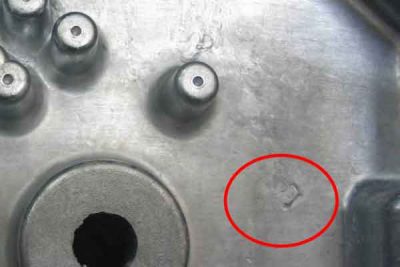
Cold shut is a die casting defect that occurs when two streams of molten metal fail to fuse properly, resulting in visible seams or lines on the casting. These defects can compromise the structural integrity and aesthetic quality of the part.
⚠️ Causes:
- Low molten metal temperature, leading to insufficient fluidity for proper fusion.
- Slow filling speed, which causes the molten metal to cool and solidify before the cavity is fully filled.
- Interrupted metal flow, where the metal does not flow continuously into the mold, causing gaps and misalignment.
💡 Solutions:
- Increase pouring temperature to improve metal fluidity and ensure proper filling of the mold.
- Improve gate design to ensure smoother and more consistent metal flow into the mold cavity.
- Increase injection speed to fill the mold quickly and reduce the chances of cold shut formation.
🔧 Prevention Tips:
- Ensure continuous and stable filling throughout the casting process to avoid any interruptions or slowdowns in metal flow.
- Optimize the gating system for better control over the flow path and to prevent premature solidification.
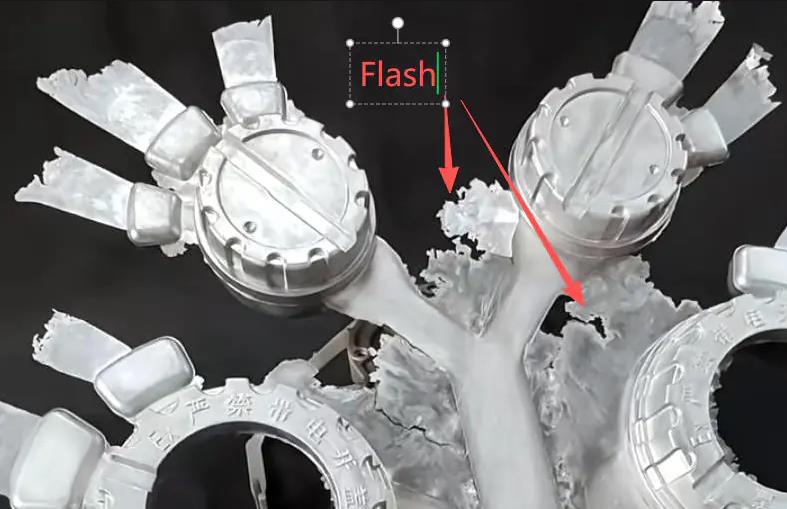
4. Flash (Burrs)
Flash is a die casting defect where excess molten metal escapes from the mold cavity, creating thin, unwanted metal protrusions that need to be removed. These burrs can affect the part’s finish and require additional processing to clean up.
⚠️ Causes:
- Worn mold surfaces, which lead to gaps where metal can leak out.
- Excessive injection pressure, forcing metal into unintended areas of the mold.
- Insufficient clamping force, causing the mold halves to separate slightly during injection, allowing metal to escape.
💡 Solutions:
- Repair or replace worn molds to ensure a proper seal and prevent metal leakage.
- Adjust injection pressure to the optimal level to avoid forcing metal into unwanted areas.
- Increase clamping force to securely hold the mold halves together during injection, preventing metal from escaping.
🔧 Prevention Tips:
- Regularly inspect mold alignment to ensure there are no gaps or misalignments that could lead to flash.
- Calibrate machines regularly to maintain precise control over injection pressure and clamping force, ensuring consistent and defect-free casting.
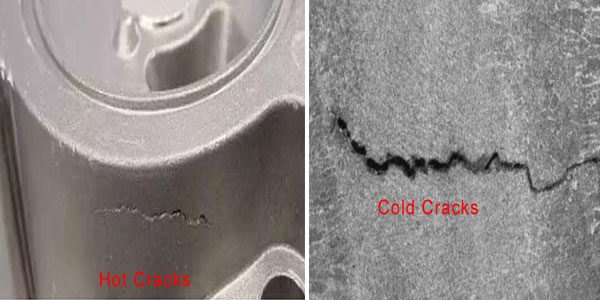
5. Cracks (Hot and Cold Cracks)
Cracks, whether hot or cold, are critical defects that severely impact the structural integrity of the casting. These cracks can compromise the part’s mechanical properties and lead to failure during use.
⚠️ Causes:
- Thermal stress, which occurs due to rapid temperature changes during cooling.
- Uneven cooling, causing areas of the casting to contract at different rates.
- Alloy composition issues, where the metal mixture is prone to cracking under stress.
💡 Solutions:
- Optimize cooling rates to ensure uniform temperature distribution during solidification.
- Control mold temperature to maintain a steady thermal environment that reduces the risk of thermal stress.
- Adjust alloy composition to better handle the thermal conditions during the casting process.
🔧 Prevention Tips:
- Avoid designing sharp corners or stress concentrators that can amplify thermal or mechanical stresses.
- Use simulation tools to predict stress points and adjust design accordingly.
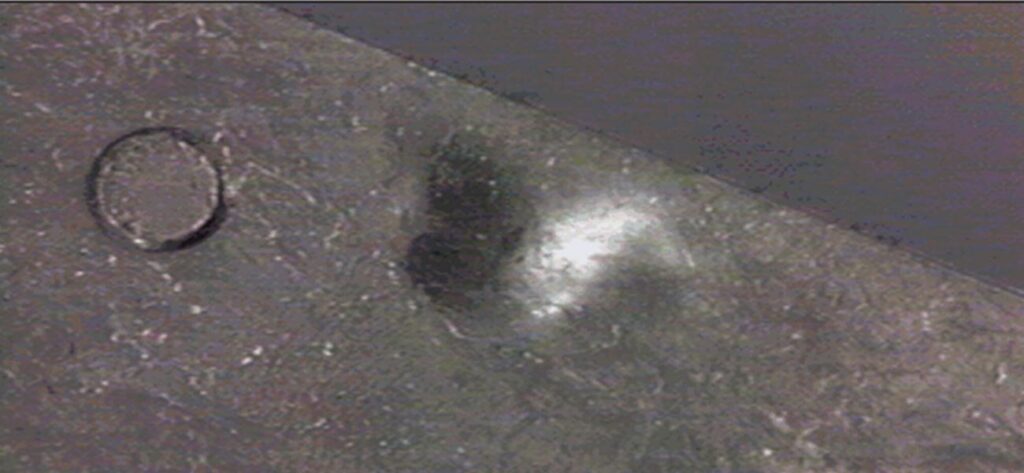
6. Blisters
Blisters are surface defects caused by the expansion of gas trapped beneath the surface of the casting. These bubbles can negatively affect both the appearance and strength of the part.
⚠️ Causes:
- Trapped gas within the molten metal that expands as the metal cools.
- High mold temperature, which exacerbates gas retention and prevents proper venting.
💡 Solutions:
- Improve venting systems to allow gases to escape during the casting process.
- Reduce mold temperature to help solidify the metal more quickly, preventing gas buildup.
- Optimize release agent usage to minimize surface defects and improve mold release.
🔧 Prevention Tips:
- Maintain stable thermal conditions throughout the production process to reduce the likelihood of gas entrapment.
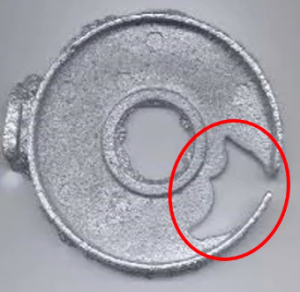
7. Short Shot (Incomplete Filling)
Short shots occur when the mold cavity is not fully filled with molten metal, leading to incomplete or defective parts.
⚠️ Causes:
- Low injection pressure, which prevents the molten metal from reaching all areas of the mold.
- Insufficient metal volume, leading to gaps or incomplete filling.
- Poor gating design, causing blockages or uneven flow of metal.
💡 Solutions:
- Increase injection pressure to ensure the mold cavity is fully filled.
- Improve gating system design to allow for smoother and more consistent metal flow.
- Raise molten metal temperature to improve fluidity and facilitate filling of complex mold cavities.
🔧 Prevention Tips:
- Avoid designing overly thin walls that restrict metal flow, leading to incomplete mold filling.
8. Deformation
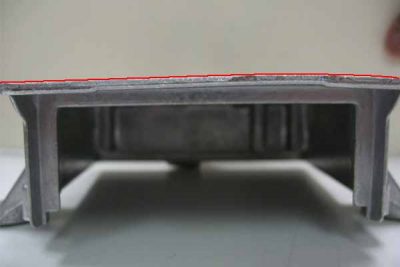
Deformation occurs when the geometric shape of the die-casting part does not align with the original design, causing either overall or local distortion. This defect can be detected through visual inspection or with precise gage measurements.
⚠️ Causes:
- Poor casting structural design, leading to uneven shrinkage during cooling.
- Premature mold opening, which does not allow the casting to fully solidify and gain enough rigidity.
- Unbalanced ejection mechanism design, causing uneven force distribution during ejection.
- Drags that occur during the ejection process, leading to distortion of the part.
- Improper gate removal, resulting in uneven stress during the demolding phase.
💡 Solutions:
- Optimize casting structural design to ensure even cooling and shrinkage.
- Adjust mold opening time to allow the casting to cool sufficiently and become rigid before ejection.
- Set ejection pin positions and quantities more strategically to balance the forces during ejection.
- Eliminate unfavorable factors such as misalignment or excessive drag during demolding.
- Choose a proper gate removal method that minimizes stresses on the casting.
🔧 Prevention Tips:
- Use simulation tools to optimize mold design and predict potential deformation areas.
- Regularly inspect and calibrate mold components to prevent issues related to alignment or ejection.
Reducing Mold Maintenance Costs: A Comprehensive Approach
Effective mold maintenance is critical in die casting to control costs, improve product quality, and extend mold lifespan. The following strategies integrate best practices from production operators and maintenance personnel:
- Establish Comprehensive Mold Records
- Create a full usage log for each mold, recording daily production cycles, structural details, and maintenance history.
- Identify wear-prone parts such as ejector pins, cores, and slides, and maintain a minimum stock of spare parts to prevent production delays.
- Mark molds with permanent identifiers to avoid assembly errors.
- Optimize Cooling Systems
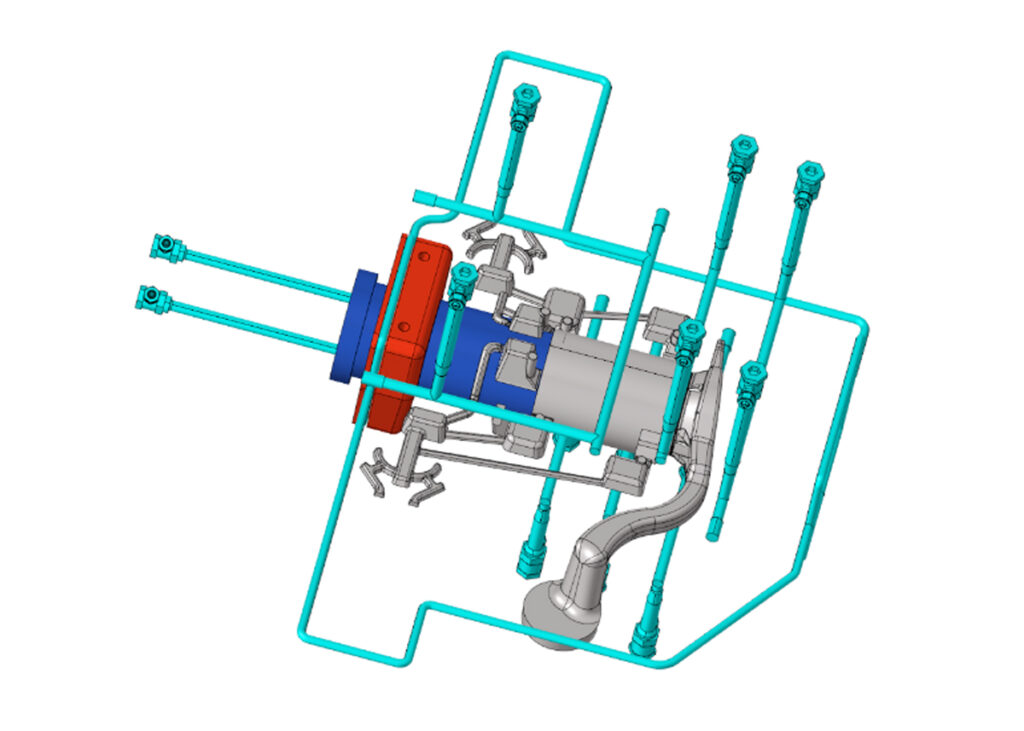
- Proper use of mold cooling water prevents overheating, reduces wear, and improves product quality.
- Inspect water channels and connections regularly to ensure smooth flow and prevent blockages.
- Stable mold temperatures reduce the need for excessive release agents and minimize core and ejector pin wear.
- Preheating and Temperature Control
- Preheat molds to avoid thermal shock, which can lead to cracking.
- Use temperature-controlled units for complex molds, slow-fill preheating for simpler molds, or gas burners when appropriate.
- Consistent thermal conditions prolong mold life and reduce defects.
- Parting Surface Cleaning
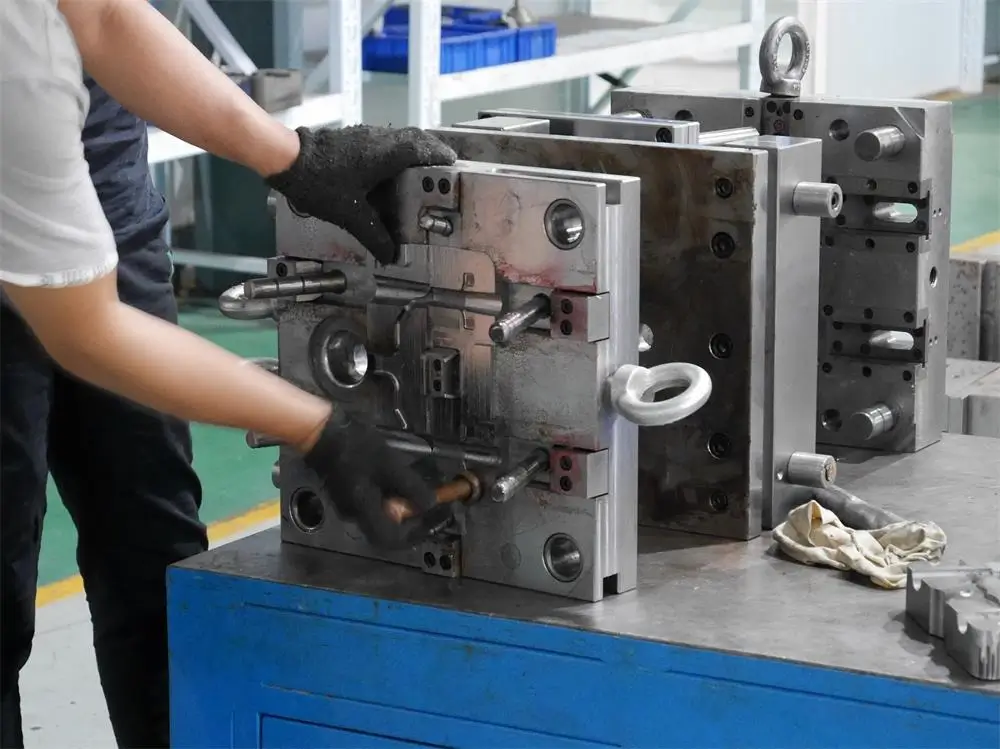
- Clean mold parting surfaces frequently to remove flash, residues, or aluminum splashes.
- Keep venting channels clear to improve gas evacuation during casting.
- Provide operators with proper tools, like small scrapers, to avoid accidental mold damage.
- Inspect and Replace Wear Parts
- Regularly check ejector pins, cores, and slides for bending or cracks.
- Proactive replacement prevents failures during production, saving labor and downtime costs.
- Quick-Change Hydraulic Connections
- Equip molds with high-quality quick-change connectors for hydraulic cores.
- Reduces fluid waste, minimizes mold assembly/disassembly time, and prevents damage caused by improper handling.
- Maintenance Team Responsibilities
- Maintenance personnel should fully understand mold usage history and follow original design specifications without unauthorized modifications.
- Use appropriate polishing tools and techniques to prevent excessive wear of hardened mold surfaces.
- Lubricate moving parts, screws, and assemblies regularly, and apply anti-rust treatment for idle molds.
- Mold Storage Management
- Maintain consistency among mold inventory, drawings, and records.
- Store molds fully assembled to avoid lost parts.
- Perform periodic anti-rust treatment for long-term storage and stress-relief treatment for new molds to extend service life.
Through these structured practices, mold maintenance costs can be significantly reduced, defect rates minimized, and production efficiency improved. Proper mold management ensures high-quality output and long-term cost savings.
Frequently Asked Questions (FAQ) about Die Casting Defects
Conclusion
In conclusion, understanding and addressing common die casting defects such as gas porosity, shrinkage, cold shut, and flash is essential for ensuring high-quality products and optimizing production efficiency. By recognizing the causes and implementing effective solutions, manufacturers can significantly reduce defects, lower mold maintenance costs, and improve the overall performance of their die-cast parts. It’s crucial to maintain stable process conditions, invest in quality mold design, and continually monitor the casting process for the best results.
At IEC Mould Engineering, we specialize in providing top-notch die casting solutions and mold manufacturing services. Whether you need assistance with mold design, defect resolution, or mold maintenance, we’re here to help.
Contact us today for expert advice or to learn more about our services:
Company: IEC Mould Engineering
Location: China
Email: [email protected]
Tel: +86-0769-85336570
Website: https://castingstool.com/
www.iec-mould.com
Let us help you optimize your die casting processes for superior quality and cost efficiency!