When manufacturing precision metal components, Die Casting Surface Finishes play a critical role in determining the final appearance, durability, and performance of a product. Die casting itself produces relatively smooth surfaces, but additional finishing processes are often required to improve corrosion resistance, enhance aesthetics, or meet specific functional requirements.
In industries such as automotive, electronics, aerospace, and consumer goods, surface finishing is an essential step in the manufacturing process. Proper Die Casting Surface Finishes can remove minor casting imperfections, strengthen the metal surface, and extend the lifespan of the component.
With many finishing options available today, selecting the right one can be challenging. Some finishes focus on appearance, while others improve corrosion protection, wear resistance, or coating adhesion.
In this guide, we will explore the most common Die Casting Surface Finishes, explain their advantages, and help you choose the best finishing method for your die casting parts.
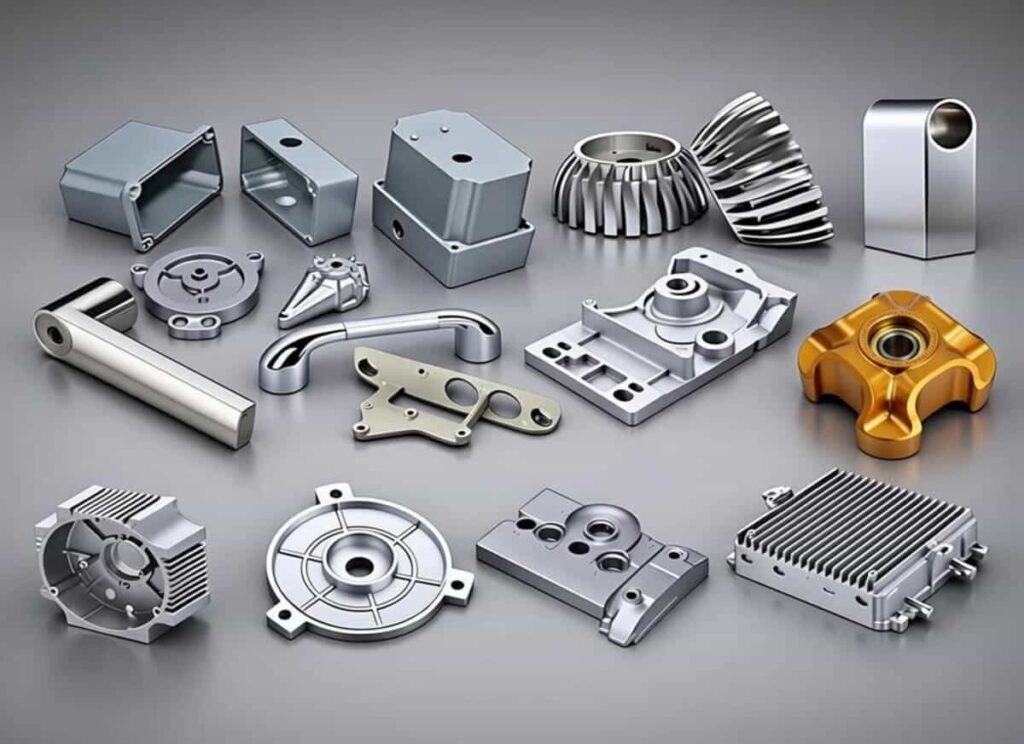
What Are Die Casting Surface Finishes?
Die Casting Surface Finishes refer to the treatments applied to die-cast metal parts after the casting process to improve their surface condition, appearance, or performance.
Although die casting produces high-precision components, the raw cast surface may still require further processing. Surface finishing methods help eliminate defects such as burrs, oxidation layers, or rough textures while improving the overall quality of the product.
Common Die Casting Surface Finishes include polishing, powder coating, anodizing, electroplating, painting, chromate conversion coating, and shot blasting. Each method offers unique advantages depending on the material and application.
For example:
- Decorative finishes improve visual appeal for consumer products
- Protective coatings enhance corrosion resistance in harsh environments
- Functional finishes improve wear resistance or electrical conductivity
Selecting the appropriate Die Casting Surface Finishes is therefore a critical decision in the product design and manufacturing process.
Why Are Die Casting Surface Finishes Important?
Choosing the right Die Casting Surface Finishes offers several benefits for both manufacturers and end users.
Improved Appearance
Surface finishing significantly improves the visual quality of die-cast components. Polished, plated, or coated surfaces can create a premium appearance that is essential for consumer electronics, lighting fixtures, and decorative hardware.
Better Corrosion Resistance
Metal parts often operate in environments exposed to moisture, chemicals, or temperature changes. Protective Die Casting Surface Finishes such as powder coating or anodizing create a barrier that prevents oxidation and corrosion.
Increased Durability
Many finishing processes increase hardness and wear resistance, allowing die-cast components to withstand mechanical stress and long-term usage.
Enhanced Product Performance
Some Die Casting Surface Finishes provide functional benefits such as electrical conductivity, insulation, or improved coating adhesion. These properties are especially important in industries such as automotive and electronics.
7 Common Die Casting Surface Finishes
There are many finishing techniques available, but the following seven Die Casting Surface Finishes are among the most widely used in modern manufacturing.
- Polishing
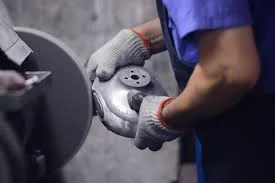
Polishing is a mechanical finishing process that smooths the metal surface using abrasive tools or polishing compounds. It removes minor surface imperfections and produces a glossy appearance.
Polished finishes are commonly used for decorative components, lighting fixtures, and consumer electronics.
Benefits
- Smooth and reflective surface
- Improves product aesthetics
- Removes minor casting defects
- Powder Coating
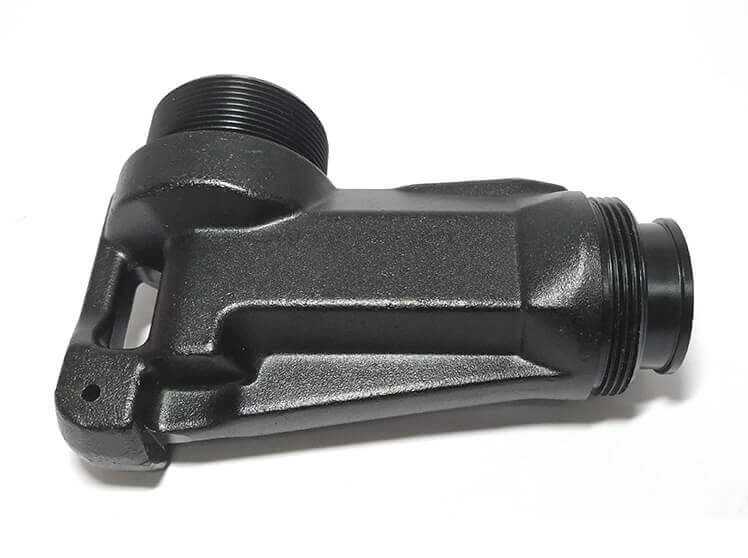
Powder coating is one of the most durable Die Casting Surface Finishes. The process applies a dry powder electrostatically to the metal surface, which is then cured under heat to form a strong protective layer.
This finish provides excellent resistance to corrosion, wear, and environmental exposure.
Benefits
- Excellent corrosion protection
- Durable and long-lasting coating
- Wide range of color options
- Anodizing
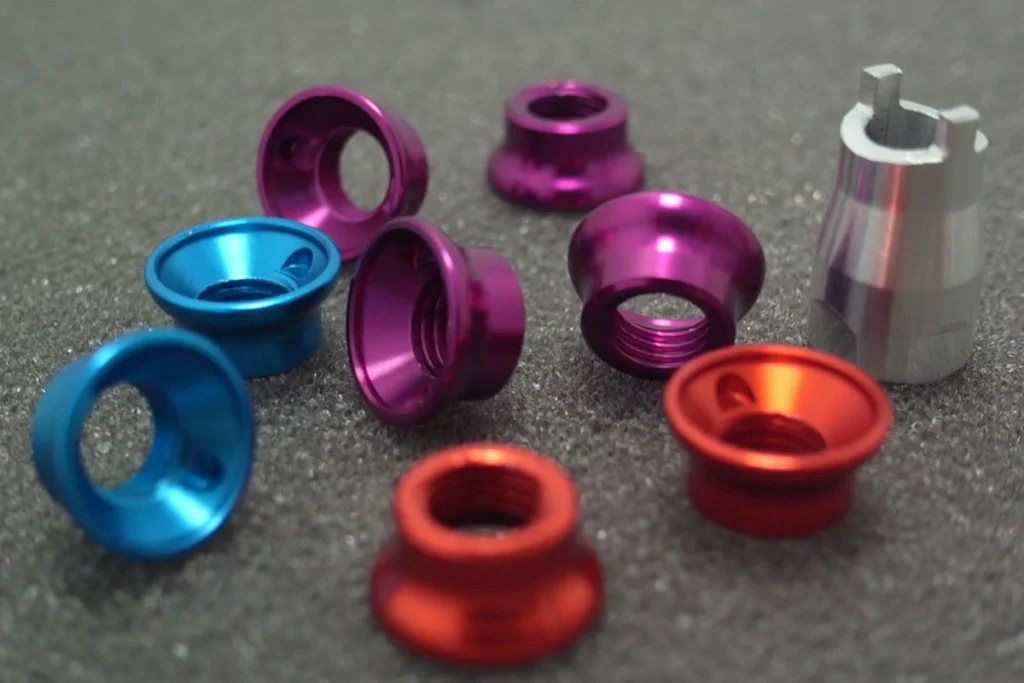
Anodizing is an electrochemical process primarily used for aluminum die-cast parts. It creates a protective oxide layer that improves corrosion resistance and wear resistance.
Anodized surfaces can also be dyed in different colors, making them popular in electronics and architectural components.
Benefits
- Enhanced corrosion resistance
- Improved surface hardness
- Decorative color options
- Electroplating
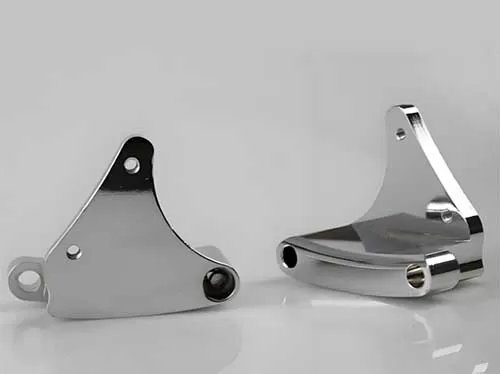
Electroplating involves depositing a thin layer of metal such as nickel, chrome, or zinc onto the surface of a die-cast component using an electrochemical process.
This type of Die Casting Surface Finishes improves both functionality and aesthetics. It is widely used in automotive trim, electronics connectors, and hardware components.
Benefits
- Enhanced corrosion resistance
- Improved electrical conductivity
- Bright decorative appearance
- Chromate Conversion Coating
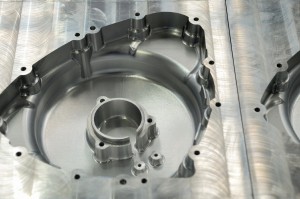
Chromate conversion coating (also known as chem film) is a chemical surface treatment often applied to aluminum die castings. It forms a thin protective film that prevents corrosion while maintaining electrical conductivity.
Benefits
- Excellent corrosion protection
- Maintains electrical conductivity
- Good base for painting or coating
- Shot Blasting
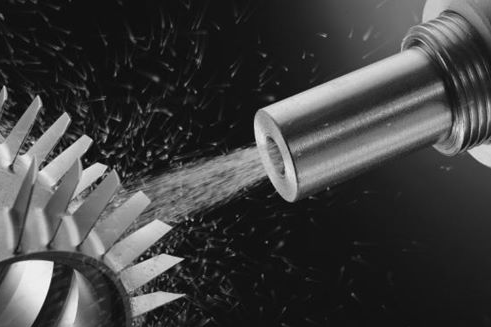
Shot blasting (or sand blasting) uses high-speed abrasive particles to clean and texture the surface of die-cast components. This process removes oxide layers and creates a uniform surface finish.
It is often used as a pre-treatment before painting, coating, or plating.
Benefits
- Removes contaminants and oxidation
- Creates consistent surface texture
- Improves coating adhesion
- Painting
Painting is one of the most versatile Die Casting Surface Finishes, providing both protection and decorative effects. It can be applied through spray painting, dip painting, or electrophoretic coating.
Paint coatings add color and additional protection against environmental exposure.
Benefits
- Wide range of color choices
- Cost-effective solution
- Provides protective coating
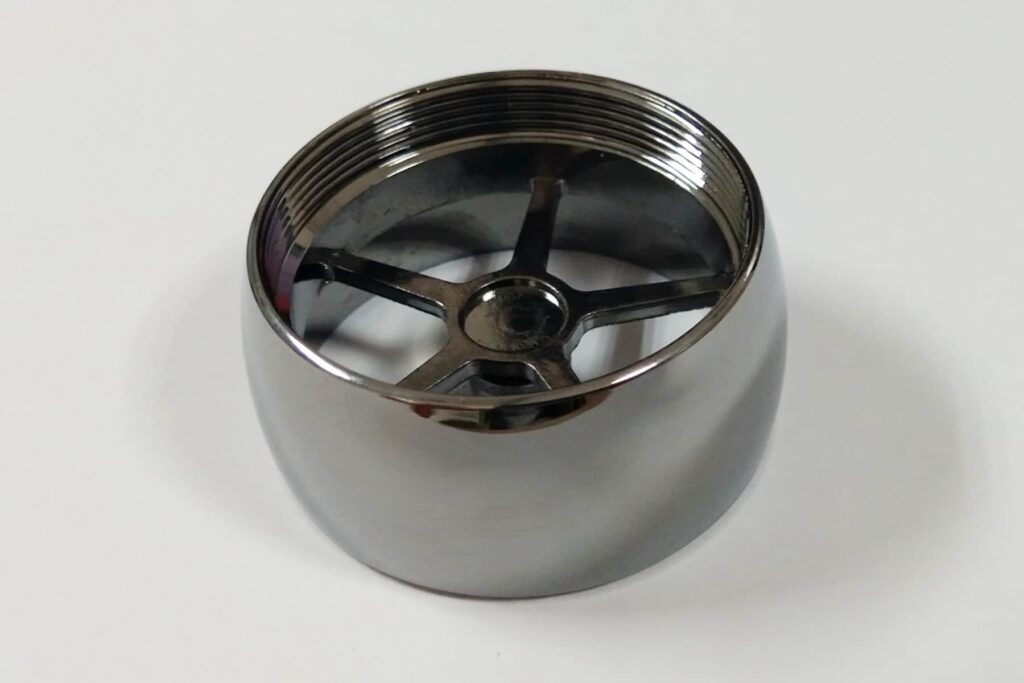
Comparison of Common Die Casting Surface Finishes
| Surface Finish | Main Purpose | Advantages | Typical Applications |
|---|---|---|---|
| Polishing | Improve appearance | Smooth and shiny surface | Decorative parts |
| Powder Coating | Protective coating | Strong corrosion resistance | Automotive components |
| Anodizing | Oxide protection | Durable and wear resistant | Aluminum electronics housing |
| Electroplating | Metal coating | Conductivity and durability | Hardware and connectors |
| Chromate Conversion | Chemical protection | Thin conductive layer | Aerospace parts |
| Shot Blasting | Surface preparation | Removes impurities | Pre-coating treatment |
| Painting | Decorative coating | Flexible colors and protection | Consumer products |
How to Choose the Right Die Casting Surface Finish
Selecting the best Die Casting Surface Finishes depends on several factors.
Material Type
Different alloys require different finishing methods. For example, anodizing is mainly used for aluminum die castings, while electroplating is common for zinc die casting parts.
Environmental Conditions
If the component operates in humid or corrosive environments, protective finishes such as powder coating or plating are recommended.
Aesthetic Requirements
Products that require high visual quality often use polishing, plating, or decorative coatings.
Production Cost
Some finishing methods involve more complex processing steps, which can increase production costs. Manufacturers must balance performance requirements with budget considerations.
What Is the Best Surface Finish for Die Casting Parts?
The best Die Casting Surface Finishes depend on the application and product requirements.
For example:
- Powder coating is ideal for outdoor products because of its strong corrosion resistance.
- Anodizing works well for aluminum components that require durability and color options.
- Electroplating is commonly used when electrical conductivity or decorative metallic finishes are required.
In many cases, manufacturers combine multiple Die Casting Surface Finishes to achieve the desired performance and appearance.
FAQs About Die Casting Surface Finishes
What is the most common die casting surface finish?
Common Die Casting Surface Finishes include powder coating, electroplating, anodizing, and painting because they offer a balance of durability, corrosion protection, and visual appeal.
Can die casting parts have multiple finishes?
Yes. Some parts undergo several finishing processes. For example, shot blasting may be performed before powder coating to improve adhesion.
Do surface finishes affect product cost?
Yes. More complex Die Casting Surface Finishes such as plating or anodizing may increase production costs, but they also improve durability and long-term performance.
Conclusion
Die Casting Surface Finishes are a crucial step in the manufacturing process, influencing both the appearance and performance of die-cast components. From polishing and painting to anodizing and electroplating, each finishing method offers unique benefits depending on the application requirements.
By understanding the different types of Die Casting Surface Finishes, manufacturers and engineers can select the most suitable solution to improve product durability, corrosion resistance, and visual quality.
If you are planning a die casting project and need professional guidance on selecting the right finishing method, working with an experienced manufacturer can make the process more efficient and cost-effective.
IEC MOULD specializes in high-quality die casting and precision tooling solutions. Our team can help you choose the most suitable Die Casting Surface Finishes to meet your product requirements and industry standards.
Contact us today to discuss your project:
IEC MOULD (China)
Location: China
Email: [email protected]
Tel: +86-0769-85336570
Website: https://castingstool.com/