
How Much Does an Aluminum Casting Die Cost in 2026? (And How to Maximize Your Investment)
The cost of an Aluminum Casting Die in 2026 typically ranges from $1,000 to over $100,000, depending on part complexity, size, material, and production volume. Higher-quality dies cost more upfront but reduce scrap, improve efficiency, and deliver better long-term ROI.
| Die Type | Volume | Typical Cost Range |
|---|---|---|
| Single-cavity simple die | Low | $1,000 – $30,000 |
| Multi-cavity high-precision die | Medium | $3,000 – $50,000 |
| Multi-cavity, complex die | High | $50,000 – $80,000+ |
Higher-quality dies cost more upfront but reduce scrap, improve efficiency, and deliver better long-term ROI.
In 2026, the cost of an Aluminum Casting Die is more than just a number on a quote—it’s a critical decision that can shape the success of your entire production run. At IEC MOULD, we’ve worked with engineers, procurement teams, and quality managers around the globe to help them invest wisely in dies that balance cost, quality, and efficiency.
Here’s the reality: A low-cost die may seem appealing at first glance, but it can quickly become expensive in the long run due to frequent rework, higher scrap rates, and production delays. Conversely, a well-engineered, precision die may have a higher upfront cost but delivers better ROI, longer lifespan, and consistent part quality.
💡 IEC MOULD Insight: “Spending a little more on the right aluminum die today can save thousands in production costs tomorrow.”
Why Die Cost Alone Isn’t Enough
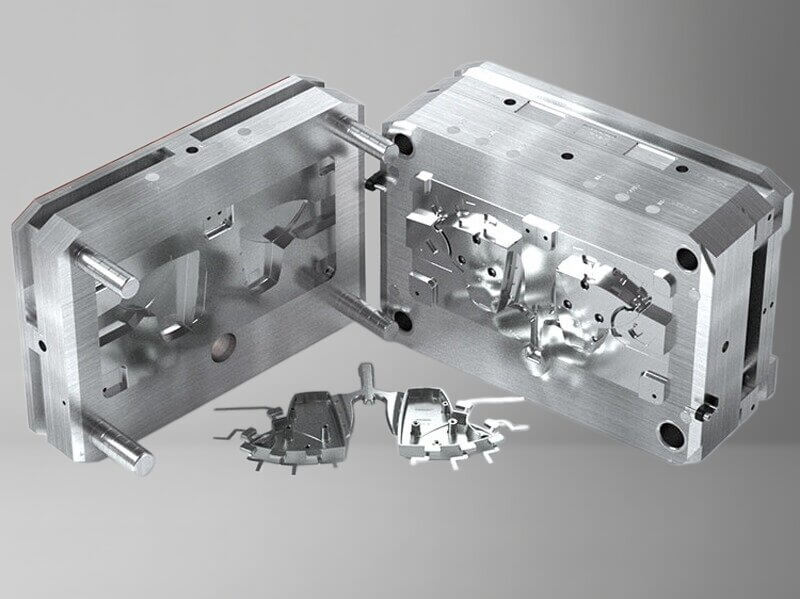
The cost of an aluminum casting die varies widely depending on:
- Design complexity – single-cavity vs multi-cavity, presence of sliders, lifters, or hot-runner systems
- Material choice – different steel grades like H13, P20, or pre-hardened steel
- Surface treatment and finishing – nitriding, chrome plating, polishing, or shot blasting
- Expected production volume – low-volume runs vs mass production
What You’ll Gain from Reading This Blog
By continuing through this guide, you’ll learn:
- Key factors affecting aluminum die costs in 2026
- ROI differences between low-cost vs premium dies
- Practical strategies from IEC MOULD to optimize investment without sacrificing quality
Whether you’re an engineer planning a new component, a procurement manager budgeting for production, or a quality professional managing scrap rates, this guide will give you the insights you need to make smarter decisions.
Why Understanding Aluminum Casting Die Costs Is Critical for Your Business
When planning a new production run, knowing the cost of an aluminum casting die is far more than a budgeting exercise—it’s a strategic decision that affects product quality, efficiency, and long-term profitability. At IEC MOULD, we’ve seen countless projects where early understanding of die costs saved clients thousands of dollars in scrap, rework, and downtime. Understanding costs helps different stakeholders make informed decisions:
1️⃣ Engineers: Ensuring Design Feasibility and Quality
For engineers, the die determines the accuracy, consistency, and structural integrity of each part. Without considering cost implications during the design stage:
- Complex features may require expensive tooling modifications
- High-precision tolerances may increase material and machining costs unexpectedly
- Poorly optimized designs can lead to porosity, warpage, or short shots
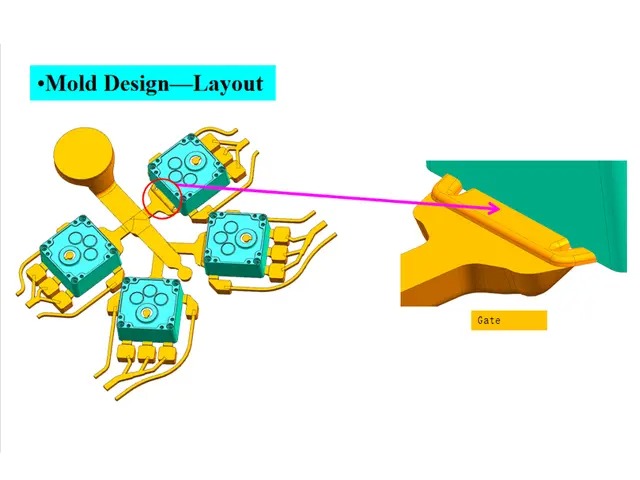
💡 IEC MOULD Tip: Involving our engineers early in DFM (Design for Manufacturability) and Moldflow analysis ensures that your design is cost-efficient and manufacturable without sacrificing quality.
2️⃣ Procurement: Budgeting and Supply Chain Reliability
From a procurement perspective, understanding die costs allows for:
- Accurate project budgeting
- Supplier comparison and negotiation based on real cost drivers
- Planning for maintenance or replacement cycles, avoiding hidden costs
Example: Choosing a higher-quality die with better materials and coatings can reduce downtime costs by up to 30%, according to IEC MOULD project data.
3️⃣ Quality Control: Minimizing Defects and Scrap
High-quality dies reduce the risk of defects, which directly impacts:
- Material waste
- Labor costs for rework
- Production schedule delays
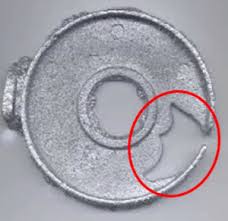
At IEC MOULD, our precision die manufacturing ensures consistent surface finish, dimensional accuracy, and repeatability, helping QC teams hit their targets while reducing intervention costs.
4️⃣ Lifecycle Perspective: Cost vs Value
Focusing only on the upfront price of a die can be misleading. Considering the total lifecycle cost gives a clearer picture:
| Factor | Low-Cost Die | High-Quality Die | Impact on Business |
|---|---|---|---|
| Initial Cost | $5,000 | $25,000 | Short-term saving vs long-term value |
| Maintenance | Frequent | Minimal | Downtime and repair costs |
| Scrap Rate | Higher | Lower | Material & labor savings |
| Production Stability | Inconsistent | Consistent | Fewer delays, higher ROI |
By planning with IEC MOULD, you can select a die that balances cost, quality, and ROI—avoiding the pitfalls of cheap tooling.
📩 Want to see how much your aluminum casting die will cost and how to maximize ROI?
Contact us today for a free, customized cost assessment tailored to your project.
Full Lifecycle Cost Factors of an Aluminum Casting Die
Understanding the cost of an Aluminum Casting Die goes beyond the initial quote. A die’s true cost comes from its full lifecycle, from design to production and maintenance, and it directly impacts product quality, efficiency, and ROI. In 2026, the main cost factors can be grouped into six categories, each contributing to the total investment.
1️⃣ Design & Engineering Costs
Design decisions made before machining directly influence your die cost:
- CAD Modeling & Engineering – Complex parts require more design hours
- DFM (Design for Manufacturability) Analysis – Prevents costly modifications later
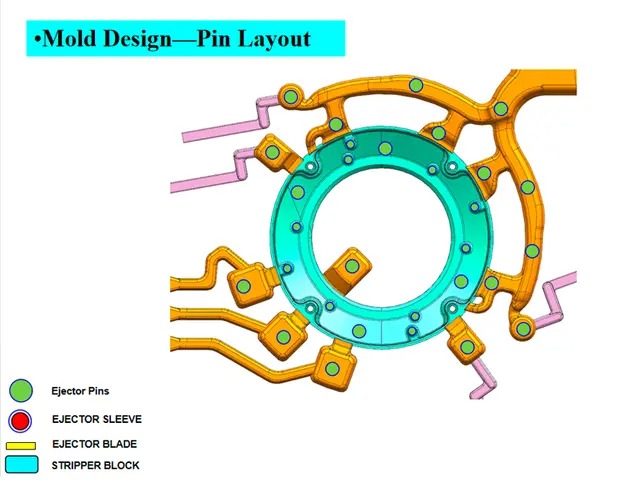
- Moldflow Simulation – Predicts shrinkage, warpage, and filling issues
💡 Tip: Early DFM and Moldflow analysis can reduce trial runs and save 15–25% in overall production costs.
2️⃣ Material Selection Costs
The type and grade of steel affect cost and die performance:
| Material | Characteristics | Typical Cost Impact |
|---|---|---|
| H13 Steel | High strength, wear-resistant | High |
| P20 Steel | General-purpose, lower cost | Medium |
| Pre-hardened Steel | Ready to machine, reduces processing | Medium-High |
Other considerations:
- Steel hardness (affects machining time and tool wear)
- Regional price differences
Choosing the right material balances initial cost with die longevity and part quality.
3️⃣ Manufacturing & Machining Costs
Machining is one of the largest cost drivers:
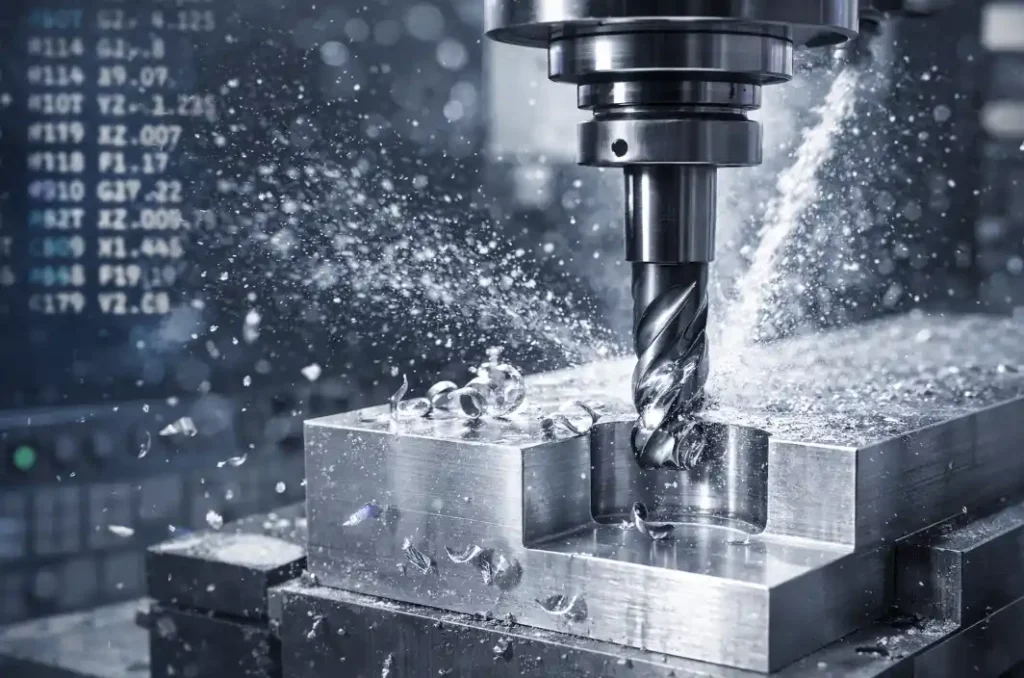
- CNC Milling & EDM – Precision machining, especially for complex cavities
- Wire EDM for sliders or lifters
- Drilling, polishing, and finishing
- Skilled labor and long machining cycles add to cost
💡 Example: Multi-cavity dies with sliders can cost 2–3 times more than simple single-cavity dies.
4️⃣ Surface Treatment & Finishing
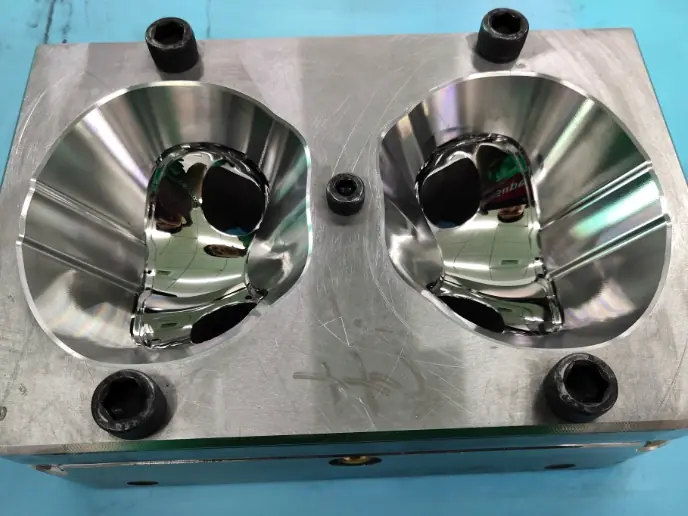
Surface finishing improves die lifespan and part quality:
- Nitriding – Enhances hardness and wear resistance
- Chrome plating – Protects against corrosion
- Polishing / Shot blasting – Ensures consistent surface finish
💡 Tip: Optimizing surface treatments for the specific alloy and production volume avoids over-processing and extra costs.
5️⃣ Trial Runs & Adjustment Costs
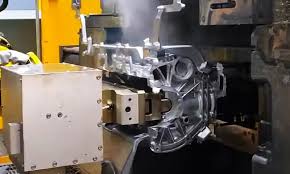
Trial runs validate performance and identify adjustments:
- Test fills for shrinkage, porosity, or cold shuts
- Adjustments to slides, cores, or gates
- Machine and operator setup time
💡 Accounting for these costs prevents unexpected delays or budget overruns.
6️⃣ Maintenance & Lifetime Costs
A die’s maintenance and lifespan are critical for ROI:
| Factor | Low-Cost Die | High-Quality Die |
|---|---|---|
| Maintenance frequency | High | Low |
| Expected lifespan | 20,000–50,000 shots | 100,000+ shots |
| Production downtime | Frequent | Minimal |
| Overall ROI | Lower | Higher |
Selecting a die optimized for lifespan, part quality, and production stability ensures your investment delivers maximum value.
Key Takeaways
- Total cost = Design + Material + Manufacturing + Surface Treatment + Trial + Maintenance
- Early involvement of experts reduces hidden costs
- Proper material, design, and treatment choices can save up to 30% over the die’s lifetime
- Professional guidance ensures your die balances cost, quality, and ROI
📩 Want a complete lifecycle cost breakdown for your aluminum casting die?
Contact us today for a free, tailored cost assessment, including design optimization and material recommendation.
Strategic ROI Perspective: Not All Aluminum Casting Dies Are Created Equal

📊 What this means:
– Low-cost dies often lead to higher scrap and hidden costs
– High-quality dies deliver better efficiency and long-term savings
– Most high-quality dies recover their cost within 1–2 years
👉 Want to calculate your ROI? Contact us for a free analysis
When evaluating an Aluminum Casting Die, focusing only on the initial price can lead to costly mistakes. In reality, different dies deliver vastly different returns on investment (ROI) depending on their design quality, material selection, and manufacturing precision.
Simply put: not all dies are created equal—and the cheapest option is rarely the most cost-effective.
1️⃣ Trial Runs & Adjustment Costs
A die is not just a tooling expense—it’s a long-term production asset. Its performance directly affects:
- Production efficiency
- Scrap rate
- Maintenance frequency
- Product consistency
- Overall manufacturing cost per part
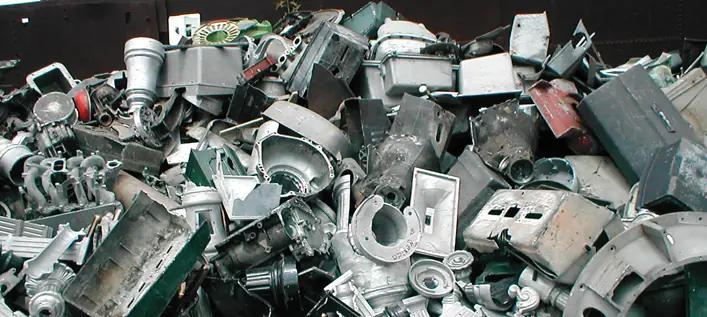
💡 Key Insight: A higher upfront investment often results in lower cost per part over time.
2️⃣ Cost vs ROI Comparison
Here’s a simplified comparison to illustrate how different die strategies impact your business:
| Factor | Low-Cost Die | High-Quality Die |
|---|---|---|
| Initial Cost | Low ($1K–$3K) | High ($5K–$60K+) |
| Scrap Rate | 5–10% | 1–2% |
| Maintenance | Frequent | Minimal |
| Production Efficiency | Unstable | Consistent |
| Cost per Part (Long-Term) | Higher | Lower |
| Overall ROI | Low | High |
Over large production volumes, even a small reduction in scrap or downtime can translate into tens of thousands of dollars saved.
3️⃣ Real-World Scenario: Cost Comparison Example
To better understand the financial impact, here’s how die quality directly impacts your annual production cost:
| Metric | Low-Cost Die | High-Quality Die | Impact |
|---|---|---|---|
| Annual Production | 100,000 parts | 100,000 parts | Same production volume |
| Part Cost | $2 | $2 | Same unit cost |
| Scrap Rate | 8% | 2% | Significant quality difference |
| Defective Parts | 8,000 | 2,000 | 6,000 fewer defective parts |
| Scrap Loss | $16,000 | $4,000 | $12,000 saved annually |
What This Means for Your Business
- $12,000 in annual savings simply by reducing scrap
- Higher-quality dies quickly offset their initial cost
- Long-term production becomes more stable and predictable
👉 Result:
Within just 1–2 years, the higher upfront investment in a better die is fully recovered—and continues generating savings afterward.
4️⃣ A well-designed aluminum casting die improves ROI in multiple ways:
Reduced Scrap and Rework
- Better filling and cooling design
- Fewer defects like porosity, warpage, and cold shuts
Higher Production Efficiency
- Faster cycle times
- Stable and repeatable output
Longer Die Lifespan
- Higher-grade materials and proper heat treatment
- Reduced wear and fewer repairs
Lower Maintenance Costs
- Fewer interruptions
- Less need for frequent adjustments or re-machining
Strategic Decision: Short-Term Saving vs Long-Term Profit
Choosing a die is ultimately a business decision, not just a technical one:
- A low-cost die may reduce upfront investment but increases operational risks
- A high-quality die requires higher initial cost but delivers predictable production and long-term profitability
Smart manufacturers evaluate dies based on total lifecycle value—not just purchase price.
📩 Want a complete lifecycle cost breakdown for your aluminum casting die?
Contact us today for a free, tailored cost assessment, including design optimization and material recommendation.
6 Proven Ways to Reduce Aluminum Casting Die Costs (Without Compromising Quality)
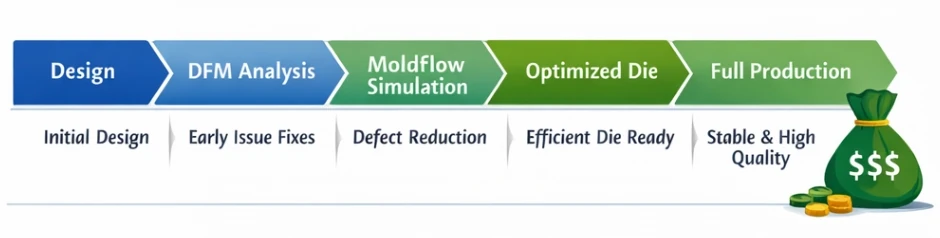
Here’s the typical process used to optimize die cost and performance:
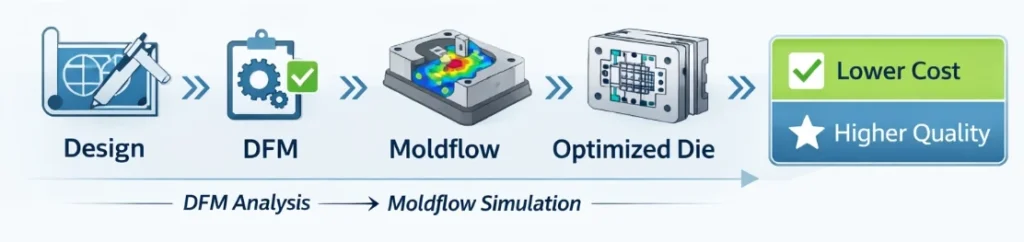
📊 What this process means:
– Design decisions directly impact tooling cost
– Early DFM and Moldflow reduce costly modifications
– Optimization leads to both lower cost and higher quality
👉 This is why early planning is critical for cost control.
Reducing the cost of an Aluminum Casting Die isn’t about choosing the cheapest option—it’s about making smarter engineering and sourcing decisions.
Many hidden costs come from overdesign, late changes, and inefficient planning. The good news is that with the right approach, you can reduce total costs by 20–30% without sacrificing quality.
Here are 6 proven, practical strategies used in real production projects:
1️⃣ Simplify Part Geometry to Reduce Tooling Complexity
Complex designs significantly increase tooling cost.
What to do:
- Minimize undercuts and deep cavities
- Avoid unnecessary thin walls
- Reduce the number of sliders and lifters
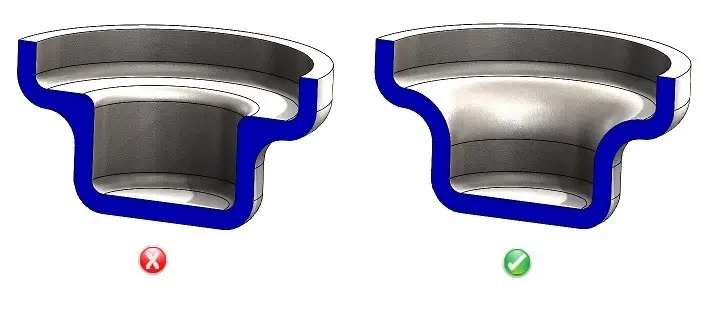
👉 Impact: Simpler geometry = easier machining + fewer moving parts = lower die cost and higher reliability
2️⃣Match Die Material to Your Production Volume
Over-specifying material is one of the most common cost mistakes.
| Production Volume | Recommended Material | Why |
|---|---|---|
| < 50,000 shots | P20 Steel | Lower cost, sufficient durability |
| 50,000 – 100,000 | Pre-hardened Steel | Balanced cost and performance |
| 100,000+ | H13 Steel | High durability for long runs |
👉 Key Insight: Choosing the right material can reduce cost without shortening die life unnecessarily.
3️⃣ Optimize Cavity Strategy Based on Output Needs
More cavities ≠ always better.
Decision guideline:
- Low volume → Single-cavity die (lower upfront cost)
- High volume → Multi-cavity die (lower cost per part)
👉 Impact: Proper cavity design can reduce per-part cost by 20–40% in mass production.
4️⃣Avoid Over-Specifying Surface Treatments
Not every die needs premium finishing.
Smart approach:
- Use nitriding only when wear resistance is required
- Apply polishing selectively (not full surface)
- Avoid unnecessary coatings
👉 Impact: Prevents paying for features that don’t add real value
5️⃣ Reduce Trial Runs Through Early Validation
Trial runs are one of the biggest hidden costs.
How to reduce them:
- Run Moldflow simulation before tooling
- Validate gating and cooling design early
- Review DFM before finalizing the die
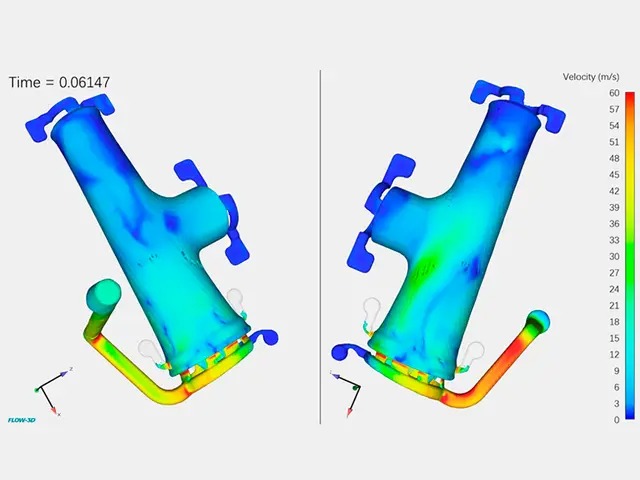
👉 Impact: Fewer iterations = faster production + lower development cost
6️⃣ Involve Your Supplier Before Finalizing the Design
One of the most overlooked cost-saving opportunities.
Best practice:
- Share 3D drawings early
- Request DFM feedback
- Align on material and structure before tooling
👉 Impact: Early collaboration helps avoid expensive design changes and delays
Quick Cost Optimization Checklist
Before starting your die project, make sure you’ve checked:
- ☐ Is the part geometry simplified as much as possible?
- ☐ Is the material matched to production volume?
- ☐ Is the cavity number optimized for ROI?
- ☐ Are surface treatments truly necessary?
- ☐ Has Moldflow/DFM been completed?
- ☐ Has the supplier reviewed the design?
📩 📩 Not sure if your design is optimized for cost?
Get a free design review and cost optimization analysis for your aluminum casting die.
Risk Management: How to Avoid Hidden Costs in Aluminum Casting Dies
When evaluating an Aluminum Casting Die, most buyers focus on the quoted price—but the real risk often lies in the hidden costs that appear later in production. These hidden costs can quickly exceed the initial savings from choosing a low-cost option, impacting your timeline, quality, and overall profitability. Understanding and managing these risks early is essential to protecting your investment.
1️⃣ Design Risks: Costly Changes After Tooling Starts
One of the most expensive mistakes is finalizing a design without proper validation.
Common issues:
- Design not optimized for casting
- Uneven wall thickness causing shrinkage or warpage
- Poor gating or cooling layout
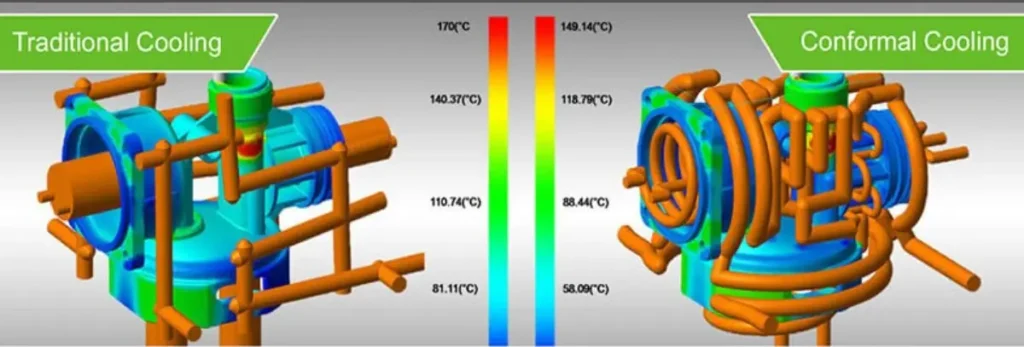
👉 Impact: Late design changes can increase tooling cost by 20–50% and delay production.
2️⃣ Material Risks: Choosing the Wrong Steel
Selecting inappropriate steel can lead to premature wear, deformation, or unnecessary costs. The table below summarizes the main risks, their impact, and prevention measures:
| Category | Common Problems | Impact | Prevention |
|---|---|---|---|
| Material Quality | Low-grade steel wears out quickly | Frequent repairs | Select appropriate steel grade based on production needs |
| Hardness | Insufficient hardness leads to deformation | Shortened die lifespan | Ensure proper heat treatment and hardness control |
| Over-Specification | Using unnecessarily high-grade material | Increased cost without added value | Balance cost vs durability based on production volume |
💡 Transition: Correct material selection reduces long-term costs, but manufacturing process risks can still create hidden expenses.
3️⃣ Manufacturing Risks: Inconsistent Quality and Precision
Not all tooling manufacturers have the same capabilities, and manufacturing inconsistencies can be costly:
| Category | Potential Issues | Impact | Prevention |
|---|---|---|---|
| Machining Accuracy | Poor machining precision | High scrap rate | Verify CNC and EDM capabilities |
| Surface Finishing | Inconsistent surface finish | Poor dimensional consistency | Inspect past finishing quality and processes |
| Quality Control | Lack of quality control processes | Rework and delays | Ensure supplier has ISO/IATF certifications and documented QC procedures |
| Supplier Capability | Varies between manufacturers | Production instability | Review past project experience and references |
💡 Transition: Even with the right material, poor manufacturing can lead to high scrap rates and delays. Next, let’s consider trial and debugging risks.
4️⃣ Trial & Debugging Risks: Delays and Extra Costs
Insufficient trial runs or poorly planned debugging can also lead to hidden costs:
| Category | Potential Issues | Impact | Prevention |
|---|---|---|---|
| Trial Runs | Too few or unstructured trial runs | Frequent modifications, increased labor | Plan structured trial runs before mass production |
| Gating & Cooling | Poor design adjustments during trials | Rework and delays | Validate gating and cooling layout via Moldflow |
| Design Iterations | Last-minute design changes | Extended development time, higher cost | Perform DFM review and simulation before tooling |
💡 Transition: Even if trial runs go smoothly, risks during mass production can still impact costs.
5️⃣ Production Risks: Hidden Costs During Mass Production
Hidden costs can arise even after tooling and debugging:
| Category | Potential Issues | Impact | Prevention |
|---|---|---|---|
| Scrap Rate | Higher than expected | Increased cost per part | Monitor and optimize production process |
| Maintenance | Frequent unplanned repairs | Production downtime | Use proper surface treatments and preventive maintenance |
| Production Stability | Cycle times fluctuate | Delivery delays | Implement process monitoring and quality controls |
Key Takeaways
- Hidden costs often exceed initial savings from low-cost dies
- Most risks originate from material, manufacturing, trial & debugging, and production phases
- Early planning and choosing a professional supplier significantly reduces risk
- Structured tables make it easy for engineers and procurement to quickly grasp the key points
📩 Want to avoid costly mistakes in your aluminum casting die project?
Get a free risk assessment and expert review before you commit.
Real-World Case Studies: How Choosing the Right Die Impacts Costs and Quality
Understanding risks is one thing—but seeing real projects in action is what convinces engineering and procurement teams to make informed decisions. Here are two illustrative examples from IEC MOULD’s projects:
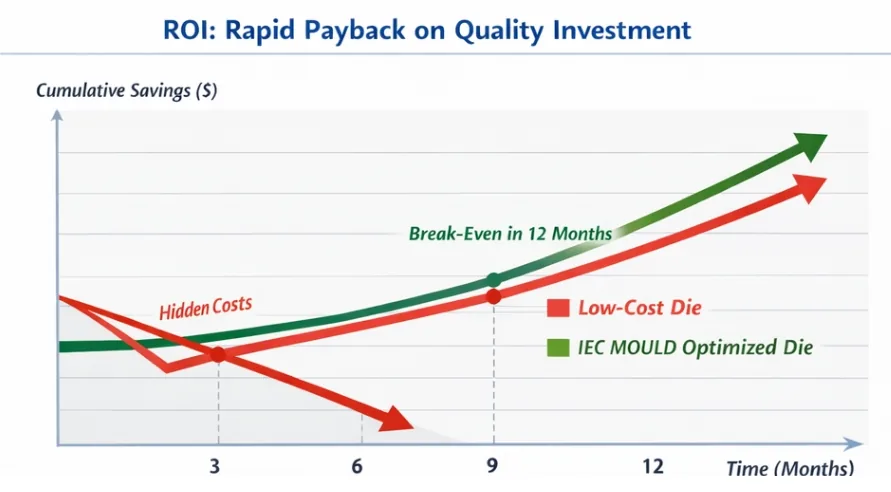
1️⃣ Before vs After Comparison Chart
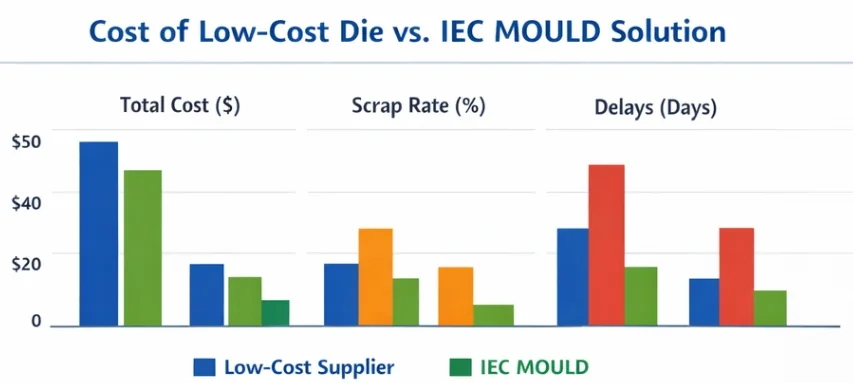
2️⃣ Case Study 1: High-Volume Automotive Component
Project Overview:
- Annual production: 150,000 parts
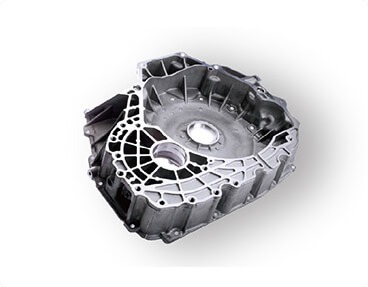
- Component: Aluminum engine housing
- Challenge: Tight dimensional tolerances with high cosmetic requirements
Initial Low-Cost Option Outcome:
- Scrap rate: 10% in first month
- Multiple trial runs & adjustments increased labor cost by $20,000
- Delivery delays affected assembly line schedule
IEC MOULD Optimized Solution:
- DFM review & Moldflow simulation
- Correct steel selection (H13)
- Streamlined gating & cooling layout
Result:
- Scrap rate reduced to 2%
- Initial higher investment recovered within 12 months
- Production stable, consistent quality, on-time delivery
3️⃣ Case Study 2: Medium-Volume Precision Part
Project Overview:
- Annual production: 40,000 parts
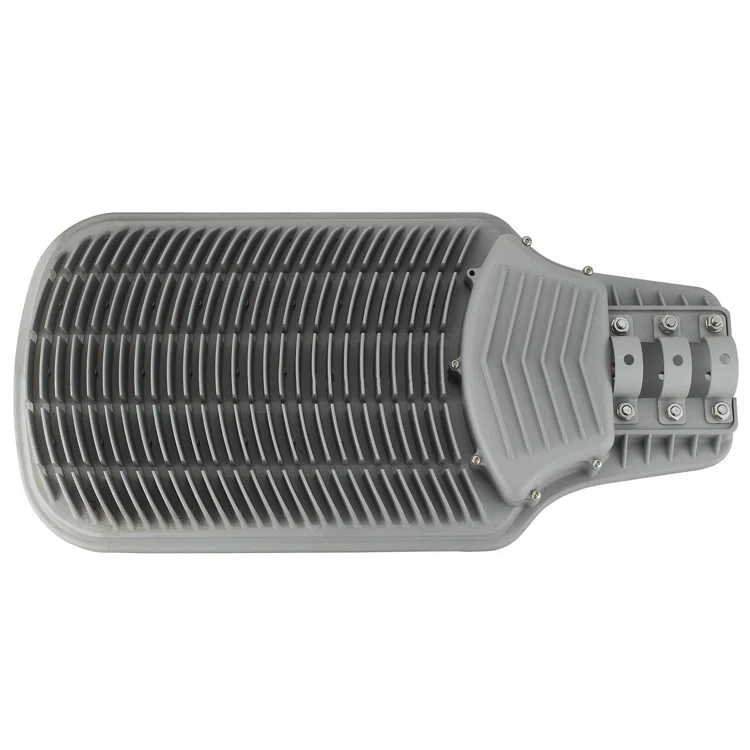
- Component: Aerospace bracket
- Challenge: High precision, lightweight design
Outcome:
- Warpage issues caused 5% of parts to be rejected
- Multiple reworks delayed project timeline
- Additional machining added $5,000 extra cost
IEC MOULD Optimized Solution:
- Conducted early DFM and Moldflow analysis
- Adjusted part design for manufacturability
- Used pre-hardened P20 steel die optimized for medium volume
Result:
- Production defects eliminated
- Delivered on time with significant cost savings
- Customer satisfaction improved, establishing a long-term partnership
📩 Want your aluminum casting die project to succeed without hidden costs or delays?
Contact IEC MOULD for a free project review and cost-saving consultation today.
How to Choose the Right Aluminum Casting Die Supplier
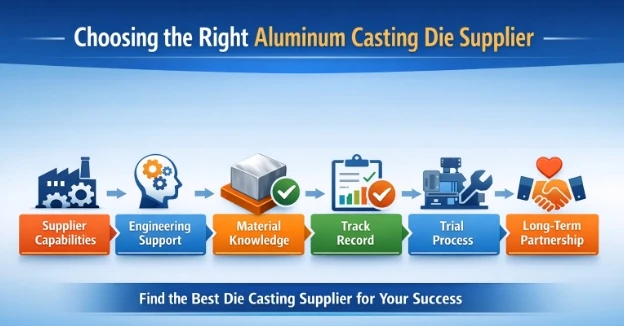
Selecting the right supplier for your Aluminum Casting Die is as important as designing and manufacturing the die itself. A poor choice can lead to hidden costs, production delays, and quality issues—even if the die itself is well-designed. Here are key factors to consider:
1️⃣ Engineering Expertise and Support
A supplier should provide full engineering support, not just sell a die. This includes:
- DFM (Design for Manufacturability) review
- Moldflow simulation for defect prediction
- Optimization of gating, cooling, and venting
Why it matters: Suppliers with strong engineering support reduce trial runs, scrap, and rework.
2️⃣ Manufacturing Capability
Check the supplier’s machining and production capabilities:
- CNC machining accuracy
- EDM precision
- Surface finishing equipment
- Quality control processes (ISO9001, IATF16949)
Why it matters: Reliable manufacturing ensures the die performs consistently, avoids defects, extends tool life.
3️⃣ Material Selection Knowledge
A good supplier helps you choose the right die material based on:
- Production volume (high-volume vs medium-volume)
- Part complexity and tolerances
- Thermal and wear requirements
Why it matters: Correct material choice prevents premature wear, reduces maintenance, and optimizes ROI.
4️⃣ Track Record and Case Studies
Ask for examples of past projects, including:
- Production volume
- Scrap rate improvement
- ROI / payback period
Why it matters: Real results give confidence that the supplier can handle your project.
5️⃣ Trial and Debugging Process
Check how the supplier manages trial runs and debugging:
- Structured trial plan
- Adjustment capabilities for gates, cooling, and venting
- Communication during debugging
Why it matters: Efficient trials reduce hidden costs and speed up time-to-market.
6️⃣ Long-Term Partnership Potential
A supplier should be able to support you beyond the first die:
- Maintenance and repair services
- Material and process optimization for future projects
- Transparent pricing and long-term collaboration
Why it matters: Reliable partners reduce risk and improve your production stability.
📩 Contact IEC MOULD today for a free supplier assessment and project consultation to ensure you choose the most suitable die casting supplier and avoid hidden costs or production delays.
Get an Accurate Aluminum Casting Die Cost for Your Project
Every Aluminum Casting Die project is different. Factors such as part geometry, production volume, material selection, and quality requirements all influence the final cost.
Instead of relying on rough estimates, the best way to control cost and avoid risks is to get a professional evaluation based on your specific project.
What You Will Get from IEC MOULD
When you contact IEC MOULD, you will receive more than just a quotation:
- Free DFM (Design for Manufacturability) analysis
- Moldflow simulation recommendations
- Optimized die structure and material suggestions
- Accurate cost estimation based on your production volume
- Risk identification and cost-saving opportunities
👉 This ensures you make the right decision before investing in tooling.
What We Need from You
To provide an accurate evaluation, simply share:
- 2D drawings or 3D CAD files
- Estimated annual production volume
- Material requirements (if available)
- Surface finish or quality expectations
👉 Even if your design is not finalized, our engineering team can help optimize it.
Why Work with IEC MOULD
- Experienced in automotive, aerospace, and industrial components
- Strong engineering support (DFM + Moldflow + design optimization)
- Proven track record in reducing scrap and improving ROI
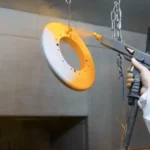
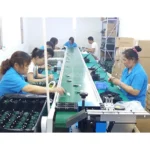
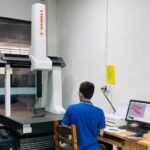
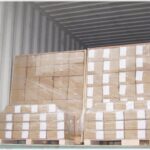
- One-stop solution: mold design → die casting → machining → assembly

Final Takeaway
Choosing the right Aluminum Casting Die is not just about cost—it’s about long-term performance, stability, and return on investment. Working with an experienced partner ensures your project runs smoothly from design to mass production.
📩 Get Your Free Aluminum Casting Die Cost Analysis Today
Contact IEC MOULD now to receive a professional evaluation, cost breakdown, and optimization plan tailored to your project.