
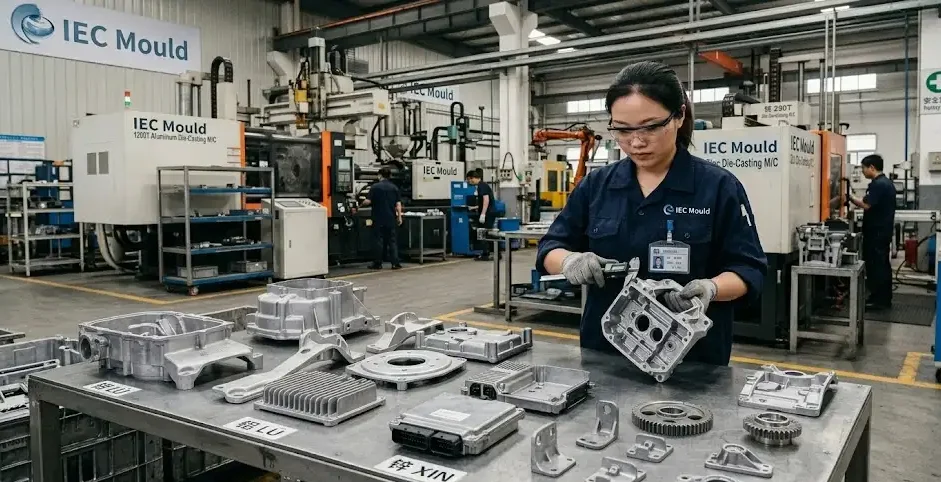
- Stable, repeatable production
- Minimized defects and scrap
- Predictable, consistent quality
- Reduced long-term operational costs
- Part warpage, distortion, or dimensional instability
- Structural failure, cracking, or fatigue under load
- Excessive secondary machining requirements
- Elevated scrap rates and production downtime
Common Materials for High‑Performance Die Casting Parts
Die casting utilizes a targeted set of non‑ferrous alloys and engineered materials selected for castability, mechanical performance, and manufacturability of die casting parts. The primary families include aluminum, zinc, magnesium, copper, brass, and specialized custom alloys.
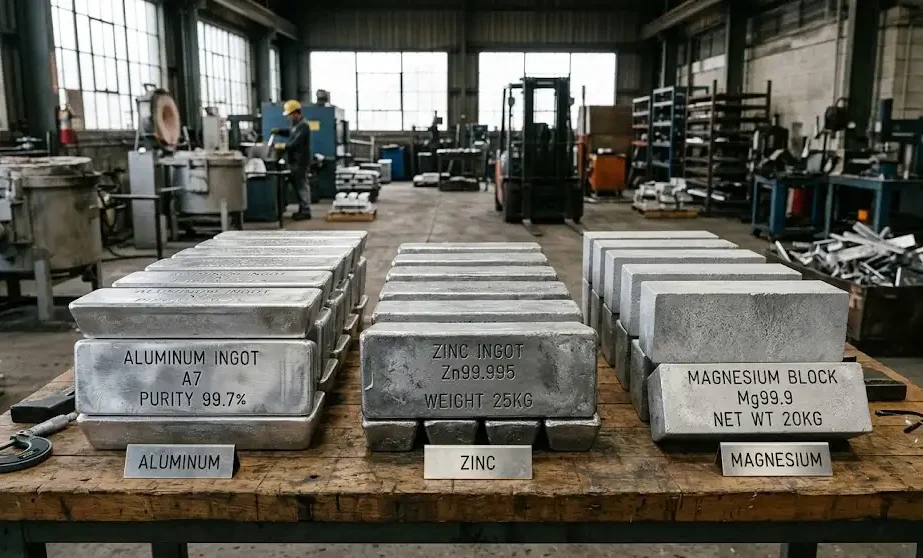
| Material | Classification | Core Technical Advantage | Typical End-Use Applications |
|---|---|---|---|
| Aluminum | Non-ferrous alloy | High strength-to-weight ratio | Automotive, EV components |
| Zinc | Non-ferrous alloy | Ultra-high precision & castability | Electronics, precision components |
| Magnesium | Non-ferrous alloy | Ultra-low density | Aerospace, portable devices |
| Copper | Non-ferrous metal | Superior electrical/thermal conductivity | Power, electrical components |
| Brass | Copper-zinc alloy | Aesthetic finish & corrosion resistance | Hardware, decorative parts |
| ADC12 | Aluminum die casting alloy | Cost-effective mass production | Automotive housings |
| A380 | Aluminum die casting alloy | Balanced mechanical properties | Industrial structural parts |
| ZA Alloys | Zinc-aluminum alloys | Enhanced strength & wear resistance | Bearings, mechanical components |
| Silicon Aluminum | Modified aluminum alloy | Improved fluidity & castability | Complex thin-wall parts |
| Lead/Tin | Low-melt alloys | Low-temperature casting | Specialized niche applications |
| Custom Alloys | Engineered formulations | Application-tailored performance | Custom high-performance programs |
11 Die Casting Materials: Engineering Properties & Strategic Use Cases
1. Aluminum Die Casting Parts (Optimal Strength‑Weight Balance)
- Structural and load‑bearing die casting parts
- Medium‑to‑large die casting parts
- Thermal management die casting parts
- Exceptional strength‑to‑weight ratio
- Strong inherent corrosion resistance
- Efficient thermal transfer
- Excellent castability for complex die casting parts
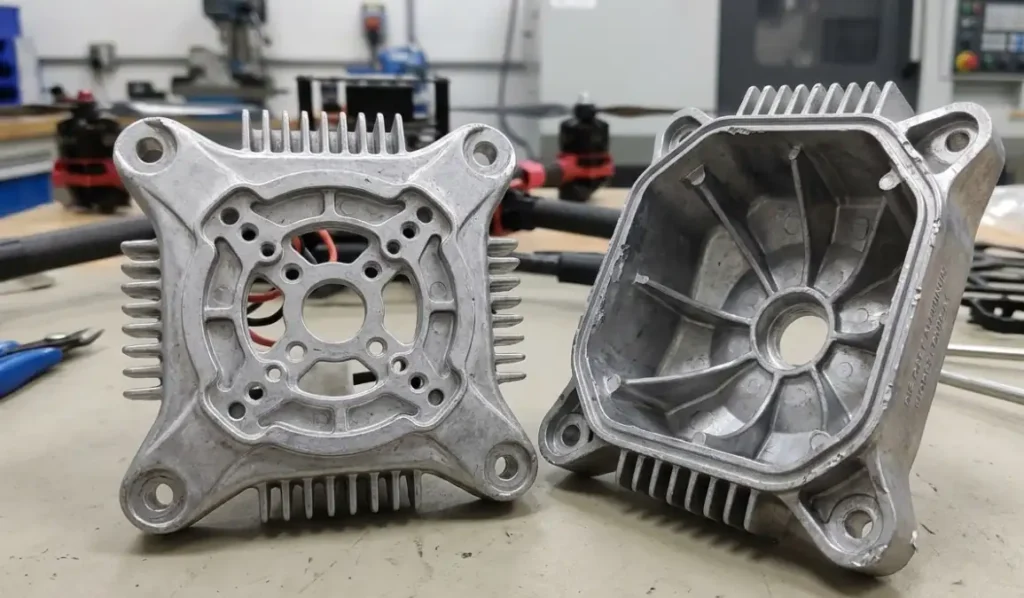
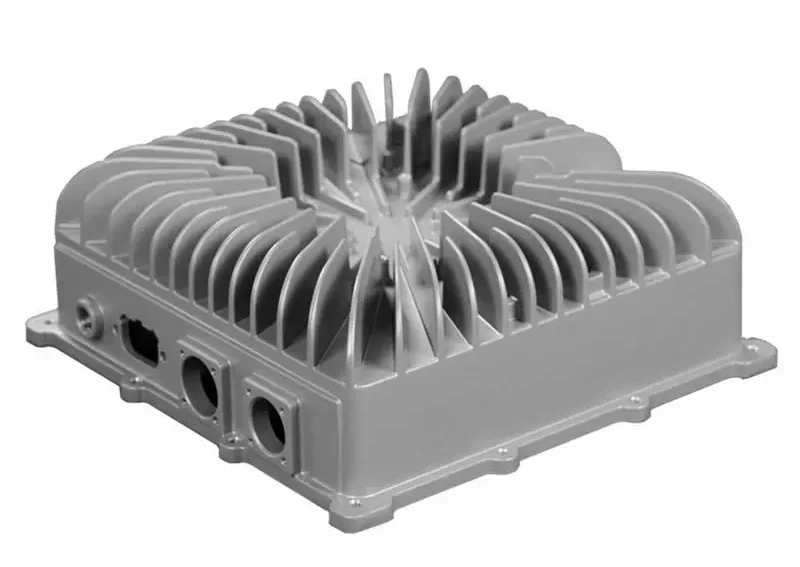
- Recommended minimum wall thickness: ≥ 1.5 mm
- May require design optimization for ultra‑thin die casting parts
💡 IEC Mould Engineering Insight
Rather than increasing wall thickness to boost strength for die casting parts, our team optimizes internal ribbing and lattice structures. This preserves performance, reduces weight, and eliminates unnecessary material cost for your die casting parts.
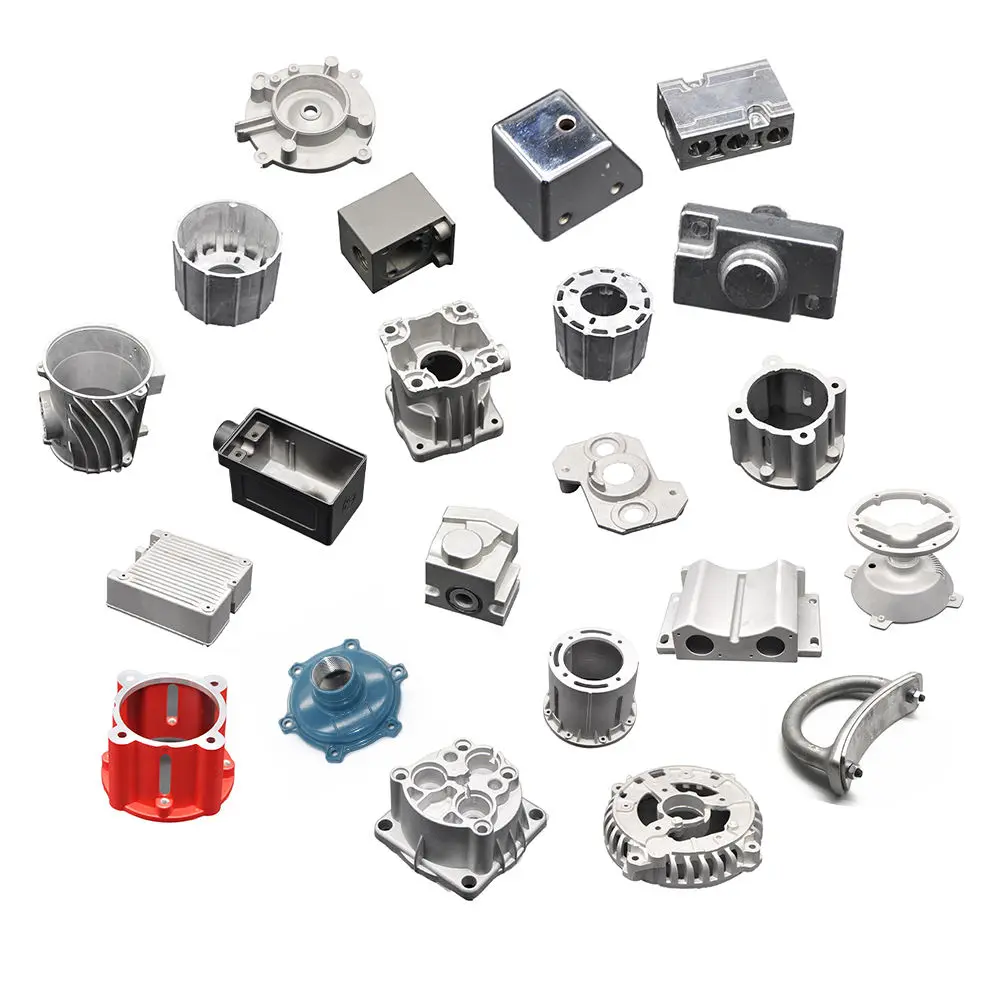
2. Zinc Die Casting Parts (High Precision & Surface Finish)
- Miniaturized die casting parts with fine features
- High‑tolerance die casting parts
- Cosmetic and externally visible die casting parts
- Industry‑leading dimensional precision (±0.02 mm achievable)
- Ultra‑thin‑wall capability (≥ 0.5 mm)
- Smooth, plating‑ready as‑cast finish
- Reduced secondary machining for die casting parts
- Higher density (heavier finished die casting parts)
- Not recommended for large structural die casting parts
💡 IEC Mould Design Rule
- Small + high‑detail geometries → Zinc die casting parts
- Larger + structural requirements → Aluminum die casting parts
This simple engineering heuristic eliminates early‑stage design risks for die casting parts.
3. Magnesium Die Casting Parts (Ultra‑Lightweight Performance)
- Portable electronics die casting parts
- Weight‑optimized aerospace & automotive die casting parts
- EMI‑shielded enclosure die casting parts
- High‑load structural die casting parts
- Cost‑constrained programs without performance justification
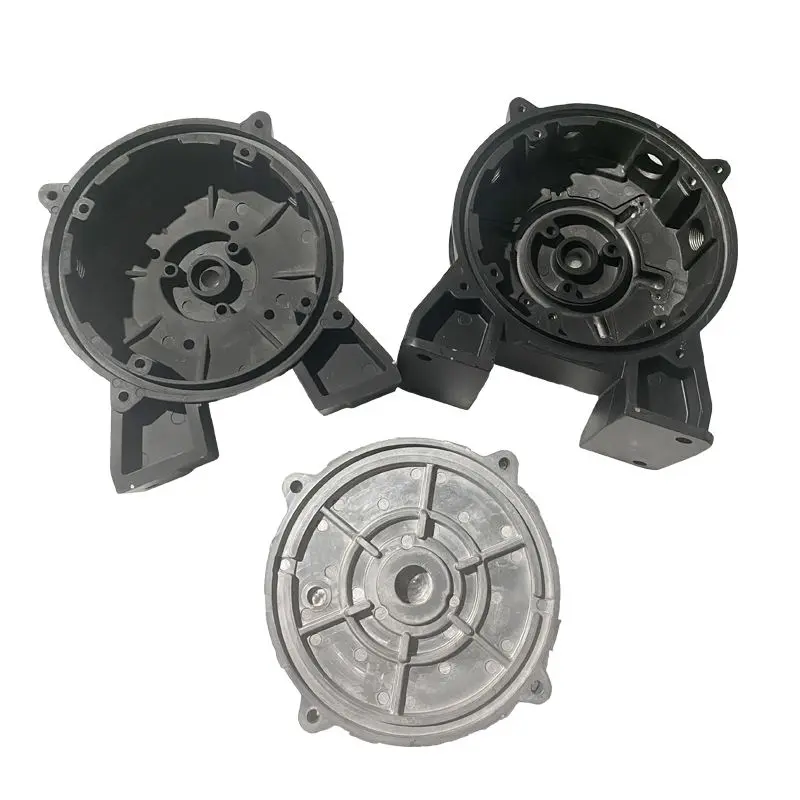
👉 Magnesium is a specialized engineering material for die casting parts, not a default selection.
4. Copper Die Casting Parts (Electrical & Thermal Conductivity)
- Superior electrical conductivity
- Excellent thermal resistance and stability
- High melt temperature increases tool wear
- More difficult casting dynamics
- Elevated total production cost for die casting parts
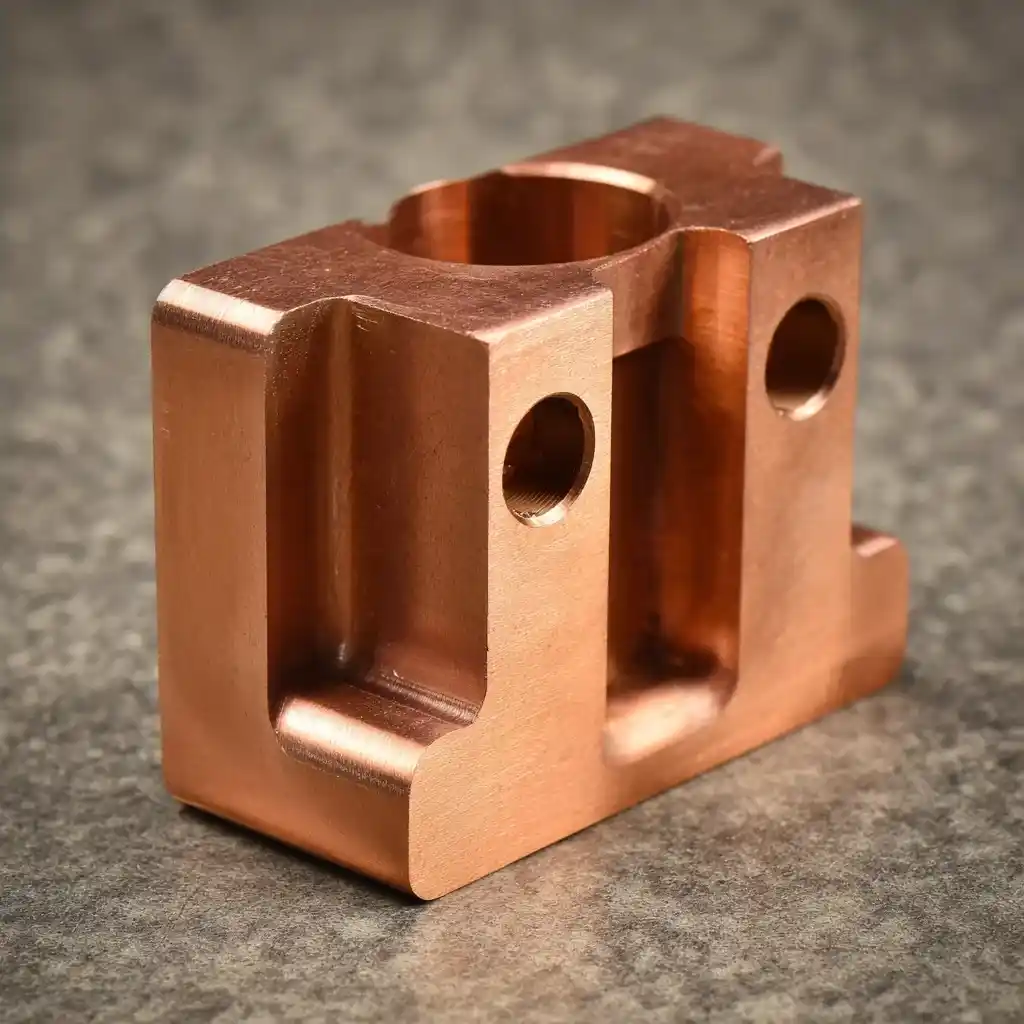
Primary use case: Electrical and power‑distribution die casting parts.
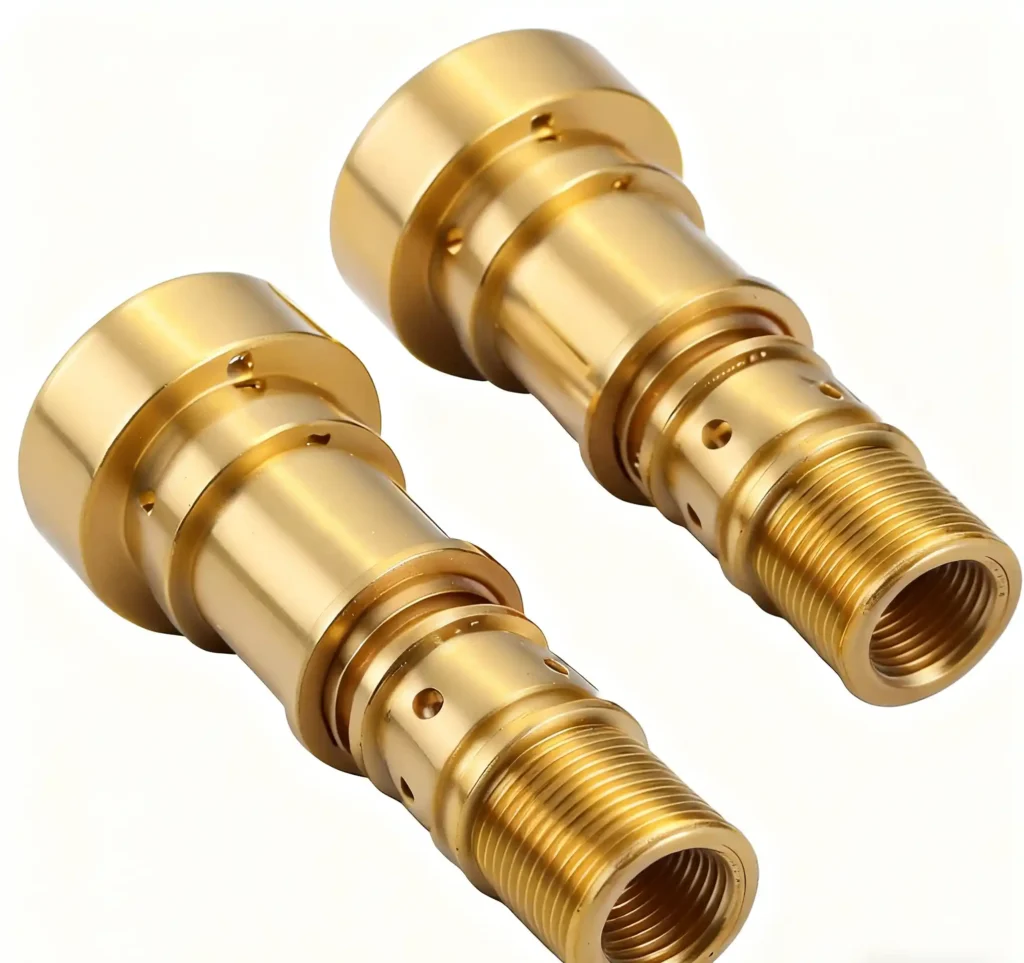
5. Brass Die Casting (Aesthetic & Corrosion Resistance)
- Attractive as-cast and post-processed finishes
- Strong corrosion resistance
- Excellent machinability
- Plumbing fittings and valves
- Decorative hardware and visible components
6. Silicon Aluminum Alloys (Enhanced Casting Performance)
- Improved melt fluidity for complex geometries
- Reduced shrinkage and porosity
- Enhanced wear resistance
Applications: Complex automotive and structural die castings.
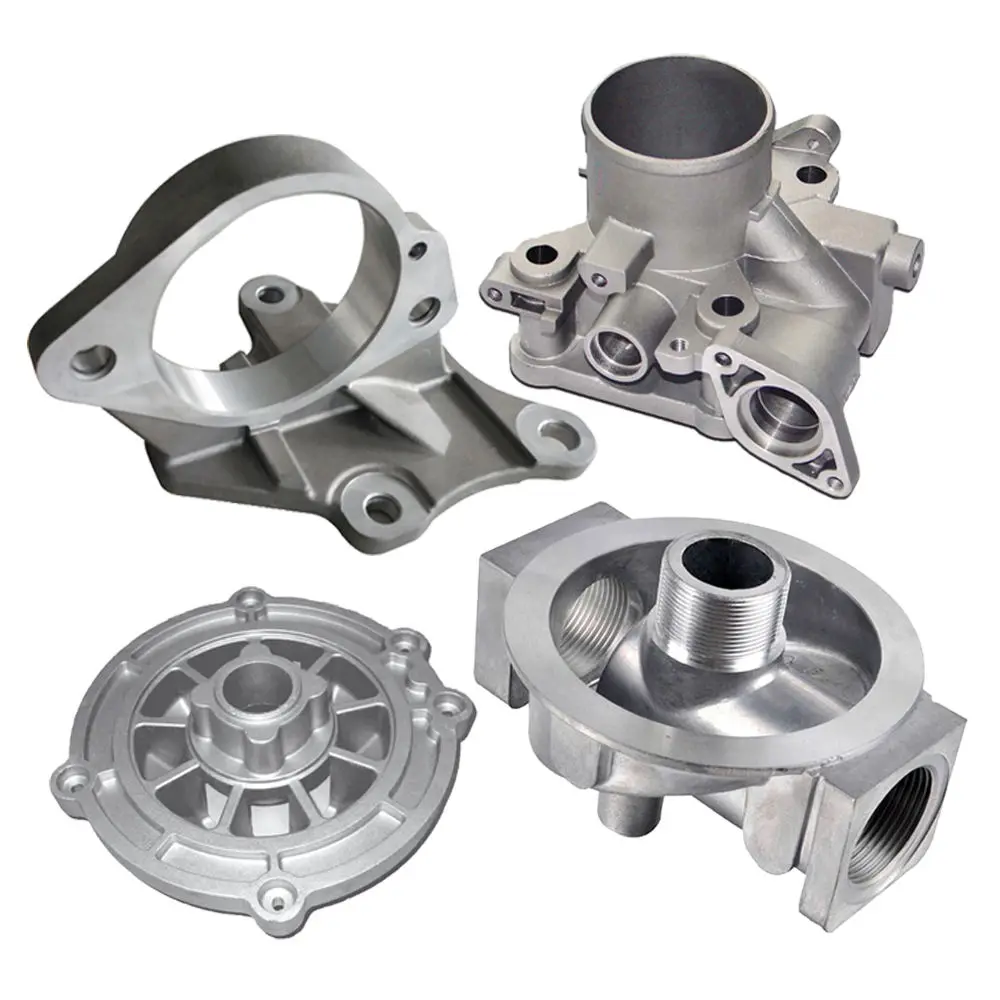
7. ADC12 Aluminum Alloy (High-Volume Production Stability)
- Excellent mold filling
- Reduced porosity risk
- Stable performance in high-volume runs
Applications: Motor housings, engine components, automotive structural parts.
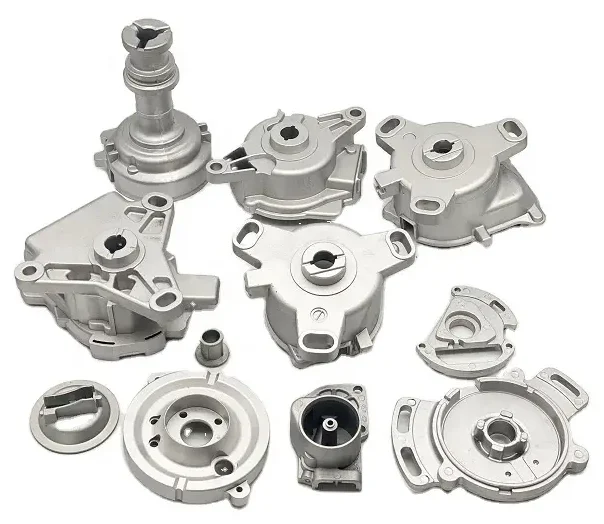
💡 IEC Mould Engineering Insight
ADC12 is frequently the most reliable choice for high-volume programs requiring consistent quality—even when not the highest-strength alloy available.
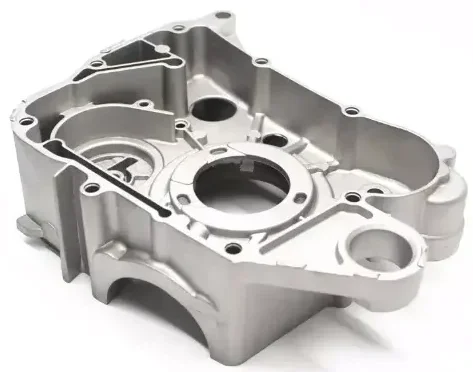
8. A380 Aluminum Alloy (Global Industrial Standard)
- Balanced tensile strength, hardness, and ductility
- Excellent castability and flow
- Optimized for industrial manufacturing
Applications: Structural components, industrial equipment housings.
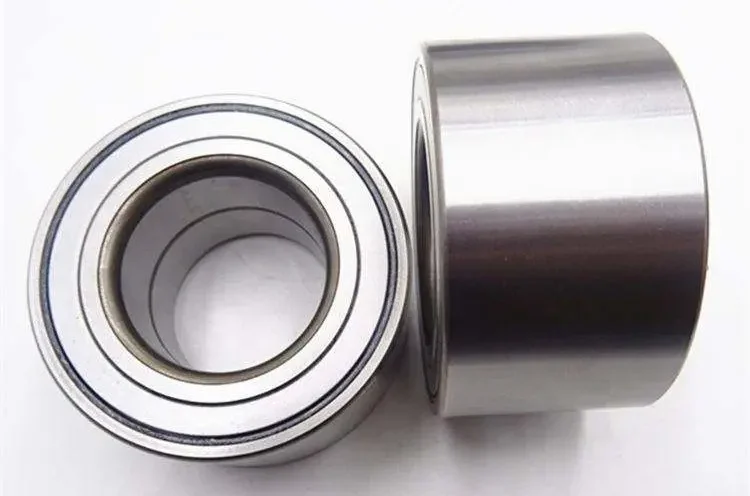
9. ZA Alloys (High‑Strength Zinc‑Aluminum)
- Higher strength than conventional zinc alloys
- Superior wear resistance
- Extended service life in dynamic applications
Applications: Bearings, gears, industrial mechanical components.
10. Lead & Tin Alloys (Specialized Niche Use Only)
Advantages: Low melt temperature, reliable sealing performance.
⚠️ Critical note:
Modern manufacturing restricts usage due to environmental regulations and RoHS compliance.
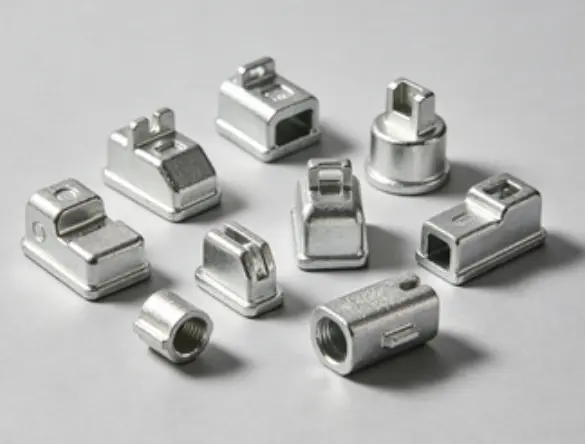
11. Custom Engineered Alloys (Application‑Tailored Solutions)
- Static and dynamic load requirements
- Environmental exposure (temperature, humidity, chemicals)
- Annual production volume
- Total cost of ownership targets
Our goal: Select a material that performs reliably in production—not just on technical datasheets.
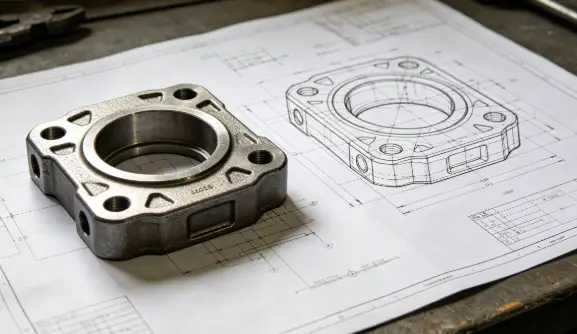
Aluminum vs Zinc Die Casting Parts (Engineering Comparison)
| Property | Aluminum | Zinc |
|---|---|---|
| Density | 2.7 g/cm³ | 6.6 g/cm³ |
| Weight | Light | Heavy |
| Precision | Medium | High |
| Surface Finish | Good | Excellent |
| Cost (mass production) | Medium | Low |
- Aluminum: Preferred for structural performance and weight optimization
- Zinc: Preferred for precision, fine features, and cosmetic finish
How to Choose the Right Material for Die Casting Parts
- Mechanical strength and load requirements
- Weight reduction targets
- Surface finish and cosmetic specifications
- Annual production volume
- Tooling and piece-price constraints
- Operating environment (temperature, corrosion, vibration)
Common Mistakes in Die Casting Material Selection
❌ 1.Cost-only decision making
Low raw material cost often leads to higher total cost from scrap, rework, and failures.
❌ 2. Over-engineering materials
Higher-grade alloys do not guarantee improved performance and unnecessarily increase cost.
❌ 3. Mismatched material to load conditions
Selecting alloys without real-service load analysis leads to premature failure.
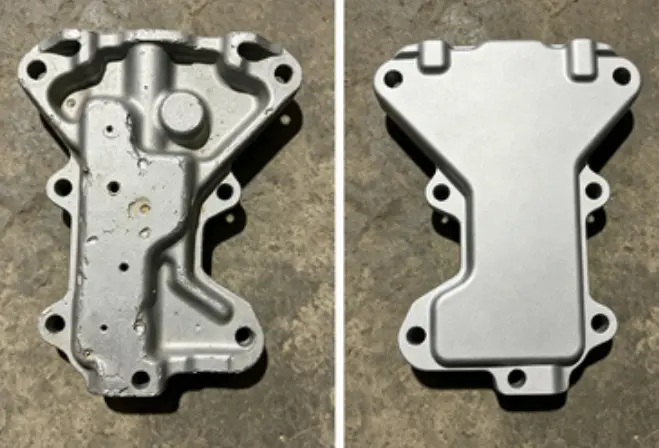
💡 IEC Mould Real-World Case Study
A client initially specified zinc for a load-bearing structural housing.
During validation testing:
- Structural deformation occurred
- Assembly fit and function became unstable
Our engineering team recommended ADC12 aluminum with structural optimization.
- Weight reduction: ~35%
- Improved structural integrity
- Stable, high-volume production
Real Applications of Die Casting Parts Across Industries
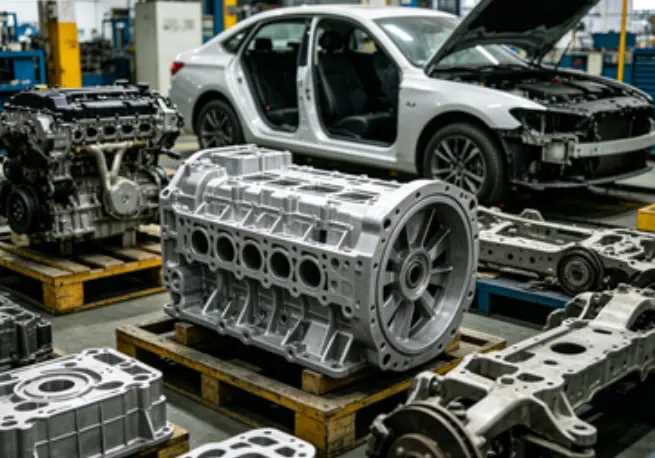
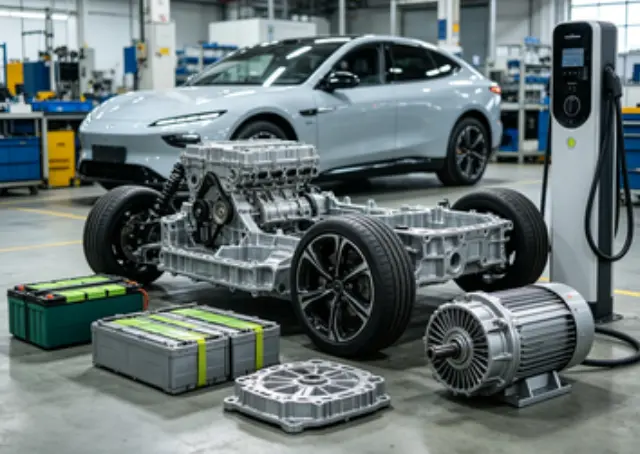
2. EV (Electric Vehicle)
- Battery trays and enclosures
- Motor and inverter housings
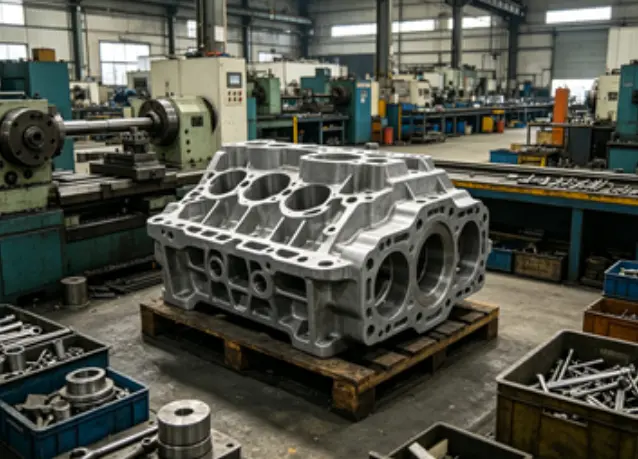
3. Industrial Equipment
- Load-bearing structural components
- Thermal management assemblies
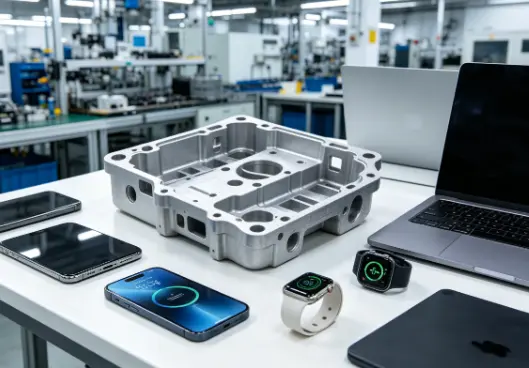
4. Consumer Electronics
- Precision enclosures
- Cosmetic external components
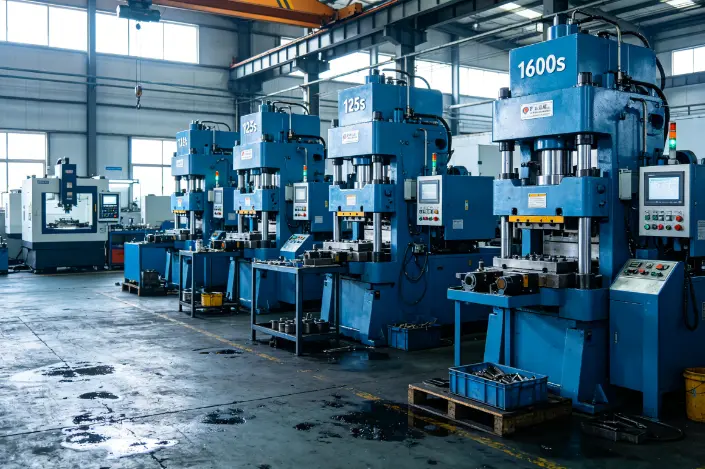
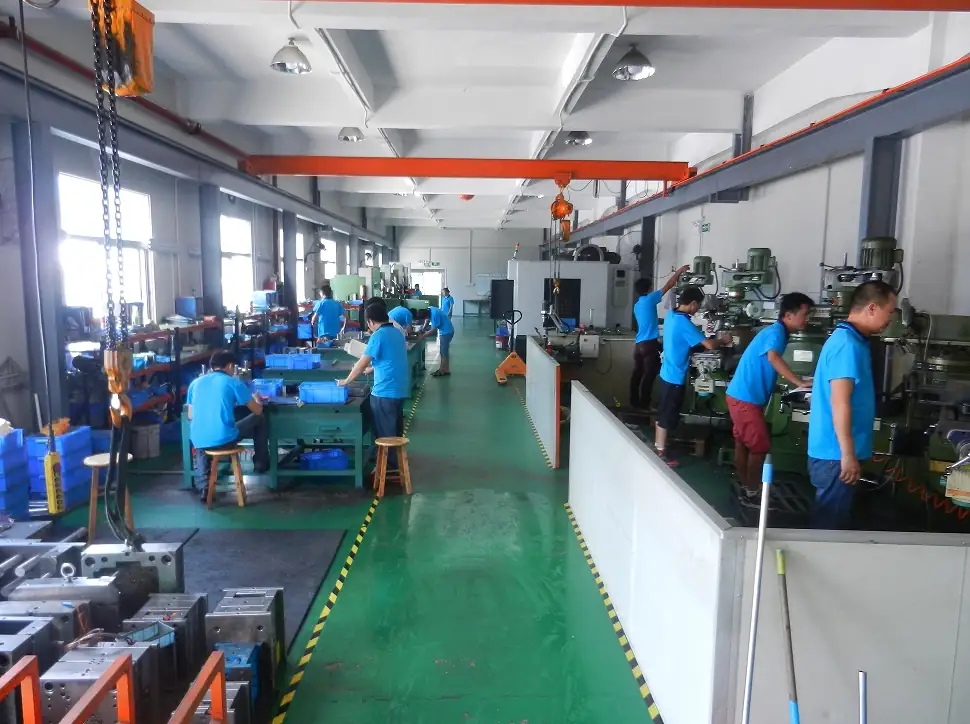
Our Die Casting Capabilities at IEC Mould
- Aluminum and zinc high-pressure die casting
- Press capacities: 125T – 1600T
- Full-service CNC machining
- Complete surface finishing (powder coating, anodizing, plating)
- Advanced quality inspection (CMM, FAIR, dimensional reporting)
We do not simply manufacture parts. We identify and mitigate manufacturing risks before production begins.
Expert Engineering Support for Your Die Casting Program
- Data-driven material optimization
- DFM (Design for Manufacturing) improvement
- Cost reduction and waste elimination
- Stable, repeatable high-volume production
- 2D / 3D CAD files
- Application and performance requirements
- Annual production volume

Conclusion
No single “best” die casting material exists for all applications.
The optimal choice depends on:
- Functional operating requirements
- Mechanical performance targets
- Manufacturing scalability and cost
- Avoid costly engineering and tooling rework
- Improve component performance and reliability
- Achieve stable, efficient mass production
FAQ
What is the most commonly used die casting material for mass production?
ADC12 aluminum alloy is the most widely used material for high-volume die casting, thanks to its excellent castability, low porosity, stable production performance, and balanced cost-effectiveness.
How do I choose between aluminum and zinc die casting for my part?
Choose aluminum if you need lightweight, structural strength, and heat dissipation. Choose zinc if you require ultra-high precision, thin walls, fine details, and excellent surface finish. Weight, part size, and functional requirements are the three key factors.
Can I use magnesium die casting for all lightweight applications?
No. Magnesium is the lightest structural die casting material, but it requires stricter process control, higher tooling and production cost, and is not suitable for high-load structural parts. It is recommended only for weight-sensitive and EMI-shielding applications.
What is the minimum wall thickness for aluminum and zinc die casting?
For aluminum, the recommended minimum wall thickness is ≥1.5 mm. For zinc, it can reach ≥0.5 mm, making zinc more suitable for ultra-thin-wall and micro-precision parts.
Does higher-cost alloy mean better quality and performance?
Not necessarily. The best alloy is the one that matches your application requirements. Using an over-specified high-grade alloy will increase cost without improving performance, while a properly selected standard alloy can achieve stable quality and lower total cost.
How does material selection affect total project cost?
Material selection directly influences tooling life, production stability, scrap rate, machining cost, and assembly yield. A correct material choice can reduce total cost by over 30%, while a wrong choice leads to high rejection, rework, and even product failure.
Can you help us select the right material without design changes?
Yes. At IEC Mould, we provide professional material evaluation based on your part structure, load conditions, usage environment, and volume. In many cases, we can optimize material selection to reduce cost and improve performance without modifying your original design.