
Why Aluminum Casting Die Costs Vary More Than Most Buyers Expect
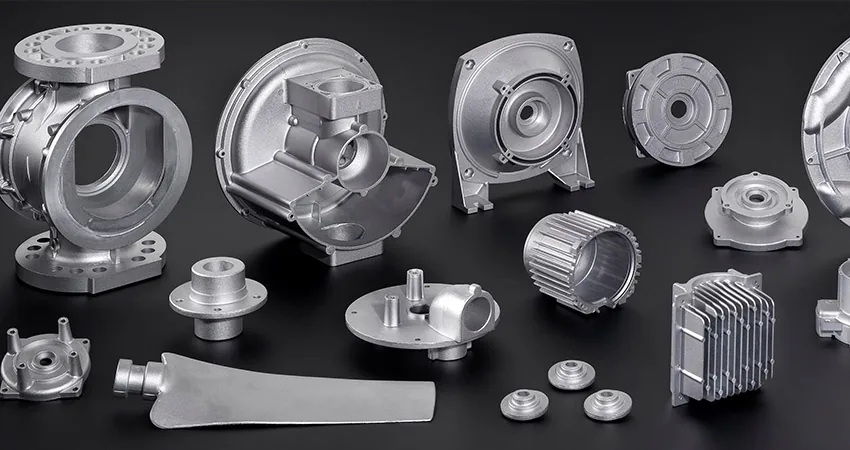
At IEC MOULD, we often see that aluminum die casting cost can vary significantly depending on part design, tooling, and production strategy.
We work with OEM clients on a wide range of aluminum die casting projects, and it is common to see the same part quoted by different suppliers with a 30–40% price difference. This difference rarely comes from being “cheap” or “expensive”—it almost always comes down to part design, tooling strategy, and production processes.
For example, in an automotive project, the client requested a thin-wall component with multiple undercuts. While the part looked simple at first glance, our tooling engineers identified that it would require side-actions and a complex mold, which increased tooling cost by 50% and added nearly 2 seconds to the cycle time per shot. Over a batch of 50,000 pieces, this design choice alone added thousands of dollars to the project cost.
This article summarizes the 10 key cost drivers we consistently encounter in die casting projects, helping OEM buyers plan ahead and avoid unnecessary expenses.
Aluminum Casting Die Part Design Complexity (The Hidden Cost Multiplier)
Among all die casting cost factors, Aluminum Casting part design complexity is the most frequently underestimated. Even small details such as ribs, undercuts, or wall thickness can have a significant impact on tooling and production costs. Poor part geometry can increase die casting cost significantly. Understanding common die casting design mistakes helps OEM buyers avoid unnecessary machining and tooling costs. Proper design early in the project can reduce secondary operations and scrap rates.
1. Undercuts, Thin Walls, and Complex Geometries
In real projects handled by IEC MOULD, parts with deep undercuts or very thin walls often lead to:
- The mold requiring side-actions, increasing both complexity and cost
- Thin walls making it difficult to achieve uniform metal flow, leading to porosity or warpage, which results in rework or scrap
- Longer mold design and machining time, raising upfront investment
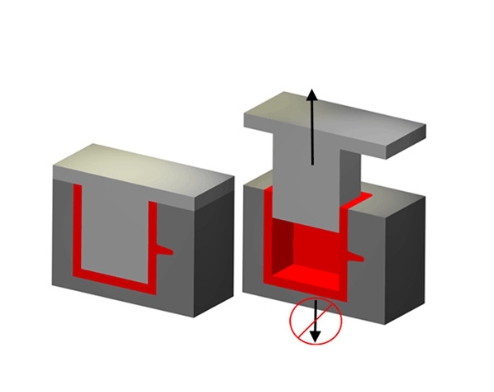
2. Impact on Tooling and Cycle Time
Complex parts usually result in longer cycle times. Every additional second per cycle significantly affects per-part cost in high-volume production. Furthermore, molds must be stronger and more precise to handle these complexities, increasing initial tooling cost.
Key Takeaway
- Early collaboration with IEC MOULD for DFM (Design for Manufacturing) review is essential.
- Minor adjustments such as optimizing draft angles, simplifying undercuts, or redesigning ribs can reduce tooling complexity, improve yield, and lower total project cost.
💡 IEC MOULD Insight:
“A short discussion at the design stage can prevent weeks of expensive revisions later. Optimizing the part before mold production always costs far less than fixing it during or after production.”
Aluminum Casting Die Tooling Design and Mold Life Expectancy
Die Casting Tooling design and mold life are among the top factors impacting aluminum die casting project costs. Many OEM buyers focus on per-part price but overlook that tooling decisions set the foundation for production efficiency and total cost.
A well-designed casting mold reduces defects, improves cycle time, and can last for hundreds of thousands of shots. Conversely, a poorly planned mold can increase scrap, require early repairs, or even need replacement—adding unexpected costs.
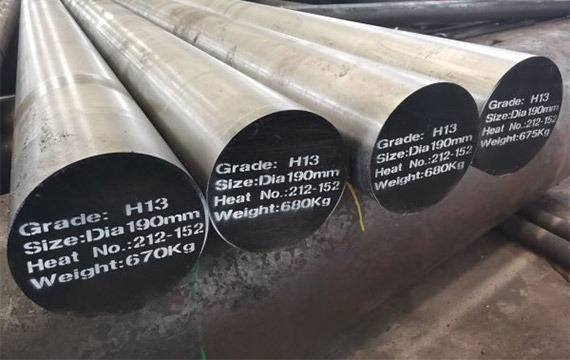
1. Die Casting Tool Steel Selection and Durability
The choice of tool steel has a major influence on cost and mold longevity:
- Standard aluminum die casting often uses H13 tool steel for its balance of toughness and heat resistance.
- High-volume projects or complex parts may require upgraded steels or heat-treated components to withstand wear, increasing initial tooling cost.
- In practice, evaluating expected shot life versus cost ensures the most cost-effective solution for each project.
2. Mold Complexity and Its Impact on Cost
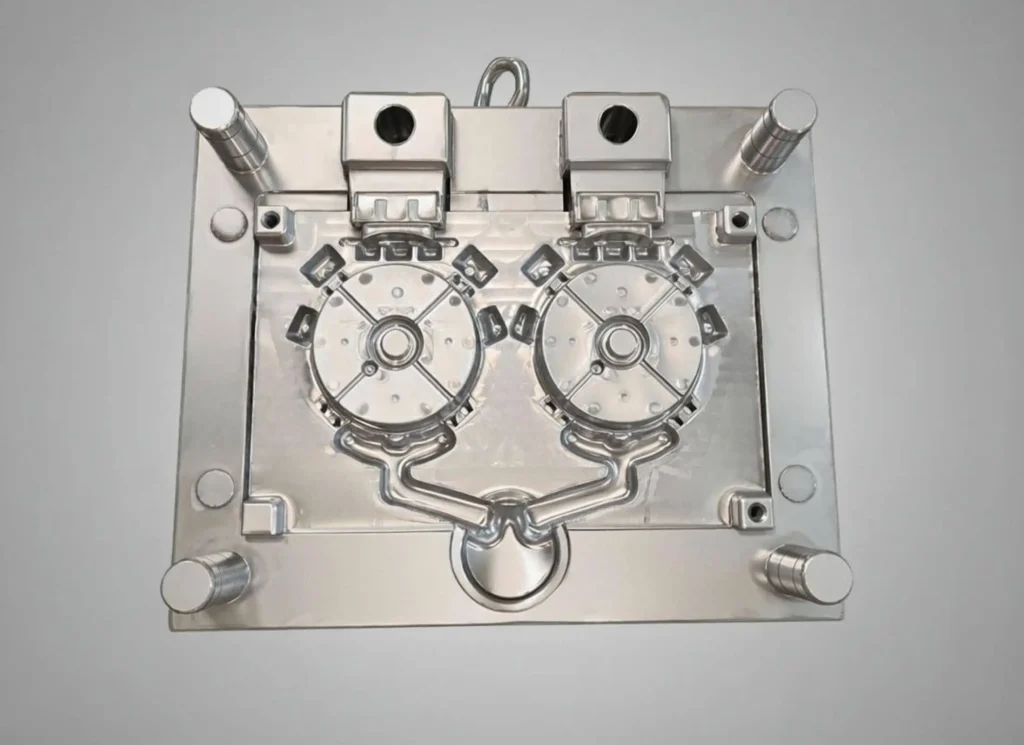
- Multi-cavity molds, side-actions, sliders, and intricate cooling channels increase both design and manufacturing time.
- Complex molds also require more maintenance. Parts with undercuts or tight tolerances may need frequent inspections or minor repairs during production.
- Non-optimized molds can produce defects like flash, warpage, or porosity, leading to higher scrap rates and downtime.
3. Aluminum Casting Mold Cycle Life Planning and Cost Distribution
- Mold investment should be approached as a long-term cost strategy:
- A mold with a 100,000-shot life spreads the upfront cost over a high volume, reducing cost per part.
- Short-lived molds may appear cheaper initially, but frequent repairs or replacements increase total project cost.
- Production volume and expected part lifespan must guide mold design to maximize efficiency and minimize total cost.
Key Takeaway
- Tooling design is not just a one-time expense—it defines the cost structure for the entire project.
- Early engagement with tooling engineers ensures molds are optimized for durability and manufacturability, reducing risk, scrap, and long-term costs.
- OEM buyers benefit most when design, material selection, and tooling strategy are aligned from the start.
💡 IEC MOULD Insight:
“A mold designed without considering total production volume or material behavior can become the largest hidden cost in a project. Proper upfront planning prevents weeks of downtime and thousands in avoidable expenses.”
Aluminum Casting Die Material Selection (Alloy Matters More Than You Think)
Material choice is one of the most critical factors in aluminum die casting costs, yet it is often overlooked by OEM buyers. The type of alloy affects not only the raw material cost, but also flowability, defect rates, and downstream processing.
Material choice affects both die casting cost factors and part performance. Aluminum alloys vary in price and machinability. Compare materials with our Aluminum vs Zinc Die Casting Cost Comparison
to make the best decision for your project.
1. Common Alloys and Their Characteristics
- ADC12: Widely used in general industrial applications. It has good castability and corrosion resistance, making it cost-effective for medium-volume production.
- A380: Offers higher strength and thermal stability, suitable for automotive and high-performance parts, but comes at a higher material cost.
- A360: Known for excellent corrosion resistance and mechanical properties, ideal for aerospace or marine components, but more expensive and sensitive to process control.
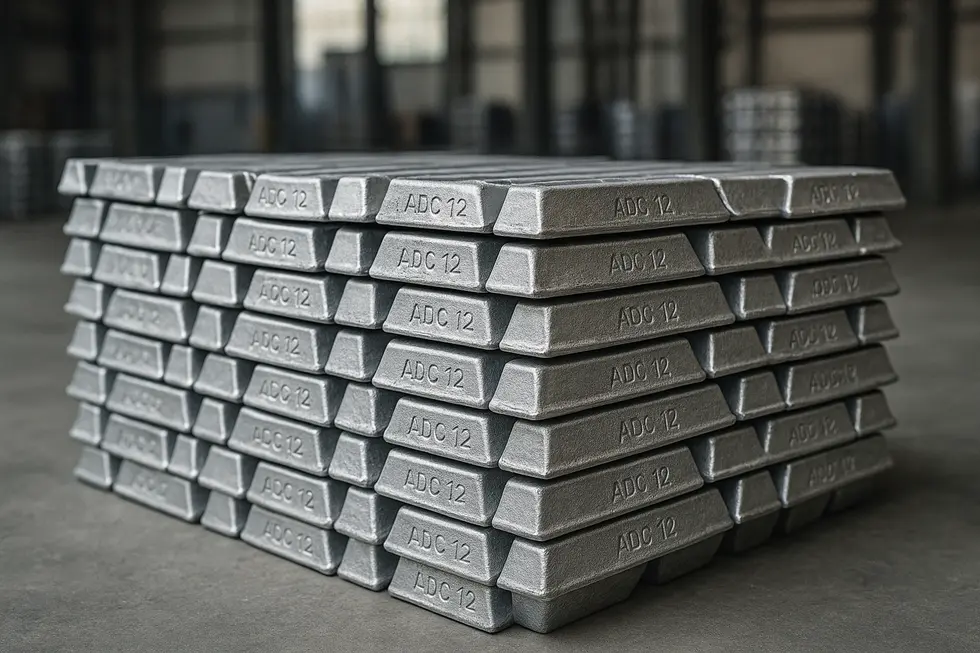
Choosing the right alloy early helps optimize mold filling, reduce porosity, and lower scrap rates. A mismatch between alloy and part design can quickly drive up costs due to defects and rework.
2. Impact on Production Efficiency
- Some alloys require higher injection pressures or longer cooling times, which affects cycle time and machine selection.
- Alloy behavior also influences the surface finish and secondary processing. For example, high-silicon alloys can reduce machining wear but may require different finishing methods.
Key Takeaway
- Material selection should be integrated into the design and process planning stage.
- Balancing cost, mechanical requirements, and manufacturability ensures optimal results.
- Early discussions with the production team can avoid expensive adjustments later in the project.
💡 IEC MOULD Insight:
“Selecting the right alloy isn’t just about the raw material price. It affects the entire production chain—from mold filling to finishing—and has a direct impact on total project cost and part quality.”
Production Volume and Order Quantity
Production volume is one of the most straightforward cost drivers in aluminum die casting, but it’s also one of the most misunderstood. Many OEM buyers expect a linear pricing model, but in reality, die casting costs behave very differently depending on volume.
Higher production volumes reduce per-unit cost, but tooling wear and cycle time must be considered. Learn how to optimize your die casting cost breakdown for better budget planning.
In die casting, the mold is a significant upfront investment. The way this cost is distributed depends entirely on production volume:
- For low-volume orders, tooling cost is spread over fewer parts, resulting in a higher unit price
- For high-volume production, the same tooling cost is amortized across thousands of parts, significantly reducing cost per unit
For example, a die casting tooling cost $20,000:
- At 5,000 parts → $4 per part (tooling only)
- At 100,000 parts → $0.20 per part
This is why two quotes can look very different depending on the assumed annual volume.
2. MOQ and Production Efficiency
Minimum Order Quantity (MOQ) is not just a commercial term—it is closely tied to production efficiency:
- Small batches often lead to frequent machine setup and changeovers, increasing labor and downtime costs
- Larger production runs allow for stable process conditions, improving yield and reducing scrap
- Suppliers may optimize machine allocation based on order size, which affects pricing
In practice, orders below a certain volume threshold often carry a cost penalty because the process is less efficient.
3. Volume Forecast and Long-Term Planning
One common issue in OEM projects is unclear or conservative volume forecasting. From a manufacturing perspective:
- Underestimating volume may lead to overly simple tooling, which struggles to support future scale
- Overestimating volume may result in over-investment in tooling or automation
A balanced approach is to align tooling and process planning with realistic long-term demand, rather than just the initial order.
Key Takeaway
- Unit price in die casting is highly volume-dependent—there is no “one fixed price.”
- Providing a clear volume forecast allows suppliers to optimize tooling, process, and pricing.
- In many cases, slightly increasing order quantity can lead to disproportionate cost savings per part.
💡 IEC MOULD Insight:
“In die casting projects, the difference between a 5,000-piece order and a 20,000-piece order is not just quantity—it can fundamentally change the cost structure.”
Aluminum casting Die Cycle Time and Machine Efficiency
Die casting cycle time is one of the most critical—but often overlooked—cost drivers in aluminum die casting. While it may not be visible in a quotation, it directly determines how many parts can be produced per hour, and ultimately, the cost per part.
Longer cycle times can increase total production cost. Check our Die Casting Lead Time Optimization guide to understand how to reduce cycle times without sacrificing quality.
1. What Makes Up the Cycle Time
A typical die casting cycle includes:
- Metal injection
- Solidification and cooling
- Die opening and part ejection
- Lubrication and preparation for the next shot
In real production, cooling time usually takes up the largest portion of the cycle. Even a small change—such as improving cooling efficiency—can significantly impact overall productivity.
2. Why a Few Seconds Matter More Than Expected
In many projects, the difference between a 25-second cycle and a 28-second cycle doesn’t seem significant at first. But in high-volume production, the impact is substantial:
- A longer cycle means fewer parts per hour
- Machine utilization decreases
- Labor and overhead cost per part increases
Over tens of thousands of parts, even a 2–3 second increase in cycle time can translate into a noticeable rise in total project cost.
3. Die Casting Machine Selection and Process Optimization
Cycle time is closely linked to machine selection and process setup:
- Using a machine with insufficient tonnage may lead to unstable filling or defects, requiring slower cycles
- Oversized machines increase operational cost without improving efficiency
- Optimized injection speed, pressure, and cooling design can help achieve a stable and shorter cycle
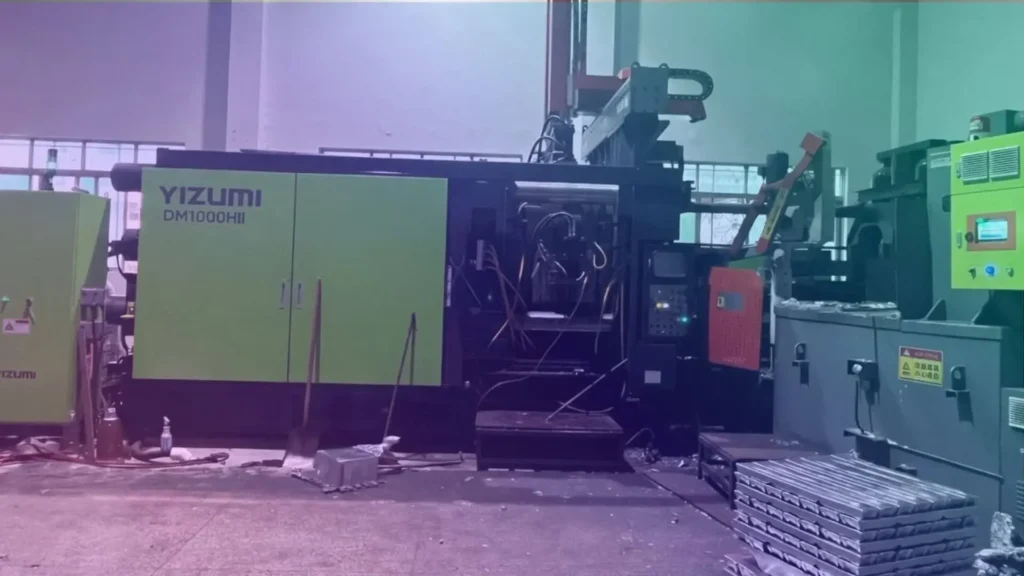
In practice, balancing machine capability with part requirements is key to achieving both quality and cost efficiency.
Key Takeaway
- Cycle time directly affects cost per part, even if it is not explicitly shown in the quotation.
- Small improvements in cooling, tooling design, or process parameters can lead to significant cost savings over large production volumes.
- Stable and optimized production is often more cost-effective than pushing for maximum speed without consistency.
💡 IEC MOULD Insight:
“In die casting production, a few seconds per cycle may not seem important, but over a full production run, it can be the difference between a competitive price and a costly project.”
Aluminum casting Die Secondary Operations (Often Underestimated)
In many aluminum die casting projects, the casting itself is only part of the total cost. Secondary operations—such as machining, deburring, and surface preparation—can account for a significant portion of the final price.
In some cases, these post-processing steps even exceed the cost of the die casting itself, especially for high-precision or cosmetic parts.
1. CNC Machining and Tight Tolerances
Die casting can achieve good dimensional accuracy, but for critical features—such as threads, sealing surfaces, or tight tolerances—CNC machining is often required.
- Additional machining steps increase both cycle time and labor cost
- Complex setups or multi-axis machining further raise costs
- Tight tolerances may require slower machining speeds and more inspections
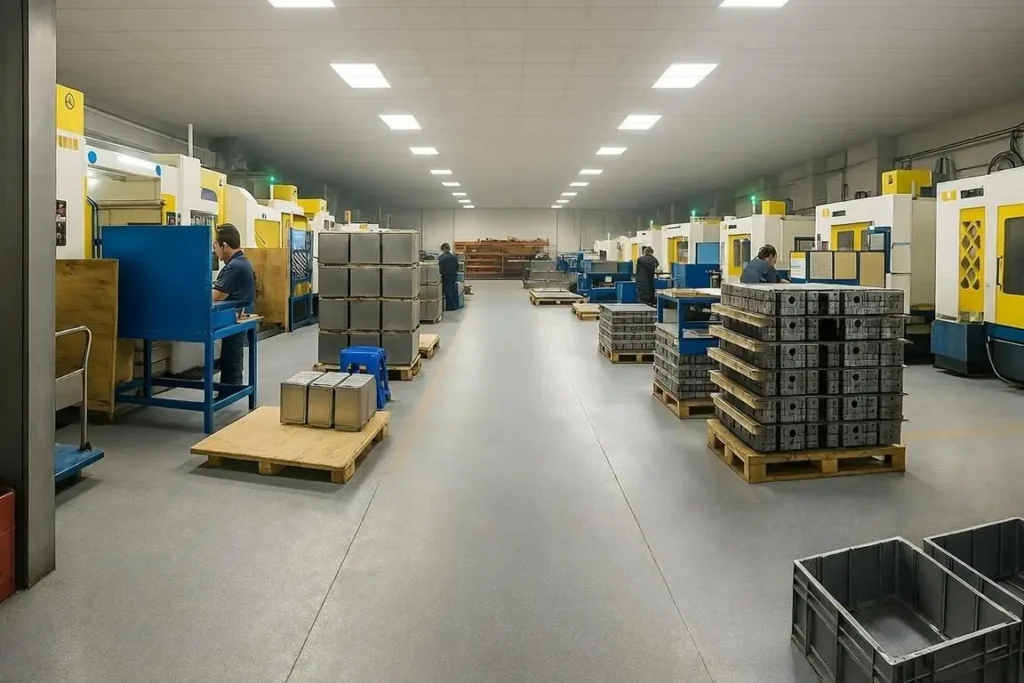
In practice, parts that are not optimized for casting may rely heavily on machining, which significantly increases overall cost.
2. Deburring, Tapping, and Manual Work
After casting, parts typically require finishing operations such as:
- Removing flash and sharp edges (deburring)
- Drilling and tapping holes
- Cleaning or minor surface corrections
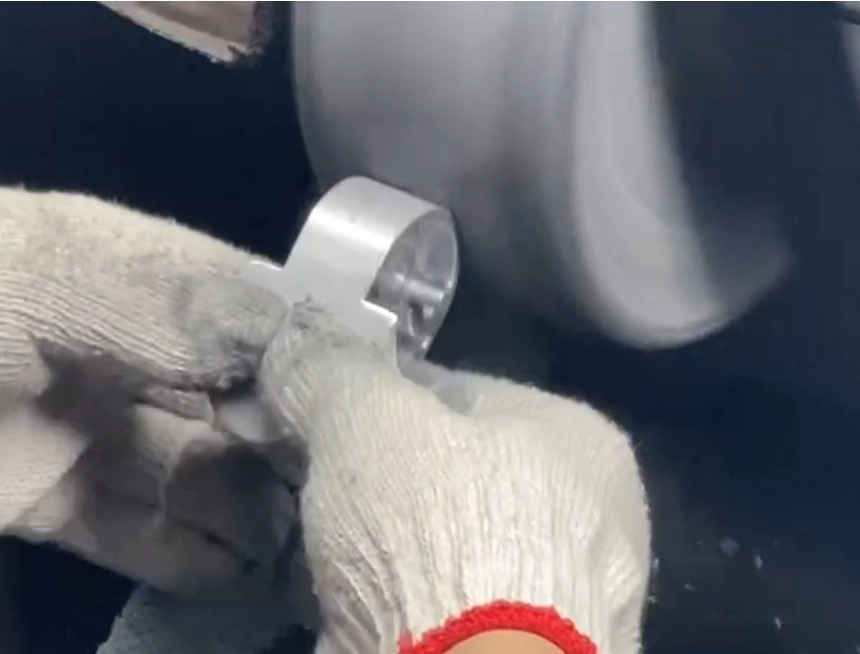
While each step may seem minor, they add up quickly—especially when manual labor is involved.
For high-volume production, even a few seconds of manual work per part can result in a substantial increase in total cost.
3. Process Integration vs Separate Operations
One key factor is whether these operations are integrated into a streamlined process or handled separately:
- Integrated production (casting + machining + finishing) improves efficiency and reduces handling time
- Disconnected processes often lead to longer lead times, higher labor cost, and increased risk of defects
In real projects, better coordination between processes can significantly reduce overall cost and improve consistency.
Key Takeaway
- Secondary operations are often a major hidden cost in die casting projects.
- Designing parts to minimize machining and manual work can lead to significant savings.
- A well-planned production flow—combining casting and post-processing efficiently—helps reduce both cost and lead time.
💡 IEC MOULD Insight:
“In many projects, the biggest cost is not the casting itself, but what happens after it. Reducing unnecessary machining or manual steps can make a noticeable difference in total project cost.”
Aluminum casting Die Surface Finishing Requirements
Surface finishing is often where cost differences become most visible—especially for parts with cosmetic requirements. While a raw die casting may already meet functional needs, additional finishing processes are usually required to achieve the desired appearance or performance.
Depending on the application, surface finishing can range from simple treatments to highly controlled processes, and the cost impact can vary significantly.
Cosmetic requirements or protective coatings increase die casting cost. For detailed surface finishing techniques, see our Surface Finishing Guide for Die Casting.
1. Different Finishing Methods and Cost Impact
Common surface finishing options in aluminum die casting include:
- Powder coating – Durable and widely used, but requires surface preparation and curing
- Anodizing – Provides corrosion resistance and a premium appearance, but demands strict material and surface quality
- Plating – Used for decorative or functional purposes, but involves multiple process steps and higher cost
- Polishing or sandblasting – Improves surface texture, often used before coating or anodizing
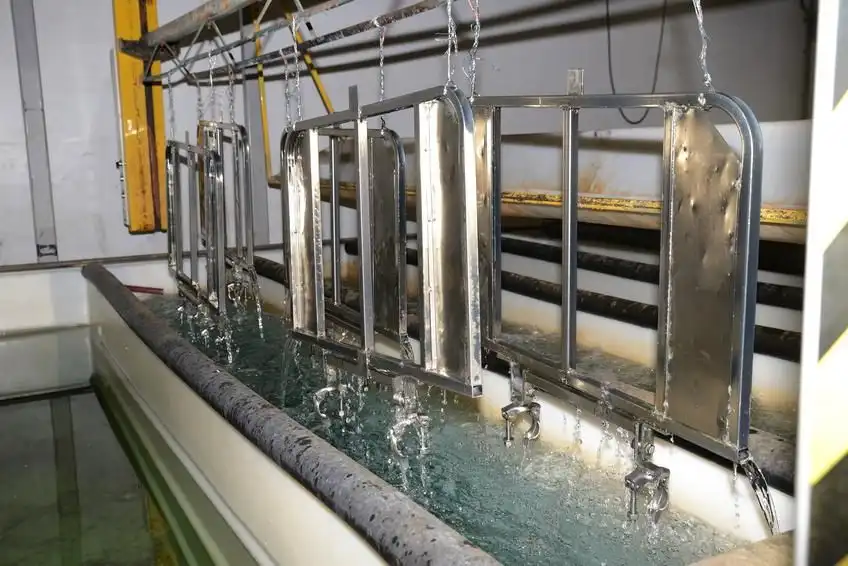
Each additional process step adds material, labor, and process control costs, especially when consistency is required across large batches.
2. Cosmetic vs Functional Requirements
From a cost perspective, there is a big difference between functional parts and cosmetic parts:
- Functional components typically allow minor surface imperfections, keeping costs lower
- Cosmetic parts (visible components) require strict surface quality, often involving extra inspection and rework
In practice, cosmetic requirements can significantly increase scrap rates, as even small defects may lead to rejection.
3. Surface Quality Starts from Casting
One important point often overlooked is that surface finishing quality depends heavily on the initial casting quality:
- Poor mold design or process control can lead to defects that cannot be fully corrected later
- Additional polishing or rework may be required to meet finishing standards, increasing cost
- In some cases, parts may need to be scrapped entirely if surface defects are too severe
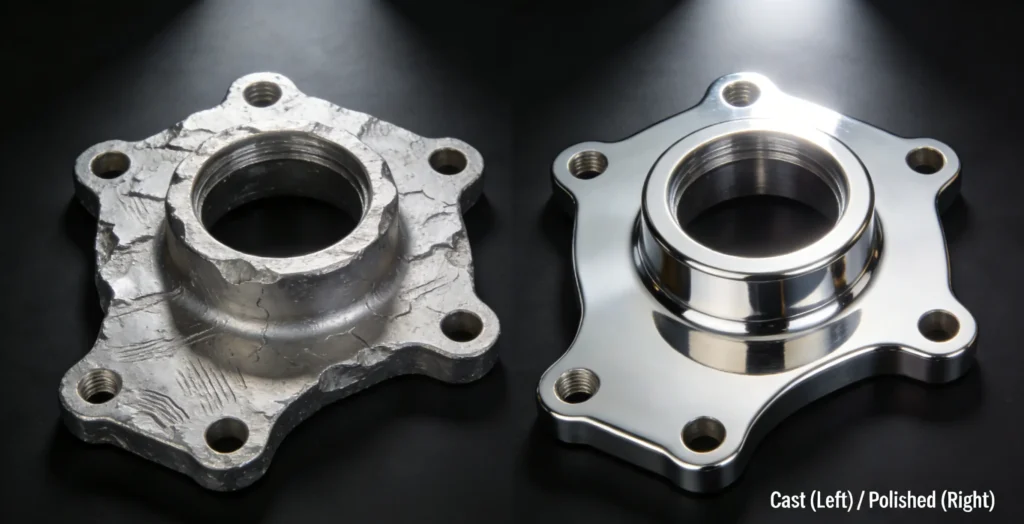
A stable casting process helps reduce finishing complexity and improves overall cost efficiency.
Key Takeaway
- Surface finishing is not just an add-on—it can significantly impact total project cost.
- Clear definition of cosmetic vs functional requirements helps avoid unnecessary processing.
- Improving casting quality at the source is often the most effective way to control finishing costs
💡 IEC MOULD Insight:
“For cosmetic parts, the real challenge is consistency. A finish that looks good on one sample is easy—maintaining that standard across thousands of parts is where cost increases.”
Quality Requirements and Tolerances
Quality requirements and tolerances have a direct and often significant impact on die casting costs. While tighter specifications may seem necessary from a design perspective, they can increase production difficulty, inspection effort, and overall cost.
In many projects, cost differences between suppliers are closely tied to how quality requirements are interpreted and executed.
Tighter tolerances improve part performance but also raise costs. Learn how to reduce defects and meet specifications by reviewing our Die Casting Defects and Solutions article.
1. Tight Tolerances and Their Cost Implications
Die casting is capable of achieving relatively good dimensional accuracy, but there are practical limits:
- Tight tolerances often require secondary machining, increasing cost
- More precise control of process parameters is needed, which can reduce production speed
- Higher rejection rates may occur if parts fall outside strict limits
In real production, pushing tolerances beyond what die casting can naturally achieve usually results in additional processes and higher scrap rates.
2. Inspection and Quality Control Effort
Higher quality requirements also mean more extensive inspection:
- Additional measurement steps, such as CMM inspection, increase inspection time and cost
- More frequent sampling or 100% inspection may be required
- Documentation and traceability requirements (especially in automotive projects) add administrative workload
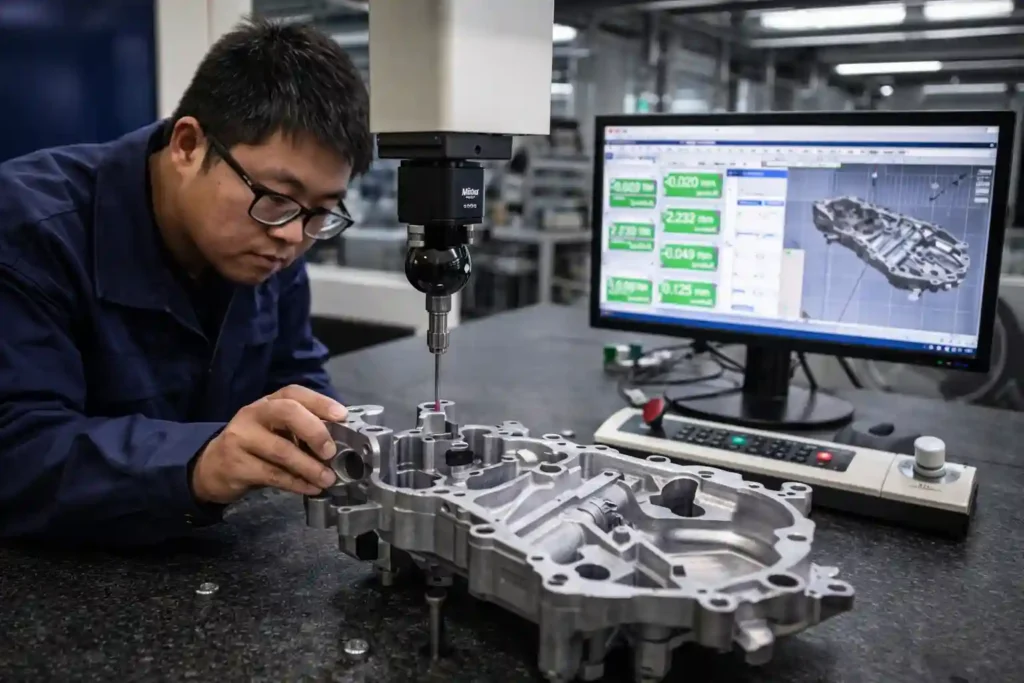
These factors are often not obvious at the quotation stage but become significant during production.
3. Industry Standards and Application Differences
Not all projects require the same level of quality control:
- Automotive and aerospace applications typically demand stricter tolerances and full traceability
- General industrial parts may allow more flexibility, reducing cost
Understanding the actual functional requirements helps avoid over-specification, which can unnecessarily increase cost without adding real value.
Key Takeaway
- Tighter tolerances always come with higher cost—there is no exception.
- Aligning tolerance requirements with actual functional needs helps balance quality and cost.
- Clear communication between design, engineering, and production teams is essential to avoid unnecessary complexity.
💡 IEC MOULD Insight:
“In many cases, parts are designed with tighter tolerances than required. Adjusting just a few critical dimensions can significantly reduce machining, inspection effort, and overall cost.”
Die Casting Scrap Rate and Yield Optimization
die casting scrap rate is one of the most important factors affecting the real cost of aluminum die casting, yet it is rarely discussed in detail during the quotation stage.
While quotes are usually based on an assumed yield, actual production conditions can vary. Even a small difference in yield can have a significant impact on total cost—especially in high-volume projects.
1. What Scrap Rate Really Means in Production
In die casting, scrap rate refers to the percentage of parts that cannot be used due to defects such as:
- Porosity
- Incomplete filling
- Warpage or dimensional issues
- Surface defects
For example:
- A 90% yield means 10% of parts are scrapped
- A 75% yield means 25% of parts are scrapped
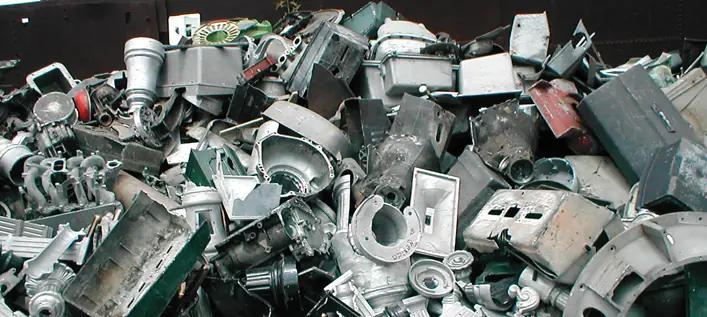
This difference directly affects how many parts need to be produced to meet the required quantity.
2. How Scrap Impacts Cost
Scrap is not just lost material—it represents a combination of wasted resources:
- Aluminum material
- Machine time
- Labor and energy
- Additional inspection and handling
For instance, if a project requires 10,000 good parts:
- At 90% yield → ~11,100 parts need to be produced
- At 75% yield → ~13,300 parts need to be produced
That difference translates into higher production cost, longer lead time, and increased resource consumption.
3. Factors That Influence Yield
From practical production experience, yield is affected by multiple factors:
- Part design complexity (thin walls, sharp corners)
- Mold design and cooling efficiency
- Process stability (temperature, pressure, injection speed)
- Operator consistency and maintenance practices
Stable processes with well-optimized tooling typically achieve higher and more consistent yields, which lowers overall cost.
Key Takeaway
- Scrap rate directly impacts total cost, even if it is not visible in the initial quotation.
- Improving yield is one of the most effective ways to reduce cost without changing part design.
- Consistent process control and proper tooling design are key to achieving stable, high yield production.
💡 IEC MOULD Insight:
“A small improvement in yield—such as from 85% to 92%—can make a bigger difference in total cost than negotiating a lower unit price.”
Logistics, Packaging, and Supply Chain Factors
Logistics and packaging are often treated as secondary considerations, but in reality, they can have a noticeable impact on total project cost—especially for international shipments. These costs are usually not part of the die casting process itself, but they directly affect the final landed cost for OEM buyers.
Shipping method, packaging, and lead time impact total cost. For OEM buyers, choosing the right supplier is critical. Learn how to choose a die casting supplier and coordinate production with logistics effectively.
1. Die Casting Production Packaging Requirements and Protection
Different parts require different levels of protection during transportation:
- Standard industrial parts may use bulk packaging to reduce cost
- Precision or cosmetic parts often require custom trays, foam protection, or individual packaging
- Export shipments may require fumigation, reinforced cartons, or pallets
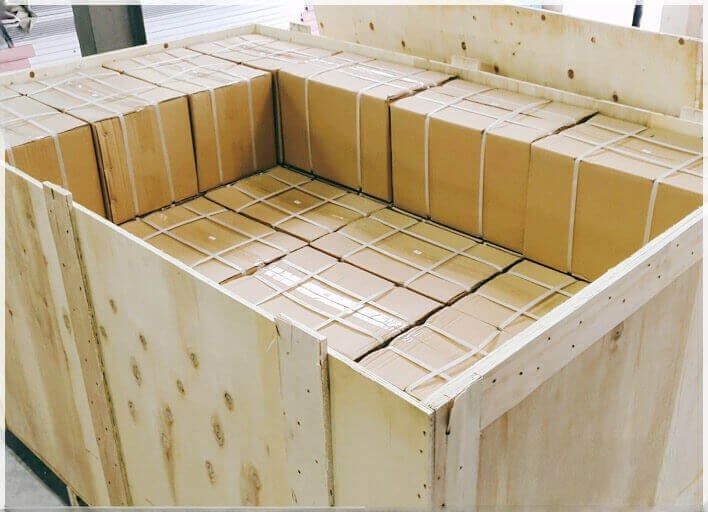
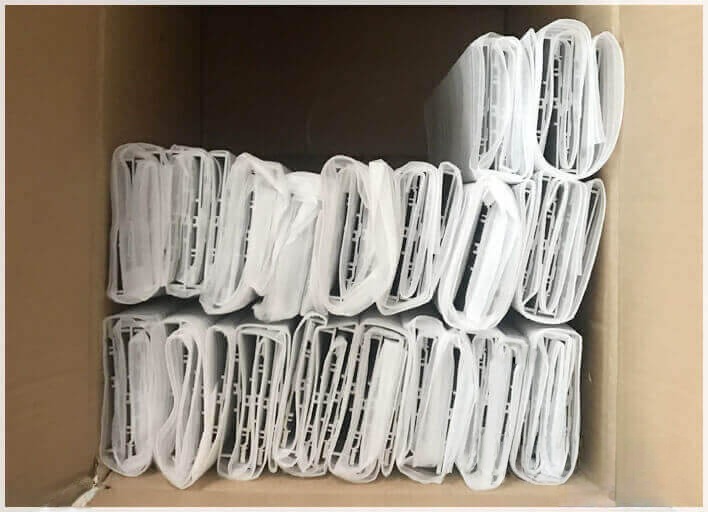
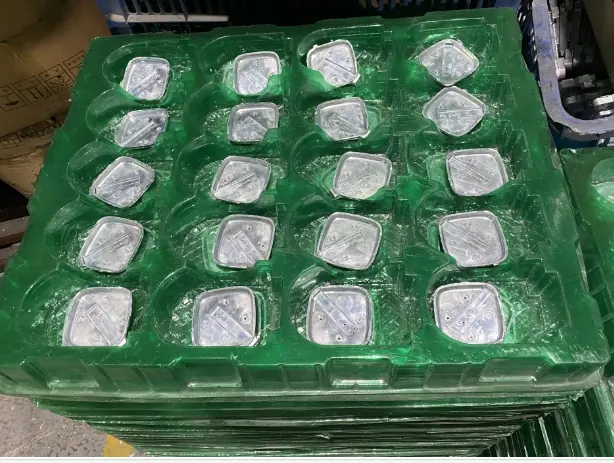
More protective packaging increases material and labor cost, but insufficient protection can lead to damage during transit, resulting in even higher losses.
2. Shipping Methods and Cost Differences
Shipping method plays a major role in overall cost:
- Sea freight is cost-effective for large volumes but has longer lead times
- Air freight is much faster but significantly more expensive
- Urgent orders often require air shipment, which can quickly increase total project cost
Balancing delivery time and transportation cost is an important part of cost control.
3. Supply Chain Coordination
Efficient supply chain management can help reduce both cost and risk:
- Coordinating production schedules with shipping plans avoids unnecessary storage or delays
- Consolidating shipments can reduce logistics cost per unit
- Poor coordination may lead to partial shipments, delays, or increased handling costs
In real projects, strong communication between production, logistics, and the customer is essential to maintain cost efficiency.
Key Takeaway
- Logistics and packaging are part of the total cost—not just an afterthought.
- Choosing the right packaging and shipping method helps balance cost, protection, and delivery time.
- Early planning of logistics can prevent unnecessary expenses and delays later in the project.
💡 IEC MOULD Insight:
“In international projects, a poorly planned shipment can offset all the savings achieved in production. Logistics should always be considered as part of the overall cost strategy.”
How OEM Buyers Can Actually Reduce Die Casting Costs
Looking across all the factors discussed above, one thing becomes clear:
die casting cost is not determined by a single factor, but by how design, tooling, production, and supply chain work together.
From practical experience, the most effective ways to reduce cost include:
- Engaging suppliers early for DFM (Design for Manufacturing) feedback
- Avoiding over-complicated designs and unnecessary tight tolerances
- Aligning production volume with tooling and process planning
- Reducing secondary operations wherever possible
- Focusing on total cost, not just unit price
In many cases, cost savings do not come from negotiating harder—but from making better decisions earlier in the project.
Ready to Optimize Your Die Casting Project?
Understanding cost drivers is just the first step. For OEM buyers who want real savings without compromising quality, IEC MOULD offers:
- DFM feedback to reduce unnecessary machining or secondary operations
- Tooling and process optimization for stable production and high yield
- Transparent cost breakdowns to help you make informed decisions
Talk to our team today and discover how to reduce total aluminum die casting cost while maintaining quality.
📧 Contact us at: [email protected]
📞 Or call: 86 -137-1299-3487
“A short discussion early in the project can prevent weeks of delays and unexpected costs later.”