
When manufacturing metal parts, one of the most common questions is: should you choose die casting or CNC machining? The answer is not always straightforward, and the wrong decision can result in higher costs, longer lead times, or parts that fail to meet performance expectations.
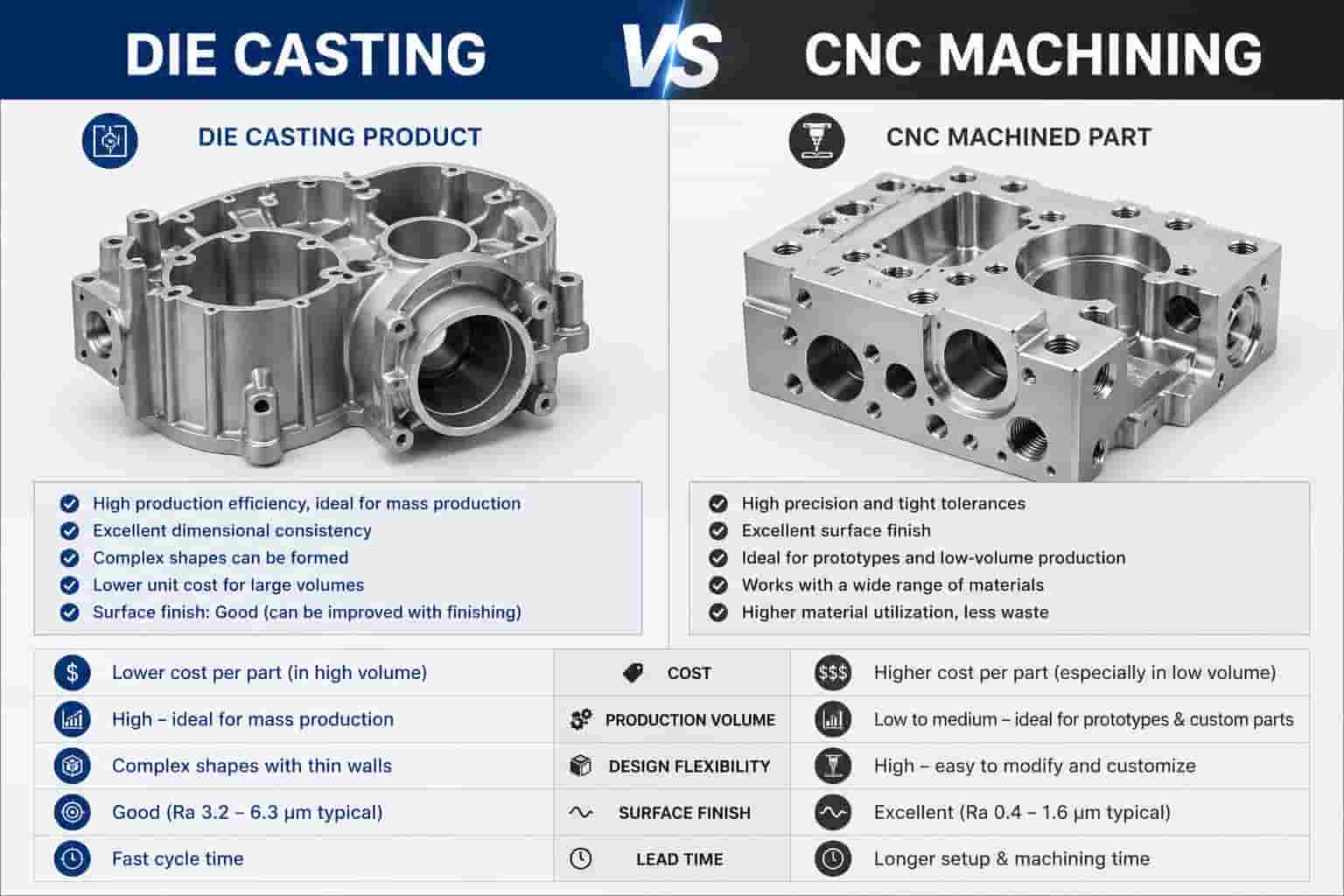
Both die casting and CNC machining are widely used in industries such as automotive, electronics, and industrial equipment, but they serve very different purposes. Die casting is typically preferred for high-volume production with complex geometries, while CNC machining is known for its superior precision and flexibility in low-volume or highly customized parts.
In this guide, we will explore the key differences between die casting and CNC machining—including cost, tolerance, materials, and production volume—so you can clearly understand which process is best suited for your project.
What is Die Casting?
🧩 Definition of Die Casting
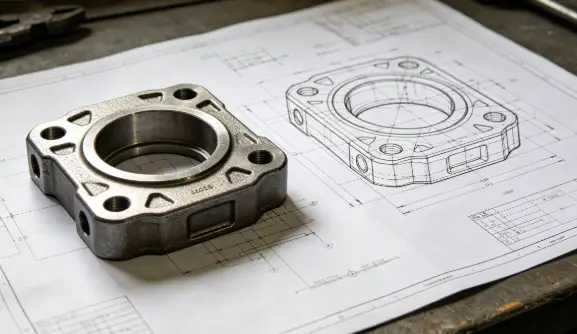
Die casting is a high-pressure metal forming process used to manufacture precise and complex metal parts in large production volumes. In this process, molten metal—typically aluminum, zinc, or magnesium—is injected into a hardened steel mold (called a die) under high pressure. After the metal solidifies, the mold opens and the finished die casting part is ejected.
Compared to other manufacturing methods, die casting offers excellent dimensional consistency, tight tolerances, and smooth surface finishes. This makes it one of the most efficient and widely used solutions for mass production of metal components.
⚙️ How the Die Casting Process Works
The die casting process follows a fast, repeatable cycle designed for efficiency and high output:
- 🛠️ Mold Preparation – The steel die is cleaned and lubricated for easy part release
- 🔥 Molten Metal Injection – Liquid metal is injected into the die under high pressure
- ❄️ Cooling & Solidification – Metal rapidly cools and forms the final shape
- 📤 Ejection – The solidified die casting part is removed from the mold
- ✂️ Trimming & Finishing – Excess material is removed, and optional secondary machining may be applied
This highly automated process enables die casting to produce thousands of identical parts with excellent repeatability, making it ideal for large-scale manufacturing.
🧪 Common Materials Used in Die Casting
Die casting mainly uses non-ferrous metals that have good fluidity and casting performance. The most common materials include:
| Material | Key Advantages | Typical Use Cases |
|---|---|---|
| Aluminum | Lightweight, corrosion-resistant | Automotive, electronic housings |
| Zinc | High strength, excellent detail | Small precision components |
| Magnesium | Extremely lightweight, easy machining | Aerospace, portable devices |
The material selection in die casting directly affects strength, weight, cost, and performance, making it a critical design decision.
🏭 Typical Applications of Die Casting
Thanks to its speed, scalability, and cost efficiency, die casting is widely used across many industries:
- 🚗 Automotive components (engine parts, transmission housings)
- 💻 Electronic device enclosures and heat sinks
- 🏗️ Industrial machinery components
- 🏠 Consumer product housings
In many cases, die casting is chosen because it can produce complex geometries in a single operation, reducing assembly steps and lowering overall manufacturing cost.
👉 Compared to CNC machining, die casting is especially advantageous for high-volume production, where tooling costs can be distributed across large quantities, significantly reducing per-part cost.
What is CNC Machining?
🔧 Definition of CNC Machining
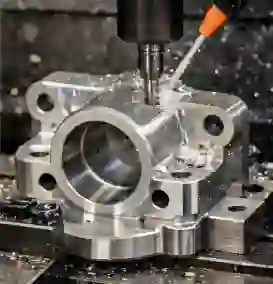
CNC machining (Computer Numerical Control machining) is a subtractive manufacturing process where material is removed from a solid block using computer-controlled cutting tools. Unlike die casting, which forms parts by injecting molten metal into a mold, CNC machining creates components by precisely cutting away excess material until the final geometry is achieved.
Because of its high accuracy and flexibility, CNC machining is widely used for producing complex, tight-tolerance parts—especially in low to medium production volumes. While die casting is optimized for mass production, CNC machining is preferred when precision, customization, and design flexibility are critical.
⚙️ How CNC Machining Works
The CNC machining process is driven by digital design and automated tool control:
- 🧠 CAD Design – A 3D model of the part is created
- 💻 CAM Programming – The model is converted into machine code (G-code)
- 🧱 Material Setup – A solid block of metal or plastic is fixed on the machine
- ⚙️ Machining Operation – Tools such as mills, lathes, or drills remove material
- ✨ Finishing – Optional processes like polishing, anodizing, or coating are applied
Unlike die casting, CNC machining does not require mold tooling, meaning production can start immediately once the design is ready. This makes it especially suitable for rapid prototyping and iterative product development.
🧪 Materials Used in CNC Machining
One of the key advantages of CNC machining over die casting is its wide material compatibility. It can process a broad range of metals and engineering plastics:
| Material Type | Examples | Key Advantages |
|---|---|---|
| Metals | Aluminum, Steel, Titanium | High strength, durability |
| Plastics | ABS, Nylon, PEEK | Lightweight, corrosion resistance |
| Alloys | Brass, Copper | Good conductivity and machinability |
While die casting is typically limited to non-ferrous metals such as aluminum, zinc, and magnesium, CNC machining offers far greater flexibility in material selection, making it ideal for specialized engineering applications.
🏭 Common Applications of CNC Machining
CNC machining is widely used in industries that require high precision, performance, and customization:
- ✈️ Aerospace components (high-precision structural parts)
- 🏥 Medical devices and surgical instruments
- 🚗 Automotive prototypes and custom components
- 💡 Electronics and mechanical assemblies
In many cases, CNC machining is also used together with die casting, such as finishing critical surfaces or adding tight-tolerance features to a die casting part after molding.
👉 In summary, compared to die casting, CNC machining is best suited for low-volume production, prototyping, and applications where precision and material flexibility are more important than unit cost efficiency.
Die Casting vs CNC Machining: Key Differences
When comparing die casting vs CNC machining, the differences go far beyond just how parts are made. Each process has unique strengths in terms of precision, cost, scalability, and design flexibility. Understanding these differences is essential to choosing the right manufacturing method for your project.
Manufacturing Process (Forming vs Subtractive)
⚙️ The most fundamental difference lies in how parts are created:
- Die casting is a forming process, where molten metal is injected into a mold to create the final shape.
- CNC machining is a subtractive process, where material is removed from a solid block.
Because die casting forms parts directly, it is more efficient for producing complex shapes in large quantities. In contrast, CNC machining offers greater control over fine details.
Tolerance and Precision
📏 Precision is a key factor when comparing die casting vs CNC machining:
- CNC machining: up to ±0.025 mm
- Die casting: typically ±0.05–0.1 mm
CNC machining clearly provides higher accuracy. However, modern die casting can still achieve excellent consistency, especially when combined with secondary machining.
Cost Comparison
💰 Cost structure is one of the biggest differences:
- Die casting:
- High upfront tooling cost
- Very low cost per unit at scale
- CNC machining:
- No tooling cost
- Higher per-part cost
👉 This means die casting becomes significantly more cost-effective as production volume increases.

Production Volume
📦 Production scale is where die casting truly stands out:
Production Volume | Best Process |
1 – 500 pcs | CNC Machining |
500 – 5,000 pcs | Depends |
5,000+ pcs | Die Casting |
For high-volume manufacturing, die casting is the preferred choice due to its speed and repeatability.
Complexity and Geometry
🧩 Both processes handle complexity differently:
- Die casting:
- Excellent for thin walls and internal cavities
- Complex geometries in one step
- CNC machining:
- Better for sharp edges and deep features
- Limited for enclosed internal structures
👉 If your design includes internal cavities, die casting is often the better option.
Material Options
🧪 Material flexibility differs significantly:
- CNC machining:
- Wide range (steel, titanium, plastics, etc.)
- Die casting:
- Limited to non-ferrous metals (aluminum, zinc, magnesium)
While CNC machining offers broader options, die casting materials are optimized for high-speed production and excellent casting performance.
Surface Finish
✨ Surface quality also varies:
- CNC machining: smoother finish (Ra 0.8–1.6)
- Die casting: good surface, but may require finishing (Ra 1.6–3.2)
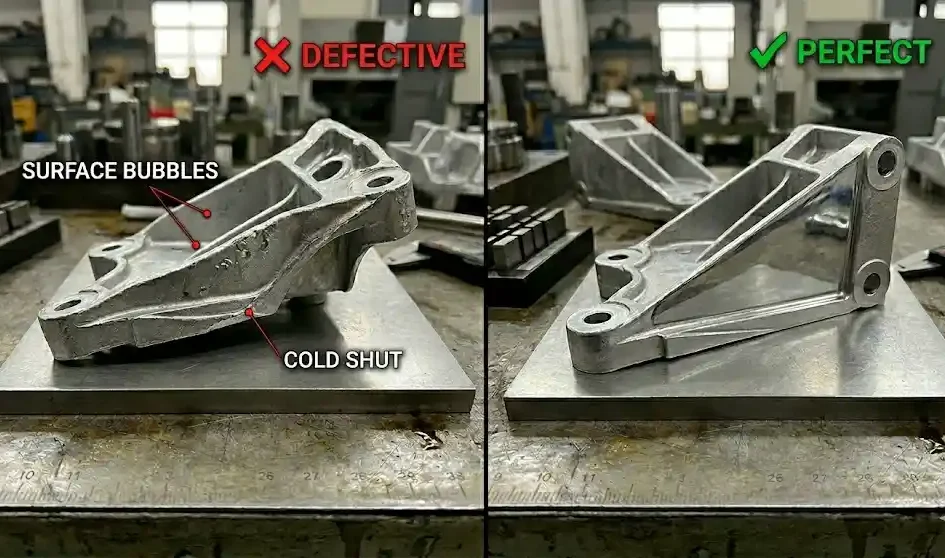
However, die casting can still produce near-net-shape parts, reducing the need for extensive post-processing.
Lead Time
⏱️ Lead time depends heavily on tooling:
- CNC machining:
- Fast start (no tooling required)
- Die casting:
- Mold development: typically 3–8 weeks
Once the mold is ready, die casting offers much faster production cycles compared to CNC machining.
🔍 Quick Comparison Summary
| Factor | Die Casting | CNC Machining |
|---|---|---|
| Process Type | Forming | Subtractive |
| Precision | Medium | High |
| Cost (Low Volume) | High | Lower |
| Cost (High Volume) | Very Low | High |
| Materials | Limited | Wide Range |
| Lead Time | Longer setup | Fast start |
👉 In summary, die casting vs CNC machining is not about which process is better overall—it’s about which one is better for your specific production needs.
Advantages and Disadvantages
Understanding the pros and cons of each process helps you quickly decide between die casting vs CNC machining based on your project priorities.
| Category | Die Casting | CNC Machining |
|---|---|---|
| Advantages | • High efficiency for mass production • Low per-unit cost at scale • Complex shapes in one step• Good surface finish• High repeatability | • Extremely high precision• Wide material selection • No tooling required • Ideal for prototyping and low volume |
| Disadvantages | • High tooling cost upfront • Limited to non-ferrous metals• Design changes are difficult• Lower precision than CNC | • Higher cost per part at scale• More material waste • Slower for complex parts |
👉 In short, die casting offers cost and efficiency advantages for large-scale production, while CNC machining provides flexibility and precision for smaller runs.
When to Choose Die Casting vs CNC Machining
Choosing between die casting vs CNC machining ultimately depends on your production volume, design requirements, and cost targets. Each process excels in different scenarios, and selecting the right one can significantly impact both performance and profitability.
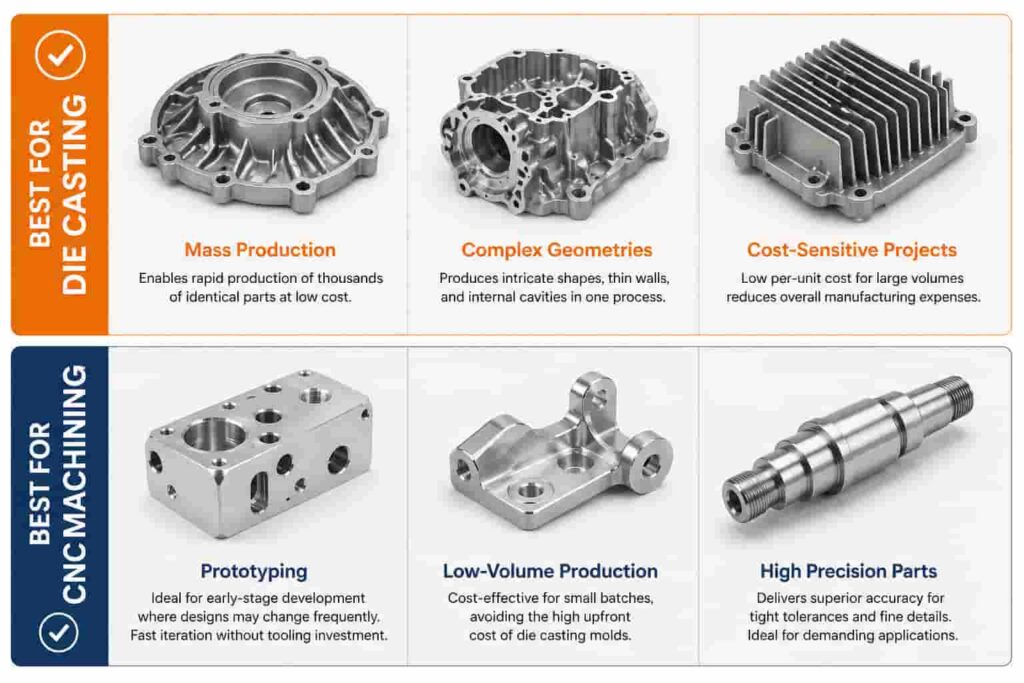
Best Scenarios for Die Casting
Best Scenarios for CNC Machining
Die casting becomes the preferred option when scale and cost efficiency matter most:
- Mass production
Once tooling is built, die casting enables rapid production of thousands of identical parts at low cost. - Complex geometries
Die casting can produce intricate shapes, thin walls, and internal cavities in a single process. - Cost-sensitive projects
For large volumes, the low per-unit cost of die casting significantly reduces overall manufacturing expenses.
👉 In these scenarios, die casting offers unmatched efficiency and consistency, making it ideal for scaling production.
CNC machining is the better choice when flexibility and precision are critical:
- Prototyping
Ideal for early-stage development where designs may change frequently. CNC machining allows fast iteration without tooling investment. - Low-volume production
For small batches, CNC machining avoids the high upfront cost of die casting molds. - High precision parts
When tight tolerances and fine details are required, CNC machining delivers superior accuracy compared to die casting.
👉 In these cases, CNC machining provides speed, flexibility, and precision that die casting cannot match in early production stages.
✔️ Quick takeaway:
Start with CNC machining for flexibility and prototyping, then transition to die casting as your design stabilizes and production volume increases.
Cost Breakdown: Die Casting vs CNC Machining
Cost is often the deciding factor when choosing between die casting vs CNC machining. While both processes can produce high-quality parts, their cost structures are fundamentally different.
Tooling Costs
💰 Tooling is where the biggest upfront difference lies:
- Die casting requires a custom steel mold (die), which can cost thousands to tens of thousands of dollars.
- CNC machining requires no tooling, allowing production to start immediately.
👉 This makes die casting a higher initial investment, but essential for large-scale production.
Per Unit Cost
📉 The cost per part behaves very differently:
- Die casting:
- Very low per-unit cost once tooling is amortized
- Ideal for high-volume runs
- CNC machining:
- Higher per-part cost due to machining time and material waste
👉 As volume increases, die casting becomes significantly more economical.
Long-Term Cost Efficiency
📊 Over the long run, die casting offers clear cost advantages:
Production Stage | More Cost-Effective Option |
Prototype / Low Volume | CNC Machining |
Medium Volume | Depends |
High Volume | Die Casting |
Although die casting starts with higher upfront costs, its scalability and efficiency lead to much lower total cost per part in mass production.
✔️ Key takeaway:
If your project involves small batches or frequent design changes, CNC machining is more cost-effective. But for stable designs and large volumes, die casting delivers the best long-term value.
Combining Die Casting and CNC Machining
In many real-world projects, the choice isn’t strictly die casting vs CNC machining—it’s a combination of both. By leveraging the strengths of each process, manufacturers can achieve optimal cost, precision, and efficiency.
Secondary Machining After Die Casting
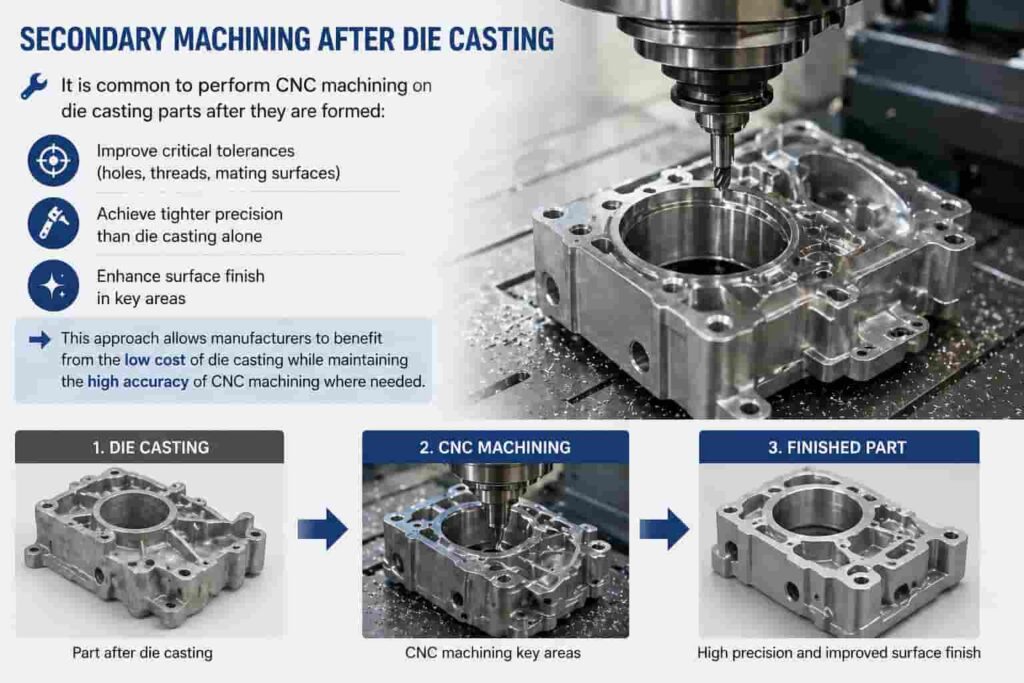
🔧 It is common to perform CNC machining on die casting parts after they are formed:
- Improve critical tolerances (holes, threads, mating surfaces)
- Achieve tighter precision than die casting alone
- Enhance surface finish in key areas
👉 This approach allows manufacturers to benefit from the low cost of die casting while maintaining the high accuracy of CNC machining where needed.
Hybrid Manufacturing Strategy
⚙️ A hybrid approach combines both processes strategically:
- Use CNC machining for prototyping and design validation
- Optimize the design for manufacturability (DFM)
- Transition to die casting for mass production
- Apply secondary CNC machining for critical features
This workflow ensures flexibility in early stages and cost efficiency in large-scale production, making die casting more effective when scaling up.
Real-World Use Cases
🏭 Many industries rely on this combined approach:
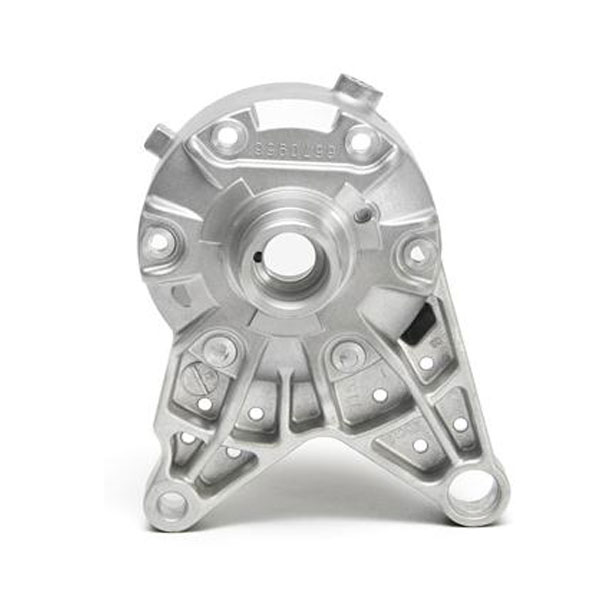
- Automotive:
Engine housings produced by die casting, with CNC machining for precision interfaces - Electronics:
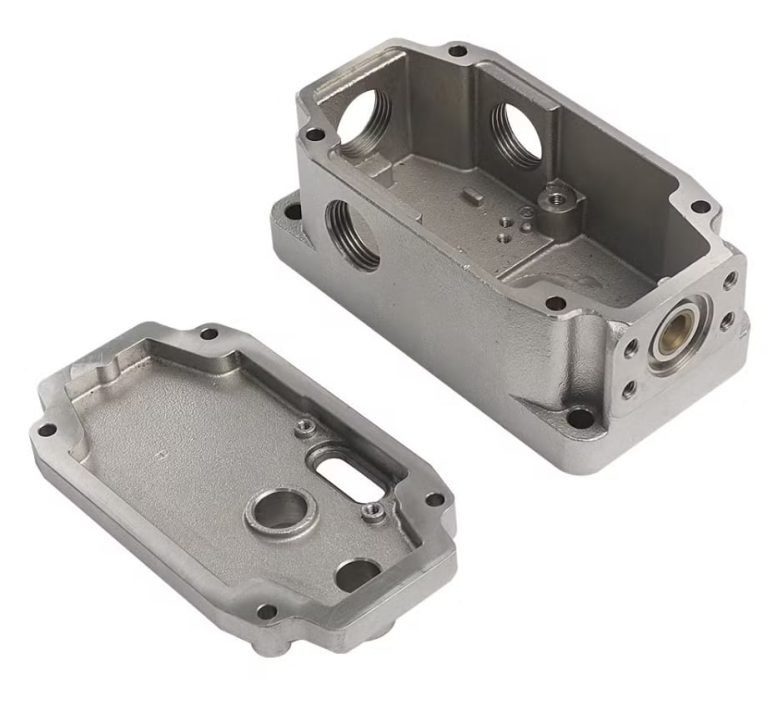
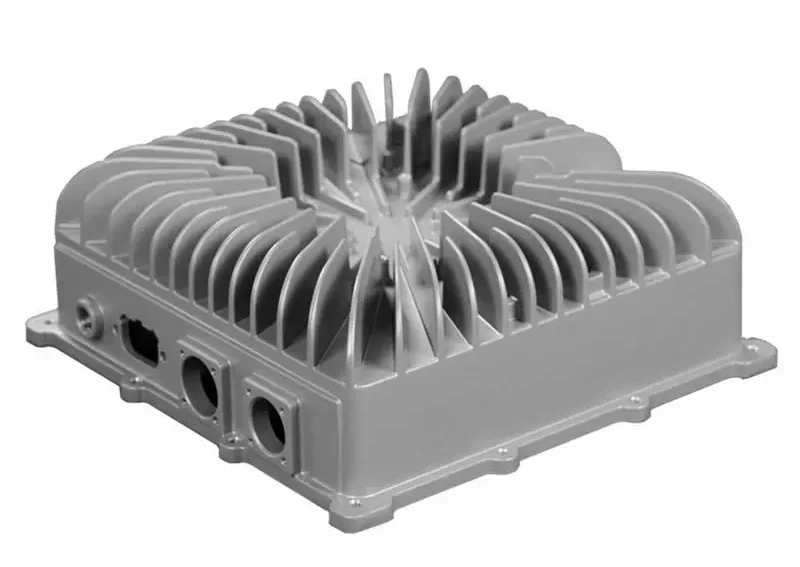
Aluminum enclosures made via die casting, followed by machining for connectors and mounting points - Industrial equipment:
Structural components formed by die casting, then refined with CNC machining
👉 In these applications, die casting provides speed and cost advantages, while CNC machining ensures performance-critical accuracy.
✔️ Key takeaway:
Instead of choosing between die casting vs CNC machining, combining both processes often delivers the best balance of cost, precision, and scalability.
How to Choose the Right Process
Choosing between die casting vs CNC machining is ultimately a decision based on your product requirements, budget, and production goals. There is no one-size-fits-all answer, but a structured evaluation can help you select the most suitable manufacturing process.
Key Questions to Ask
Before deciding between CNC machining and die casting, ask the following:
- What is your expected production volume?
- Do you need high precision or is moderate tolerance acceptable?
- Is your design final, or will it change in the future?
- What is your target cost per part?
- Are there complex geometries or internal structures in the design?
👉 These questions help quickly determine whether die casting or CNC machining is the better fit for your project.
Decision-Making Checklist
📋 A simple checklist can further clarify your choice:
| Scenario | CNC Machining | Die Casting |
|---|---|---|
| Prototype / early design | ✔ | ✖ |
| Mass production | ✖ | ✔ |
| High precision | ✔ | △ |
| Low unit cost at scale | ✖ | ✔ |
| Design flexibility | ✔ | △ |
This checklist helps engineers and buyers quickly evaluate die casting vs CNC machining without overcomplicating the decision.
Volume vs Cost Threshold
📊 One of the most important factors in choosing die casting vs CNC machining is production volume:
- Low volume (1–500 pcs): CNC machining is more economical due to zero tooling cost
- Medium volume (500–5,000 pcs): depends on part complexity and budget
- High volume (5,000+ pcs): die casting becomes significantly more cost-effective
Once production reaches a certain scale, the upfront tooling cost of die casting is quickly offset by its low per-unit cost, making it the preferred solution for mass production.
✔️ Key takeaway:
The right choice between die casting vs CNC machining depends on balancing precision, cost, and volume. Use CNC machining for flexibility and early-stage development, and switch to die casting when scaling into stable, high-volume production.
Conclusion: CNC Machining or Die Casting?
After comparing die casting vs CNC machining across cost, precision, materials, and production volume, it becomes clear that the best choice depends entirely on your project requirements rather than a single “better” process.
Final Comparison Summary
In general:
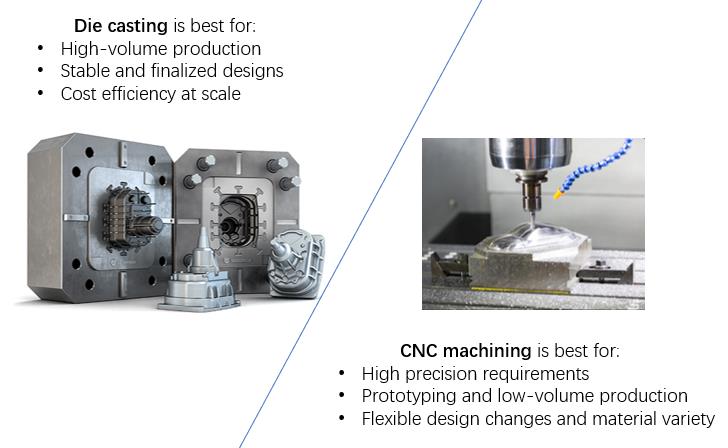
- CNC machining is best for:
- High precision requirements
- Prototyping and low-volume production
- Flexible design changes and material variety
- Die casting is best for:
- High-volume production
- Stable and finalized designs
- Cost efficiency at scale
👉 In short, CNC machining offers flexibility and accuracy, while die casting delivers speed and cost advantages for mass production.
Quick Decision Guide
If you are still deciding between die casting vs CNC machining, use this simple guide:
- Need fast prototype → CNC machining
- Need tight tolerances → CNC machining
- Need large-scale production → die casting
- Need lowest cost per part → die casting
- Need frequent design changes → CNC machining
This framework helps quickly match your project to the right manufacturing process.
Call to Action (Get a Quote / DFM Support)
If you are unsure whether die casting vs CNC machining is the right choice for your project, our engineering team can help you evaluate your design and optimize it for manufacturing.
We provide professional support in die casting, CNC machining, and DFM (Design for Manufacturability) analysis to help you reduce cost and improve production efficiency.
Company: IEC Mould Engineering Making Ltd
Email: [email protected]
Tel: +86-0769-85336570
Website: https://castingstool.com / www.iec-mould.com
👉 Contact us today to get a free consultation or quotation for your project.