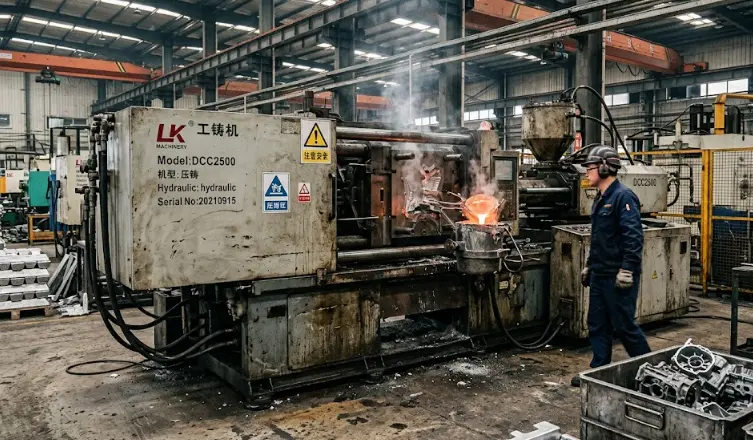
In aluminum casting, most buyers focus on part price. Experienced engineers look somewhere else first: the aluminum casting mold.
The reason is simple. The mold material directly determines:
- Tooling life (how many shots you get before failure)
- Scrap rate (porosity, leakage, dimensional instability)
- Production consistency (cycle time, thermal stability)
Two molds with identical designs can deliver completely different results depending on material selection. In actual projects, the total tooling cost can vary by 2–3×, purely due to choosing the wrong aluminum casting mold material.
Here’s the key insight:
Choosing the right aluminum casting mold is not about price—it’s about lifecycle cost, thermal performance, and production stability.
This guide ranks 7 proven materials and, more importantly, shows you how to make the right engineering decision.
What Really Determines Mold Material Performance?
Most articles list hardness or strength. That’s not enough. In real aluminum casting mold applications, four engineering factors matter more.
1. Thermal Fatigue Resistance (Why Molds Crack Early)
Aluminum is typically injected at temperatures above 650°C. Each cycle creates rapid heating and cooling. Over time, this leads to:
- Heat checking (surface micro-cracks)
- Crack growth over time
- Premature mold failure
Higher-grade steels like H13 and 8407 perform better because they resist these thermal cycles.
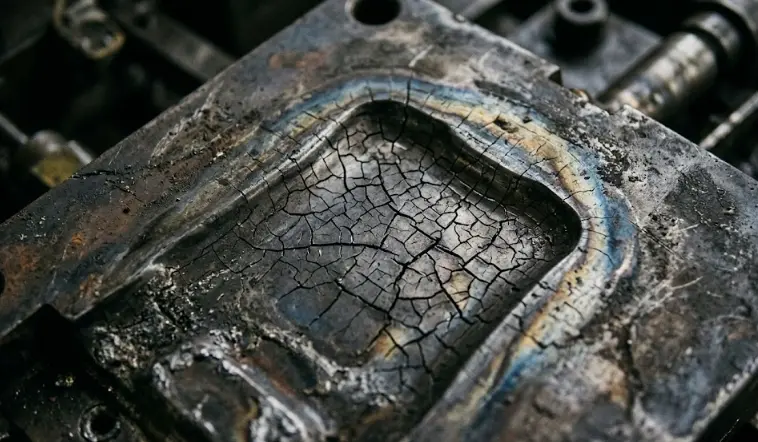
Material properties such as thermal fatigue resistance directly affect mold life and performance.
These behaviors are widely studied in materials engineering platforms like AZoM.
2. Heat Dissipation & Cycle Stability
Efficient heat transfer improves:
- Shorter cycle times
- More stable solidification
- Reduced internal defects
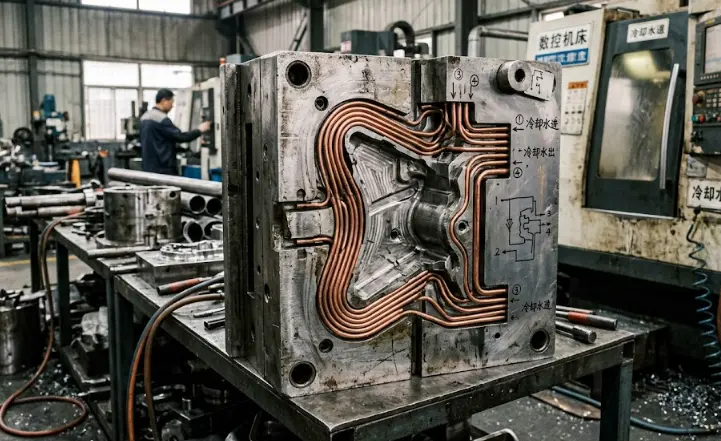
This is why some die aluminum casting mold materials integrate copper alloys in inserts—to accelerate cooling in critical areas.
3. Structural Integrity Under Pressure
High pressure die casting (HPDC) can exceed 100 MPa. Weak materials deform, leading to:
- Flash issues
- Dimensional variation
- Seal surface failure
Material strength must match the process, not just the design.
4. Machinability & Maintenance Cycles
Harder materials last longer—but are harder to machine and repair.
Long-term cost depends on:
- Repair frequency
- Downtime
- Maintenance complexity
In long-term production, maintenance frequency often matters more than initial material price.
How We Ranked These 7 Mold Materials
This ranking reflects real production conditions—not theoretical data.
We evaluated each aluminum casting mold material using:
- Durability (thermal fatigue + tool life)
- Cost (material + machining + maintenance)
- Production volume suitability
- Casting process compatibility
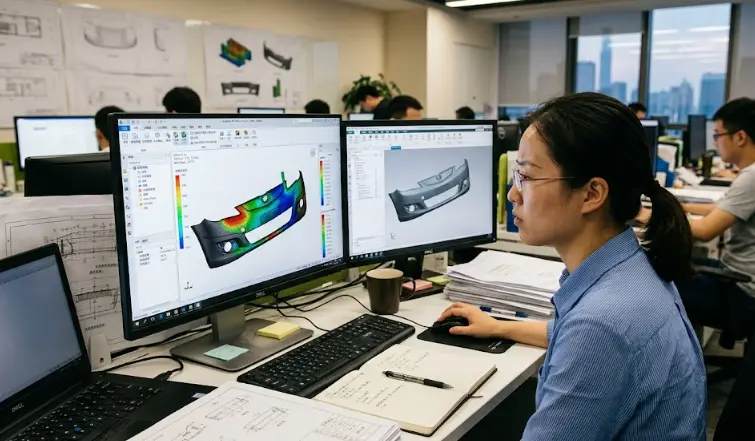
For high-volume applications, H13 is widely used in professional IEC Mould die aluminum casting mold manufacturing.
7 Proven Aluminum Casting Mold Materials
1. H13 Tool Steel — Best for High-Volume Production
Typical Performance Range (Real Production Data):
- Hardness: 44–48 HRC
- Thermal fatigue resistance: Excellent
- Tool life: 150,000 – 300,000+ shots
- Heat resistance: up to ~600°C working stability
Why it performs well:
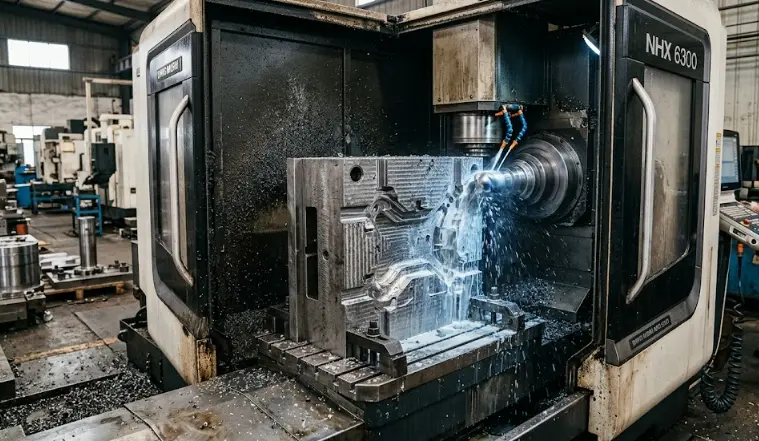
H13 maintains structural stability under repeated thermal cycling, making it the most reliable choice for high-pressure aluminum casting molds.
📈 Trade-offs:
- 20–40% higher tooling cost vs P20
- Longer machining and heat treatment time
✅ When it is the right choice:
- Annual volume exceeds 100,000 pcs
- Thin-wall or high-pressure components
- Projects where downtime cost is critical
2. 8407 Steel — Premium Durability for Extreme Conditions
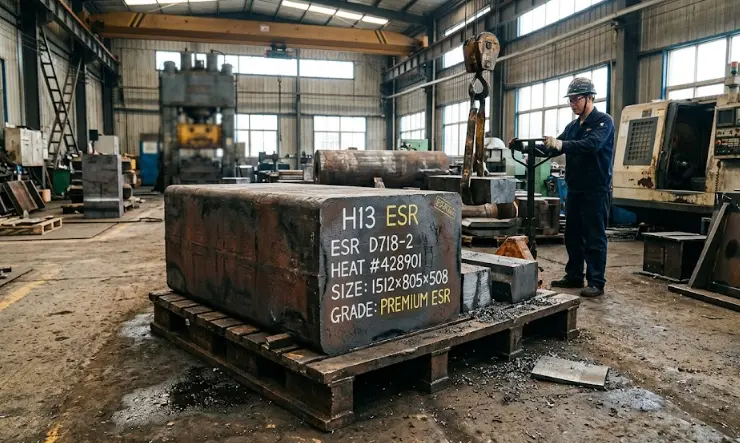
8407 (ESR grade) is essentially a cleaner, more refined version of H13.
Strengths:
- Superior crack resistance
- Higher purity (fewer inclusions)
- Longer lifespan under extreme conditions
Limitations:
- Expensive
- Overkill for low-volume projects
✅ Best for:
- Demanding applications
- Long lifecycle tooling
3. 2344 Steel — Precision and Surface Finish Applications
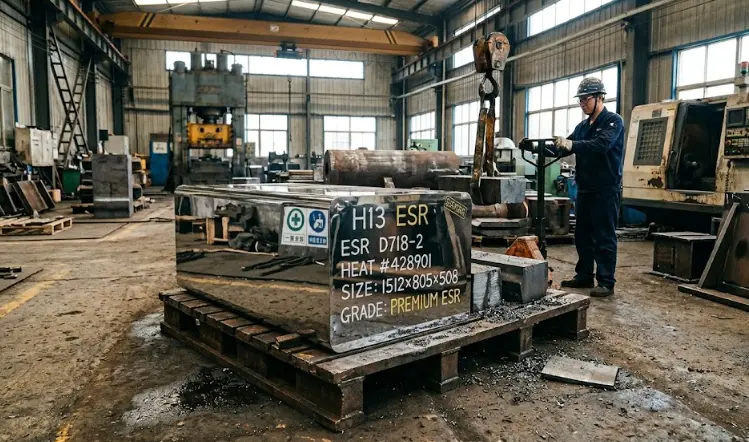
2344 is widely used where surface quality matters.
Strengths:
- Good polishability
- Stable mechanical properties
- Reliable performance in medium-to-high volume
Limitations:
- Slightly lower durability than premium ESR steels
✅Best for:
- Cosmetic parts
- Tight tolerance components
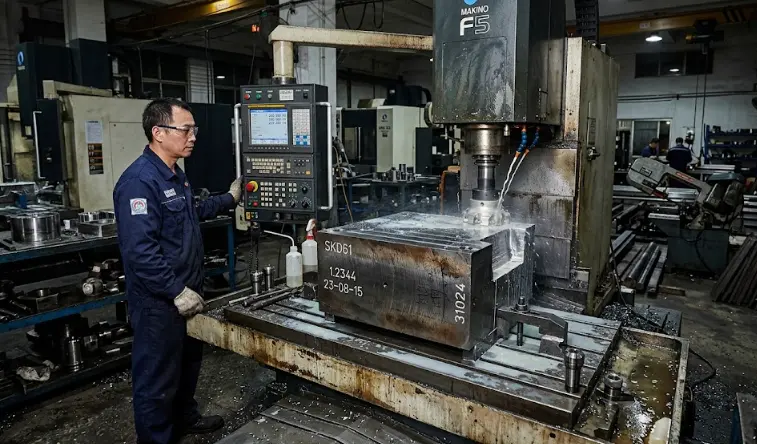
4. SKD61 — Balanced Performance and Cost
SKD61 is often considered the Japanese equivalent of H13.
Strengths:
- Good balance of durability and cost
- Widely available
- Stable performance
Limitations:
- Slight variation depending on supplier quality
✅Best for:
- Mid-to-high volume production
- Cost-sensitive projects
5. 718 Steel — Improved P20 Alternative
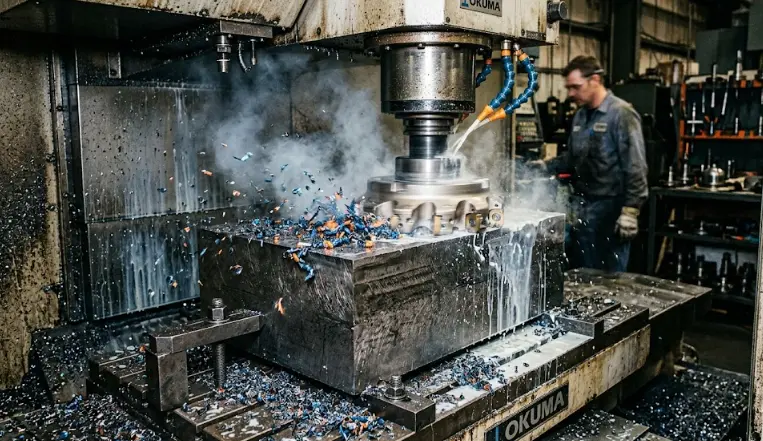
718 is a strengthened version of P20.
Strengths:
- Better hardness than P20
- Reasonable durability
- Good machinability
Limitations:
- Not suitable for very high thermal loads
✅Best for:
- Medium production runs
- Structural parts with moderate complexity
6. P20 Steel — Cost-Effective for Medium Volume
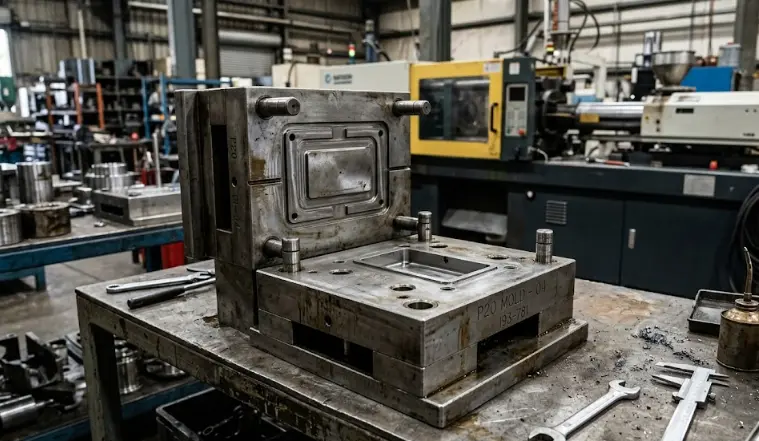
P20 is widely used due to its affordability.
Strengths:
- Easy to machine
- Low material cost
- Short lead time
Limitations:
- Poor thermal fatigue resistance
- Shorter tool life
✅Best for:
- Medium volume production
- Simpler geometries
7. Cast Iron — Best for Prototyping and Low Volume
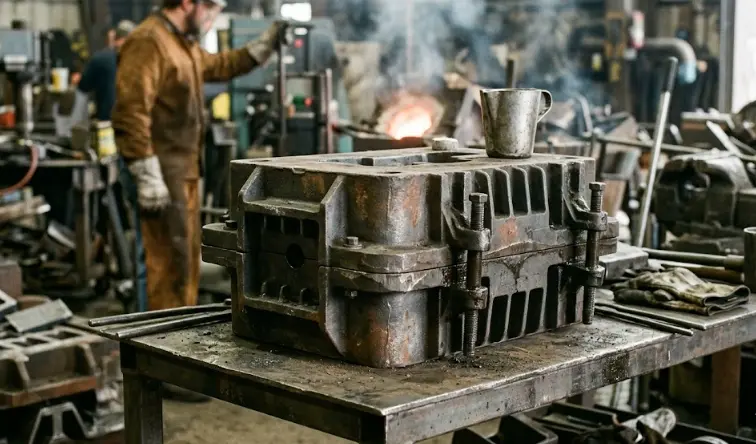
Cast iron is rarely used for high-pressure die casting but still has its place.
Strengths:
- Very low cost
- Easy to process
Limitations:
- Short lifespan
- Limited strength
✅Best for:
- Prototyping
- Gravity casting
- Low-pressure applications
Real Cost Comparison — Why Cheaper Mold Materials Often Cost More
Typical Production Scenario (100,000 Parts)
| Material | Tool Cost | Tool Life | Total Tooling Cost |
|---|---|---|---|
| P20 | $8,000 | 50,000 shots | $16,000 |
| H13 | $12,000 | 200,000 shots | $12,000 |
👉 Key insight:
A low-cost aluminum casting mold material can double your total cost due to shorter tool life and higher maintenance.
Quick Comparison: Durability vs Cost vs Application
| Material | Durability | Cost | Best Use |
|---|---|---|---|
| H13 | ★★★★★ | $$$$ | High volume |
| 8407 | ★★★★★+ | $$$$ | Extreme conditions |
| 2344 | ★★★★ | $$$ | Precision parts |
| SKD61 | ★★★★ | $$$ | Balanced use |
| 718 | ★★★ | $$ | Medium volume |
| P20 | ★★★ | $$ | Cost-sensitive |
| Cast Iron | ★★ | $ | Prototype |
How to Choose the Right Aluminum Casting Mold Material
Choosing the right aluminum casting mold is not about picking the strongest material—it’s about matching the material to your production reality.
1. Based on Production Volume
- Prototype (<10,000 pcs): Cast iron, P20
- Medium (10k–100k): 718, SKD61
- High (>100k): H13, 8407
2. Based on Part Complexity
- Complex internal channels → Higher-grade steel
- Thin walls → Better thermal control materials
- Simple parts → Cost-driven selection
3. Based on Quality Requirements
- Tight tolerances → 2344, H13
- Cosmetic surfaces → Polishable steels
- Structural parts → High durability materials
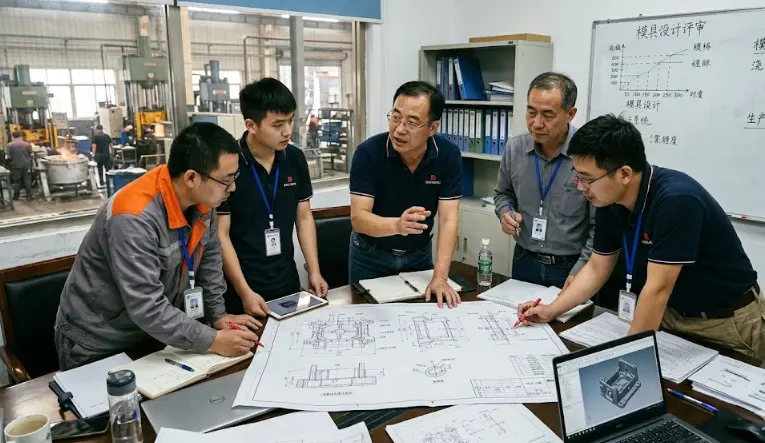
What Happens When the Wrong Mold Material Is Used?
Selecting the wrong aluminum casting mold material doesn’t just reduce tool life—it creates a chain reaction of production issues that are expensive to diagnose and even harder to fix once the mold is already in operation.
Below is a real-world failure scenario that illustrates what actually happens on the shop floor.
1️⃣ Case Study: Premature Mold Failure in Pump Housing Production
Project Background:
- Part: Aluminum pump housing
- Process: High pressure die casting (HPDC)
- Annual volume: ~120,000 pcs
- Key requirement: Pressure tightness (leak-free)
2️⃣ Initial Mold Setup
- Mold material: P20 steel
- Reason for selection: Lower upfront tooling cost (~30% cheaper than H13)
- Mold design: Standard cooling layout, no advanced thermal simulation
3️⃣ What Went Wrong (After ~20,000 Shots)
Within the first production cycle, several issues started to appear:
1. Thermal Fatigue Cracking
- Visible heat checking on cavity surface
- Micro-cracks formed in high thermal load zones (gate area, thin walls)
- Cracks propagated rapidly due to repeated thermal cycling
👉 Root cause:
P20 lacks sufficient thermal fatigue resistance for high-pressure aluminum casting.
2. Leakage Defects Increased
- Internal porosity increased near critical sealing surfaces
- Leak test failure rate exceeded 8–12%
👉 Root cause:
Surface cracks + unstable solidification led to gas entrapment and micro-leak paths.
3. Dimensional Instability
- Mold deformation caused:
- Flash formation
- Poor parting line sealing
- Secondary machining increased
👉 Root cause:
Insufficient hot strength under repeated pressure and temperature loading.
4. Maintenance Frequency Spiked
- Mold required polishing and repair every 5,000–8,000 shots
- Unplanned downtime increased significantly
👉 Root cause:
Rapid surface degradation due to poor wear and heat resistance.
4️⃣ Total Impact on Production
- Scrap rate increased from <3% to 10%+
- Mold required major repair after ~25,000 shots
- Total cost exceeded original “cheap tooling” savings within weeks
The initial 30% savings in mold cost resulted in over 2× higher total production cost.
5️⃣ Corrective Action
The mold was redesigned and rebuilt using:
- H13 tool steel for cavity and core
- Optimized cooling channels (based on simulation)
6️⃣ Results After Optimization
- Tool life extended to 180,000+ shots
- Scrap rate reduced by over 60%
- Leak failure rate dropped below 2%
- Maintenance interval increased to 20,000+ shots
7️⃣ Key Engineering Takeaways
- Mold failure is rarely caused by a single factor—it’s usually a combination of material limitation + thermal design issues
- Using a lower-grade aluminum casting mold material in high-stress applications leads to:
- Faster crack initiation
- Process instability
- Exponential cost increase
In high-volume die casting, material selection should be based on failure risk—not initial tooling cost.
8️⃣ When Wrong Material Selection Is Most Dangerous
You are most likely to face severe issues if your part has:
- Thin walls with high thermal gradients
- Internal flow channels (e.g., pump or valve bodies)
- Sealing surfaces requiring leak tightness
- High annual production volume
In these cases, selecting the wrong die casting mold material doesn’t just reduce performance—it can compromise the entire project.
Hybrid Mold Material Strategy (Used by Top Manufacturers)
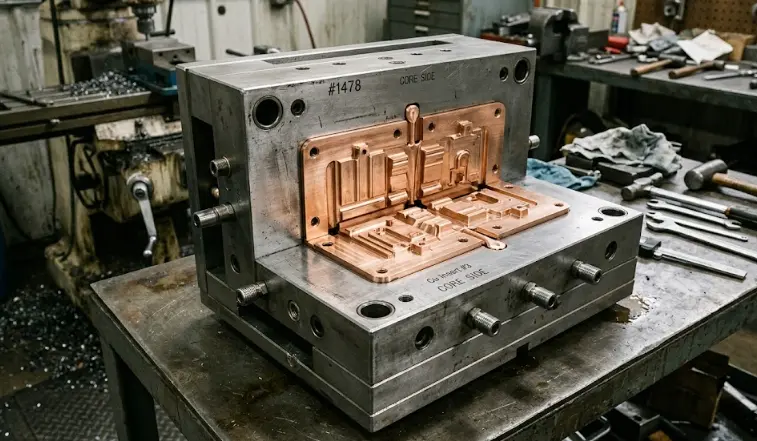
Advanced aluminum casting molds rarely use a single material.
Typical combination:
- H13 → core and high-stress areas
- Copper alloys → cooling inserts
- P20 → non-critical structures
Benefits:
- Lower total tooling cost
- Faster cooling
- Extended mold life
How IEC Mould Optimizes Aluminum Casting Mold Selection
At IEC Mould, material selection is not isolated—it’s part of a complete engineering system.
1. Engineering-Driven Selection
We evaluate:
- Flow behavior
- Thermal distribution
- Structural stress
2. Mold Flow Simulation
- Identifies hot spots
- Optimizes cooling layout
- Reduces defects
3. Material + Cooling Co-Design
Instead of over-specifying material, we optimize:
- Cooling channels
- Insert placement
👉 This often extends mold life by 20–50%
4. Integrated Manufacturing
We provide:
- Mold design & manufacturing
- Aluminum die casting
- CNC machining
- Surface finishing
Work With IEC Mould — Engineering First, Not Guesswork
At IEC Mould, we don’t simply recommend a standard aluminum casting mold material.
We evaluate your project based on:
- Part geometry
- Production volume
- Thermal load and failure risk
Then we define a material + structure + cooling strategy that minimizes total lifecycle cost.
🛠Get a Data-Driven Recommendation
If you’re planning a new project or experiencing mold issues, the fastest way to improve results is to start with the right data.
- 3D drawings (STEP / IGES)
- Annual volume
- Application requirements
We’ll provide a free engineering evaluation and recommend the most suitable mold material and design strategy.
Conclusion — The Right Material Is a Strategic Decision
There is no universal “best” aluminum casting mold material—only the one that fits your production conditions.
In real-world aluminum die casting, the wrong material choice doesn’t just reduce tool life. It leads to:
- Early thermal fatigue failure
- Increased scrap rates and leakage issues
- Higher maintenance frequency and downtime
And most importantly—it increases your total cost per part, even if the initial tooling price is lower.
🟩A Practical Selection Summary
- High-volume production (>100,000 parts)
→ H13 or 8407 for long tool life and stability - Medium-volume projects (20,000–100,000 parts)
→ SKD61 or 718 for balanced cost-performance - Prototype or low-volume production (<20,000 parts)
→ P20 or cast iron to minimize upfront investment
🟩The Key Engineering Insight
In aluminum casting, material selection should be based on failure risk and lifecycle cost—not just upfront tooling price.
In many cases, upgrading from a lower-grade die aluminum casting mold material to H13 can:
- Extend tool life by 2–4×
- Reduce scrap rate by 30–60%
- Lower total production cost significantly over time
🟩Beyond Material: What Actually Determines Mold Performance
Top-performing manufacturers don’t rely on material alone. They combine:
- Proper aluminum casting mold material selection
- Optimized cooling design
- Mold flow simulation
- Insert-based material strategies
Because in practice:
- Mold performance is the result of engineering integration—not just material grade.
FAQ
What is the best material for aluminum die casting molds?
H13 is generally the best for high-volume production due to its durability and thermal resistance.
How long does an aluminum casting mold last?
Depending on material and process, tool life ranges from 10,000 to over 300,000 cycles.
Is P20 suitable for aluminum casting?
Yes, but only for medium or low-volume applications due to limited heat resistance.
Why do molds crack during production?
Mainly due to thermal fatigue, poor cooling design, or incorrect material selection.
How can I reduce mold cost without sacrificing quality?
By selecting the right material based on volume and using simulation to optimize design.