
In industrial manufacturing, pump casting and valve casting are often grouped together under “fluid system components.” However, from an engineering and production perspective, they are fundamentally different in design logic, casting difficulty, and quality control priorities.
Many buyers assume that a supplier capable of valve body casting can also handle complex pump housing casting. In reality, the internal geometry, flow requirements, and defect sensitivity of pump components demand a completely different manufacturing approach.
At its core:
- Pump casting focuses on fluid movement efficiency and internal flow integrity
- Valve casting focuses on flow control accuracy and sealing reliability
This article breaks down 12 critical differences between pump casting and valve casting, based on real manufacturing experience. If you are sourcing a pump casting manufacturer or evaluating casting processes, this guide will help you avoid costly mistakes.
What is Pump Casting? (From an Engineering Perspective)
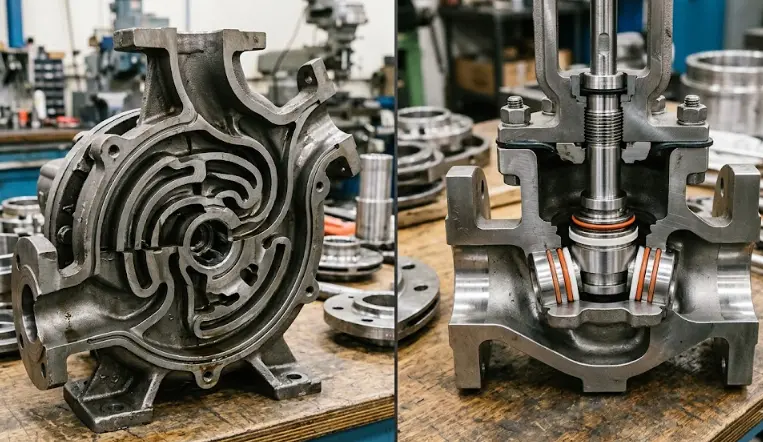
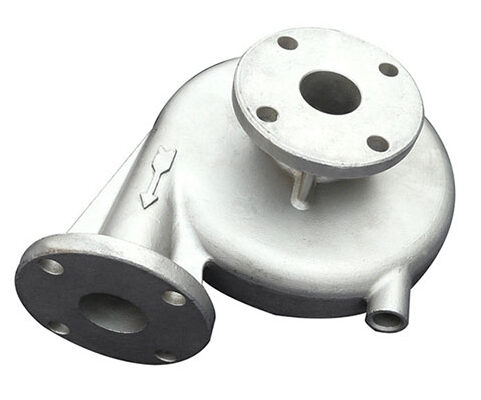
Pump casting refers to the production of pump components—primarily pump housings—through casting processes such as sand casting, investment casting, or in some cases, die casting. Unlike simple structural castings, pump casting parts are defined by their internal flow channels, which directly determine hydraulic performance.
1. Internal Structure and Design Logic
A typical pump housing casting includes:
- Curved internal flow passages
- Impeller chamber
- Inlet and outlet transitions
These features are not cosmetic—they control velocity distribution, turbulence, and pressure loss. Even small deviations in geometry can reduce pump efficiency significantly.
2. Engineering Priorities in Pump Casting
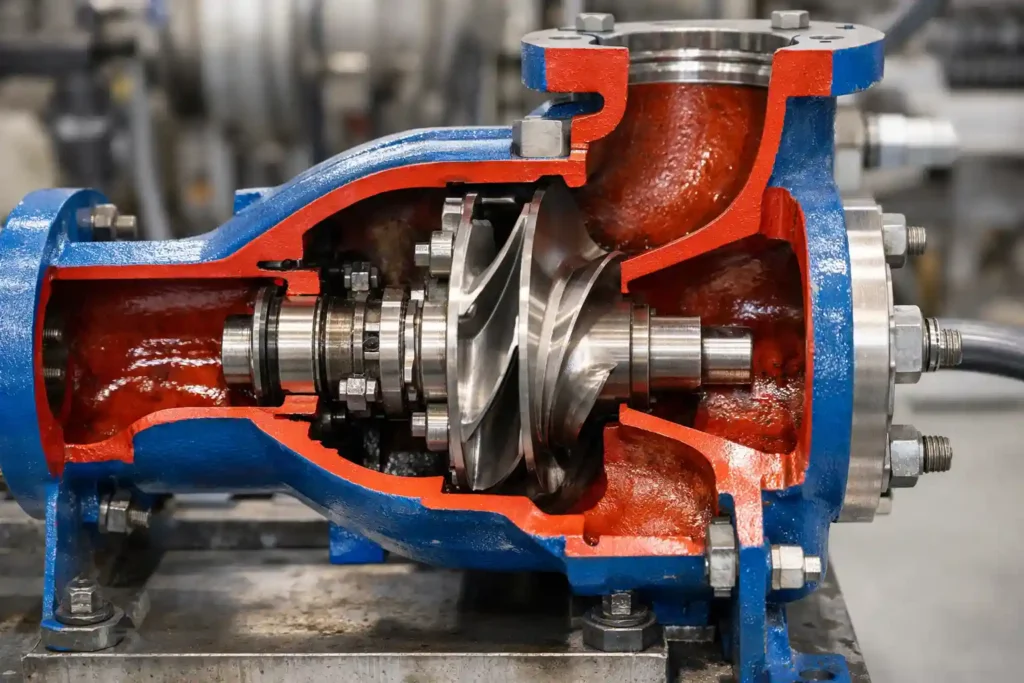
From a manufacturing standpoint, successful pump casting production depends on:
- Maintaining smooth and continuous internal flow paths
- Preventing porosity in critical flow regions
- Ensuring dimensional stability of large, thin-wall sections
This is why complex cavity casting techniques and core design are central to pump manufacturing.
What is Valve Casting? (Precision & Sealing Focus)
While pump casting is driven by flow efficiency, valve casting is governed by sealing performance and pressure containment.
A valve body casting typically includes:
- Flow channel (simpler than pumps)
- Valve seat (critical sealing interface)
- Connection ends (flanged or threaded)
The biggest difference from pump casting lies here:
- Sealing surface precision is critical
- Material density directly affects leakage risk
- Machining accuracy often reaches micron-level tolerances
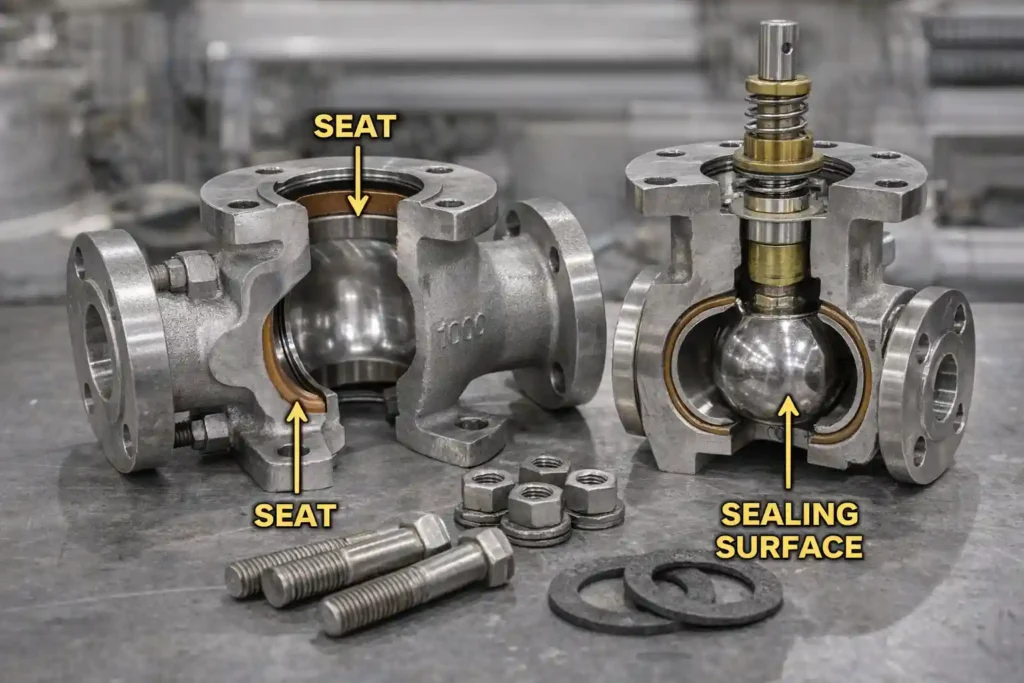
In high-pressure applications, even microscopic casting defects can lead to failure. This makes valve casting manufacturing more sensitive to material integrity than geometry complexity.
Quick Comparison:Pump Casting vs Valve Casting
| Aspect | Pump Casting | Valve Casting |
|---|---|---|
| Function | Fluid transportation | Flow control |
| Internal Structure | Complex flow channels | Sealing-focused |
| Key Requirement | Flow efficiency | Leak-tight sealing |
| Pressure Type | Dynamic pressure | Static pressure |
| Machining Focus | Internal passages | Sealing surfaces |
| Risk Factors | Porosity in flow path | Leakage at sealing face |
| Cost Driver | Mold complexity | Machining precision |
12 Critical Differences Between Pump Casting and Valve Casting
To an experienced engineer, these two components represent entirely different boundary conditions. Here are the 12 technical pivots that define their quality.
1. Functional Purpose Drives Design
The most fundamental difference between pump and valve casting lies in function.
- Pump components convert mechanical energy into fluid movement
- Valves regulate or stop that movement
Because of this, pump casting design prioritizes smooth flow transitions, while valve casting prioritizes tight shut-off capability.
2. Internal Geometry Complexity
In pump casting, internal geometry is significantly more complex.
Pump housings often require:
- Multi-directional curved channels
- Thin-wall sections
- Complex core assemblies
This increases the risk of:
- Core shift
- Misalignment
- Internal defects
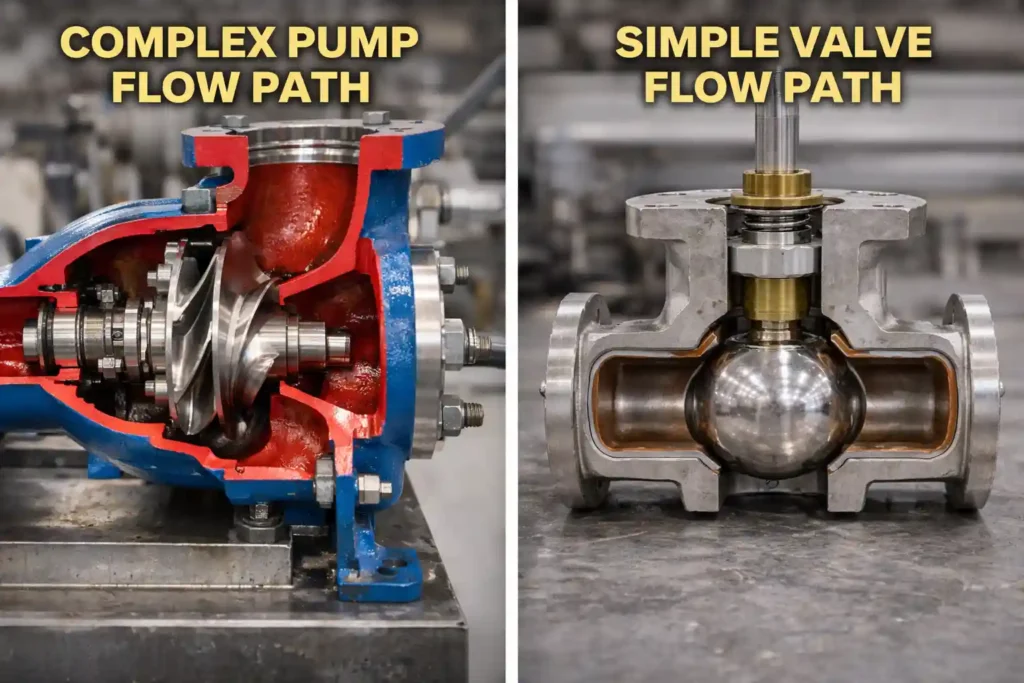
By contrast, valve casting typically uses more straightforward internal passages.
3. Flow Dynamics vs Flow Control
A key distinction:
- Pump casting → fluid dynamics problem
- Valve casting → flow control problem
In pump components, poor casting quality can cause turbulence, cavitation, and efficiency loss.
In valve components, the same defect may not affect flow—but it will compromise sealing.
4. Sealing Surface Precision (Critical Difference)
Valve casting requires extremely high precision at sealing interfaces.
Problems often seen in valve projects:
- Warped sealing surfaces after casting
- Insufficient machining allowance
- Surface porosity leading to leakage
In contrast, pump casting generally tolerates slightly lower surface precision, as long as flow integrity is maintained.
5. Pressure Resistance Requirements
Valve bodies are often designed to withstand higher static pressure.
This means:
- Higher material strength requirements
- Greater need for internal density
- More stringent inspection standards
Pump casting, especially for centrifugal pumps, focuses more on dynamic performance over time.
6. Material Selection Strategy
Material choice differs significantly:
Pump Casting Materials:
- Gray iron
- Ductile iron
- Stainless steel
Valve Casting Materials:
- Carbon steel (WCB)
- Stainless steel (CF8, CF8M)
- High-pressure alloys
For valve casting, material density and integrity are more critical than in pump casting.
7. Casting Process Selection
Not all processes suit both components.
Pump Casting:
- Mainly sand casting
- Suitable for large, complex shapes
Valve Casting:
- Investment casting (for precision)
- Sand casting (for larger valves)
Choosing the wrong process in pump casting manufacturing can lead to internal defects that are impossible to detect visually.
8. Machining Strategy Differences
Machining focus differs:
- Pump casting: internal cavity finishing, flange surfaces
- Valve casting: sealing surfaces, valve seat precision
Valve machining often requires:
- Tight tolerance control
- Fine surface roughness
9. Defect Sensitivity
This is where many buyers underestimate the difference.
In Pump Casting:
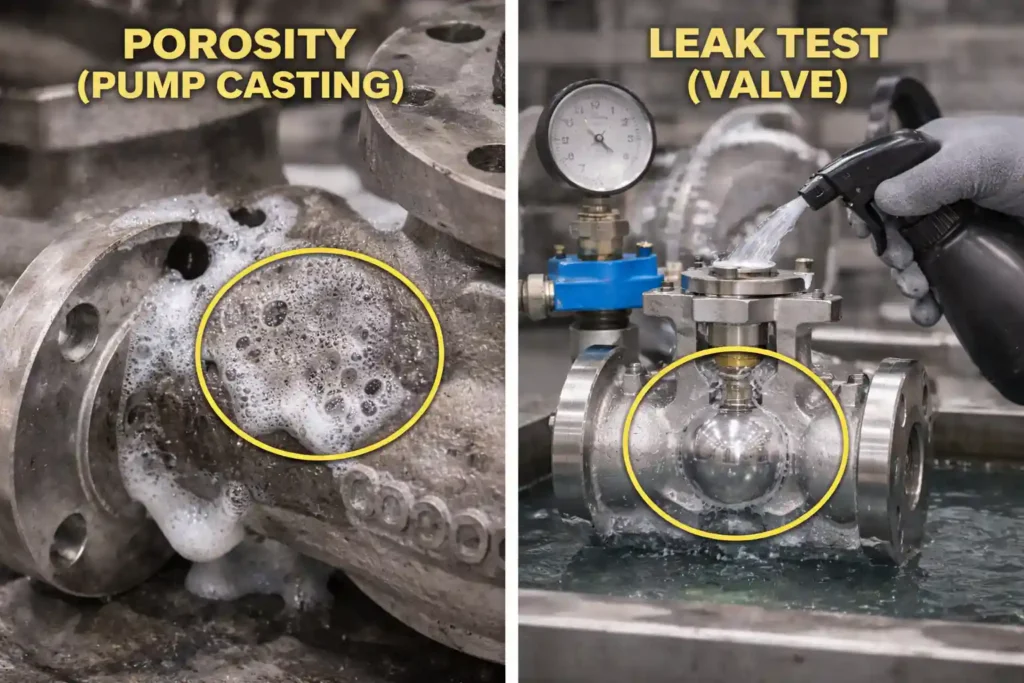
- Porosity reduces efficiency
- Flow becomes unstable
In Valve Casting:
- Even micro porosity can cause leakage
- Defect tolerance is near zero
10. Testing and Inspection Standards
Testing methods reflect application:
- Pump casting → flow performance testing
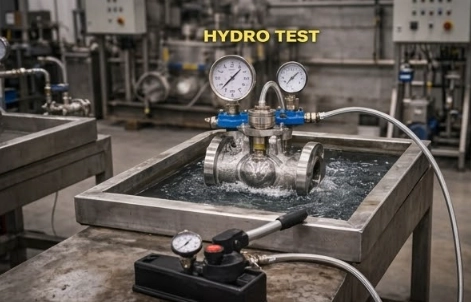
- Valve casting → pressure and leakage testing
Valve components typically require hydrostatic testing, which is far more stringent.
11. Production Volume and Cost Structure
Valve casting is often more standardized, leading to:
- Higher production volumes
- Lower per-unit cost at scale
Pump casting tends to be more customized, especially for industrial applications.
12. Typical Failure Modes
Understanding failure helps define manufacturing priorities.
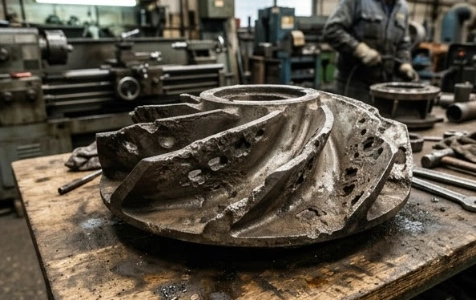
Pump Casting Failures:
- Cavitation damage
- Flow inefficiency
- Internal erosion
Valve Casting Failures:
- Leakage
- Seal failure
- Pressure rupture
Real Manufacturing Insights (From Actual Projects)
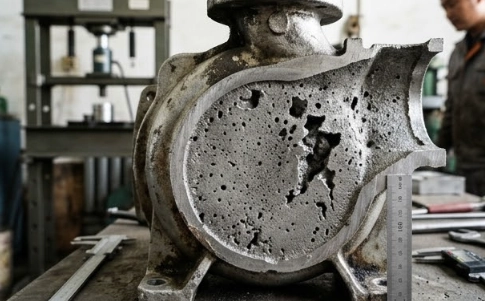
In real-world pump casting production, internal porosity is one of the most common issues.
1. Case:Die-Cast Pump Porosity Problem
- Issue: Air pockets inside flow channel
- Root cause: Poor gating design
Solution:
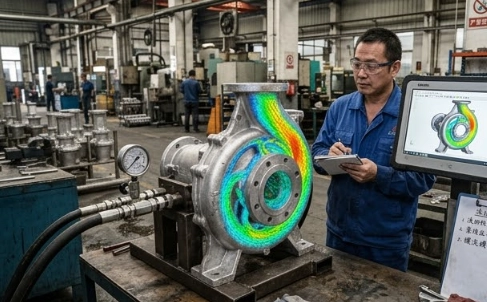
- Optimized gating system
- Simulation-based flow analysis
- Improved venting design
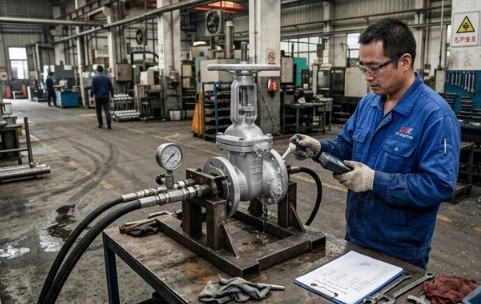
2. Case: Die-Cast Valve Leakage Issue
- Issue: Leakage after machining
- Root cause: Insufficient material density
Solution:
- Adjusted pouring temperature
- Improved solidification control
- Increased machining allowance
These problems rarely appear in drawings—but they are critical in manufacturing.
Engineering Challenges (And How They Are Solved)
Pump Die Cast Challenges
Problem: Complex internal cavity collapse
- Cause: Weak core structure
- Solution: Reinforced core design + simulation
Problem: Flow channel defects
- Solution: Optimize gating and riser design
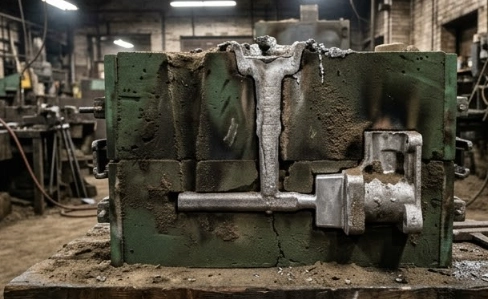
Valve Die Cast Challenges
Problem: Sealing surface distortion
- Solution: Controlled cooling and machining strategy
Problem: High-pressure leakage
- Solution: Improve casting density + inspection standards
How to Choose the Right Casting Solution
If your product requires:
- Efficient fluid transfer → choose die cast pump solution
- Precise flow control → choose valve casting
If sealing is critical, prioritize:
- High-quality material
- Precision machining
- Proven manufacturing experience
How to Choose a Reliable Pump Casting Manufacturer
When selecting a supplier for casting pump, focus on:
- Experience with complex internal cavities
- Ability to control porosity
- Engineering support (DFM, simulation)
For valve casting:
- Sealing surface machining capability
- Pressure testing facilities
- Material control
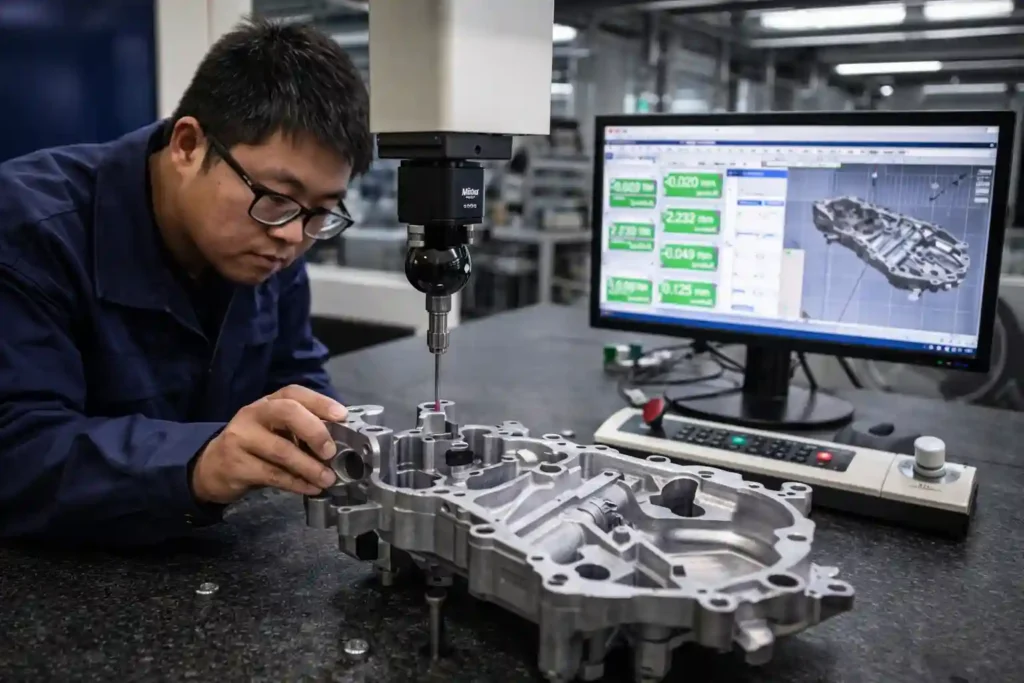
How IEC Mould Solves Complex Casting Challenges
At IEC Mould, we approach pump and valve casting from an engineering perspective rather than just production.
For Pump:
- Advanced core design for complex flow paths
- Optimized gating systems to reduce porosity
For Valve:
- High-precision machining for sealing surfaces
- Strict quality control to prevent leakage
Integrated Capability:
- Casting + CNC machining
- Engineering support from design to production
👉 Send us your drawings to get a manufacturability evaluation and cost estimate.
Conclusion
Although pump casting and valve casting may seem similar, they require completely different engineering approaches.
- Pump casting is about flow efficiency and internal geometry
- Valve casting is about precision and sealing reliability
Choosing the right process—and the right manufacturing partner—can significantly impact product performance, cost, and long-term reliability.
👉 If you are working on a pump casting project, IEC Mould can help you optimize design, reduce defects, and improve manufacturability.
Working on a pump casting or valve casting project?
IEC Mould supports customers from design review to mass production.
Our capabilities include:
- Complex pump housing casting with internal flow channels
- High-precision valve casting with sealing surface machining
- Integrated casting + CNC machining solutions
To move forward efficiently, please prepare:
- 3D files or detailed drawings
- Material grade and performance requirements
- Annual demand or order quantity
- Application details (pressure, medium, environment)
This allows our engineering team to provide accurate feedback, cost estimation, and production planning.
FAQ
1. Can pump and valve casting use the same process?
In some cases yes, but process selection depends on geometry and precision requirements.
2. Which is more difficult, pump or valve casting?
Pump casting is more complex in geometry, while valve casting is more demanding in precision.
3. Why is valve casting more prone to leakage?
Because sealing surfaces require extremely high material density and machining accuracy.
4. Can die casting be used for pump?
Only for certain small or non-critical components.
5. How to reduce defects in pump casting?
Through proper gating design, simulation, and experienced manufacturing control.