
Introduction – Understanding Die Casting Lead Time
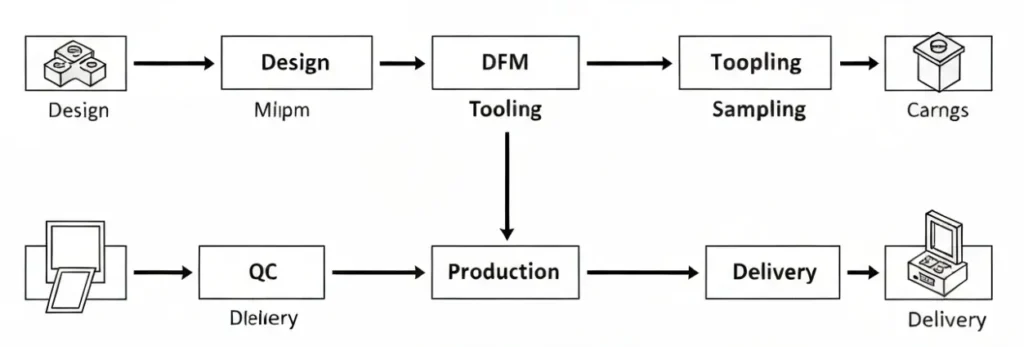
When evaluating a die casting project, one of the first questions from engineers and buyers is usually: “How long does die casting take?”
The answer is not a single fixed number, because die casting production time is influenced by multiple stages, starting from part design and tooling development, all the way to mass production and quality approval. In real manufacturing projects, die casting lead time is better understood as a complete system rather than a single production step. It includes tooling design, mold manufacturing, sampling, and production scheduling.
For OEM and industrial buyers, understanding these factors early helps reduce risks such as delayed delivery, unexpected cost increases, and project timeline disruptions.
At IEC MOULD, lead time evaluation is usually done together with early-stage DFM analysis, because most delays are not caused by production itself, but by upstream design and approval iterations.
A proper DFM review can help:
- Identify and eliminate unnecessary design complexity early in the project
- Reduce tooling modifications during manufacturing
- Improve process stability during sampling stages (T0–T1–T2)
- Shorten overall die casting tooling lead time through better upfront planning
These improvements directly contribute to better die casting lead time control, especially in high-volume production where small inefficiencies are multiplied across large quantities.
👉 A clear understanding of the die casting process is essential when making these early design decisions.
In die casting projects, lead time is not determined by a single step, but by how efficiently design, engineering, tooling, and production are coordinated as one system from the very beginning.
Die Casting Part Design Complexity
Part design is one of the earliest and most critical factors affecting die casting lead time.
In real projects, complex geometries do not just increase manufacturing difficulty—they significantly extend the time required for tooling design, simulation, and validation. Features such as deep cavities, thin walls, sharp corners, and undercuts often require more engineering evaluation and multiple iterations before the design is ready for tooling.
In many projects we’ve seen, delays are not caused by production itself, but by the time it takes to fully understand and validate how a complex part should be manufactured.
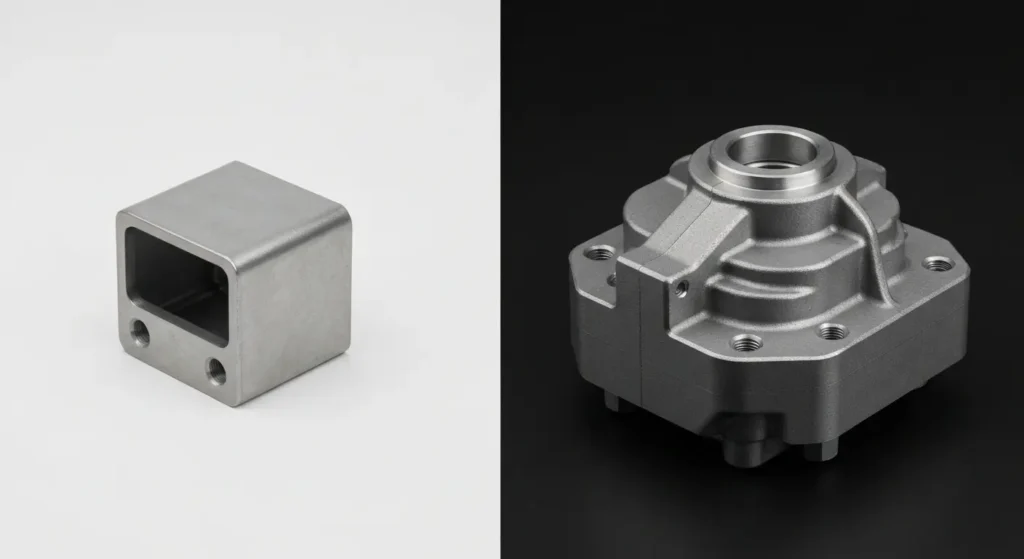
A well-optimized design can help:
- Simplify part geometry to reduce tooling design time
- Minimize the need for complex slides or lifters in the mold
- Improve metal flow and reduce trial-and-error during sampling
- Reduce the risk of defects that may delay approval cycles
These improvements directly shorten die casting tooling lead time, especially during the early stages of mold development and sampling
In practice, design-related delays are often caused by:
- unclear draft angles or missing design details
- inconsistent wall thickness
- features that require secondary machining but are not defined early
- late design changes after tooling has already started
Each of these issues can lead to repeated modifications, extending both tooling time and overall die casting production time.
👉 In most high-volume projects, simplifying part design is one of the fastest and most effective ways to reduce lead time without increasing production cost.
👉 A structured approach to die casting design optimization can significantly reduce these risks before tooling begins.
Improving design clarity at the beginning is not just an engineering improvement—it is often the difference between a smooth project and weeks of avoidable delay.
DFM Review and Engineering Approval
The DFM (Design for Manufacturability) review is one of the most important stages affecting die casting lead time, yet it is often underestimated in project planning. Before any tooling work begins, the DFM stage determines whether a design is ready for efficient production—or whether it will require multiple revisions later.
In many projects, delays do not come from manufacturing itself, but from repeated back-and-forth communication during the engineering approval process. Each revision, clarification, or missing detail can add days or even weeks to the overall timeline.
At IEC MOULD, it is common to see that projects with a clear and well-aligned DFM phase move significantly faster into tooling and sampling.

A structured DFM review can help:
- Identify potential manufacturability issues before tooling starts
- Optimize wall thickness, draft angles, and parting lines
- Reduce the need for tooling modifications during mold manufacturing
- Improve process stability during sampling (T0–T1–T2)
- Shorten overall die casting tooling lead time
📊 Without DFM and With DFM Review Comparison Table
| Scenario | Without DFM Review | With DFM Review |
|---|---|---|
| Design clarity | Incomplete / unclear | Fully defined |
| Tooling changes | Frequent modifications | Minimal changes |
| Sampling cycles | Multiple iterations | Faster approval |
| Lead time impact | Delays likely | Shortened timeline |
These improvements not only reduce delays, but also improve consistency throughout the entire die casting production process.
In practice, engineering approval delays are often caused by:
- incomplete 2D/3D drawings
- unclear tolerance requirements
- missing surface finish or machining details
- slow feedback between customer and supplier
👉 In many projects, improving communication efficiency during the DFM stage is one of the most effective ways to avoid delays without increasing cost.
👉 A deeper understanding of what drives die casting cost can also help align engineering and procurement priorities.
👉 A well-defined DFM process is not just an engineering step—it is a critical control point for both lead time and cost optimization.

Projects that move quickly into production are rarely the simplest ones—they are the ones where design, engineering, and approval are aligned early and clearly.
Tooling Design and Mold Engineering Time
Tooling design and mold engineering is one of the most time-consuming stages in die casting lead time, especially for precision or high-volume production parts.
Once the part design and DFM are confirmed, the mold design phase begins. This is where engineering teams define the entire structure of the tool, including cavity layout, gating system, cooling channels, ejection system, and parting lines. Any mistake or incomplete decision at this stage can directly affect both tooling time and future production stability.
In many real projects, mold design is not delayed by software or capability, but by repeated design confirmation cycles and unclear final requirements from the customer side.
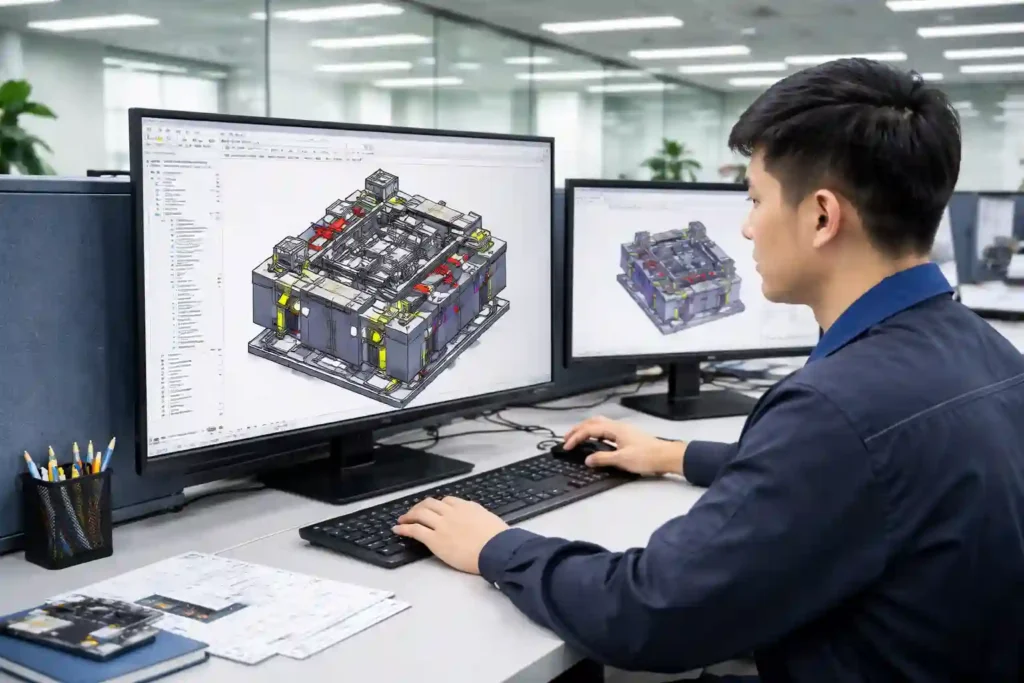
A well-optimized tooling design process can help:
- Reduce unnecessary structural complexity in the mold
- Improve cooling efficiency and shorten cycle time during production
- Minimize trial-and-error adjustments during mold testing
- Reduce the risk of rework during machining and assembly stages
- Shorten overall die casting tooling lead time
These improvements not only accelerate tooling completion but also improve long-term production stability and consistency.
📊 Mold Design Impact Comparison
| Mold Design Quality | Tooling Outcome | Lead Time Impact |
|---|---|---|
| Poor / unclear design | Frequent modifications | Significant delay |
| Standard design | Minor adjustments | Moderate timeline |
| Optimized engineering design | Stable first-time build | Short lead time |
In practice, tooling delays are often caused by:
- late confirmation of parting line or draft direction
- incomplete mold flow analysis before design freeze
- changes in cavity design after machining has started
- insufficient communication between design and manufacturing teams
Each modification at this stage can significantly extend both mold manufacturing time and overall die casting production time, because tooling changes often require re-machining or re-fitting of precision components.
👉 A well-structured die casting tooling process can significantly reduce engineering uncertainty and improve production predictability.
In high-volume production projects, the quality of tooling design directly determines not only lead time, but also long-term cost stability and defect rate during mass production.
👉 In most cases, investing more effort in tooling design at the early stage is far more effective than fixing problems during production later.
Die Casting Mold Manufacturing Time
Once the casting tooling design is finalized, the project moves into the mold manufacturing stage—one of the most resource-intensive phases in the entire die casting lead time. This stage involves multiple precision processes, including CNC machining, EDM (Electrical Discharge Machining), drilling, heat treatment, and final mold fitting. Each step must be completed with high accuracy, as even small deviations can affect mold performance and delay subsequent sampling.
In real production environments, mold manufacturing is not only about machining speed, but also about coordination between different processes and departments. Delays often occur when one step is not aligned with the next.
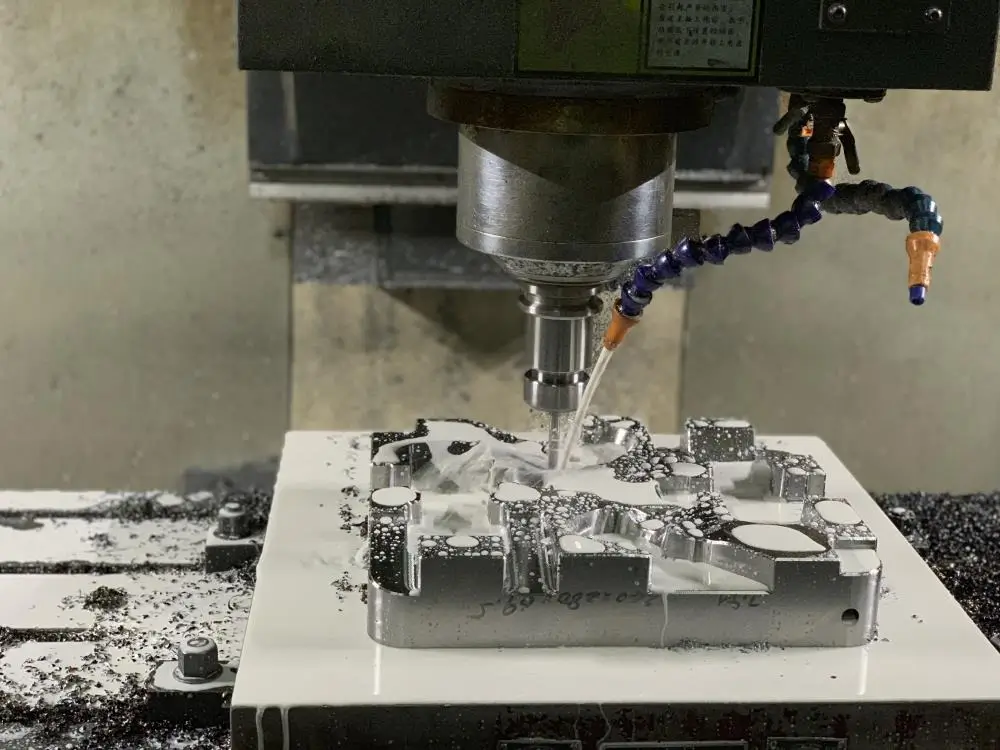
A well-managed mold manufacturing process can help:
- Ensure smooth transition between machining, heat treatment, and assembly
- Reduce rework caused by dimensional inaccuracies
- Improve fitting efficiency during mold assembly
- Minimize delays before sampling (T0 stage)
- Stabilize overall die casting tooling lead time
These improvements are especially important for complex molds, where multiple inserts and moving components must fit together precisely.
Manufacturing Process Impact on Lead Time
| Process Stage | Risk Factor | Lead Time Impact |
|---|---|---|
| CNC Machining | Programming errors / rework | Medium–High |
| EDM Process | Electrode design & burn time | Medium |
| Heat Treatment | Outsourcing / scheduling | Medium–High |
| Mold Fitting | Assembly accuracy | High |
In practice, delays during mold manufacturing are often caused by:
- rework due to machining errors or tolerance issues
- waiting time between outsourced processes (e.g., heat treatment)
- lack of standardization in mold assembly procedures
- insufficient capacity during peak production periods
Each of these issues can extend not only mold completion time but also the start of sampling, which directly impacts the overall die casting production time.
👉 A stable and well-controlled die casting tooling process is essential to keep manufacturing timelines predictable.
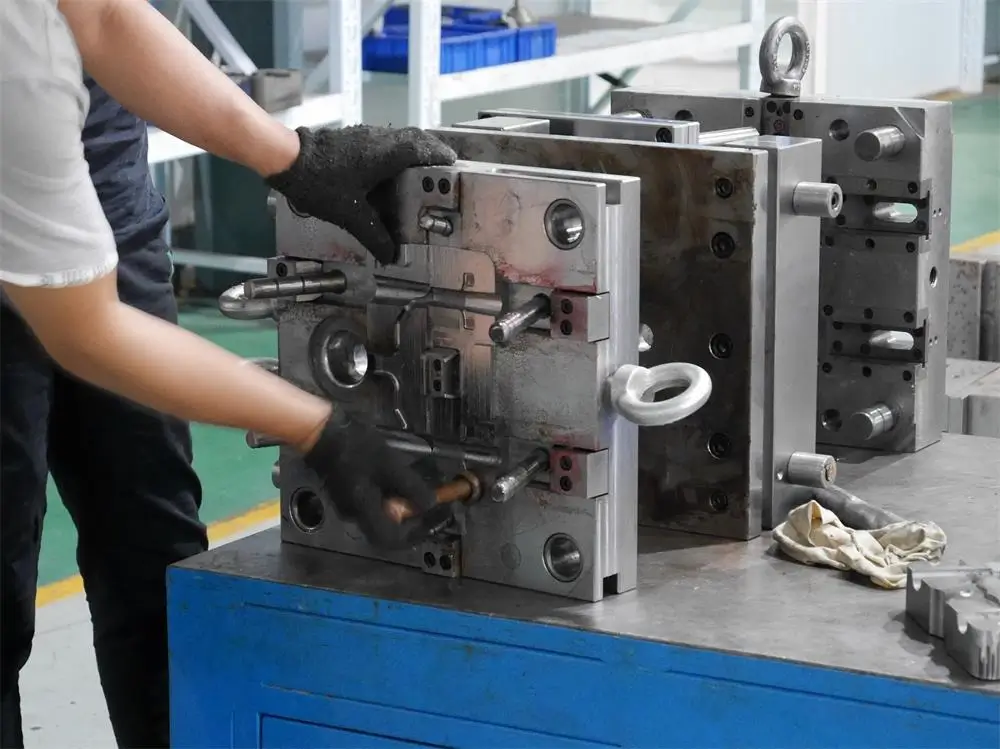
👉 In many projects, the difference between on-time delivery and delay is not machining speed, but how well each manufacturing step is planned and coordinated.
Die Casting Material Availability
Material availability is often overlooked when evaluating die casting lead time, but in many real projects, it can become a critical bottleneck. Even with a well-designed mold and a clear production plan, delays can still occur if the required raw materials are not available at the right time. This is especially true for specific aluminum alloys, custom material grades, or projects that require certified material traceability.
In high-volume production, stable material supply is just as important as production capacity. Any disruption in supply can delay not only the start of production, but also sampling and process validation.
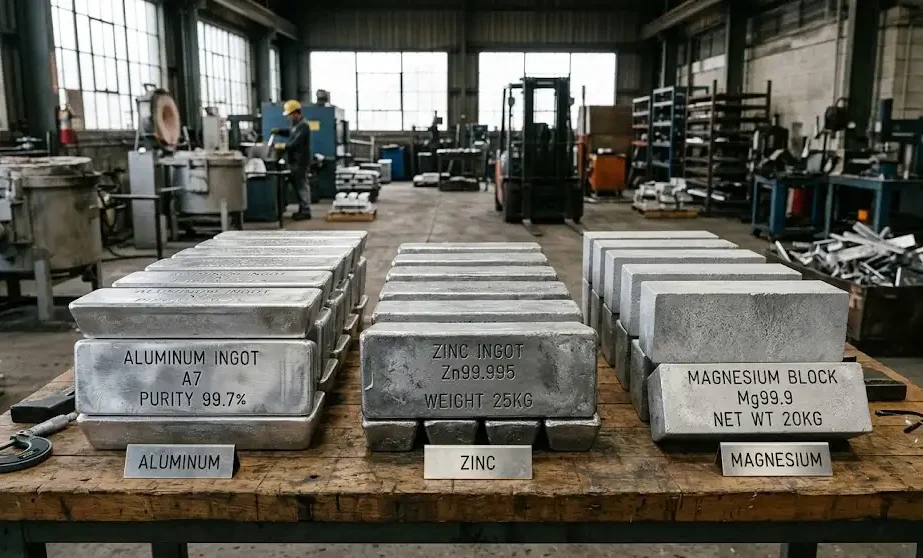
A well-planned material strategy can help:
- Ensure raw materials are available before tooling and sampling stages
- Reduce waiting time between sampling and mass production
- Avoid unexpected delays caused by supplier shortages
- Maintain consistency in die casting production time
- Support stable quality during long production runs
These factors become even more important when working with tight delivery schedules or large production volumes.
Material Availability Impact
| Scenario | Material Status | Lead Time Impact |
|---|---|---|
| Standard alloy in stock | Readily available | No delay |
| Common alloy, low stock | Short procurement time | Minor delay |
| Special alloy / certification required | Limited availability | High delay risk |
In practice, material-related delays are often caused by:
- incorrect material specification during early stages
- long procurement cycles for specific alloy grades
- lack of safety stock for high-volume orders
- dependency on a single material supplier
Each of these issues can extend overall die casting lead time, even if all other processes are running smoothly.
👉 In many projects, early confirmation of material specifications is one of the simplest ways to avoid delays without increasing cost.
👉 Understanding how material selection affects both performance and die casting cost can also help improve project planning efficiency.
👉 Reliable projects are not only built on good design and tooling—but also on stable and predictable material supply.
Casting Secondary Machining Requirements
Secondary machining is another key factor that can significantly affect die casting lead time, especially for parts that require tight tolerances or additional finishing operations.
While die casting can produce near-net-shape parts, many components still require CNC machining, drilling, tapping, or surface finishing after casting. Each additional operation adds time, coordination, and potential delay to the overall production process.
In many real projects, machining is not the bottleneck itself—the delay comes from how well these secondary operations are planned and integrated into the overall production workflow.
A well-planned machining strategy can help:
- Reduce unnecessary machining steps through better design optimization
- Combine operations to improve efficiency
- Minimize setup time between processes
- Improve dimensional consistency and reduce rework
- Stabilize overall die casting production time
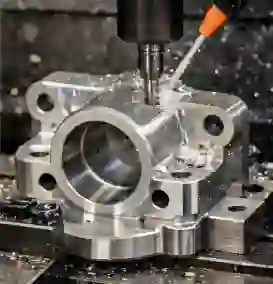
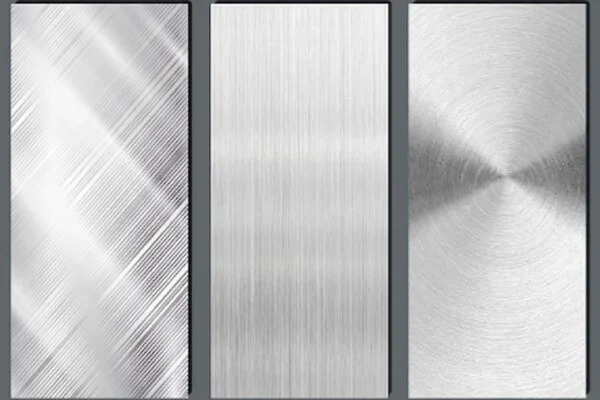
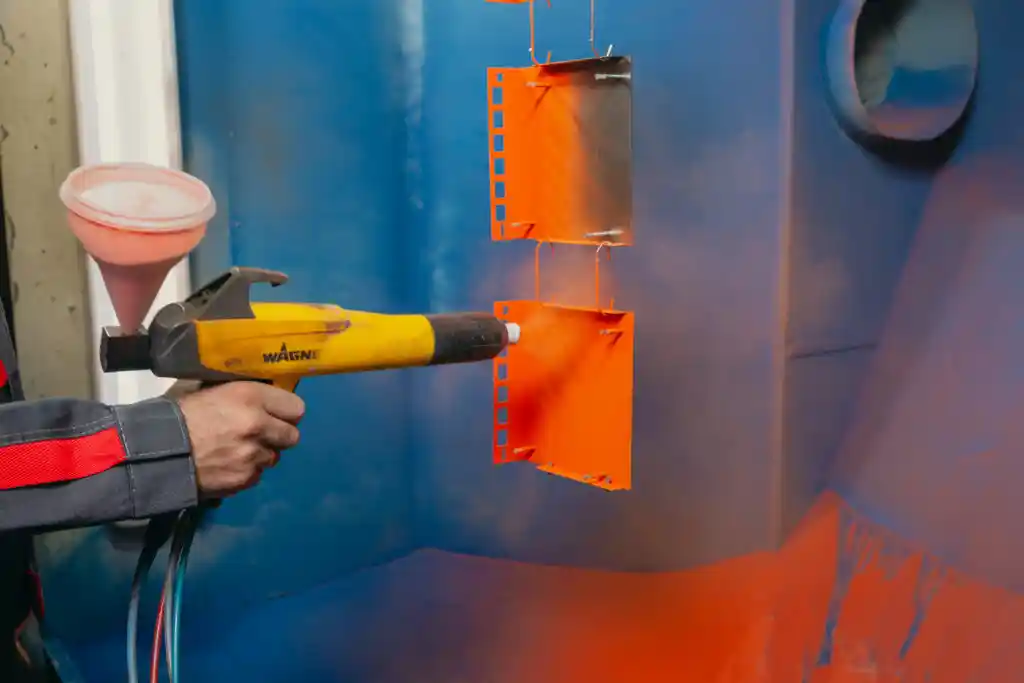
These improvements are especially valuable in high-volume production, where even small inefficiencies can accumulate into significant delays.
Machining Impact on Lead Time
| Machining Level | Process Complexity | Lead Time Impact |
|---|---|---|
| Minimal machining | Basic finishing only | Low impact |
| Moderate machining | Multiple operations | Medium impact |
| Complex machining | Tight tolerance + multi-step | High impact |
In practice, machining-related delays are often caused by:
- incomplete machining specifications during early design stages
- poor alignment between casting and machining tolerances
- excessive reliance on machining to fix casting issues
- lack of coordination between casting and machining teams
Each of these issues can increase both machining time and the risk of rework, directly extending overall die casting lead time.
👉 A better understanding of secondary machining processes can help identify opportunities to reduce unnecessary operations.
👉 Efficient projects are not those with no machining—but those where machining is planned as part of the overall process, not as a correction step.
Die Casting Production Capacity and Scheduling
Die Casting Production capacity and scheduling play a decisive role in determining overall lead time, especially in high-volume or time-sensitive projects.
Even when tooling, materials, and sampling are fully ready, production cannot begin immediately if machines, operators, or production lines are already fully booked. In many cases, delays are not caused by technical issues, but by limited capacity or inefficient scheduling.
For OEM buyers, this is often one of the least visible but most impactful factors in delivery performance.
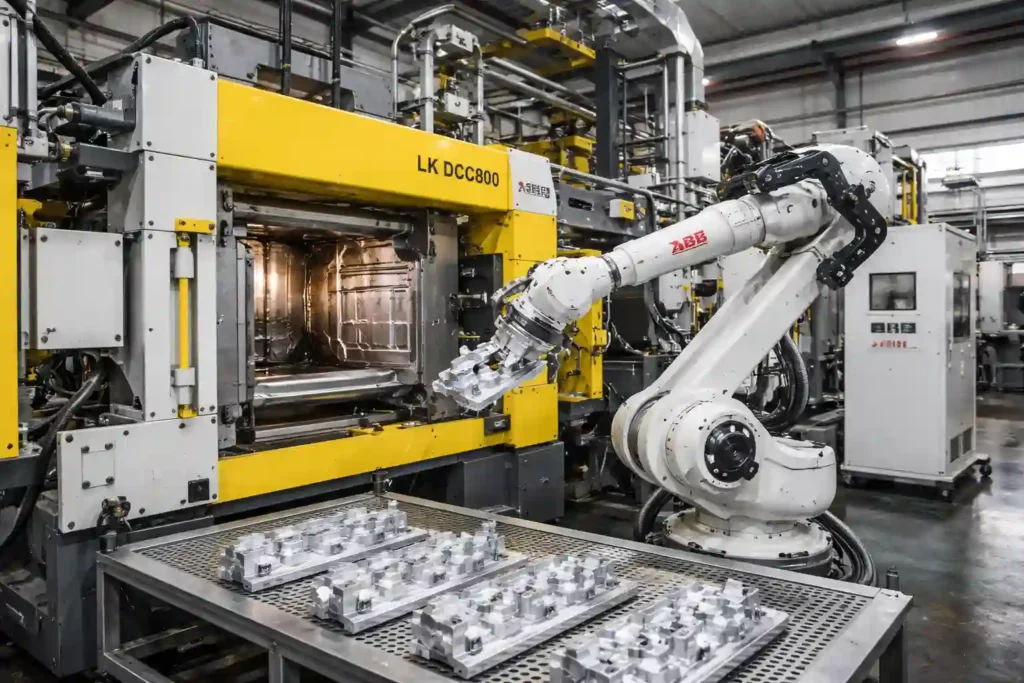
A well-managed production system can help:
- Balance machine utilization across different projects
- Reduce waiting time between batches
- Optimize shift planning and labor allocation
- Ensure stable output during high-volume production
- Maintain predictable die casting production time
These improvements are essential for projects that require consistent delivery over long production runs.
Capacity vs Lead Time Impact
| Production Scenario | Capacity Status | Lead Time Impact |
|---|---|---|
| Low utilization | Available machines | Fast start |
| Balanced load | Normal scheduling | Stable timeline |
| Overloaded capacity | Limited availability | High delay risk |
In practice, production delays are often caused by:
- overbooking of machines during peak seasons
- lack of flexibility in production planning
- unbalanced allocation between different projects
- insufficient backup capacity for urgent orders
Each of these issues can delay the start of production or interrupt ongoing manufacturing, directly extending overall die casting lead time.
👉 Evaluating a die casting supplier’s production capability and scheduling flexibility is critical when planning project timelines.
👉 In many high-volume projects, reliable delivery is not just about production speed—but about how well capacity is planned and controlled.
👉 Projects that stay on schedule are rarely those with the fastest machines—but those with the most disciplined production planning.
Quality Control and Inspection
Quality control and inspection are essential steps in any die casting project, but they can also have a direct impact on overall die casting lead time if not properly planned.
Every batch of parts must be verified to ensure it meets dimensional, mechanical, and surface quality requirements. Depending on the project, this may include visual inspection, dimensional measurement (CMM), leak testing, or other functional checks.
While these steps are critical for ensuring product reliability, they also require time, equipment, and coordination—especially for high-precision or safety-critical components.
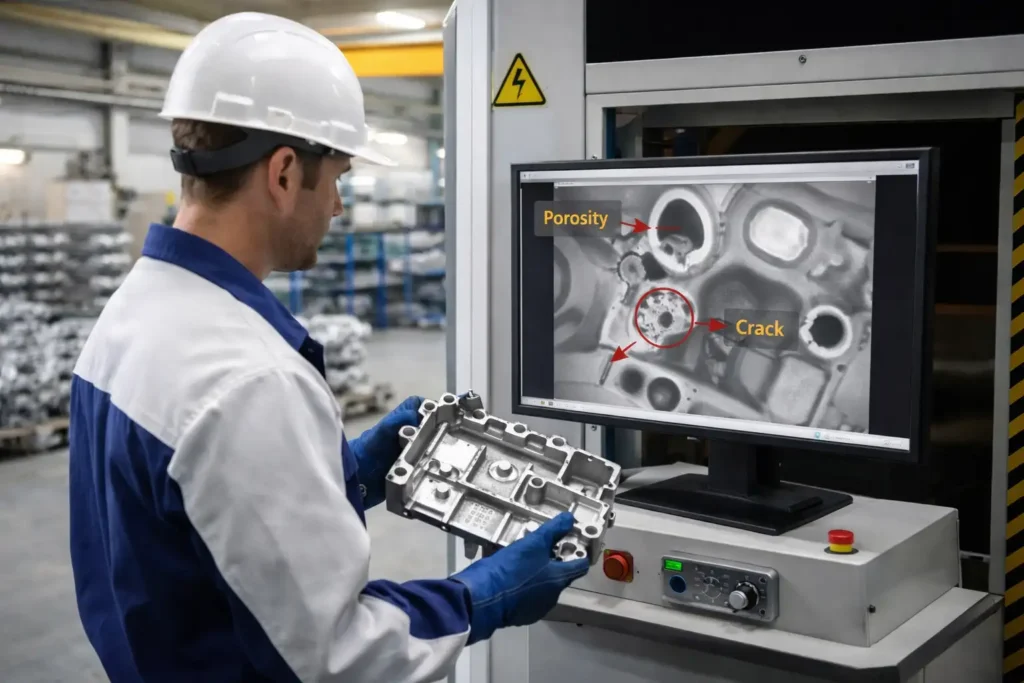
A well-structured quality control process can help:
- Detect defects early before shipment
- Reduce the risk of rework or customer returns
- Improve consistency across production batches
- Streamline inspection procedures without compromising quality
- Maintain stable die casting production time
These improvements are particularly important in high-volume production, where inspection efficiency directly affects delivery speed.
Inspection Level vs Lead Time
| Inspection Level | Process Requirement | Lead Time Impact |
|---|---|---|
| Basic inspection | Visual + sampling check | Low impact |
| Standard QC | Dimensional + random sampling | Medium impact |
| Full inspection | 100% inspection + testing | High impact |
In practice, quality-related delays are often caused by:
- unclear inspection standards or acceptance criteria
- excessive inspection requirements beyond actual needs
- inefficient inspection workflow or manual processes
- high defect rates requiring sorting or rework
Each of these factors can extend both inspection time and overall die casting lead time, especially when issues are discovered late in the process.
👉 A clear and efficient die casting quality control process can help balance inspection requirements with delivery timelines.
👉 In many projects, defining inspection standards early is one of the most effective ways to avoid delays without compromising quality.
👉 Reliable delivery is not about reducing quality checks—but about designing a quality system that is both effective and efficient.
Die Casting Supplier Communication Efficiency
Supplier communication efficiency is often the most underestimated factor affecting die casting lead time, yet in many real projects, it is one of the primary causes of delay.
Even with strong engineering capability and sufficient production capacity, poor communication between the customer and supplier can slow down decision-making, create misunderstandings, and lead to repeated revisions.
In practice, many delays occur not because the work cannot be done—but because critical information is missing, unclear, or not aligned between both sides.



Effective communication can help:
- Ensure clear understanding of technical requirements from the beginning
- Reduce back-and-forth during DFM and approval stages
- Accelerate decision-making when issues arise
- Improve coordination across design, tooling, and production teams
- Shorten overall die casting production time
These benefits are especially important in complex or high-volume projects, where small communication gaps can quickly turn into major delays.
Communication Efficiency Impact
| Communication Level | Project Coordination | Lead Time Impact |
|---|---|---|
| Poor communication | Frequent misunderstandings | High delay risk |
| Standard communication | Basic alignment | Moderate timeline |
| Efficient communication | Fast decision-making | Short lead time |
In real projects, communication-related delays are often caused by:
- incomplete or unclear RFQ documentation
- slow response time between customer and supplier
- lack of a dedicated project manager
- inconsistent information shared across teams
Each of these issues can interrupt workflow, delay approvals, and extend overall die casting lead time.
👉 Evaluating a supplier’s communication and project management capability is essential when selecting the right partner.
👉 In many projects, improving communication efficiency is one of the fastest ways to reduce lead time without increasing cost or changing design.
👉 Projects that move fast are not always the simplest—they are the ones where information flows clearly and decisions are made quickly.
How to Reduce Die Casting Lead Time
Reducing die casting lead time is not about speeding up a single process—it requires optimizing the entire workflow, from design and engineering to production and communication.
In most projects, delays are the result of multiple small inefficiencies rather than one major issue. Addressing these factors early can significantly improve delivery performance without increasing cost.
A practical approach to reducing lead time includes:
- Optimize part design to eliminate unnecessary complexity
- Conduct DFM review early to avoid repeated revisions
- Finalize material specifications before tooling begins
- Improve tooling design to reduce rework during manufacturing
- Control sampling cycles by addressing defects early
- Plan machining and secondary operations in advance
- Ensure production capacity is aligned with project timeline
- Establish clear quality standards before mass production
- Maintain efficient communication between all parties
These actions work together to create a more predictable and efficient die casting production process, reducing both lead time and project risk.
👉 Understanding both cost and timing factors together can help build a more effective production strategy.
Conclusion – Lead Time Is a System, Not a Single Step
Die casting lead time is not determined by a single factor, but by how well the entire process is planned, aligned, and executed.
From part design and DFM review to tooling, sampling, and production, every stage plays a role in shaping the final delivery timeline. Delays are rarely caused by one major issue—instead, they are usually the result of multiple small inefficiencies across different stages.
Projects that stay on schedule are not necessarily the simplest ones. They are the ones where engineering decisions are clear, processes are well coordinated, and communication is efficient from the very beginning.
👉 In die casting, improving lead time is not about working faster—it is about working smarter across the entire system.
Ready to Reduce Your Die Casting Lead Time?
If you are planning a new die casting project or experiencing delays in your current supply chain, an early technical review can make a significant difference.
At IEC MOULD, engineering teams work closely with customers to identify potential risks, optimize design, and improve both cost and lead time performance before production begins.
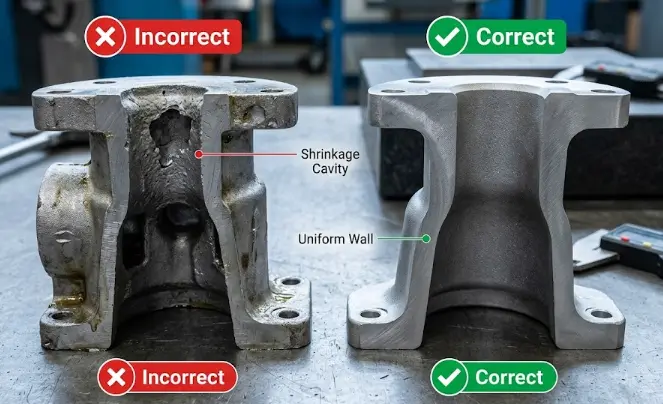
To get a more accurate evaluation, you can share:
- 2D drawings or 3D CAD files
- Expected annual volume
- Target delivery timeline
- Current challenges (cost, quality, or delays)