
What is the die casting meaning in modern manufacturing? Aluminum die casting is a high-efficiency manufacturing process where molten aluminum alloy casting material is injected under immense pressure into a reusable steel mold, known as an aluminum die casting mould, to produce highly accurate and complex metal parts. Often referred to as aluminum pressure die casting or high pressure aluminum die cast, this method is the go-to solution for scalable, high-volume production of lightweight yet structurally sound components.
For engineering and sourcing procurement teams, choosing the right production route is critical. When assessing a basic aluminum casting, you aren’t just looking for a general die cast material; you need a process that guarantees dimensional stability, excellent thermal conductivity, and minimal post-machining.
Whether your project requires a custom aluminum die casting for a complex automotive housing or bulk die casting products for industrial applications, understanding the nuances of the aluminium die casting industry is key to optimizing both performance and cost. Let’s dive deep into the factory-floor reality of how this essential process of die casting works.
Deciphering the Die Casting Process: How It Works on the Factory Floor
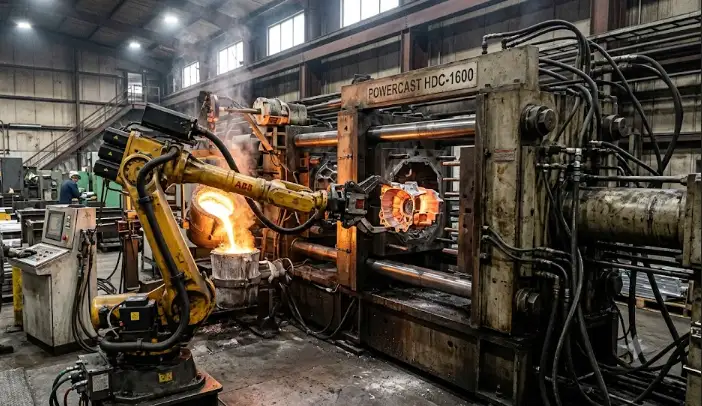
To fully understand the die casting definition, one must look at how an industrial die caster operates. Unlike other foundry methods, the aluminum die casting process primarily relies on cold-chamber machines. Because aluminum has a high melting point that can easily degrade internal machine components if constantly submerged, a specialized aluminum die casting machine keeps the melting furnace separate from the injection mechanism.
Here is the step-by-step breakdown of how a raw casting aluminum alloy becomes a precision component:
Mold Preparation: The custom die cast aluminum mold is preheated and coated with a release agent. This ensures thermal equilibrium and allows the die casted aluminum part to eject smoothly.
Melting and Ladling: The selected aluminum casting material is melted in a nearby furnace. A mechanical ladle transfers the precise amount of molten metal into the shot chamber of the aluminum die casting machine.
High-Pressure Injection: A hydraulic plunger forces the liquid metal into the aluminum casting die cavity at extremely high velocities. This aluminium pressure die casting technique ensures the metal completely fills even the thinnest walls of the mold before solidifying.
Cooling and Ejection: After the metal solidifies, the moving half of the dies casting mold opens, and ejector pins push the hot die cast aluminium component out.
Trimming and Secondary CNC Machining: The raw die casted parts are trimmed to remove the gating system. To achieve airtight tolerances for critical sealing surfaces, the parts undergo die casting aluminum machine finishing (precision CNC machining).
Key Advantages: Why Engineering Teams Choose Aluminum Pressure Casting
When choosing an alloy die casting solution, engineers must balance weight, strength, and cost. While die casting steel or iron offers high strength, it fails to meet modern lightweighting requirements. This is where aluminum casting products excel.
Utilizing high pressure die casting aluminum provides several distinct manufacturing advantages:
Exceptional Lightweighting: Aluminum has a low density compared to steel, making die casting automotive components significantly lighter. This is a game-changer for reducing energy consumption and increasing driving range in electric vehicles.
Complex Thin-Wall Capabilities: The high pressure aluminum die cast process allows for the production of incredibly intricate, near-net-shape die cast aluminum components with wall thicknesses under 2mm, which is practically impossible with standard sand casting.
Excellent Thermal and Electrical Conductivity: For structural die cast aluminium components that house electronics, aluminum offers natural heat dissipation and EMI/RFI shielding.
High Corrosion Resistance and Durability: Raw cast and die aluminum naturally forms a protective oxide layer, making aluminum alloy castings highly resilient in harsh environments, such as marine or industrial fluid control applications.
Material Selection Guide: A380 vs. ADC12 vs. AlSi9Cu3
Selecting the right aluminum die casting materials is the most critical decision in the early stages of product development. You cannot simply request a generic aluminium casting material; you must match the physical properties of the alloy to the functional requirements of your die casting product.
Below is a factory-floor comparison of the most common casting aluminum alloys used in the global aluminium die casting marketplace:
| Alloy Grade (Standard) | Key Material Characteristics | Best Usability & Applications | Sourcing Insight (Expert Tip) |
(US Standard) | Highly versatile die cast material; excellent balance of mechanical properties, thermal conductivity, and resistance to hot cracking. | Structural die casting parts, engine brackets, and electronics enclosures. | The most widely available aluminum die cast alloy globally. Ideal for cost-effective projects in North America. |
ADC12 (Japan Standard) | Superb fluid mobility during the aluminium casting process, lower shrinkage rate, and excellent die-filling capabilities. | Ultra-thin-wall aluminium die casting parts, intricate automotive housings, and complex heatsinks. | If your aluminum casting die features highly intricate geometries or extremely thin walls, specify ADC12 to eliminate porosity issues. |
AlSi9Cu3 / A360 (EU Standard) | High fatigue strength, exceptional fluid pressure tightness (airtightness), and superior high-temperature strength. | Automotive parts die casting, heavy-duty industrial pump bodies, and high-pressure valves. | Best choice for parts requiring strict pressure testing. It ensures the casted aluminum does not leak under high hydraulic or pneumatic stress. |
Choosing the appropriate aluminum high pressure die cast alloy directly impacts both tool life and piece price. For instance, while some aluminum cast alloys offer slightly higher strength, they may cause accelerated wear on your aluminum die casting mold, raising your long-term maintenance costs.
Cross-Industry Applications: Where Precision Meets Durability
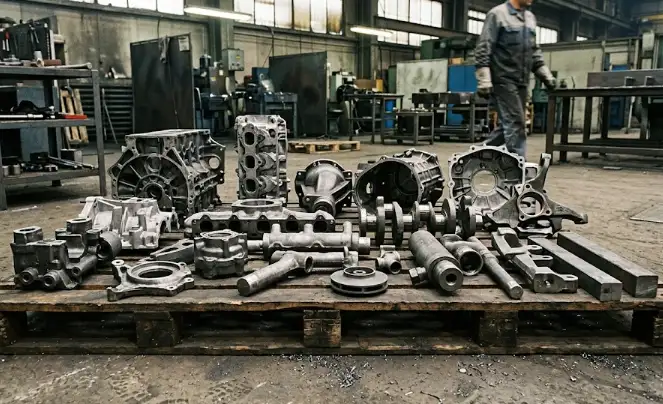
The versatility of aluminum alloy die casting makes it indispensable across multiple supply chains. Because aluminum cast parts offer high strength-to-weight ratios and strict dimensional accuracy, multiple sectors rely on high-volume die casting products for their daily operations.
1. Automotive & New Energy Vehicles (NEVs)
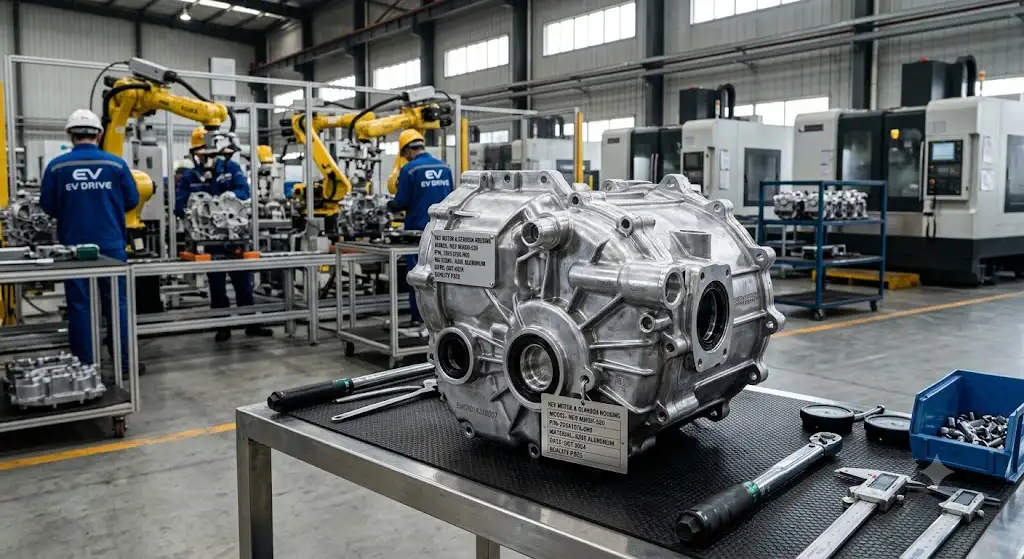
The die casting in automotive industry sector represents the largest consumption of die-cast aluminum. As global manufacturers push for lighter fleets to optimize fuel economy and extend EV battery ranges, automotive aluminum die casting has become the gold standard. Critical applications include electric motor housings, transmission cases, structural chassis parts, and intricate automotive parts die casting components that demand zero structural defects.
2. Industrial Pumps, Valves, and Fluid Control
For heavy-duty industrial components, a standard basic aluminum casting won’t suffice. Industrial pump bodies, valve housings, and oil filter brackets require exceptional pressure tightness. Utilizing aluminum high pressure die cast techniques ensures a dense microstructure that prevents fluids or gases from leaking through micro-porosities, delivering superior performance under constant stress.
3. Electronics, 5G, and Outdoor Lighting
Heat dissipation is the silent killer of modern electronics. In the LED lighting and telecom sectors, aluminum casting parts double as structural enclosures and high-performance heatsinks. The high thermal conductivity of the die cast aluminium material rapidly channels heat away from sensitive chips, while providing natural shield protection against electromagnetic interference (EMI).
Design for Manufacturing (DFM) Tips for Cost-Effective Die Casting
On the factory floor, a great design on paper doesn’t always translate to an affordable production run. To optimize your custom aluminum die casting project and maximize the lifespan of your aluminum die casting mould, our engineering team recommends following these practical DFM guidelines:
Maintain Uniform Wall Thickness: Drastic changes in wall thickness lead to uneven cooling, which causes shrinkage porosity and warping. For aluminum pressure die casting, keep your wall thickness between 1.5mm and 4.0mm whenever possible. If thick sections are unavoidable, use ribbing to maintain strength without adding bulk metal.
Incorporate Proper Draft Angles: To ensure the die casted parts can be ejected cleanly without dragging or damaging the cosmetic surface, you must specify adequate draft angles. For internal features, a draft angle of 1.5° to 2° is standard, while external walls typically require at least 1°.
Utilize Fillets and Radii: Sharp internal corners act as stress concentration points for both the liquid metal flow and the steel tool itself, which drastically cuts down your aluminum die casting mold life. Adding generous radii (minimum 1.0mm) smoother the metal injection flow and reduces structural cracking risks during cooling.
Plan Around Parting Lines: The parting line—where the two halves of the dies casting tool meet—will leave a slight flash line. Work with your die caster early in the design stage to place the parting line on non-critical or hidden surfaces of your aluminum casting products to reduce post-trimming cosmetic costs.
Partnering with a Full-Service Aluminum Die Caster
Succeeding in the global aluminium die casting industry requires more than just owning an aluminum die casting machine. It demands a manufacturing partner who can take your project from a raw 3D CAD model all the way to a finished, retail-ready component.
As an established, source-level die caster, we eliminate the headaches of managing multiple sub-vendors by providing a complete, one-stop solution:
In-House Tooling and Design: We design and build your custom die cast aluminum mold in-house, utilizing advanced mold flow analysis to predict and eliminate gas porosity, cold shuts, and air entrapment before a single block of steel is cut.
Precision CNC Machining: Because raw die casted aluminum parts often have tolerances around ±0.1mm to ±0.2mm, our advanced CNC machining center handles the secondary milling, drilling, and tapping required to achieve airtight tolerances up to ±0.1mm for critical sealing faces.
Comprehensive Surface Finishing: From shot blasting and sandblasting to powder coating, anodizing, and electrophoresis, we provide the exact aesthetic and corrosion-resistant finishes your aluminum casting material demands.
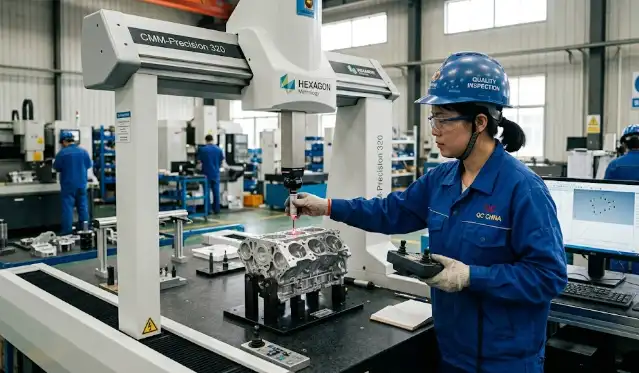
Rigorous Quality Control & Testing: To satisfy the strict requirements of automotive parts die casting and high-pressure fluid control, our facility operates under tight quality management systems. Every batch of die casted parts is subjected to advanced inspection, including X-ray flaw detection to inspect internal porosities, CMM (Coordinate Measuring Machines) for precise dimensional verification, and dedicated leakage/airtightness testing for industrial valve and pump bodies.
Conclusio: Bring Your Project to Life
Whether you are looking to optimize an existing component or launching a brand-new custom aluminum die casting project, selecting a manufacturer who understands the deep technical parameters of alloy die casting is the ultimate key to minimizing your per-piece costs and avoiding production delays.
Don’t leave your manufacturing quality to guesswork. Let our factory-floor engineering team analyze your design, optimize it for mass production, and provide you with a scalable, reliable supply chain solution.
📈 Get Your Free DFM Review and Accurate Quote within 24 Hours!
Ready to optimize your project and cut production costs? Bring your design to our factory floor:
Submit Your Drawings: Send us your 3D CAD files (accepted formats: .STP, .STEP, .IGS).
Get Free Engineering Feedback: Receive a complimentary Design for Manufacturing (DFM) report to eliminate porosity and tooling risks before production.
Receive a Precise Quotation: Get a transparent, factory-direct mold and piece-price quote within 24 hours.